

A homegrown lime turns a Tuesday taco night into something memorable, and the right starter tree decides whether you’ll actually get fruit or just glossy leaves. Gardeners juggling small patios, cold-winter windowsills, and inconsistent watering all need different things from a citrus tree, so the picks below lean into real differences: starter size, hardiness range, fertilizer fit, and whether the tree ships to your state. Whether you’re after the classic Key lime for pies, a fragrant Kaffir for Thai cooking, or a Meyer-style lemon that handles cooler zones, the right choice is the one matched to your climate, your patience for fruit, and where you’ll keep the pot.
The Main Contenders

Brighter Blooms Meyer Lemon Tree, 1-2 ft.

Farmer’s Secret Citrus Tree Booster Fertilizer (8 oz)

Garden State Bulb Meyer Lemon Tree, 1 Gallon Pot

Earth Science Fast Acting Lime Granules, 5 lb
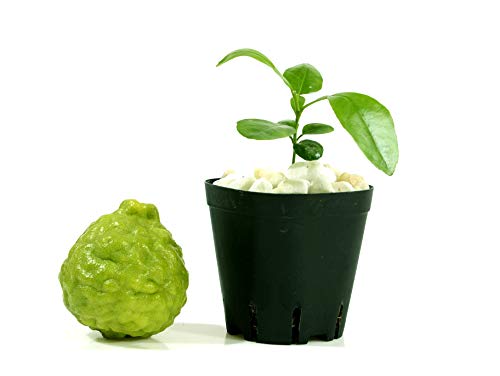
Kaffir Lime Tree Starter Plant, Citrus Hystrix, 3″–5″

Calamondin Tree Live Plant, 13-22″ Tall, 1 Gallon Pot

TPS Nutrients Lime Tree Fertilizer, 8 oz Liquid
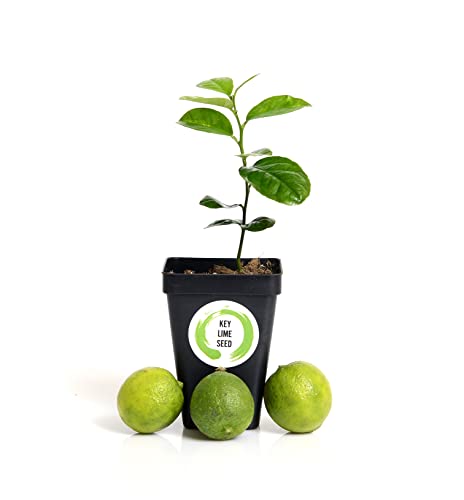
Key Lime Tree Starter Plant, Citrus aurantifolia, 3″–5″
A Breakdown Of The Leading Choices
The Brighter Blooms Meyer lemon arrives in the 1-2 ft range, which is a useful sweet spot for a patio grower. You can see the structure of the tree, and it transplants without much shock. The Meyer itself is a cross between a lemon and an orange, and that lineage shows up in the fruit later: thinner rind, less acid bite, and a softer aroma than the lemons you find in the produce section. It works well as a container plant in cooler zones, where the tree can move inside before frost.
For the home cook who wants citrus year after year rather than a one-time gift plant, this size also pays off. A 1-2 ft tree settles into a new pot faster than a tiny liner, and the root system tends to be more developed. The trade-off is that you’re paying for a more mature starter than a 4-inch seedling, and shipping is restricted to a list of states that excludes most citrus-growing regions.
Where It Helps
- Meyer lemons are sweeter and less acidic than grocery-store lemons, ideal for fresh juice and desserts.
- 1-2 ft size transplants with less shock and establishes faster in a new container.
- Compact form fits a small patio or sunroom corner without dominating the space.
- Self-pollinating habit, so a single tree sets fruit without a second plant nearby.
Trade Offs
- Cannot ship to AK, AL, AZ, CA, FL, GA, HI, LA, MS, OR, or TX due to agricultural restrictions.
- Fruit can take a few seasons to appear, depending on climate and feeding.
- Needs winter shelter in zones below 9, which means dragging a heavy pot inside.
Right Fit For
Beginner gardeners in zones 8-10 who want a low-stress citrus introduction with a real chance of fruit within a few seasons.
Consider Something Else When
Garden State Bulb Meyer Lemon Tree suits you better if you prefer a tree already settled in a 1-gallon nursery pot rather than a bare-root starter.
If you already own a lime, lemon, or orange tree, the Farmer’s Secret booster is built to keep it producing. The 8 oz bottle is a super-concentrated liquid, meaning a single teaspoon dilutes into a gallon of water, and a weekly feed along the drip line (the area of soil directly under the outer branches where rain would fall) is the recommended routine. For first-season trees, the dose is light, and for mature trees it scales up to two teaspoons per week. That dosing flexibility is what makes it useful across a mixed citrus collection.
The honest read is that the bottle looks small, but it stretches a long way. You measure carefully with a teaspoon rather than a capful, and that changes the feel of the product: it is more like a tincture than a ready-to-pour feed. For gardeners who keep a watering can on a schedule, the routine is simple. For anyone who prefers granular fertilizer they can broadcast and forget, the liquid format takes more discipline.
A Few Strong Suits
- Super-concentrated formula means one 8 oz bottle lasts a full season or longer.
- Works across lemons, limes, and oranges, so a single bottle covers a mixed collection.
- Suitable for both outdoor trees and indoor container plants.
Minor Gripes
- Requires weekly measuring and mixing, not a set-and-forget granular feed.
- Small bottle size can feel underwhelming at first, even though the concentration is high.
Feature Snapshot
Built With In Mind
Multi-tree citrus households who want a single liquid feed that handles limes, lemons, and oranges with one formula.
Where A Sibling Pick Shines
Reach for the TPS Nutrients Lime Tree Fertilizer if you’d rather a formula tuned specifically to lime trees without the multi-citrus dilution math.
Where the Brighter Blooms option ships a 1-2 ft starter ready for a new pot, Garden State Bulb ships the Meyer lemon already in a 1-gallon nursery container. That difference matters if you want a tree you can set on a bright windowsill the day it arrives, without an immediate repot. Hardiness is rated for zones 8 to 11, and the partial-sun-to-partial-shade light requirement opens up indoor placement near a bright window, which is the realistic option for colder climates.
For new gardeners, the in-pot delivery means less transplant stress and a clearer first-year growth pattern. The Meyer itself is self-pollinating, so a single tree will set fruit on its own. The shipping restrictions mirror the citrus-ag rules in many states: no FL, AZ, CA, TX, or LA, which is a real limitation if you live in the Sun Belt and were hoping for a quick delivery.
Well-Handled Touches
- Ships in a 1-gallon pot, so no immediate repotting is required on arrival.
- Hardy in zones 8 to 11, which covers much of the southern and coastal U.S.
- Self-pollinating, so a single tree can set fruit without a second plant.
- Tolerates partial sun, making indoor placement by a window workable.
Where It Is Less Suited
- Restricted shipping to FL, AZ, CA, TX, and LA.
- A 1-gallon pot is still a young tree, and fruit can take a couple of seasons to appear.
Who It Suits Best
Apartment and windowsill growers in zones 8-11 who want a tree ready to display, not one that needs a repot day one.
A Better Fit Elsewhere
The Brighter Blooms Meyer Lemon Tree is a smarter call if you want a slightly larger 1-2 ft starter you can train into your own pot choice.
This isn’t a tree, but it earns its place in a lime tree roundup because the soil under your citrus matters as much as the tree itself. Earth Science Fast Acting Lime is a granular calcium-based product designed to raise soil pH (a measure of how acidic or alkaline the soil is, on a scale of 0 to 14), which is what citrus needs to access nutrients properly. If the bed is too acidic, even a healthy tree can show yellowing leaves and stunted growth, simply because it cannot pull iron and magnesium out of the soil.
The fast-acting granule format is a friend to anyone who has watched a new tree struggle in a bed they assumed was fine. The 5 lb bag covers a meaningful area, and the calcium content is a quiet bonus for clay-heavy soils that lock up nutrients. Where it falls short is the use case: a single lime tree in a container does not need a 5 lb bag of pH adjuster. This product shines in-ground, in raised beds, or for a small lawn you want to reclaim.
The Helpful Details
- Fast-acting granules start adjusting soil pH quickly after application.
- Calcium content supports cell structure in both lawn grass and woody plants.
- Reduces nutrient runoff by helping soil hold onto applied fertilizer.
Some Limits To Know
- 5 lb is overkill for a single container-grown lime tree.
- Granular pH adjusters work over time and need reapplication rather than a single fix.
Quick Facts
Made For
Home growers with in-ground citrus beds or lawn areas suffering from acidic soil and slow nutrient uptake.
Skip It When
TPS Nutrients Lime Tree Fertilizer is a tighter fit for container-only setups where a small bottle of liquid feed makes more sense than a 5 lb soil bag.
The Kaffir lime (also called makrut) is grown for its leaves more than its fruit, and that’s the whole point of this pick. If you cook Thai curries, tom kha, or larb at home, you know the dried leaves in jars are a faded echo of the fresh ones. A live plant in a 3″–5″ starter size is the practical entry point. The leaves have an intense citrus fragrance the moment you brush the plant, and the small starting size keeps the shipping gentle.
Gerald Winters and Son bundles a few extras that make the early weeks easier: a free seed packet, a small portion of Osmocote (a slow-release granular fertilizer that releases nutrients over several months) for the first repot, and thermal wrapping for winter transit. Those touches matter because a Kaffir lime hates cold snaps, and a stressed arrival sets the tree back. The honest trade-off is that you’re starting small, so a few seasons of leaf harvests come before any fruit.
What Works In Its Favor
- Leaves are the real prize for Thai and Southeast Asian cooking, with a stronger aroma than jarred dried leaves.
- Includes a free seed packet and a small Osmocote portion for the first repot.
- Thermal-wrapped shipment reduces cold damage in winter transit.
- Compact 3″–5″ starter fits a small kitchen windowsill or greenhouse shelf.
Potential Drawbacks
- Starter size means the first real leaf harvest is a season or two away.
- Kaffir lime is cold-sensitive and needs indoor shelter below zone 9.
Feature Card
Best Suited To
Home cooks who regularly use Kaffir lime leaves and want a live plant to refresh the flavor of curries and soups.
Not Your Match When
The Key Lime Tree Starter Plant fits you better if your goal is the fruit itself, not the leaves, and you want a true pie-ready lime.
The calamondin is technically a kumquat-hybrid citrus rather than a true lime, but it earns a spot here because it handles indoor life better than most. Via Citrus ships it at 13-22″ tall in a 1-gallon pot, which puts it well ahead of a seedling in terms of visible structure. The tree produces fragrant white flowers and small orange fruit on and off through the year, which makes it more of a display plant than a strict kitchen producer.
For a sunroom or covered patio, that year-round blooming habit is the real draw. You get flowers, green fruit, and ripe orange fruit on the same plant at the same time, and the contrast is striking. The fruit is intensely sour, so it works more as a garnish or marmalade ingredient than a juicing lime. Shipping is restricted to most of the country, with the usual citrus-ag block on AZ, AL, CA, LA, HI, and TX.
Notable Upsides
- Year-round flowering and fruiting keeps the plant visually interesting in any season.
- 13-22″ starting height gives you a real tree, not a small liner.
- Grafted tree form tends to fruit sooner than seed-grown alternatives.
- Fragrant white flowers add a sensory element beyond just the fruit.
Soft Spots
- Not a true lime, so flavor is more sour-orange than Key or Persian.
- Cannot ship to AZ, AL, CA, LA, HI, TX, or several U.S. territories.
Perfect Match For
Patio and sunroom decorators who want a citrus tree that pulls double duty as a year-round flowering display.
Swap It Out When
The Kaffir Lime Tree Starter Plant is a better pick if your priority is authentic lime flavor for cooking rather than ornamental blooming.
Where the Farmer’s Secret booster takes a multi-citrus approach, the TPS Nutrients lime fertilizer narrows in on lime trees specifically. The 8 oz liquid bottle is a simple weekly add-in that supports root health, foliage color, and steady fruit development through the growing season. For a first-time lime tree owner who isn’t sure what their tree needs beyond water and light, a purpose-built formula removes a lot of guesswork.
The format is the same as the Farmer’s Secret option: dilute and apply, no granules to broadcast. That means it’s well-matched to container culture, where you control every watering. The honest trade-off is the same as with any liquid fertilizer: you have to remember the weekly feed, and skipping weeks shows up in slower growth and thinner fruit set by midseason.
The Practical Payoff
- Formula tuned specifically for lime trees rather than general citrus.
- Liquid format mixes cleanly into a normal watering routine.
- Supports both foliage health and fruit development in one bottle.
Worth Noting
- Weekly feeding schedule requires consistent attention through the growing season.
- 8 oz bottle may run short on a large collection of mature trees.
Key Product Details
Who Should Grab It
New lime tree parents who want a formula designed for their specific tree rather than a multi-citrus generalist.
Reach For A Different Pick When
Farmer’s Secret Citrus Tree Booster is the better call if you grow lemons and oranges alongside your lime and want one bottle for all three.
Of all the picks here, this is the only true Key lime in the list. Citrus aurantifolia is the species behind the small, aromatic limes that go into Key lime pie, and starting from a 3″–5″ seed-grown plant is the most affordable way to get there. The starter size is small, but Key limes are quick growers in warm conditions, and a healthy plant can climb meaningfully within a single season under good light.
For patient indoor growers, the appeal is the authenticity. You’re not growing a Persian or a makrut substitute; you’re growing the actual fruit. The honest trade-off is that seed-grown Key limes take longer to fruit than grafted trees, and the small starter size means careful watering in the first few months. If you live north of zone 9, plan on a bright indoor spot through winter.
Where It Delivers
- True Key lime species, not a substitute, with the small aromatic fruit that defines the variety.
- Compact 3″–5″ starter fits any sunny windowsill and ships easily.
- Seed-grown plants are typically the most affordable entry point.
- Strong citrus fragrance fills a room when the leaves are brushed.
Factors To Consider
- Seed-grown trees take longer to fruit than grafted alternatives like the calamondin pick above.
- Small starter size demands careful watering in the first growing season.
Whose Shelf It Belongs On
Patient indoor gardeners in zones 4-9 who want a real Key lime for pies and cocktails and don’t mind waiting a couple of seasons for fruit.
Where A Sibling Pick Shines
The Kaffir Lime Tree Starter Plant is the right call if you want the leaves more than the fruit and would rather harvest cooking greens sooner.
Choosing The Right Citrus For Your Climate And Space
A lime tree’s long-term success depends on three quiet decisions: climate fit, container size, and pollinator behavior. Climate fit starts with your USDA hardiness zone, a geographic region defined by average minimum winter temperatures. Zones 8 to 11 are the safe outdoor range for most true limes, while anything colder requires a portable container that can come inside for winter. Container size matters because citrus likes a snug pot early on but needs room for the root ball to expand as the tree matures. A 1-gallon nursery pot is a fine start, but a 2- or 3-year-old tree will reward you for stepping up to a 5- to 10-gallon container. Pollination is the easy one: most limes, including Key, Kaffir, and the Persian types, are self-pollinating, so a single tree will set fruit on its own without a second plant nearby.
The two reader profiles that struggle most are the ones who skip a soil pH check and the ones who underfeed. Citrus in acidic soil shows yellowing leaves even with regular watering, and the fix is usually a granular lime application in early spring rather than more fertilizer. Container trees need a liquid feed every week or two through the growing season, because frequent watering washes nutrients out of the pot. Skipping the feed produces a glossy, green, fruitless tree, and most first-time citrus parents mistake that for success.
For anyone outside the typical citrus states, the shipping restrictions on this list are the real gating factor. Meyer lemon, calamondin, and Kaffir lime options all block delivery to CA, FL, AZ, TX, and a few neighboring states because of agricultural regulations. A local nursery often becomes the practical answer for those regions.
Key Considerations Across These Picks
Where Shoppers Go Wrong
The most common mistake is buying a tree before checking the shipping restrictions, then waiting weeks for a refund. Citrus-ag rules block shipment to most of the Sun Belt, and that’s not a seller’s preference, it’s a state regulation. Always confirm your state is on the allowed list before checkout, since switching trees at the last minute means re-doing the research.
The second slip-up is treating every citrus the same. A Meyer lemon handles cooler zones better than a true Key lime, and a Kaffir lime is grown for leaves, not fruit. Picking the wrong species for the wrong goal leads to a healthy-looking plant that never delivers what you actually wanted.
Where The Extra Money Goes
The price difference between a 3″–5″ starter and a 1-2 ft tree is mostly about age and root development. A larger starter transplants with less shock, establishes faster, and often fruits a season or two sooner. The upgrade makes sense for gardeners who want a real chance of fruit in the first couple of years and don’t mind paying for the head start.
A purpose-built liquid fertilizer costs more per ounce than a generic all-purpose feed, but the formulation is tuned to citrus-specific needs. For a serious collection of lime trees, that targeted nutrition is the difference between glossy leaves and actual fruit. For a single decorative tree, a multi-citrus booster like the Farmer’s Secret option covers everything you grow in one bottle.
Frequently Asked Questions
How long does it take a starter lime tree to produce fruit?
A grafted 1-2 ft tree can set fruit within 1-3 years in good conditions, while a seed-grown 3″–5″ starter typically takes 3-5 years. Climate, feeding, and sunlight all play into the timeline, so the same tree can behave very differently in zone 9 versus zone 6.
Can I grow a lime tree indoors year-round?
Yes, with a bright window that gets 6+ hours of direct sun, or a grow light setup. Container citrus adapts well to indoor life, and bringing the pot outside for summer boosts growth. The key is consistent watering and weekly feeding through the growing season.
Why are shipping restrictions so common with citrus trees?
State agricultural departments restrict citrus shipments to prevent the spread of diseases like citrus greening (a bacterial infection that devastates orchards) and citrus canker. CA, FL, AZ, TX, and a few neighboring states are the most restricted, and nurseries must follow those rules regardless of where they ship from.
Do lime trees need a second tree to pollinate?
Most true limes, including Key, Kaffir, and Persian, are self-pollinating, so a single tree sets fruit on its own. Some ornamental hybrids benefit from a second plant nearby, but for the species in this list, one tree is enough.
What’s the difference between a lime fertilizer and a general citrus fertilizer?
A lime-specific formula is tuned to the nutrient ratios limes tend to need, with a focus on steady fruit set and foliage color. A general citrus feed works across lemons, oranges, and limes, which is convenient for mixed collections but slightly less targeted for a pure lime planting.
The Takeaway
The right lime tree comes down to matching species to climate, starter size to patience, and fertilizer to your watering routine. A Kaffir starter rewards cooks, a Key lime starter rewards the patient, a Meyer lemon handles cooler zones, and a purpose-built liquid feed keeps any of them fruiting through the season. Start with where the tree will live, then pick the fruit you actually want to eat.
