

Compacted soil chokes grass roots long before any visible sign shows up above the blade, so most lawns that look “okay” are quietly suffocating. Liquid aerations work by changing how water, air, and nutrients move through that tight soil, without the workout of pulling cores by hand. You get a denser, deeper root system and fewer puddles after rain, all from a hose-end or spreader application that fits a weekend. This roundup covers seven picks worth a look, mixing liquid soil treatments with the manual tools that pair well with them.
A Fast Comparison Of The Options
EKIORI Manual Core Aerator with Step-to-Eject

vanpein Lawn Aerator with Core Tray 38″
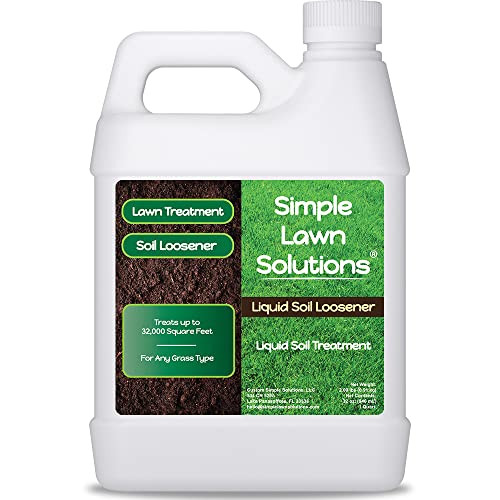
Simple Lawn Solutions Liquid Soil Loosener

Simple Grow Solutions Root Hume Liquid Humic

Simple Grow Solutions Sea Kelp Humic Blend
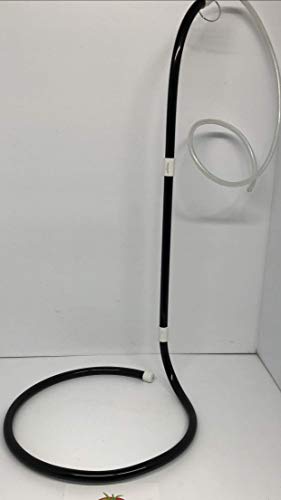
TeaLAB BubbleSnake Compost Tea Aerator

Stateside 64oz 20% Humic Acid Lawn Treatment
Meet The Standout Selections
Hand-pulling cores from compacted clay is the kind of workout that ends a Saturday early, which is exactly the problem this EKIORI tool aims at. Its step-to-eject design means the tines dig, lift, and release the plug in a single motion rather than forcing you to stop and pry cores out by hand.
For homeowners with smaller patches of stubborn ground (think the strip near the driveway or the play zone where the kids run), this is one of the more user-friendly manual approaches on the market. The trade-off is real effort: even with the lever assist, a 1,000 sq ft lawn takes longer than a liquid-only plan would.
Advantages To Know
- Step-to-eject motion clears cores without manual pulling, so you keep a steady rhythm.
- Heavy-duty steel build feels solid underfoot and tolerates hard, dry ground better than hollow-tine rivals.
- Mechanical cores open real channels for air and water rather than only softening the surface.
- No fuel, no cords, no batteries to charge, which is appealing for a one-off annual job.
Trade-Offs To Consider
- Hard, dry soil can make penetration tough; watering the lawn 24 to 48 hours before use is widely recommended.
- Limited reach per step means larger lawns can wear out even an enthusiastic DIYer.
- Storage requires a corner of a garage or shed since the tool is bulky when assembled.
Who It Suits Best
Homeowners tackling small, compacted zones who want a real mechanical aeration pass without renting a machine.
Consider Something Else When
The vanpein 38″ lawn aerator with soil core tray fits better if cleanup during the job is your biggest pain point.
The vanpein tool takes the same hand-pulled core idea and adds a built-in iron tray that catches each plug as it pops out, which sounds minor but changes the experience meaningfully. Instead of stepping over cores or raking afterward, you walk and they accumulate in one container for easy disposal.
For tidy yard keepers who dread the mess of core aeration, this approach removes the most cited reason people skip the chore entirely. The 38-inch handle and flat footplate reduce back strain compared to shorter-handled versions, and a cleaning rod ships in the kit to clear stuck cores mid-job.
Notable Gains
- Integrated tray removes the need to bend, rake, or sweep plugs off the lawn afterward.
- 2mm thick iron body and rust-resistant coating help the tool survive multiple seasons of yard work.
- Long handle plus padded grip cuts the back and knee strain that usually pushes DIYers toward powered rentals.
- Pre-watering tip and cleaning rod bundled in, which saves a trip for accessories.
Less Ideal Details
- Added tray adds weight compared to the EKIORI, so foot fatigue builds faster on big lawns.
- Manual coring still takes real labor; very large yards may call for a liquid treatment instead.
Made For
DIYers who want a cleaner, less messy hand-aeration session on a small to mid-size lawn.
Look Elsewhere When
The EKIORI Manual Core Aerator fits better if your priority is minimizing clogging and weight over the cleanup tray feature.
Liquid soil looseners take the “no equipment, no labor” route by conditioning the soil so moisture moves vertically rather than pooling or running off. Simple Lawn Solutions’ entry is a flexible option that works alone on tired soil or alongside a mechanical aeration pass for stronger results.
You apply it with a hose-end or pump sprayer (the manufacturer notes a four-week lead time before planting new seed), which makes it friendly for large lots or sloped yards where pulling cores would be backbreaking. Yard owners dealing with standing water or slow infiltration often see the most noticeable change.
What Stands Out
- Compatible with any grass type, so you do not need to research cultivar-specific products.
- Doubles as a partner product with core aeration or stands on its own for low-effort maintenance.
- Targets compacted soils and poor drainage directly, which are the root causes of most weak-lawn symptoms.
- Liquid format covers broad areas quickly compared to walking plug-by-plug.
Potential Drawbacks
- Results show up gradually over weeks rather than the instant visual change a core aerator delivers.
- Requires a sprayer you may not own, adding an upfront accessory cost.
The Right Fit
Homeowners with compacted, drainage-prone soil who want a low-labor path to looser earth and stronger roots.
Skip It When
The Stateside 20% Humic Acid fits better if you want a higher-concentration humic product for a large lawn in one go.
Humic acid is the carbon-rich fraction of decomposed organic matter that helps soil hold nutrients and water instead of letting them leach away. Root Hume delivers that ingredient in concentrated liquid form, designed to slot into an existing fertilizer program rather than replace it.
For mixed yards with vegetable beds, citrus, flowers, and turf, this versatility removes the need to stock multiple products. You use it alongside your standard liquid or granular feeding schedule, and it works across grass types like Bermuda, St. Augustine, and Kentucky Bluegrass without compatibility drama.
Positive Takeaways
- Works across grass types and edible plants, which simplifies a mixed-property feeding routine.
- Concentrated humic acid means a little goes a long way per application.
- Plugs into existing fertilizer schedules without forcing a complete feeding overhaul.
Honest Caveats
- Works best paired with fertilizer, so it is not a standalone fix for starved lawns.
- Specific concentration percentages are not listed on the source data, so you may need to calibrate by trial.
Who Should Grab It
Growers juggling lawns and edible beds who want a single organic-conditioner bottle that spans both.
Reach For A Different Pick When
The Simple Grow Solutions Sea Kelp Humic Blend suits you better if you also want seaweed-derived nutrients in the mix.
This blend layers liquid seaweed kelp on top of humic acid, which is a common pairing for lawns coming back from stress like drought, heat, or heavy foot traffic. The kelp component (4% Ascophyllum nodosum from the North Atlantic) brings trace minerals and natural growth stimulants, while the humic acid side feeds soil biology.
For tired turf that needs both a wake-up call and a soil conditioner in one bottle, this saves a step. It mixes easily into a fertilizer program, and a 32-ounce bottle covers a meaningful portion of a typical suburban yard.
The Value In It
- Two soil-building ingredients in one bottle simplify a multi-step feeding plan.
- Sea kelp adds micronutrients that straight humic products do not provide.
- Liquid concentrate mixes readily with standard fertilizer applications.
Small Caveats
- Slight marine scent during application, which some users notice but dissipates quickly.
- Not a substitute for nitrogen-heavy feeding if your lawn is severely nutrient-starved.
Best Suited To
Homeowners reviving a stressed lawn that needs both biology and trace nutrients in a single treatment.
A Better Fit Elsewhere
Simple Lawn Solutions Liquid Soil Loosener suits you better if drainage and compaction are the primary concern rather than nutrient stress.
Compost tea is essentially a liquid brew of beneficial microbes that you feed to soil or leaves, and the brewing process needs serious oxygen to grow the right bacteria. The BubbleSnake drops into a barrel-sized container and, paired with an air pump, sends large bubbles churning through the mix to keep it oxygenated.
For hobbyist growers who already brew compost tea at home, this tool replaces clumsier DIY diffusion setups. It is a focused piece of equipment: simple in concept, easy to clean, and built around a 36-inch-tall barrel footprint with 4 feet of clear vinyl tubing included for the air pump connection.
Where It Helps
- Large-bubble mixing action supports the oxygen-rich environment compost tea needs to brew correctly.
- Sized for standard brewing barrels, so it slots into existing setups.
- Clear vinyl tubing included, removing a separate accessory purchase.
Points To Keep In Mind
- Requires an air pump you supply separately, adding to total project cost.
- Only useful if you are actually brewing compost tea, unlike the other picks that apply directly to a lawn.
Perfect Match For
DIY compost tea brewers who want a reliable, easy-to-clean aerator for barrel-sized batches.
Swap It Out When
The Simple Grow Solutions Sea Kelp Humic Blend makes more sense if you just want a ready-to-spray liquid treatment with no brewing setup.
For large lawns, concentration matters because low-strength products force you to buy and apply jug after jug. This Stateside bottle packs 20% humic acid into 64 ounces, sized to cover up to 10,000 sq ft in a single pass, which is genuinely useful for suburban lots over a quarter acre.
It targets the same goals as the Simple Grow Solutions humic product, but with a higher active concentration and bigger bottle. Compared to the Simple Lawn Solutions Liquid Soil Loosener, this is more nutrient-focused than drainage-focused, so the right pick depends on which problem shows up first in your yard.
Features That Help
- 20% humic acid concentration, which is notably stronger than many consumer-grade competitors.
- 64-ounce bottle sized to cover larger yards without multiple refills mid-application.
- Soil-conditioning focus that pairs with any existing fertilizer plan for layered benefit.
Things To Weigh
- Concentrate needs careful dilution; over-application can darken turf temporarily.
- Specific N-P-K values are not listed in the source data, so you will want to verify if your feeding program requires those.
Whose Shelf It Belongs On
Homeowners with larger yards who want a high-concentration humic treatment that covers serious square footage in one bottle.
Another Choice May Suit
The Simple Lawn Solutions Liquid Soil Loosener is a smarter pick if standing water and compaction are bigger problems than fertility.
Picking The Right Liquid Aeration Strategy For Your Yard
Start with the actual problem before reaching for any product. If water sits on the lawn after rain or the ground feels rock-hard underfoot, a liquid soil loosener attacks compaction directly without requiring labor. Drainage issues and tight clay both respond well to that approach, and you can layer a humic acid product on top for long-term soil biology benefits.
For yards with thin or worn patches where grass already struggles to root, humic and seaweed blends feed the biology that supports thicker turf. They work alongside your existing fertilizer routine rather than replacing it, so plan on continued feeding. Mechanical core aerators pair well with these liquids: pull cores first, then apply the liquid to drive moisture deeper through the openings.
Reader profile matters too. A small urban lawn with one compacted corner does not justify the same investment as a half-acre suburban lot. Manual tools make sense for spot treatment, while liquids scale better across broad areas. If you compost at home and already brew tea, a dedicated aerator pays for itself in microbial-rich applications.
Key Considerations Across These Picks
Mistakes Worth Dodging
Treating compacted soil with fertilizer alone is the most common slip up, since nutrients cannot reach roots through tight earth. Aerate or condition first, then feed. Another trap is buying concentrated humic acid without a working sprayer, since application method matters as much as the product itself.
Where The Extra Money Goes
Higher-tier picks earn their keep through concentration and coverage. A 20% humic bottle covers a large yard in a single jug, while lower-strength alternatives demand multiple refills and more frequent applications. Mechanical aerators with clog-free systems save labor that adds up over multiple sessions, which is where the price difference shows up in practice.
Frequently Asked Questions
How often should liquid aerations be applied during the growing season? Most liquid soil conditioners work best with two to four applications per year, timed around spring green-up and fall root growth. Always follow the specific product’s label directions, since concentration and grass type affect timing.
Can liquid aerations replace mechanical core aeration entirely? For lawns with mild compaction, liquids often do the job on their own. Heavily compacted or thatch-choked yards usually see better results when you pull cores first and then apply the liquid, letting it penetrate through the openings.
Are these products safe for kids and pets after application? Most liquid soil conditioners are safe once dry, though the specific dry time varies by product. Keep pets and children off treated areas until the surface dries fully, and re-rinse paws if you have concerns.
Do liquid aerations work on any grass type? Several picks in this roundup, including the Simple Lawn Solutions Liquid Soil Loosener, list compatibility across grass types like Bermuda, St. Augustine, and Fescue. Check each product’s compatibility list before treating a less common cultivar.
What equipment do you need to apply liquid aerations? A pump sprayer or hose-end attachment covers most situations. Backpack sprayers speed up the job on larger lots, and a simple watering can works for very small garden beds.
Wrap Up
Liquid aerations earn their spot in a lawn care routine because they solve the soil problem that fertilizer alone cannot. Match the format to your yard size and your tolerance for labor, and pair liquids with mechanical aeration when the soil is truly compacted. Any of these seven picks will move you closer to looser, better-draining soil and a thicker root system underneath your grass.
