

St. Augustine grass runs thick and broad-bladed through southern yards, and it drinks up nitrogen like nobody’s business during the long growing season. Liquid feeding delivers nutrients straight through the blade and root zone, so you’ll see color lift faster than with dry granules alone. The trick is matching NPK ratios and application style to your lawn’s stage, soil, and how much hand-holding you want from the bottle.
A Fast Comparison Of The Options
A Fast Comparison Of The Options

Jonathan Green Veri-Green Southern Weed and Feed Fertilizer 5,000 Sq Ft

Sunday Lawn Kickstart Liquid Lawn Fertilizer 2 Pack + Sprayer

PetraMax Neighbor’s Envy 7-in-1 Liquid Lawn Fertilizer 1 Gallon
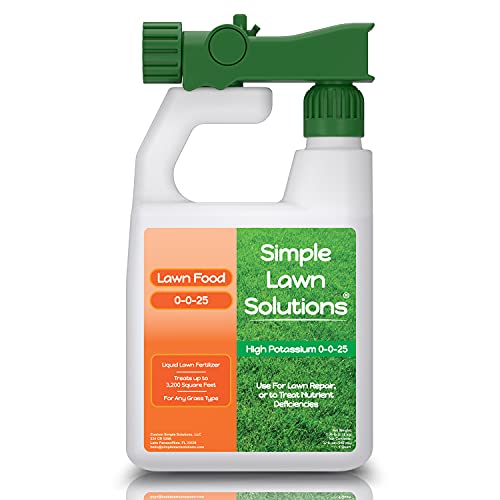
Simple Lawn Solutions High Potassium Lawn Food 0-0-25 (32 oz)

Scotts Liquid Green Max Lawn Food 32 oz

Slow Release Lawn Fertilizer 25-5-10 NPK 20kg Bag
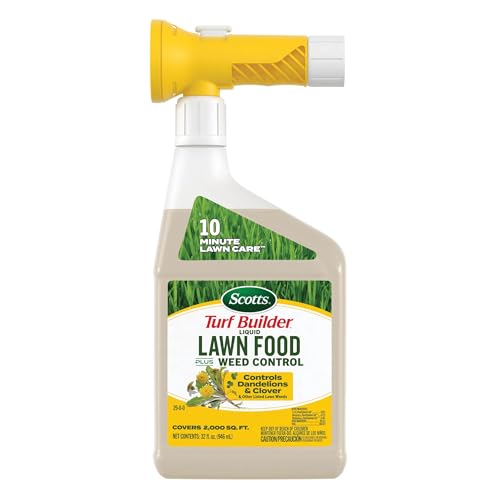
Scotts Turf Builder Liquid Lawn Food Plus Weed Control 32 fl. oz.

Scotts Liquid Green Max Lawn Food 32 fl. oz.
The Picks, Examined More Closely
Jonathan Green’s Veri-Green Southern blend is built for warm-season turf, with St. Augustine, Bermudagrass, Zoysiagrass, and Centipede all listed as compatible. A 30-0-3 NPK ratio (the three numbers tell you the percent of nitrogen, phosphorus, and potassium by weight) feeds thick topgrowth while the post-emergent herbicide tackles broadleaf invaders. For a homeowner fighting dollarweed and clover at the same time they’re trying to green up, that combo saves a separate spraying pass.
Coverage stretches to 5,000 square feet, which suits a typical suburban yard without leaving you with a half-used bag. The formula targets actively growing weeds, so timing matters: apply in spring or fall when temperatures stay mild and weeds are moving. Sod laid about a month earlier can also be fed, provided you follow label directions carefully.
Advantages To Know
- Combined feeding and weed control cuts down on separate applications, a real time-saver during a busy spring.
- Tailored to southern soils, so St. Augustine and other warm-season grasses stay on the recommended list.
- Covers a wide range of broadleaf weeds including dollarweed and clover, which often take over thin St. Augustine patches.
- 30-0-3 NPK pushes rapid greening, useful when the lawn looks washed out after a cool stretch.
Things To Consider
- It’s a granular weed-and-feed rather than a true liquid, so application requires a spreader and post-application watering.
- Post-emergent herbicides work on weeds that are present now, so preventive pre-emergent timing still belongs in your spring plan.
Quick Facts
Built With In Mind
Southern homeowners with established St. Augustine lawns who want to feed and fight weeds in the same pass.
Swap It Out When
Pick the Sunday Lawn Kickstart instead when you prefer a pure liquid feeding with no herbicide component.
Sunday’s Kickstart arrives as a multi-pack of liquid nutrients paired with a hose-end sprayer, so there’s no measuring or guesswork. The 22-0-2 NPK blend leans heavily on nitrogen for visible green-up, with iron and potassium supporting deeper roots and stronger color recovery. For homeowners who have never fed with a liquid before, that hose-end sprayer removes a major barrier.
Compared with the Jonathan Green granular above, this pick trades weed control for convenience. You’re applying a feed-only formula, which keeps the schedule flexible and avoids the herbicide timing constraints that come with weed-and-feed blends. The two-pack format also means a second feeding is already in the garage when the first runs out.
What Pays Off
- Includes a hose-end sprayer, so first-time liquid feeders avoid buying extra equipment.
- Multi-pack design covers multiple feedings across a growing season without reordering.
- 22-0-2 NPK with iron supports both greening and stress recovery after summer heat.
Points To Keep In Mind
- No weed control built in, so dollarweed or clover problems need a separate product.
- Hose-end sprayers tend to be single-purpose for the included bottle, so reusing it on other liquids may require a quick rinse between sessions.
Who Will Love This
New liquid-feed users who want a turnkey kit with nutrients and applicator in one box.
Reach For A Different Pick When
Choose PetraMax Neighbor’s Envy when you’d rather mix a concentrate and cover a much larger yard from one jug.
PetraMax’s Neighbor’s Envy combines seven inputs, including nitrogen, iron, humic acid, and sea kelp, into a single gallon jug rated for up to 16,000 square feet. The “7-in-1” label isn’t just marketing shorthand: each ingredient targets a different stress point, from color to root depth to drought tolerance. For a St. Augustine lawn that’s been fighting sandy soil and patchy color, the layered formula tends to show results over a full season rather than overnight.
Where Sunday’s Kickstart is a plug-and-play sprayer system, Neighbor’s Envy is a concentrate that you dilute. That extra step rewards homeowners willing to mix their own batch, especially when feeding larger lots or multiple feeding cycles from one container. Coverage per gallon compares favorably with most liquids on the market.
Notable Gains
- Multi-ingredient formula targets color, root depth, and stress tolerance at once.
- Single gallon covers up to 16,000 sq ft, useful for big yards or repeat applications.
- Sea kelp and humic acid add biological support that plain NPK concentrates skip.
Possible Compromises
- Concentrate format requires measuring and a separate pump or hose-end sprayer, an extra step compared with ready-to-spray bottles.
- Multiple active ingredients mean slower visible response than a pure nitrogen-and-iron booster like Scotts Green Max.
Made For
Owners of larger St. Augustine lawns who want a single jug to cover multiple feeding rounds.
Consider Something Else When
Pick Simple Lawn Solutions 0-0-25 instead if your lawn’s main issue is summer stress or disease pressure rather than color.
Simple Lawn Solutions takes the opposite route from the high-nitrogen picks above: a 0-0-25 NPK ratio means no nitrogen at all and a heavy potassium load. Potassium is the nutrient that drives root strength, drought tolerance, and overall plant hardiness, which is exactly what St. Augustine needs heading into late summer stress or fall dormancy prep. The 32-ounce concentrate sprays through a standard hose-end applicator.
This isn’t a year-round feed. The honest read is that pairing it with a separate nitrogen source earlier in the season gives you the best of both, color now and resilience later. Used on its own, expect turf firmness and recovery speed to improve while visible green-up stays moderate.
Strong Points
- High potassium concentration targets stress tolerance during the toughest summer weeks.
- Works on any grass type, so it doubles as a versatile shelf product for mixed lawns.
- Functions as a stand-alone feed or as a supplement to an existing schedule.
Honest Caveats
- No nitrogen means limited color boost, so visual results look subtle compared with green-up products.
- 32-ounce bottle covers a smaller footprint than gallon concentrates, which means reordering more often on large yards.
Best Suited To
Homeowners prepping St. Augustine for summer heat or fall dormancy who already have a nitrogen plan in place.
Look Elsewhere When
Choose the Slow Release 25-5-10 granular instead if you want one product that handles both greening and long-term feeding.
Scotts Liquid Green Max is built around a fast-acting nitrogen and iron blend designed to push visible greening in roughly three days. The dual-nutrient formula functions as both a fertilizer and an iron supplement, which is why the color lift tends to look richer than nitrogen-only feeds. For a homeowner with a backyard event on the calendar or a listing photo shoot coming up, that quick turnaround matters.
Spraying a 2,000 sq ft lawn takes about ten minutes once the bottle is hooked up, so the time cost stays low. The format is a 32-ounce bottle that connects to a standard garden hose, no mixing required. Compared with the PetraMax concentrate, you trade long-term soil support for visible speed.
What Helps Most
- Iron and nitrogen combo delivers visibly deeper green color in days rather than weeks.
- Hose-end bottle design means no measuring or separate sprayer to clean.
- Works on any grass type, so it’s a flexible product for mixed southern lawns.
Details To Watch
- Fast greening fades relatively quickly, so repeat applications every few weeks are common.
- Iron can stain concrete and walkways if overspray lands and isn’t rinsed promptly, a maintenance detail worth noting.
Right Fit For
Homeowners who want a visible color boost before a gathering, open house, or seasonal photo.
Not Your Match When
Pick PetraMax Neighbor’s Envy instead if you’d rather invest in long-term turf health than rapid color shifts.
This 25-5-10 NPK granular from Eco Solutions leans on 65 percent slow-release nitrogen, so a single feeding continues releasing nutrients for up to 110 days. The 20 kg bag (about 44 pounds) is sized for serious coverage and multi-application use across a full growing season. It’s not a liquid, but it earns a place on a St. Augustine shortlist as the foundation feeding program that liquids can supplement.
For homeowners who want fewer feedings per year, the slow-release design reduces the number of times you walk behind a spreader. Pet- and kid-safe labeling also matters in yards where the lawn doubles as a play space. Pairing this with a periodic liquid boost like Scotts Green Max delivers both steady nutrition and quick color pops.
Points In Its Favor
- Slow-release nitrogen feed extends up to 110 days, dramatically cutting repeat applications.
- 20 kg bag covers large properties or a full season of feedings without running out.
- Kid and pet safe labeling fits households where the lawn is a daily play surface.
Small Caveats
- Granular format requires a broadcast or drop spreader, plus post-application watering to activate.
- Greening shows up more slowly than liquid feeds because nitrogen releases gradually over weeks.
Perfect Match For
Owners managing large St. Augustine lawns who want fewer feeding rounds per season.
A Better Fit Elsewhere
Pick Sunday Lawn Kickstart instead if you want a liquid option you can apply without a spreader.
Scotts Turf Builder Liquid combines feeding and broadleaf weed control in a single hose-end bottle, similar in spirit to the Jonathan Green granular that opened this list but in liquid form. Covering a 2,000 sq ft lawn in roughly ten minutes makes it a practical mid-summer option when weeds and patchy color show up at the same time. The convenience factor is real for homeowners who don’t want to schedule separate spray days.
One honest note: most weed-control labels list cool-season grasses among the safer targets, so warm-season St. Augustine owners should verify label compatibility before spraying the whole yard. A small test strip first can save a lot of regret.
Useful Touches
- Single application feeds turf and tackles broadleaf weeds in one pass.
- Hose-end bottle cuts spray time to roughly ten minutes for a 2,000 sq ft lawn.
- Fits busy homeowners who’d rather do one job than two.
Worth Bearing In Mind
- Herbicide compatibility with St. Augustine varies by label, so check warm-season approval before full-yard application.
- Liquid weed control products tend to need reapplication if weeds are well-established.
Who Should Grab It
Homeowners with mixed-grass lawns where broadleaf weeds and patchy color need solving together.
Another Choice May Suit
Pick the Jonathan Green Veri-Green Southern blend if your lawn is firmly St. Augustine and you want a label specifically approved for warm-season turf.
This second Scotts Liquid Green Max listing carries the same nitrogen-and-iron fast-acting formula as pick five, with a reusable hose applicator included in the package. That applicator detail is worth noting: you keep the sprayer between bottles, so ongoing cost stays lower than buying disposable hose-end units each cycle. Color lift still shows up in roughly three days on St. Augustine.
For a homeowner planning repeat feedings through summer, the reusable applicator turns this into a routine option rather than a one-off event product. Iron overspray on concrete still calls for prompt rinsing, so the same maintenance caution applies as with the smaller bottle.
Everyday Advantages
- Reusable applicator lowers the per-feeding cost across a full season.
- Same fast greening profile as the smaller Green Max bottle for consistent results.
- Hook-and-spray setup keeps a typical feeding under 15 minutes.
Factors To Consider
- Color boost fades within weeks, so this works best as part of a recurring summer schedule.
- Iron staining on hardscape remains a concern if overspray isn’t rinsed right away.
The Right Fit
Homeowners planning repeat summer feedings who want a reusable applicator rather than disposable bottles.
Skip It When
Choose Simple Lawn Solutions 0-0-25 instead if your lawn needs potassium-driven stress support rather than quick greening.
What Matters When Picking A St. Augustine Liquid Feed
NPK ratio is the first filter. Nitrogen drives the thick green color St. Augustine is loved for, phosphorus supports root establishment in newer lawns, and potassium hardens the plant against heat and disease. For an established southern lawn, look for a nitrogen-forward ratio during the active growing months and consider a potassium-heavy supplement before summer stress peaks.
Application format shapes your routine more than people expect. Hose-end bottles are the lowest-friction option: connect, spray, disconnect. Concentrates require measuring and a separate pump sprayer, but they usually cost less per square foot and let you adjust dilution. Granular slow-release products trade convenience for longevity, often feeding for three months at a stretch.
Coverage and bottle size should match your lawn’s square footage. A 32 oz hose-end bottle typically handles around 2,000 sq ft per application, while a gallon concentrate can stretch to 16,000 sq ft depending on dilution. Buying more than you need invites storage issues; buying less means reordering mid-season.
Watch for weed control included in the formula. Two-in-one products save time but require label-checking for warm-season grass compatibility. Pure feeds keep the schedule flexible and avoid herbicide timing constraints, which matters when you want to feed during windows when weeds aren’t actively growing.
Key Considerations Across These Picks
Where Shoppers Go Wrong
Matching a cool-season formula to a warm-season lawn is the most common error here. St. Augustine tolerates a narrower range of herbicide active ingredients than fescue or Kentucky bluegrass, so any feed-plus-weed product should explicitly list warm-season turf on the label. Skipping that check is how lawns get burned in midsummer.
Another slip-up is treating liquid fertilizer like a one-time fix. Nitrogen-only feeds show fast color but fade within weeks, so a single bottle rarely carries a lawn through a full southern growing season. Plan on repeat applications or pair a quick liquid with a slow-release granular for steadier results.
What Separates Premium From Basic
The higher-priced picks in this category usually add secondary ingredients, like humic acid, sea kelp, or chelated iron, that improve nutrient uptake and soil biology over time. Cheaper bottles often rely on urea-based nitrogen alone, which works but doesn’t feed the soil ecosystem the way a multi-ingredient formula does.
Reusable applicators and larger bottle sizes also push prices up while lowering the per-application cost. For homeowners feeding the same lawn multiple times per year, that trade usually pays for itself within a season or two.
Frequently Asked Questions
How often should liquid fertilizer be applied to St. Augustine grass?
A typical liquid nitrogen feed on St. Augustine is applied every four to six weeks during the active growing season, with potassium supplements added before peak summer stress. Soil type and existing turf density can shift that window a week or two in either direction.
Can you spray liquid fertilizer on wet grass?
Most liquid labels recommend applying to a dry or lightly damp lawn so the product absorbs through the blade rather than running off. Watering in after application is usually fine and helps move nutrients toward the root zone.
Is iron safe for St. Augustine lawns?
Iron is widely used on St. Augustine to deepen color without pushing top growth, and most chelated iron products are well tolerated. Avoid letting iron spray dry on concrete or stone, since cleanup gets harder once it sets.
Do liquid fertilizers work as well as granular on St. Augustine?
Liquids deliver faster visible results through foliar uptake, while granulars feed the root zone more slowly and last longer. Many homeowners combine both: a granular base feeding supplemented by periodic liquid color boosts.
When should you stop feeding St. Augustine before winter?
In most southern regions, stop nitrogen-heavy feeding about six weeks before the first expected frost so the lawn hardens off rather than pushing tender new growth into cold weather. Potassium supplements can continue slightly later to support root reserves.
The Takeaway
The right liquid fertilizer for St. Augustine grass depends on what your lawn actually needs this season: quick color, deep stress support, or a routine feeding rhythm. Match the NPK ratio to your lawn’s stage, pick an application format you’ll actually use, and read the label for warm-season grass approval before anything with herbicide in the mix.
