

Watermelons are greedy feeders, and the wrong feed leaves you with sprawling green vines and disappointingly small fruit. You spend all summer watering, pollinating, and watching, only to crack open a melon the size of a softball. The fix usually comes down to a steady, well-timed liquid feeding routine matched to your soil and the variety you’re growing. This lineup pulls together eight liquid fertilizers that pair well with home watermelon patches, covering organic fish emulsions, balanced synthetics, and slow-release options that fit smaller plots. Each entry is built around a specific gardening scenario so you can match the right bottle to your bed without guessing at NPK ratios in the heat of July.
The Lineup, Simplified

Gardenwise 20-20-20 Water-Soluble Fertilizer 8 oz

Organic Fish Fertilizer for Vegetable Garden, 1 Gallon

True Organic All Purpose Liquid Plant Food 16oz NPK 3-2-2

True Organic Liquid All Purpose Plant Food 32 fl. oz.
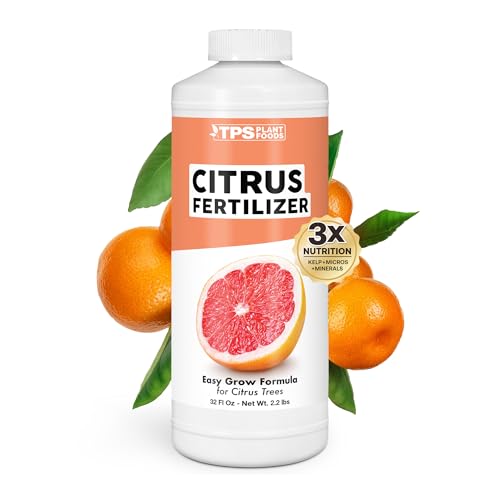
TPS Nutrients Citrus Fertilizer Liquid Plant Food 32oz

FoxFarm Happy Frog Citrus and Avocado Fertilizer 4 lb

Great Big Tomatoes Fertilizer Booster 32 Ounce

TPS Nutrients Fish Emulsion Fertilizer 8 oz
A Breakdown Of The Leading Choices
A balanced 20-20-20 powder gives watermelon vines equal shares of nitrogen, phosphorus, and potassium. The equal ratio suits gardeners who haven’t run a soil test and want a safe default across vegetative growth and fruit set. In a home plot where melons share space with peppers, beans, and herbs, that versatility tends to matter more than a specialized formula.
The powder format dissolves quickly in a watering can or a hose-end sprayer, so a single 8-ounce container stretches across many feeding sessions. It suits small raised beds and first-time melon growers who want predictable results without committing to a rigid schedule.
A Few Strong Suits
- The equal NPK ratio reduces the guesswork when soil conditions are unknown.
- Water-soluble powder mixes cleanly, leaving no gritty residue at the bottom of the can.
- One container feeds multiple garden beds through the growing season.
- Works across ornamentals and edibles, which helps gardeners juggling mixed plantings.
Points To Note
- A synthetic blend won’t support soil biology the way organic options do.
- Watermelons at the fruit-setting stage often need a lower-nitrogen feed to avoid vine-heavy plants with small fruit.
Who It Suits Best
Beginner melon growers and mixed vegetable beds benefit from the forgiving, equal-ratio formula.
Where Another Pick Suits Better
Organic-minded gardeners get more from Organic Fish Fertilizer, which feeds soil life alongside the vines.
This one-gallon jug leans into the slow, soil-building approach that organic gardeners favor. The Grow Co uses a cold-pressed process that preserves amino acids and micronutrients often lost in higher-heat extraction methods. Over a long watermelon season, that gentler feed tends to keep vines growing steadily without the bursts of tender growth that attract aphids.
The bulk size pays off for gardeners tending larger plots or several raised beds. Once diluted, a single gallon covers weeks of routine feeding for a small homestead-style garden.
What Works In Its Favor
- Cold-pressed processing retains nutrients that heat-extracted emulsions lose.
- One gallon covers multiple beds, lowering the per-application cost.
- Feeds soil microbes alongside the plant, building long-term fertility.
- Suitable for vegetables, fruits, and flowers in one routine.
- Sustainably sourced fish reduces waste from processing streams.
Honest Caveats
- The smell is noticeable during application and lingers for a few hours.
- A full gallon jug is heavy and harder to handle for gardeners with mobility concerns.
- Lower nutrient concentration means more frequent feeding than synthetic options.
Key Specs
Built With In Mind
Organic gardeners with medium-to-large plots and a tolerance for the earthy smell get the strongest return from this feed.
Skip It When
Small-space growers who only need a few doses should reach for TPS Nutrients Fish Emulsion Fertilizer 8 oz instead.
True Organic’s 16-ounce bottle is one of the few liquids on this list with OMRI listing, meaning it meets organic certification standards for food-growing operations. The 3-2-2 NPK is gentle by design, prioritizing soil biology over rapid green growth. That makes it a smart match for watermelon growers who compost regularly and want to nudge vines along without forcing them.
The smaller bottle fits neatly on a potting bench and ships light, which matters for apartment gardeners carrying supplies up stairs. It’s also a tidy option for raised beds where every square foot counts.
Good Reasons To Consider
- OMRI-listed formula suits certified-organic food gardens.
- Low NPK supports soil microbes rather than pushing leafy growth.
- Compact 16-ounce bottle suits small gardens and indoor shelves.
- Farm-grade ingredients echo the same blends used by commercial organic growers.
Some Limits To Know
- The mild nutrient ratio means frequent applications during fruiting.
- Smaller bottle raises the per-ounce cost versus the 32-ounce sibling.
The Right Fit
Organic-focused gardeners with small raised beds and steady compost routines get reliable results from this gentle feed.
Look Elsewhere When
Growers managing larger plots should consider True Organic Liquid All Purpose Plant Food 32 fl. oz. for better value per dose.
The 32-ounce sibling to the 16-ounce bottle doubles down on coverage with the same OMRI-listed standards. The blend mixes soy protein hydrolysate, fish solubles, and kelp extract, layering slow and fast nutrients for watermelon vines from transplant through fruit fill. Soy hydrolysate, in particular, delivers amino acids that support root development in young vines.
The label claims roughly 60 square feet of coverage, which lines up well with a mid-sized raised bed or a dedicated melon row. For gardeners who already trust True Organic’s smaller bottle, this larger version keeps the routine consistent while cutting down on reordering.
Positive Points
- Multi-ingredient blend supports both roots and fruit simultaneously.
- Doubles the volume of the 16-ounce version at a lower per-ounce cost.
- Coverage estimate of around 60 square feet suits typical backyard melon patches.
- Suitable for indoor and outdoor use across edible and ornamental beds.
- Carries the same organic certification as the smaller sibling.
Trade-Offs
- Bulk liquid requires storage space in a shed or garage.
- Fish component produces a mild odor during mixing.
Key Specs
Best Suited To
Mid-to-large organic vegetable plots run by gardeners who want one jug to handle the full season of feeding.
Consider Something Else When
Container gardeners with limited bench space may find the 16-ounce True Organic bottle easier to store.
TPS designed this blend for citrus, but the nutrient profile translates to fruiting vines in general. Watermelon plants share citrus’s need for potassium during fruit swell, so the formula often pulls double duty in mixed gardens. The 32-ounce bottle keeps dilution ratios simple for repeat applications.
Growers who keep citrus trees near their vegetable patch can use one bottle across both crops. For watermelon specifically, the potassium lean supports sugar development in the ripening stage, which is where flavor is won or lost.
Where It Delivers
- Potassium-forward formula supports fruit swell and sugar development.
- Doubles as a feed for nearby citrus, simplifying inventory.
- Liquid format absorbs quickly into soil and through foliar sprays.
- 32-ounce bottle suits both potted trees and outdoor vegetable rows.
Worth Bearing In Mind
- Citrus-specific tuning means early-season nitrogen may run light for leafy vine development.
- Not a complete solution for gardeners without citrus nearby.
Whose Shelf It Belongs On
Gardeners juggling citrus trees and watermelon vines benefit from one shared feeding routine.
A Better Fit Elsewhere
Pure vegetable gardeners get a more balanced NPK from Gardenwise 20-20-20 Water-Soluble Fertilizer 8 oz.
FoxFarm’s Happy Frog stands apart from the liquids on this list with a granular, slow-release format. Calcium and sulfur support fruit firmness and plant resilience, while slow-release nitrogen steadies growth over weeks rather than days. The added mycorrhizal fungi (beneficial soil organisms that form partnerships with plant roots) help young watermelon transplants establish faster root networks.
The 4-pound bag suits gardeners who prefer mixing dry amendments into transplant holes or side-dressing along vine rows. Used as a soil amendment rather than a foliar feed, it complements liquid routines rather than replacing them.
What It Does Well
- Slow-release nitrogen prevents the feast-or-famine growth pattern of quick feeds.
- Mycorrhizal fungi boost root efficiency in transplanted seedlings.
- Calcium supports fruit firmness and reduces blossom-end issues.
- OMRI-listed formula fits organic garden plans.
Practical Considerations
- Granular format takes longer to act than liquid options during the season.
- Best applied at planting or as a side-dress, which adds an extra step.
- Citrus-specific tuning means supplemental nitrogen may be needed for vine growth.
Key Specs
Right Fit For
Long-season gardeners who mix dry amendments at planting and follow up with liquid feeds get the best results.
Reach For A Different Pick When
Growers wanting a single bottle for the whole season should stay with True Organic Liquid All Purpose Plant Food 32 fl. oz.
The name says tomatoes, but heavy-feeding vines behave the same way, so this booster often shows up in melon patches. The liquid flows directly to the root zone, making soil-bound nutrients plant-available faster than dry alternatives. Gardeners commonly report bigger fruit on heavy-feeding crops after a few weeks of routine use.
The 32-ounce bottle matches a typical backyard tomato-and-melon garden for the full summer. For watermelon, it pairs well with a baseline feeding routine, applied as a mid-season boost when vines start running.
Key Advantages
- Liquid format delivers nutrients directly to the root zone.
- Functions as a mid-season booster for hungry vine crops.
- 32-ounce size covers both tomatoes and melons in mixed beds.
- Designed around heavy-feeding crops with similar nutrient demands.
Things To Weigh
- Brand framing targets tomatoes, so watermelon growers should track results themselves.
- Works best alongside a baseline fertilizer rather than as a sole feed.
Who Should Grab It
Garden splitting space between tomato beds and watermelon vines gets the most mileage from this dual-purpose booster.
Where A Sibling Pick Shines
Organic-only gardens should reach for Organic Fish Fertilizer for a feed that matches strict certification rules.
The 8-ounce bottle from TPS Nutrients is the smallest option on this list, and that size is genuinely useful. New gardeners often overbuy fertilizer and end up with half-used jugs going stale in the shed. This format lets you trial a fish emulsion routine on a single container or small bed before committing to a larger jug.
As a mid-season pick-me-up for vines that look pale or stalled, a small bottle covers a few targeted feedings without waste. It’s also a practical backup to keep on hand when the main fertilizer runs out unexpectedly.
The Value In It
- Compact size suits trial runs on a single raised bed.
- Fish emulsion supports foliage and root strength in one feed.
- Small bottle stores easily on a balcony or in a closet garden shelf.
- Useful as a mid-season rescue feed for pale or stalled vines.
- Lower commitment than gallon-size alternatives.
Small Caveats
- Limited volume means more frequent reordering for larger plots.
- Same fish smell as larger emulsions, with less volume to dilute the impact.
Key Specs
Who Will Love This
First-time watermelon growers and apartment gardeners get a manageable entry point without committing to a gallon jug.
Not Your Match When
Growers managing multiple full-size beds save more per dose with The Grow Co’s one-gallon fish emulsion.
Picking The Right Feed For Your Melon Patch
Watermelons reward a layered feeding strategy more than a single magic bottle. Start by reading what your soil already provides through a basic home test, which reveals the nutrient gap you actually need to fill rather than guessing at the bottle. Once you know the baseline, match the NPK ratio to the growth stage: higher nitrogen for vine and leaf development early on, then a potassium-forward feed once fruit sets and starts to swell. Organic options feed soil biology alongside the plant, while synthetic concentrates push growth faster but skip the microbial benefits.
Container-grown melons need diluted feeds since restricted root zones can’t buffer nutrient spikes the way open soil does. In raised beds with decent compost, lighter applications every two weeks outperform heavy weekly doses that risk salt buildup. Gardeners in short-season zones should focus liquid feeds around transplant and fruit-set rather than spreading them thin across a long calendar. Watermelons also dislike dry fertilizer contact with stems, so always water soil before applying and rinse leaves if foliar feeding runs late in the day.
Key Considerations Across These Picks
Where Shoppers Go Wrong
Overbuying large jugs before testing how a routine fits your garden is one of the easiest mistakes to make. Small bottles like TPS Nutrients Fish Emulsion Fertilizer 8 oz let you build confidence without waste. Ignoring the soil test result and grabbing whatever is on hand leads to overfeeding one nutrient while another stays short. Choosing a citrus formula for a vegetable-only patch also skews the nutrient balance toward fruit-set timing your melons may not need.
When Paying More Pays Off
Premium-priced liquids like Organic Fish Fertilizer from The Grow Co earn the cost through cold-pressed processing and gallon-size value. The added amino acids and micronutrients show up in vine vigor over a full season. OMRI-listed blends like True Organic also pass strict sourcing reviews, which matters for gardeners selling produce or maintaining certified-organic plots. When soil biology is part of your long-term plan, the upgrade from synthetic concentrates pays back across seasons rather than weeks.
Frequently Asked Questions
How often should liquid fertilizer be applied to watermelon plants?
A two-week schedule during vegetative growth shifts to weekly feeds once fruit sets, depending on soil richness and weather. Hot, sandy soils often need more frequent diluted applications than heavy clay beds.
Can fish emulsion fertilizer burn watermelon roots?
Diluted properly, fish emulsion is gentle on watermelon roots and rarely causes burn. Strong, undiluted concentrate sitting on roots in dry soil can stress young plants, so always mix according to label directions and water the bed first.
Is organic fertilizer better than synthetic for watermelons?
Organic feeds build soil biology over time and release nutrients more slowly, which suits long-season vines. Synthetic concentrates push faster growth but skip the microbial support, so the better choice depends on whether you value quick results or long-term soil health.
When should I stop fertilizing watermelon plants?
Most gardeners taper off liquid feeding two to three weeks before the expected harvest date to let vines concentrate sugars in the fruit. Late-season nitrogen can also spur new vine growth that diverts energy from ripening melons.
Do container-grown watermelons need different fertilizer than in-ground plants?
Container melons benefit from diluted feeds applied more often since limited root volume can’t buffer nutrient swings the way garden soil does. A weekly half-strength dose often outperforms a stronger biweekly schedule in pots.
Closing Remarks
The best liquid fertilizer for watermelon is the one that matches your soil, your plot size, and the time you can actually spend feeding through the season. Start with a soil test, pick a bottle that fits the growth stage you’re heading into, and adjust as the vines tell you what they need. A steady, well-timed routine consistently beats a heroic one-time feeding, no matter which product you reach for.
