

You want a garden that actually thrives without dousing it in synthetic chemicals, and the liquid organic fertilizers on this shortlist get the job done with ingredients you can actually trace back to a farm or a seaweed bed. The category has matured well beyond its fishy-smelling reputation, with balanced NPK ratios, low-odor formulations, and concentrates that stretch further than most shoppers expect. Whether you tend a windowsill of pothos or a backyard full of tomatoes, the right liquid feed turns pale leaves into glossy, resilient growth.
How The Shortlist Stacks Up

Alaska Fish Fertilizer 5-1-1
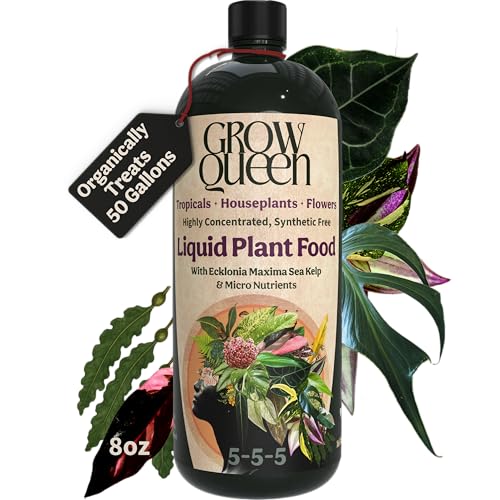
Grow Queen Organic 5-5-5 Liquid Fertilizer

The Grow Co Organic Fish Fertilizer 1 Gallon

Espoma Organic Grow! Liquid Plant Food

Miracle-Gro Organic Plant Food 32 oz

Back to the Roots Indoor Plant Food 16oz

True Organic All Purpose Liquid 16oz

True Organic Liquid All Purpose 32oz
The Details Behind The Selections
Alaska’s 5-1-1 fish emulsion has earned its reputation over decades, and the current OMRI-listed version keeps that legacy intact for organic-focused gardeners. The NPK ratio of 5-1-1 means nitrogen leads the charge, which matters for leafy vegetables and lawn greening, while phosphorus and potassium play quieter supporting roles in root and flower development.
You dilute it into your watering can and feed plants throughout the season without worrying about burn, since the formulation leans gentle. Outdoor growers with raised beds, tomato patches, or berry bushes will get the most out of this profile. If your collection leans mostly toward tough foliage plants in dim apartments, the heavier nitrogen may not be your best match.
Strong Points
- OMRI listing confirms compliance with organic gardening standards
- Time-tested formulation trusted by generations of home growers
- Low burn risk makes repeat feeding forgiving on tender roots
- Affordable entry point for gardeners just starting with organic feeds
Things To Consider
- The classic fish scent lingers for a few hours after each application
- The bottle needs cool, dark storage to preserve potency between feedings
Feature Snapshot
Who It Suits Best
Vegetable gardeners and outdoor bed growers who want a dependable, no-fuss organic feed that handles repeat applications without burning tender roots.
Look Elsewhere When
Back to the Roots Indoor Plant Food is a better fit for apartment growers with strict low-odor requirements, since the Alaska version carries that unmistakable fish fragrance.
Grow Queen built this 5-5-5 liquid specifically for the indoor crowd, and the equal nitrogen, phosphorus, and potassium split makes it unusually versatile across houseplants. The 8-ounce bottle treats up to 50 gallons of mixed solution, which stretches further than most concentrated feeds in the same shelf footprint.
You can use it on tropicals, foliage plants, and standard potted houseplants without juggling separate bottles per plant type. The included sea kelp adds trace minerals that greener leaves tend to crave in low-light indoor settings. Most windowsill collections will see results within a few weekly feedings, though you may want to ease in if your plants came from a low-nutrient background.
Practical Pluses
- Balanced 5-5-5 ratio fits multiple houseplant categories at once
- One 8-oz bottle covers up to 50 gallons of mixed feed
- Sea kelp adds micronutrients often missing from basic NPK feeds
- Liquid format dissolves cleanly with no gritty residue in the pot
- Gentle enough to feed weekly without stressing delicate roots
Worth Noting
- 8 oz is small for anyone feeding a balcony full of containers
- The mild seaweed note may bother very scent-sensitive users
Made For
Houseplant parents with mixed tropicals and foliage who want one bottle that covers everything on the windowsill.
Where Another Pick Suits Better
Alaska Fish Fertilizer is the better match for outdoor vegetable beds, where its nitrogen-leaning profile drives the leafy growth gardeners actually harvest.
The Grow Co’s gallon jug targets gardeners who measure fertilizer in watering cans rather than teaspoons, and the cold-pressed production method aims to keep the nutrient profile intact. Where Alaska’s classic 5-1-1 leads with nitrogen, this one’s broader nutritional claim covers fruits and flowers alongside vegetables, which makes the jug format worthwhile for big plots.
You mix it into a larger volume and feed the whole row at once, which suits raised beds, fruit trees, and cut-flower patches. The fish base does carry that signature scent, so it’s an outdoor play only. Depending on your soil’s starting condition, expect a season of steady feeding before you see the full payoff in fruiting plants.
Points In Its Favor
- One-gallon size eliminates the mid-season refill trip
- Cold-pressed processing aims to preserve amino acids and vitamins
- Suitable for vegetables, fruits, and flowering plants alike
- Liquid format speeds uptake compared to dry organic amendments
Trade Offs
- Strong fish odor requires outdoor use only
- Gallon jug is heavy and harder to store than smaller bottles
- Pour spout can be messy without a dedicated pump or funnel
Best Suited To
Backyard gardeners with raised beds, fruit trees, or vegetable plots who want one large container of organic feed for the whole season.
Skip It When
Grow Queen’s 5-5-5 fits better for apartment dwellers with only a handful of houseplants to feed, since the gallon size is overkill indoors.
Espoma’s Grow! liquid takes a different angle with its 2-2-2 ratio and a base of natural proteins, kelp extracts, and humic acids. That balanced split means you’re not pushing any single nutrient too hard, which is handy when you have a mixed landscape of shrubs, flowers, and houseplants all sharing the same watering routine.
The 16-oz bottle is a manageable size that won’t dominate a garden shelf, and the application rhythm of every 2 to 4 weeks fits a relaxed maintenance schedule. You pour, mix, water, and let the kelp and humic acids work in the background to improve soil structure over time. For most home gardeners, that steady low-dose approach tends to be the lowest-risk way to start with organic liquid feeds.
What Makes Sense
- Universal 2-2-2 ratio safe across indoor and outdoor plants
- Kelp and humic acids support long-term soil health, not just quick growth
- Free of sludges and toxic additives common in conventional feeds
- Manageable 16-oz bottle with straightforward mix ratios
Points To Note
- The mild 2-2-2 strength may undersupply heavy feeders like tomatoes
- Needs consistent repeat use over weeks before visible results build up
Key Product Details
Who Should Grab It
Mixed-garden households who want one gentle liquid feed to share between houseplants, containers, and landscape beds without tracking multiple bottles.
Another Choice May Suit
True Organic’s 32-oz formula is the stronger pick for gardeners focused on edible crops, since the higher nutrient load supports fruiting plants more directly.
Miracle-Gro’s organic entry is the most accessible bottle on this list for shoppers new to the category, with a 32-oz size and a ready-to-mix format that strips away the guesswork. The plant-based ingredient list (around 94% plant-derived) keeps it inside the organic gardening conversation while still being recognizably easy to use.
You can pour it into a watering can, feed your indoor houseplants or outdoor container garden, and not worry about measurement math. The OMRI listing adds reassurance for shoppers who care about certification badges. If your routine is more “water and go” than “track feeding schedules,” this is the path of least resistance.
Noteworthy Benefits
- OMRI listed for organic gardening standards
- Mostly plant-based formula avoids the strong fish or seaweed odors
- 32-oz bottle lasts through a full season of casual feeding
- Straightforward mixing works for beginners without detailed instructions
Room For Improvement
- Lower nutrient density than concentrated fish or kelp feeds
- Plastic bottle construction feels standard rather than premium
Right Fit For
New gardeners and casual plant owners who want a recognized, easy-to-use organic feed without learning a new mixing routine.
Not Your Match When
Espoma’s Grow! suits better for gardeners chasing long-term soil improvement, since its humic acid content feeds the soil biology over time.
Back to the Roots built this 16-oz bottle around the realities of apartment living, where you can’t exactly crack open a fish emulsion next to the bookshelf. The vegan, plant-and-mineral blend keeps the smell profile low, and the generous 95-feed count means the bottle outlasts several months of routine indoor watering.
You dilute it into your regular watering schedule and feed houseplants without broadcasting odor through the living room. It’s a noticeably different experience from Alaska or The Grow Co, which both lean heavily into fish-based ingredients. For renters with strict building rules about smells, or anyone with a nose-sensitive household, this is the rare organic feed that stays polite.
Benefits That Matter
- Low-odor formula safe for shared indoor spaces
- Vegan, plant-and-mineral ingredient list with no fish or animal waste
- 16-oz value size covers roughly 95 separate feedings
- No-burn formulation protects tender indoor plant roots
A Few Limitations
- Not formulated for heavy outdoor vegetable production
- Smaller nutrient density per dose than some fish-based competitors
Who Will Love This
Apartment dwellers, renters, and households with strict scent rules who want a clean, vegan organic feed for their indoor collection.
Reach For A Different Pick When
The Grow Co’s gallon is the right call for serious outdoor vegetable growers, who need larger volumes and stronger fruiting support than an indoor-focused bottle provides.
True Organic’s 16-oz liquid draws on farm-grade ingredients that originally powered commercial organic produce operations, and the 3-2-2 NPK split gives you a stronger middle ground than the very mild 2-2-2 blends. The CDFA and OMRI listings add a second layer of certification for shoppers who double-check the back label.
You can run the same bottle through fruit trees, vegetables, herbs, and indoor foliage without changing your routine. The 3-2-2 ratio leans a bit more toward nitrogen without losing the fruiting support that edible gardens need. For shoppers who want one dependable organic feed that works across the whole property, this format hits a useful balance between strength and versatility.
Notable Upsides
- Dual CDFA and OMRI certifications for added confidence in ingredient sourcing
- 3-2-2 NPK split supports both leafy and fruiting growth stages
- Farm-grade ingredient base designed originally for commercial produce
- Works across indoor and outdoor edible and ornamental plantings
Honest Caveats
- 16-oz bottle runs out quickly on larger properties
- Concentrate requires accurate measurement to avoid overfeeding
Feature Rundown
Whose Shelf It Belongs On
Edible garden growers managing multiple plant types who want one certified organic liquid that handles vegetables, herbs, and ornamentals in the same routine.
A Better Fit Elsewhere
Back to the Roots is the better call for strict indoor-only setups, where the lower odor profile matters more than the higher nutrient density.
The 32-oz sibling to True Organic’s smaller bottle doubles down on the same soy-protein, fish-soluble, and kelp blend, but with enough volume to cover roughly 60 square feet of garden through a full feeding cycle. That ratio tends to make sense for mid-size plots where the 16-oz bottle would force mid-season refills.
You get the same broad crop support (fruits, flowers, vegetables, herbs, and foliage) without juggling multiple containers. The 32-oz format is heavier and bulkier, so storage planning matters more than with the smaller bottle. For most home gardeners managing a few raised beds plus a patio container collection, this size hits the practical sweet spot.
Useful Touches
- 32-oz volume covers roughly 60 square feet per application
- Multi-ingredient blend combines soy protein, fish solubles, and kelp
- One bottle spans indoor and outdoor use across multiple plant categories
- Larger size reduces the number of mid-season purchases
Potential Drawbacks
- Bottle weight makes it less convenient for one-handed pouring
- Requires cool storage to preserve the organic matter in concentrate form
Specification Snapshot
Perfect Match For
Mid-size property owners with a mix of raised beds, container gardens, and indoor plants who want one large bottle to cover the whole growing routine.
Where A Sibling Pick Shines
Back to the Roots is the smarter pick for indoor-only households, where the lower odor and indoor-tuned formulation outpace the larger True Organic format.
Matching Liquid Organic Fertilizers To Your Garden
The right liquid organic fertilizer depends on what you’re actually growing and how often you want to feed it. Understanding a few core concepts makes the rest of the decision much easier.
Reading NPK Ratios
The three numbers on the front of every fertilizer bottle refer to nitrogen (N), phosphorus (P), and potassium (K), the macronutrients that drive plant growth. Nitrogen powers leafy growth, phosphorus supports roots and blooms, and potassium helps with overall plant resilience. A 5-1-1 formula like Alaska’s leans heavily toward foliage, while a balanced 2-2-2 or 5-5-5 split gives you more even coverage across plant stages. Match the ratio to what your plants actually need most.
Application Frequency And Concentration
Liquid organic fertilizers work fastest because they bypass the breakdown step dry amendments require, but they also wash out of the soil faster. Most bottles on this list recommend feeding every 2 to 4 weeks during the active growing season, with more frequent applications for heavy feeders like tomatoes. Concentrates cost less per feeding but require accurate dilution to avoid stressing roots.
Certification Standards
OMRI and CDFA listings confirm that a product meets recognized organic standards for ingredient sourcing and processing. For gardeners selling produce, working toward organic certification, or simply avoiding synthetic additives, those badges offer useful third-party verification. Uncertified organic products can still be high quality, but you trade that external check for trust in the brand.
Matching Format To Garden Size
A small bottle of concentrate may serve an indoor collection all year, while a gallon jug makes more sense for a backyard vegetable plot. Consider your watering can size, storage space, and how often you want to reorder. Larger containers need cooler, darker storage to keep the organic matter from breaking down before you use it.
What To Weigh Before You Pick
Traps First Timers Fall Into
First-time buyers often grab the cheapest bottle without checking the NPK ratio, then wonder why their tomatoes refuse to fruit. Nitrogen-heavy formulas push leafy growth at the expense of flowers, which means less produce on edible plants. Match the nutrient split to your plant type before anything else.
Where The Extra Money Goes
Premium organic fertilizers cost more because the ingredient sourcing is more traceable, the processing preserves more nutrients, and the certification audits add overhead. For backyard gardens with modest feeding schedules, that upgrade translates into more consistent results and fewer mid-season bottle swaps. For casual indoor use, the entry-level options often deliver plenty.
