

Healthy soil doesn’t happen by accident. If your tomatoes stall mid-summer, your seedlings stretch thin, or your houseplants look tired after winter, a good liquid seaweed feed can be the reset button. Seaweed extracts deliver trace minerals, natural growth hormones, and amino acids that help roots push deeper and leaves color up. The eight options below cover everything from a one-quart bottle for a balcony herb garden to a gallon jug for a serious vegetable plot, with a mix of liquids, powders, and fish-and-kelp blends to match how you actually grow.
How The Shortlist Stacks Up

Alaska Fish Fertilizer 5-1-1 OMRI Listed

Sea Magic Dry Soluble Seaweed Extract 30g

FoxFarm Kelp Me Kelp You 1 Pint

FoxFarm Kelp Me Kelp You 1 Quart

MaxiCrop Pure Seaweed Extract Powder 10.7 oz
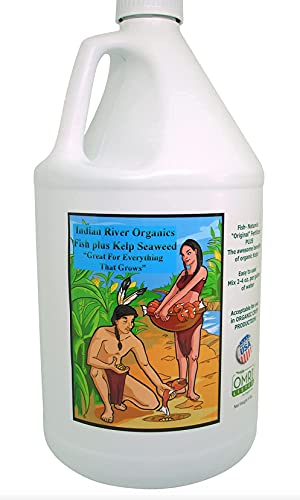
Indian River Organics Fish Plus Kelp 1 Gallon

Greenleaf Nutrients Sea-K Kelp Powder

True Organic All Purpose Liquid 3-2-2 16 oz
Inside Each Recommended Option
Alaska has been a familiar name in fish emulsion (a liquid fertilizer made by breaking down fish into a mild nutrient slurry) for decades, and this 5-1-1 version stays true to the gentle, balanced approach home growers trust. The NPK ratio (Nitrogen, Phosphorus, Potassium, the three primary nutrients plants need in the largest amounts) leans on nitrogen for leafy push while still feeding roots and flowers, which makes it forgiving on seedlings and transplants.
If you grow tomatoes in raised beds, keep a few herbs on the patio, or tend a window box of annuals, this is the kind of bottle you can grab without thinking. OMRI listing (Organic Materials Review Institute certification, the standard seal for products approved in organic production) signals the formula meets organic-production standards, so anyone running a vegetable garden or edible-flower bed won’t have to second-guess what they’re pouring on their food crops.
The Value In It
- Mild 5-1-1 ratio that won’t burn tender seedlings or transplants when used as directed.
- OMRI listed, so it fits an organic gardening routine for edible crops and herbs.
- Liquid format mixes instantly into a watering can, no dissolving step required.
- Doubles as both a soil drench and a light foliar feed (a spray applied to leaves for fast uptake) for leafy greens.
- Recognized Alaska brand, widely available in garden centers and easy to reorder.
Worth Noting
- Carries the classic fish-emulsion scent, which fades after watering but lingers indoors for a few hours.
- Lower phosphorus and potassium than a bloom-focused feed, so fruiting crops may want a side supplement mid-season.
Who It Suits Best
Home vegetable gardeners and balcony growers who want a gentle, organic-listed feed they can apply all season without worrying about burn.
Skip It When
You’d rather skip the fish smell and need a dedicated bloom booster, where True Organic All Purpose Liquid 3-2-2 is a friendlier fit.
Sea Magic takes the opposite approach from the Alaska bottle: instead of a heavy jug of liquid, you get a 30-gram foil pouch of dry soluble seaweed that mixes into roughly 66 gallons of finished feed. For a gardener measuring cost per watering can, the math works out surprisingly well, and the pouch barely takes up shelf space compared to its liquid cousins.
Once dissolved, you can run it through a hose-end sprayer, a watering can, or a simple foliar pump. Indoor and outdoor use both make sense, from houseplants to vegetable rows. Compared to the Alaska fish emulsion above, this is pure seaweed with no fish component, so there’s no odor to manage at all.
A Few Highlights
- Tiny 30-gram pouch yields about 66 gallons of mixed liquid feed, lowering the cost per application significantly.
- Dry format stores for months without refrigeration and weighs almost nothing on a shelf.
- Won’t burn plants at higher-than-recommended rates, giving beginners a margin of error.
- Suitable across flowers, vegetables, tomatoes, strawberries, shrubs, lawns, and houseplants.
Trade Offs
- Requires measuring and dissolving each time, which slows quick feeds compared to a ready-to-pour liquid.
- Small gram-only dosing takes a kitchen scale for accuracy until you learn the included measuring spoon.
Key Specs
Made For
Budget-minded gardeners with larger plots who don’t mind a quick mix step in exchange for a much lower cost per gallon of feed.
Consider Something Else When
You want a no-mess, ready-to-pour jug for a small apartment herb garden, where Alaska Fish Fertilizer is the simpler everyday pick.
FoxFarm built a reputation around nutrient-dense soil feeds, and Kelp Me Kelp You pulls straight from Ascophyllum nodosum, a North Atlantic brown seaweed long favored for its broad spectrum of trace minerals and natural cytokinins (plant hormones that drive cell division and bud development). The 0.5-0-0.5 ratio is light on nitrogen and phosphorus on purpose; this is a supplement, not a main course.
The pint size suits a small hydroponic reservoir, a drip irrigation system, or a handful of container plants on a balcony. Pair it with a balanced fertilizer like the True Organic 3-2-2 covered later, and you’ve covered both the macronutrient (the three primary nutrients in larger doses) base and the micronutrient (trace minerals plants need in tiny amounts) top-up without doubling up on nitrogen.
Practical Pluses
- Kelp-only 0.5-0-0.5 profile complements a base fertilizer instead of competing with it.
- Plays nicely with hydroponic setups (soil-free growing where roots sit in nutrient water) and drip irrigation lines without clogging emitters when properly diluted.
- Compact pint bottle fits a kitchen pantry or a small grow shelf.
- Liquid formula needs no dissolving, faster than the Sea Magic pouch for quick weekly feeds.
Honest Caveats
- Low nutrient numbers mean it isn’t a standalone feed for hungry vegetable crops.
- Pint volume runs out fast for anyone with more than a few containers, pushing you toward the quart version below.
Best Suited To
Hydroponic hobbyists and small-space growers who already run a base nutrient program and want a kelp supplement to round it out.
Reach For A Different Pick When
You’re feeding a full backyard vegetable plot and want a one-bottle solution, where Indian River Organics Fish Plus Kelp handles the workload without a second product.
Same formula as the pint, just doubled up to a quart. The shift from pint to quart matters more than it sounds, since kelp feeds tend to be applied weekly through the active growing season, and running out mid-July is the kind of interruption that ruins a feeding rhythm.
The quart sits in the same hydroponic-friendly, drip-line-friendly category as the smaller bottle, so transplanting one for the other is seamless. If you went through the pint in a month, save yourself the reorder and start here. Compared to the Alaska fish emulsion, this stays neutral on scent and skips the nitrogen kick, so it’s the right call when your soil test (a basic lab analysis of nutrient levels and pH balance in your soil) already reads high in nitrogen.
What Earns Its Place
- Quart volume covers a full growing season of weekly kelp feeds for medium-scale gardens.
- Compatible with hydroponic and drip irrigation systems alongside the FoxFarm nutrient line.
- Smell-free compared to fish-based feeds, comfortable to use in enclosed spaces.
Points To Keep In Mind
- Still a 0.5-0-0.5 supplement, not a primary fertilizer for hungry fruiting crops.
- Quart bottle takes up more storage space than the pint for closet growers.
Quick Facts
The Right Fit
Active gardeners feeding kelp weekly through summer who want to skip the reorder cycle mid-season.
Look Elsewhere When
You grow a single 4×8 raised bed and won’t burn through a quart in a season, where the pint-size FoxFarm is the better-matched amount.
MaxiCrop runs a 0-0-17 analysis, meaning zero nitrogen and phosphorus but a meaningful potassium boost. Potassium is the nutrient plants lean on for fruiting, root development, and stress tolerance, so this powder shines in late season when tomatoes are ripening and you want them to finish strong rather than grow more leaves.
The soluble powder format appeals to anyone who stocks up outside the growing season. A sealed container in a cool, dry spot keeps for years without the slow nutrient drift you sometimes see in aged liquid feeds. If you already use Alaska or True Organic for primary nutrition, MaxiCrop slips in as the potassium-side companion.
Notable Upsides
- 0-0-17 analysis delivers a targeted potassium boost during fruiting and ripening stages.
- 10.7-ounce powder stores for years on a shelf with no refrigeration required.
- Pairs cleanly with nitrogen-forward feeds like Alaska Fish Fertilizer without overlap.
Less Ideal Details
- Zero nitrogen and phosphorus means it’s not a standalone feed for young or leafy crops.
- Powder requires mixing and slightly warmer water to fully dissolve without clumping.
At A Glance
Whose Shelf It Belongs On
Seasonal gardeners who want a potassium-heavy late-season supplement to layer on top of their regular feeding program.
A Better Fit Elsewhere
You want a single all-purpose bottle from spring through fall, where True Organic All Purpose Liquid 3-2-2 covers nitrogen, phosphorus, and potassium in one pour.
A gallon jug means serious gardeners. Indian River Organics blends a hydrolyzed fish base (broken down with enzymes rather than heat, which preserves more of the amino acids plants actually use) with added kelp, so you get the leafy push of fish plus the trace minerals and growth hormones seaweed brings. Indoor and outdoor use both apply, and the concentrate dilutes down so the single jug stretches across a long season.
Compared to the Alaska quart above, this is the bulk-buy version for someone with a real vegetable garden, an orchard, or a long flower border. The fish smell is real, so outdoor application makes the most sense unless you have a tolerant indoor setup and good ventilation.
The Upside
- One-gallon concentrate covers an entire season for medium-to-large gardens.
- Hydrolyzed fish base preserves amino acids that heat-processed emulsions lose.
- Combined fish-and-kelp formula delivers both nitrogen push and trace minerals in one feed.
- Works for indoor and outdoor plants across vegetables, flowers, and ornamentals.
Practical Considerations
- Strong fish odor during mixing and application, less ideal for tight indoor spaces.
- Gallon jug is heavy to haul from the garden shed to the watering station.
- Liquid form has a shorter shelf life than the powdered options once opened.
Built With In Mind
Backyard vegetable growers and orchard owners with enough space to use a full gallon across a season who want fish and kelp in one jug.
Swap It Out When
You live in an apartment and only need a few cups of mixed feed a week, where the smaller Alaska bottle is easier to handle and store.
Greenleaf goes after the certified-organic crowd with dual OMRI and EU ECOCERT (the European Union’s organic certification program for agricultural inputs) listings, so the same bag satisfies organic standards on both sides of the Atlantic. The extract pulls from Ascophyllum nodosum, Sargassum, and Laginaria species, blended together for a broader mineral profile than single-source kelp.
Low-temperature enzymatic hydrolysis (an extraction method using natural enzymes instead of harsh heat or chemicals) keeps the bioactive compounds intact, which matters if you’re feeding the soil biology (the beneficial bacteria, fungi, and other microorganisms that cycle nutrients in healthy soil) as much as the plant. The marketed claim of more than 70 vitamins, minerals, and enzymes sounds generous, but the practical read is the same: a comprehensive kelp supplement for growers who value the certification paperwork.
Features That Help
- Dual OMRI and EU ECOCERT organic certification for both U.S. and European organic standards.
- Multi-species kelp blend broadens the mineral and amino acid profile.
- Low-temperature enzymatic extraction preserves bioactive compounds that heat processing can degrade.
- Powder format stores long-term and ships light.
Where It Is Less Suited
- Premium positioning means a higher cost per application than basic kelp powders.
- Concentrated extract benefits from accurate gram-level measuring, which slows quick feeds.
Feature Snapshot
Who Should Grab It
Certified-organic growers and market gardeners who need paperwork-ready inputs and want a multi-species kelp blend in one bag.
Not Your Match When
You’re feeding a casual backyard vegetable patch and the certification paperwork doesn’t matter, where Sea Magic’s larger yield per dollar makes more sense.
True Organic closes out the list with the most balanced NPK profile of the bunch, a 3-2-2 ratio that covers nitrogen, phosphorus, and potassium in roughly equal measure. Blended from farm-grade organic ingredients, the formula suits everything from a windowsill herb pot to an outdoor tomato row, so it doubles as the only liquid fertilizer a small-space gardener needs to keep around.
The 16-ounce bottle fits a pantry or under-sink cabinet without dominating it. Both CDFA (California Department of Food and Agriculture) and OMRI listings give it the organic credentials to match the Alaska and Greenleaf picks, which matters for edible gardens. Against the FoxFarm kelp supplements above, this one stands alone as a primary feed rather than a kelp top-up.
Everyday Perks
- Balanced 3-2-2 NPK covers all three primary nutrients in one bottle.
- OMRI and CDFA listed for organic gardening compliance.
- Compact 16-ounce bottle stores easily in a kitchen or shed.
- Suitable for fruits, flowers, vegetables, herbs, and indoor foliage alike.
A Few Limitations
- Lower nutrient concentration than synthetic feeds, so heavy-feeding crops may need more frequent applications.
- Smaller bottle means refilling more often for anyone with a sizeable garden.
Perfect Match For
Apartment dwellers, beginners, and small-space gardeners who want a single organic-listed liquid feed that covers nearly every plant they own.
Another Choice May Suit
You maintain a serious vegetable plot and want a single jug to last a whole season without reordering, where Indian River Organics Fish Plus Kelp in the gallon size covers more ground per bottle.
What To Weigh Before Picking A Liquid Seaweed Fertilizer
The right seaweed feed depends on how you grow, not just what’s on the label. Match the format to your routine first, then dial in the nutrient profile.
Format And Storage
Liquid concentrates pour fast, mix in seconds, and fit a beginner-friendly routine, but they weigh more and expire sooner than powders. Dry soluble formats like the Sea Magic or Greenleaf pouches keep for years on a shelf, travel light, and cost less per gallon of finished feed, but they ask for a measuring spoon and a few seconds of stirring before each application. For a windowsill herb garden, the liquid convenience wins. For a multi-bed vegetable plot or a market gardener, dry formats often end up cheaper across a full season.
Nutrient Ratios And What They Mean
The three numbers on the label (N-P-K) tell you the percentage of nitrogen, phosphorus, and potassium by weight. A 5-1-1 ratio like the Alaska bottle leans toward leafy growth, which suits greens and herbs. A 3-2-2 profile like the True Organic liquid covers all three bases evenly, ideal when you want one bottle for many plant types. A 0-0-17 like the MaxiCrop powder skips the nitrogen on purpose and pushes potassium for fruiting and ripening. Pick the ratio that matches what your plants actually need most this season, not the highest numbers you can find.
Organic Certification
If you garden organically or sell produce under an organic label, the certification matters. OMRI is the standard U.S. seal (carried by Alaska, True Organic, and Greenleaf), while EU ECOCERT (also on the Greenleaf bag) covers European markets. CDFA registration, on the True Organic bottle, meets California’s stricter state-level organic input rules. Pick a feed whose paperwork matches where you sell, donate, or register your garden.
System Compatibility
Drip irrigation and hydroponic setups need a liquid that dissolves clean and won’t clog emitters. The FoxFarm kelp liquids and the True Organic bottle are designed for that path. Dry powders work in any system too, as long as you pre-dissolve them in warm water before pouring into a reservoir or feed line. If you run a soil-only garden, neither limitation matters and you can pick purely on format and ratio.
Key Considerations Across These Picks
Where Shoppers Go Wrong
The most common slip is choosing a high-number synthetic fertilizer when an organic garden actually calls for a gentler seaweed-based feed. Synthetic salts can disrupt soil biology over time, while seaweed builds it up. Another misstep is ignoring the format: buying a gallon jug for an apartment herb garden, or a 30-gram pouch for a half-acre plot. Match the size to the scale you’ll actually use in a single season.
What The Higher Tier Buys
Premium-tier kelp products like Greenleaf Nutrients Sea-K justify the higher per-application cost through dual organic certification, multi-species sourcing, and low-temperature extraction that preserves bioactive compounds. For a casual backyard gardener, the basic kelp powders deliver the same core benefits at a fraction of the price. The upgrade makes sense for certified-organic operations, market gardeners selling at premium prices, or growers who specifically want the broader mineral profile of a multi-species blend.
Frequently Asked Questions
How often should liquid seaweed fertilizer be applied?
Most liquid seaweed feeds work well as a weekly or biweekly application during active growth, with lighter frequency during dormant months. Always follow the dilution chart on the specific bottle you’re using, since concentrated formulas vary widely.
Can liquid seaweed fertilizer be used on indoor houseplants?
Yes, the kelp-only and all-purpose organic liquids in this list suit indoor foliage and herbs. Apply at a diluted rate and reduce frequency during winter when most houseplants slow their growth.
Is liquid seaweed fertilizer safe for vegetable gardens?
The OMRI-listed options on this list (Alaska, True Organic, and Greenleaf) are approved for organic vegetable production. Fish-and-kelp blends like the Indian River Organics gallon work for conventional edible gardens as well, with a noticeable scent during application.
Does liquid seaweed replace a regular fertilizer?
Seaweed feeds are best treated as a supplement rather than a full replacement, especially for heavy-feeding crops. Pairing a kelp supplement with a balanced base fertilizer like True Organic’s 3-2-2 gives you the most complete nutrition.
What’s the difference between liquid and powdered seaweed fertilizers?
Liquids pour fast and mix instantly but weigh more and expire sooner. Powders like Sea Magic and MaxiCrop store longer, cost less per gallon of mixed feed, and require a quick dissolve step before each use.
Closing Remarks
The right liquid seaweed fertilizer comes down to your garden’s size, your organic standards, and how often you actually want to mix a feed. Start with the format that matches your routine, then pick the ratio that fits what your plants need most. Any bottle on this list will reward a consistent feeding schedule more than a perfect label will.
