

Healthy trees don’t happen by accident. They need steady nutrition, the right balance of nutrients, and a delivery method that actually reaches the root zone. Liquid tree fertilizers give you that flexibility, especially when soil biology, watering schedules, and seasonal timing all matter.
This lineup pulls together eight liquid options covering broadleaf evergreens, palms, citrus, bonsai, and even fruiting or flowering trees. Some focus on pest defense alongside nutrition. Others are built around silica, fish-based organics, or species-specific micronutrients. Each entry below pairs a specific real-world scenario with a clear trade-off, so you spend less time guessing and more time feeding the right tree the right way.
A Closer Look At The Lineup

Fertilome Tree & Shrub Drench Systemic Insecticide

Alaska Fish Fertilizer 5-1-1 Liquid Plant Food

Humboldts Secret Tree Trunk Potassium Silicate

TPS Nutrients Palm Tree Fertilizer 1 Gallon
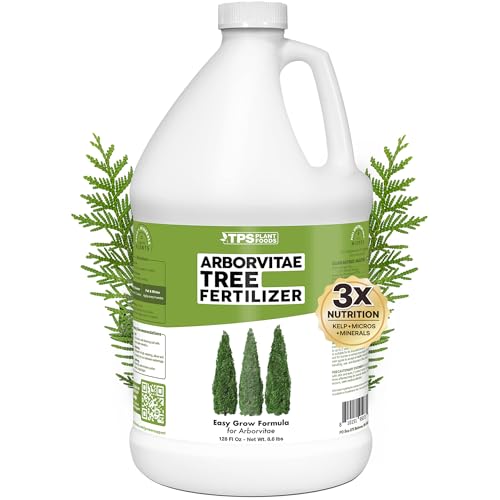
TPS Nutrients Arborvitae Fertilizer 1 Gallon

TPS Nutrients Arborvitae Fertilizer 32 oz

Farmer’s Secret Citrus Tree Booster 32oz

TPS Nutrients Bonsai Fertilizer 8 oz
A Deeper Look At The Lineup
This pick sits at the intersection of nutrition and pest defense, which is a useful niche when your trees fight the same insect pressure every season. The one-gallon concentrate is mixed and poured at the base, where the active ingredient moves up through the vascular system and stays active in the plant tissue.
For homeowners dealing with aphids, psyllids, and similar sap-sucking pests, that systemic approach removes the need to spray foliage on a schedule. You treat once and let the plant do the rest. Compared with the organic fish emulsion below, this is a different tool entirely, more about protection than feeding.
Everyday Advantages
- Year-long protection reduces repeat applications.
- Soil drench application avoids spraying foliage directly.
- Targets a broad insect list, simplifying treatment plans.
- Suitable for ornamental trees and shrubs around the yard.
- Mix-and-pour format keeps measuring simple.
Things To Consider
- Spring or fall application window limits flexibility.
- Not designed as a primary nutrient source.
- Larger one-gallon jugs need storage space.
Who It Suits Best
Homeowners battling recurring pest pressure on established shade trees and flowering shrubs.
Where Another Pick Suits Better
For general nutrient feeding without pesticide action, the Alaska Fish Fertilizer 5-1-1 below is a better everyday match.
The Alaska fish emulsion has been a backyard fixture for decades, and for good reason. The 5-1-1 ratio is gentle enough for young trees and vegetable beds, so you can feed without worrying about leaf burn during a hot stretch.
Where the Fertilome drench above targets pests, this option is purely nutritional. It works well for edible gardens and ornamentals that need steady, low-strength feeding through the growing season. Expect a noticeable fishy scent during application, which fades once it soaks in.
What Works In Its Favor
- Gentle formula reduces burn risk on young trees.
- OMRI listing supports organic gardening routines.
- Works across vegetables, herbs, and ornamentals.
- Low cost per diluted gallon for large plantings.
Honest Caveats
- Strong fish odor lingers briefly during use.
- Low nutrient ratio means more frequent applications.
- Not tailored to specialty species like palms or bonsai.
Key Specs
Made For
Organic-minded gardeners tending edible beds and young trees that need steady, low-stress feeding.
Skip It When
You want species-specific nutrition; the TPS Nutrients Palm Tree Fertilizer below is a tighter match for tropicals.
Silicate additives sit in a different lane from standard N-P-K fertilizers, and Tree Trunk leans into that niche hard. Potassium silicate feeds plant cell walls, which translates into sturdier branches, thicker stalks, and better support for heavy fruit or flower loads.
You pair this with a base fertilizer rather than use it alone. Think of it as structural reinforcement, not a primary meal. The 32-ounce bottle is sized for hobby growers and small orchards, and a little concentrate goes a long way per gallon of water.
Practical Pluses
- Supports thicker stalks and stronger branches.
- Compatible with most base nutrient programs.
- Helps fruiting and flowering trees carry heavier loads.
- Compact bottle fits easily on a shelf or in a shed.
Worth Noting
- Works best alongside a complete fertilizer, not alone.
- Specialized use may be unfamiliar to casual gardeners.
Best Suited To
Growers focused on heavy-flowering ornamentals or fruit trees that need stronger structural support.
Consider Something Else When
You want a complete feed in one bottle; the Farmer’s Secret Citrus Tree Booster below handles that role for citrus.
Palm trees have their own nutritional quirks, particularly around magnesium, manganese, and potassium, and generic fertilizers often miss the mark. This TPS Nutrients blend is built specifically for palm species, including majesty palms kept as indoor or patio specimens.
The one-gallon size suits landscapers and homeowners with several established palms. For a single houseplant palm, the bottle may outlast the need, so factor that in. Compared with the fish emulsion above, this delivers a more targeted nutrient profile.
Practical Advantages
- Species-specific formula supports frond color and growth.
- Works for both indoor and outdoor palms.
- Larger gallon size handles multiple trees per application.
- Liquid format speeds uptake through the root zone.
Points To Note
- Oversized for owners with just one small palm.
- Niche formula limits versatility beyond palm species.
Right Fit For
Tropical landscapers and homeowners with multiple palm trees needing steady, balanced feeding.
Not Your Match When
You tend a mixed yard; the TPS Nutrients Arborvitae Fertilizer below suits evergreen hedges better.
Arborvitae hedges take up a lot of space along property lines, and feeding them with a one-size-fits-all fertilizer often leaves foliage looking pale by midsummer. This one-gallon liquid is tuned for dense evergreens that need steady nutrition without a growth surge.
It’s the bigger sibling to the 32-ounce option further down, sized for long hedge runs. Use it along the drip line and water in well for the cleanest results. The formula encourages color retention rather than forcing rapid vertical growth.
Positive Points
- Tailored for arborvitae and similar evergreens.
- One-gallon volume covers long hedge rows.
- Supports consistent foliage color through summer stress.
- Liquid delivery reaches roots faster than granular spikes.
Small Caveats
- Larger jug demands storage room in a garage or shed.
- Specialty formula has limited use beyond arborvitae.
Feature Snapshot
Who Should Grab It
Homeowners with long privacy hedges that need consistent color and density through the growing season.
Look Elsewhere When
You only have a few accent plants; the 32-ounce TPS Nutrients Arborvitae Fertilizer below avoids waste.
Same arborvitae-targeted formula as the gallon above, but in a friendlier size for small yards and patio plantings. A few accent arborvitae near an entryway or along a short fence line is where this bottle shines.
You avoid paying for concentrate you won’t use before the season ends, which is a common issue with larger liquid formats. Storage is simpler too, and the bottle fits on a standard gardening shelf.
Notable Gains
- Smaller bottle suits modest plantings and tight storage.
- Same tailored formula as the larger size.
- Reduces waste for low-volume feeders.
- Liquid format keeps applications quick.
Less Ideal Details
- Runs out fast for full-length privacy hedges.
- Higher cost per ounce compared to the gallon version.
Perfect Match For
Apartment dwellers and small-yard homeowners with a handful of accent arborvitae plants.
Reach For A Different Pick When
You maintain a long hedge row; the one-gallon TPS Nutrients Arborvitae Fertilizer above scales up better.
Citrus trees have a reputation for being fussy, partly because generic blends skip over the iron, zinc, and magnesium that lemons, limes, and oranges crave. Farmer’s Secret packs those into a super-concentrated formula where a single teaspoon per gallon goes a long way.
For a backyard Meyer lemon or a small potted key lime, that concentration is genuinely useful, since container trees feed more often than in-ground plantings. The 32-ounce bottle stretches across many feedings when diluted properly.
What Helps Most
- Extreme concentration reduces product use per feeding.
- Works for indoor and outdoor citrus trees.
- Targets common citrus deficiencies directly.
- Simple teaspoon-based dilution instructions.
- Long bottle life across a full growing season.
A Few Limitations
- Not formulated for non-citrus species.
- Requires careful measuring to avoid overfeeding.
- Higher upfront cost than general fertilizers.
Quick Facts
Whose Shelf It Belongs On
Backyard and patio citrus growers who want concentrated, deficiency-targeted feeding without bulk packaging.
Swap It Out When
You grow ornamentals or edibles beyond citrus; the Alaska Fish Fertilizer 5-1-1 above is more versatile.
Bonsai care is its own world, and standard tree fertilizers often push growth that’s counterproductive to the miniature form you’re trying to maintain. This TPS Nutrients blend is built for controlled, compact growth, which is exactly what bonsai shaping demands.
The 8-ounce bottle is sized for tabletop collections, since you feed small volumes more often in shallow bonsai pots. Compared with the citrus booster above, this is a different philosophy: less pushing, more shaping.
Useful Highlights
- Formulated for miniature trees and controlled growth.
- Small bottle suits low-volume bonsai feeding.
- Liquid format mixes easily for shallow pots.
- Supports healthy foliage without excessive elongation.
Practical Considerations
- Niche use limits versatility beyond bonsai.
- Requires consistent feeding schedules to maintain form.
- Tiny bottle can be easy to misplace in a busy shed.
Built With In Mind
Bonsai hobbyists who want balanced nutrition without disrupting the deliberate shape of their trees.
A Better Fit Elsewhere
For fruit trees and large ornamentals, the Humboldts Secret Tree Trunk Potassium Silicate above is a stronger structural pick.
Picking The Right Liquid Tree Fertilizer For Your Yard
Matching the fertilizer to the species and the planting style makes the biggest difference. A citrus tree in a container behaves nothing like an arborvitae hedge along a fence line, so start by identifying what you’re actually feeding.
Match The Formula To The Species
Specialty blends, including the palm, arborvitae, citrus, and bonsai options above, solve specific problems. Palms often show magnesium and potassium deficiencies through yellowing fronds. Citrus trees struggle with iron and zinc in alkaline soils. Arborvitae fade when nitrogen runs short during summer heat. Pick the formula that targets your tree’s actual gap, not a generic catch-all.
Consider The Format And Application Routine
Liquid concentrates mix into watering cans, hose-end feeders, or small pump sprayers. They work well for steady, repeatable feedings through the growing season. Granular options release slower but require less frequent reapplication. If you prefer a “set and water” routine, liquid gives you more control over timing and dilution strength.
Size The Bottle To Your Planting Volume
A gallon of concentrate is great for a hedge row or multiple trees, but wasteful for a single patio palm or a small bonsai shelf. Conversely, a small bottle runs out fast when you’re feeding a privacy screen. Match the container size to the number of trees you’re feeding, and adjust concentration per the label instructions.
Check For Soil And Climate Compatibility
Container trees dry out faster and feed more often than in-ground plantings, which matters for any citrus or bonsai routine. Sandy soils leach nutrients quickly, while clay soils hold them longer. Adjust how often you apply based on what you’re seeing in the foliage, rather than a rigid calendar schedule.
Key Considerations Across These Picks
Common Shopping Slip Ups
Treating every tree with the same generic fertilizer is the most common misstep, and it usually shows up as yellowing, slow growth, or weak flowering. Soil pH matters too, since locked-out nutrients won’t help even when you feed consistently. Always match the formula to the species, and recheck the label before each seasonal shift.
What The Higher Tier Buys
Premium concentrates like the Farmer’s Secret Citrus Tree Booster trade a higher upfront cost for serious dilution efficiency. A single bottle can stretch across many feedings, which lowers the per-application cost over a full season. You also get tighter nutrient targeting, which often means fewer corrective treatments later.
Frequently Asked Questions
How Often Should Liquid Tree Fertilizers Be Applied?
Most liquid fertilizers are applied every two to four weeks during the active growing season. Citrus and bonsai trees in containers often need more frequent, lighter feedings than in-ground trees. Always follow the product label for the specific interval, since overfeeding can damage roots.
Can I Use The Same Fertilizer On Different Tree Types?
Generic fish emulsion blends work across many species, but specialty trees like palms, citrus, and bonsai respond better to targeted formulas. Using a citrus blend on a maple, for example, may miss the nutrients that tree actually needs. Matching the formula to the species produces cleaner results.
Is Liquid Fertilizer Better Than Granular For Trees?
Liquid fertilizer reaches roots faster and gives you precise control over dilution, which is helpful for container trees and quick corrections. Granular fertilizers release slowly and require fewer applications, suiting low-maintenance landscapes. The better choice depends on your routine and how often you want to feed.
When Is The Best Time Of Year To Fertilize Trees?
Early spring, just as new growth begins, is the most common feeding window. A second light feeding in early summer helps trees through heat stress. Avoid late-season feeding, which can push tender new growth into winter damage. Fall applications work for some systemic treatments, but check the label carefully.
Do Liquid Fertilizers Expire Or Lose Potency?
Liquid concentrates can settle, separate, or lose potency over multiple seasons, especially once opened. Store bottles in a cool, dry place away from direct sunlight, and shake well before each use. If a bottle smells off or shows heavy separation, replace it for cleaner results.
Final Verdict
The right liquid tree fertilizer depends less on brand recognition and more on matching the formula to the species, the planting style, and your routine. Specialty blends solve targeted gaps, while gentle general-purpose options like fish emulsion suit mixed yards with varied plantings. Start with what your trees actually need, pick a size that fits the work, and adjust as the foliage responds through the season.
