

A garden that fades by midsummer always feels like a missed opportunity. Long blooming perennials solve that problem by stretching their flower show across months rather than weeks, turning a single planting into seasons of texture, pollinator activity, and color along fences, borders, and beds. This roundup gathers seed and bulb collections known for extended bloom windows, dependable returns, and a fit for varied USDA zones, so your yard keeps putting on a show without constant replanting.
The Essentials At A Glance
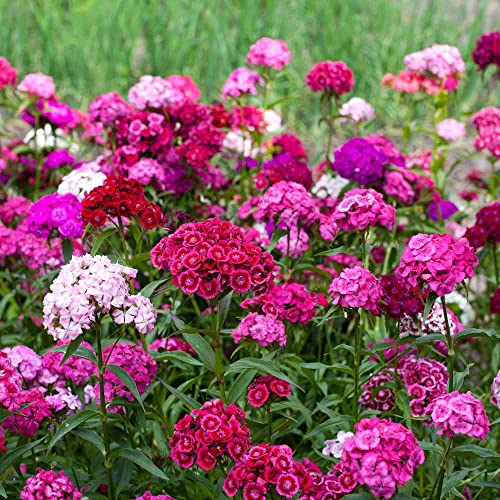
Outsidepride Sweet William Dianthus Seeds 5000 Pcs

Willard & May Complete Flower Bulb Garden 75 Bulbs

ZEshops 30pcs Hydrangea Seeds Blue Pink Purple Mix

SURVIVAL GARDEN SEEDS Purple Alyssum Seeds

Seeds Of Strength 100Pcs Calla Lily Seeds Mix

Marde Ross & Company Russell Lupine Seeds Perennial

Marde Ross & Company Purple Blazing Star 5 Bulbs

Outsidepride Zebrina French Hollyhock Seeds 500 Pcs
A Closer Look At Each Pick
Sweet William has been a cottage garden workhorse for generations, and this 5,000-seed packet gives you enough volume to fill a generous border without breaking your budget. Dianthus barbatus produces clustered, fragrant blooms on sturdy stems, and the mix typically includes a range of pinks, reds, whites, and bicolors that draw bumblebees and hoverflies in droves.
These seeds are listed as hardy in USDA Zones 3 through 9, so gardeners from cold northern climates to milder southern regions can grow them as returning perennials. For most backyards, a single spring sowing translates into a flush of cuttable flowers the following year, with the plants often reseeding gently to extend the show without becoming aggressive.
What Works In Its Favor
- Hardy across USDA Zones 3 through 9, widening where it thrives
- Fragrant clusters that serve cut-flower bouquets through late spring
- High seed count suits broadcast sowing in wildflower meadows
- Drought tolerance helps once plants establish root systems
- Strong pollinator appeal for bees and beneficial insects
Things To Consider
- Blooms usually peak in year two, so first-year color can feel modest
- Biennial-leaning tendencies mean some plants flower once and fade
Who It Suits Best
Patient gardeners who want pollinator-heavy, fragrant beds over several seasons rather than immediate color.
Swap It Out When
The Willard & May Complete Flower Bulb Garden is a stronger match when same-summer color matters more than fragrance.
Unlike the seed-heavy Sweet William that asks for a season of patience, this bulb collection is built for immediate gratification. The Willard & May Complete Flower Bulb Garden mixes gladiolus, harlequin flowers, lilies, and calla lilies for a rolling display that begins in midsummer and runs into the first frost.
The kit includes 18 Tutti-Frutti Gladiolus, 40 Harlequin Flowers, 10 Stargazer Lilies, 5 Mixed Asiatic Lilies, and 5 Mixed Calla Lilies, totaling 78 bulbs across five genera. That’s real variety, and the staggered bloom windows across these types is what produces the advertised 50+ days of continuous color in full sun to partial shade.
What Helps Most
- Five-bulb mix engineered for a rolling July-through-October display
- Suited to full sun or partial shade beds
- Strong variety pack simplifies choosing for novice gardeners
- Bulbs skip the germination gamble of seed packets
Worth Noting
- Gladiolus may need staking in exposed beds to prevent toppling
- In zones below 7, several included varieties require bulb lifting for winter
- Color palette is dictated by the mix, with limited customization
Built With In Mind
New gardeners who want a curated, ready-to-plant summer bulb assortment without researching individual species.
A Better Fit Elsewhere
The Marde Ross & Company Purple Blazing Star corms are a tighter choice when a pollinator-focused native bed is the goal.
Hydrangeas anchor a garden differently than the spiky drama of the Russell Lupine or the layered bulbs in the Willard & May kit. They become shrub-like presence, and a multi-color seed packet lets you stage several hues across one bed or scatter them along a fence for a hedge that blooms heavily through summer.
The mix promises blue, pink, and purple blooms, and hydrangea flower color is famously influenced by soil pH (a measure of soil acidity; acidic soils skew blue, alkaline soils skew pink). In our view, that makes these seeds especially fun for gardeners willing to amend soil to chase a specific shade, though the actual color split from any seed mix is always a little unpredictable.
Useful Highlights
- Three-color mix adds blue, pink, and purple to one planting
- Shrub-forming habit delivers long-lasting structure beyond bloom time
- Resilient to a range of conditions once plants mature
Points To Note
- Hydrangeas from seed typically need 2–3 years before meaningful blooms
- Final color depends heavily on soil pH, which adds unpredictability
- Lower seed count (30) requires careful sowing to reach full potential
Right Fit For
Patient gardeners planning a multi-season landscape where shrub presence is as important as the flowers.
Look Elsewhere When
The Willard & May Complete Flower Bulb Garden suits those wanting vivid color in a single summer instead.
Sweet alyssum behaves differently from the taller perennials in this roundup. It hugs the soil in dense mats of tiny, honey-scented flowers, making it ideal for softening the edges of beds, filling gaps between flagstones, or layering beneath taller picks like the Outsidepride Zebrina Hollyhock.
This Royal Carpet variety produces clusters of purple blooms and is listed as a frost-sensitive perennial often grown as a cool-season annual. Depending on your zone, that means a long spring-through-fall color run in mild areas or a generous cool-season display where summers push it out.
Where It Helps
- Low carpet habit is ideal for paths, borders, and container edges
- Honey fragrance attracts bees, hoverflies, and butterflies
- Fast growth fills gaps that slower perennials leave bare
- Eco-friendly appeal for pollinator-focused garden plans
Honest Caveats
- Frost-sensitive habit means it fades in colder zones rather than returning
- Low profile means it gets overshadowed by tall picks like lupines or hollyhocks
- Benefits from successive sowings to maintain a thick mat across the season
Made For
Gardeners building layered plantings who want a fragrant, low carpet beneath taller perennials like the Marde Ross & Company Russell Lupine.
Not Your Match When
The Outsidepride Sweet William Dianthus seeds are a stronger fit for filling mid-height borders with traditional cottage color.
Calla lilies bring a sculptural, almost formal elegance that the cottage-style picks on this list, like Sweet William and Zebrina hollyhock, deliberately avoid. This 100-seed mixed-color packet gives you enough seed to experiment with patio pots, raised beds, or a dedicated cutting patch without much risk.
Germination is the trade-off. Calla lilies from seed demand pre-soaking in warm water for 12 to 24 hours before sowing, then indoor starting in early spring at around 70°F. That extra step is worth knowing about upfront, but it isn’t unusual for seed-raised perennials, and the result is a graceful, long-blooming plant once established.
A Few Strong Suits
- 100 seeds offer room for trial across containers or beds
- Mixed colors open up multi-hue arrangements without buying multiple packets
- Compact growth habit fits well in patio containers
Practical Considerations
- Pre-soaking and indoor sowing adds steps versus direct-sow seeds
- Calla lilies from seed take longer to reach flowering size than bulbs
- Cool zones require lifting rhizomes in fall for winter storage
Feature Card
Who Will Love This
Patient beginners with indoor seed-starting space who want graceful, mixed-color blooms for pots and patios.
Reach For A Different Pick When
The Marde Ross & Company Purple Blazing Star bulbs make more sense for gardeners wanting tall, native flowers without the seed-starting routine.
Lupines solve the height problem in gardens where the Willard & May bulbs and alyssum stay low. These Russell lupines push 36 to 48 inches tall, sending up dense flower spikes in mixed purple, pink, and blue that read clearly from a distance.
Seeds are stored in temperature-controlled refrigeration to keep germination rates strong, and the packet contains roughly 100 seeds. Sow them in fall or early spring in well-drained soil, full sun or part shade, and germination typically runs 14 to 30 days. They are hardy in USDA Zones 3 through 9, which lines up nicely with the Sweet William range for shared beds.
Everyday Wins
- 36–48 inch spires give vertical structure to flat borders
- Mixed purple, pink, and blue tones within a single packet
- Hardy across USDA Zones 3 through 9
- Fall or early-spring sowing fits typical perennial planting windows
- Cold-stored seeds support reliable germination
Trade Offs
- Lupines dislike being transplanted, so direct sowing is often the safer call
- Spike weight can lean in windy spots without staking support
- Pea-like flowers attract aphids, a common owner-reported nuisance
The Right Fit
Wildflower gardeners building meadow-style plantings who want height, color, and a long-lived perennial return.
Where A Sibling Pick Shines
The Outsidepride Zebrina French Hollyhock is the better cottage pick when you want similar vertical drama with classic heirloom coloring.
Liatris spicata, sometimes called gayfeather, has a different silhouette from the spiky lupines and hollyhocks reviewed earlier. The Purple Blazing Star sends up fluffy, bottlebrush-style purple blooms on tall, slender stems up to 40 inches high, giving borders a softer vertical line.
These are five fresh corms (bulb-like storage organs that some perennials grow instead of true bulbs), kept in temperature-controlled refrigeration for stronger sprouting once planted. The larger corm size in this listing tends to translate into faster first-year growth compared to smaller economy packs.
Strengths Worth Knowing
- Velvety purple bottlebrush blooms stand out against grass-like foliage
- Magnet for native bees, butterflies, and hummingbirds
- Strong corm size supports vigorous first-season establishment
- Excellent cut flower with a long vase life
Factors To Consider
- Only 5 corms in the pack, so impact depends on planting in clusters
- Slow to multiply, so mass plantings take several seasons to fill in
- Staking can help in exposed, windy locations
Feature Card
Best Suited To
Pollinator gardeners adding native texture to beds already anchored by lupines or sweet William.
Skip It When
The Willard & May Complete Flower Bulb Garden is a better value when you want many bulbs in one packet rather than fewer premium-sized ones.
Hollyhocks close out this list with classic cottage energy, and the Zebrina variety brings distinctive white-and-purple veining on semi-double blooms that stand apart from solid-color cottage staples. The crepe-textured petals give these flowers a soft, slightly translucent look that catches morning light beautifully along fences and walls.
This 500-seed packet is generous, and the heirloom (an older open-pollinated variety passed down through generations) status matters to gardeners who value traditional genetics. Drought tolerance and long bloom habit make these a low-maintenance choice once they establish, especially compared to fussier seed-raised picks like the calla lily mix.
Everyday Advantages
- Distinctive white-and-purple veining on crepe-textured petals
- Heirloom variety appeals to traditional cottage-garden design
- Drought tolerance reduces summer watering demands
- 500-seed pack supports broad sowing in mixed beds
Less Ideal Details
- Tall stalks can lean against fences and may need tying in storms
- Hollyhock rust (a fungal leaf disease) is a commonly reported issue in humid climates
- Biennial tendencies mean the strongest show is often in year two
Feature Card
Whose Shelf It Belongs On
Cottage garden enthusiasts with fence lines or back walls that can support tall, traditional heirloom color.
Consider Something Else When
The Marde Ross & Company Russell Lupine is the cleaner pick for gardeners prioritizing native-style meadow plantings.
What Matters Most Before Choosing Long Blooming Perennials
Bloom Window And Sequence Long bloom in this category means different things across these picks. The Willard & May Complete Flower Bulb Garden mixes five genera to stage color over 50+ days, while lupines and calla lilies deliver a more concentrated but still multi-week show. For gardeners who want continuous color, pairing an early bloomer (sweet William) with a midsummer bulb mix and a late-season perennial like liatris spreads the display across the season.
USDA Zone Compatibility Most picks here span Zones 3 to 9, which covers most of the continental U.S. Sweet alyssum and gladiolus push the lower limit on hardiness, so northern gardeners should expect to lift bulbs or treat alyssum as a cool-season annual rather than a returning perennial.
Seed Versus Bulb Trade-Offs Seed packets like the Outsidepride Zebrina Hollyhock and ZEshops Hydrangea seeds demand patience, often taking a full season to establish before showing strong blooms. Bulbs and corms like the Marde Ross & Company Purple Blazing Star offer faster first-year payoff but can require fall lifting in colder zones.
Site Conditions And Soil Type Full sun suits gladiolus, lupines, and most cottage picks, while hydrangeas and sweet alyssum tolerate partial shade. Hydrangea flower color shifts with soil pH, which adds an extra variable for gardeners who want a specific blue or pink result.
Key Considerations Across These Picks
Mistakes Worth Dodging A common slip with seed-raised perennials is treating them like annuals and expecting first-year blooms. Sweet William, hollyhock, and hydrangea seeds often need a season to establish before flowering heavily. Forgetting bulb-lifting in cold zones can also mean losing gladiolus over winter, since several included varieties in the Willard & May mix aren’t reliably hardy below Zone 7.
What Separates Premium From Basic Higher-tier perennial picks here earn their position through seed quality (cold-stored lupines and liatris), corm size (largest-size liatris corms sprout faster), and curated mixes (the Willard & May five-bulb blend). You pay more for larger corms and temperature-controlled storage, both of which shorten the wait to first bloom and reduce germination gamble.
Frequently Asked Questions
How long do these perennials actually bloom? Bloom length varies by type. The Willard & May Complete Flower Bulb Garden advertises roughly 50 days of color across its mix, while individual picks like liatris and lupine typically run two to four weeks of peak bloom with attractive foliage before and after.
Can I grow these in containers? Several picks adapt well to pots. The Seeds Of Strength Calla Lily mix is especially suited to patios because of its compact habit. Lupines and hollyhocks grow tall and may need large, heavy containers to stay stable.
Do I need to start seeds indoors? Calla lilies benefit from indoor sowing with pre-soaking, while sweet William and hollyhock seeds can be direct-sown in fall or early spring. Bulbs and corms skip the indoor step entirely, going straight into prepared garden soil.
Are these perennials pollinator-friendly? Sweet William, sweet alyssum, liatris, and lupines all attract bees, butterflies, and beneficial insects. The Willard & May bulb mix includes lilies that attract pollinators too, though gladiolus is more of a visual feature than a pollinator hub.
Will these return every year? Most picks return reliably within their listed USDA Zones. Sweet alyssum and gladiolus are the exceptions in cold climates, where they often behave as annuals or need bulb lifting for winter storage.
Closing Remarks
Long blooming perennials reward gardeners who plan for staggered bloom windows, match plants to their USDA zone, and accept the seed-versus-bulb patience trade-off. From the cottage softness of sweet William to the upright drama of lupines and the pollinator pull of liatris, this list offers a starting palette you can mix into a single bed or spread across an entire yard. Pick what fits your sun, your soil, and your timeline, and the rest of the season tends to take care of itself.
