

You want a yard that looks alive without turning every weekend into a chore list. The shrubs below were picked because they tolerate dry spells, handle basic soil, and rarely demand pruning. Whether you’re filling a blank side yard, framing a front entry, or replacing a tired hedge, there’s something here that fits your climate and your tolerance for watering.
A Quick View Of The Lineup

Southern Living Obsession Nandina Shrub

Proven Winners Blue Chiffon Rose of Sharon Shrub

Mavis’s Diary 4ft Artificial Cedar Trees (2 Pack)

Proven Winners Double Play Doozie Spirea Shrub

Plants for Pets Silverado Sage Shrub

Perfect Plants Lemon Drift Rose Live Plant

Proven Winners Center Stage Red Crape Myrtle Shrub
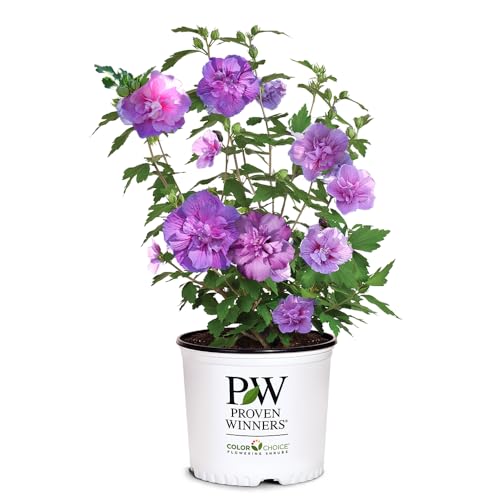
Proven Winners Dark Lavender Chiffon Rose of Sharon Shrub
What Each Pick Brings To The Table
If your yard needs color in January, the Obsession Nandina earns its keep by holding vivid red foliage through every season. Unlike the leggier nandina varieties that get bare at the base, this compact selection stays dense and tidy, which makes it a strong pick for foundation beds and tight entryway corners.
For most suburban lots, it slots right into a mixed shrub border without demanding constant shaping. Beginners appreciate that the routine stays simple: water twice weekly until established, then settle into a once-a-week rhythm. The bright new growth in spring quickly replaces anything you might want to trim back.
Positive Points
- Keeps red-tinted leaves through winter, so your bed never goes bare.
- Mounded, compact habit means less pruning compared with older nandina cultivars.
- Tolerates sun and part shade, which suits most foundation plantings.
- Handles short dry stretches once roots settle in.
Things To Consider
- Hardy only in USDA zones 6 through 10, so colder northern gardens should look elsewhere.
- Like other nandinas, it may spread slowly by root suckers over several years.
Who It Suits Best
Homeowners in mild-winter climates who want four-season foliage color with a once-a-week watering routine after the first season.
Consider Something Else When
Garden sits north of zone 6, in which case the Double Play Doozie Spirea handles colder winters more reliably.
The Blue Chiffon Rose of Sharon fills a real gap in late summer, when many shrubs have stopped performing. Its powder-blue blooms keep going well past August, which is the season most yards look tired. Compared with earlier picks like the Obsession Nandina, this one trades evergreen foliage for spectacular flowers.
You may find the mature height intimidating if you imagined a low border, since it can stretch to 12 feet. Treated as a small tree or pruned into a multi-stem shrub, it becomes the strongest focal point in a pollinator-friendly bed. Bees and hummingbirds seek it out during the long bloom window.
Standout Benefits
- Distinctive blue color stays rare in the late-summer shrub category.
- Long bloom season bridges the gap when roses and spirea are finished.
- Deciduous habit means clean seasonal cycle with new spring growth.
Worth Noting
- Bare branches in winter may look awkward in formal foundation plantings.
- Mature spread can reach 4 to 6 feet wide, so leave room at planting.
- Owners commonly report self-seeding in favorable conditions, so plan for occasional seedling removal.
Right Fit For
Garden owners in zones 5 through 9 who want a tall, pollinator-friendly anchor for the back of a mixed border.
Not Your Match When
You need a tidy evergreen foundation plant, in which case the Southern Living Obsession Nandina holds its leaves year-round.
Strictly speaking, an artificial cedar isn’t a shrub, but it solves the same problem in spots where nothing alive will survive. Deep porches, shaded entryways, or rentals where you can’t dig in the ground all benefit from realistic faux greenery. Compared with the live plants on this list, the trade-off is zero watering in exchange for zero growth.
The TPE foliage (a flexible thermoplastic that mimics leaf texture) holds its color under UV exposure, and the weighted base adds stability in breezy spots. You may find the 4-foot height ideal for flanking a doorway without blocking the view from inside.
The Practical Payoff
- Zero watering, zero pruning, zero seasonal drop.
- UV-treated foliage resists fading on sunny porches.
- Two trees per pack gives you a matched pair for flanking an entry.
Honest Caveats
- Combined weight of about 29 pounds can make repositioning awkward.
- Up close, the material reads as faux to anyone inspecting it.
Built With In Mind
Renters, shaded porches, and anyone wanting decorative greenery without committing to soil or a watering schedule.
A Better Fit Elsewhere
You want genuine seasonal interest, in which case the live Silverado Sage Shrub delivers real blooms on a real plant.
The Double Play Doozie Spirea earns a spot because it stays small without becoming a chore. Unlike the towering Blue Chiffon Rose of Sharon covered above, this spirea tops out around 3 feet in every direction, so it tucks into the front of a border without crowding its neighbors. Repeat blooms from spring into fall keep the color coming back.
Cold-climate gardeners get the widest hardiness range on the list, all the way down to zone 3. For most northern yards, that means a flowering shrub that survives winters the Blue Chiffon can’t. The seedless habit removes the worry that older spirea varieties carried.
The Good Stuff
- Hardy down to zone 3, the widest cold range in this lineup.
- Mature 2 to 3 feet tall and wide suits compact urban lots.
- Continuous blooms mean less downtime between flower flushes.
- Handles full sun to partial shade with ease.
Soft Spots
- Deciduous leaves drop in winter, leaving bare stems until spring.
Best Suited To
Cold-zone gardeners and anyone needing a tidy mid-border shrub that won’t outgrow its space.
Skip It When
You need a tall privacy screen, in which case the Dark Lavender Chiffon Rose of Sharon fills the role better at up to 12 feet tall.
Silverado Sage handles the toughest spot on this list: dry, exposed beds where watering is sporadic. Compared with the moisture-loving Rose of Sharon, this Texas sage prefers lean soil and shrugs off drought once established. Silvery foliage stays tidy without constant shaping, and the reddish-violet summer flowers pull in hummingbirds.
You may find the fuzzy silver leaves a nice contrast against darker evergreens like the Obsession Nandina covered earlier. The 1-gallon nursery pot ships ready to drop into a decorative planter or straight into a prepared bed. Pet households can plant without worry, since the source markets it specifically for that crowd.
Everyday Perks
- Handles drought and lean soils that stress less hardy shrubs.
- Silver foliage brightens dry beds and contrasts with green neighbors.
- Suitable for full sun and partial shade positions.
Trade-Offs
- Only hardy to roughly zone 7, so northern gardeners should pass.
- Blooms depend on heat and humidity spikes, which can be unpredictable.
Who Will Love This
Hot-climate gardeners and pet households who want a tough, sun-loving shrub for water-wise landscaping.
Look Elsewhere When
You garden in a cold zone below 7, in which case the Double Play Doozie Spirea handles deep freezes without complaint.
The Lemon Drift Rose earns its place as the most forgiving live pick on this list. Drift roses are a category known for reblooming without the heavy pruning that regular roses demand. Compared with the Blue Chiffon Hibiscus above, this one stays low and spreading, which suits small beds and container plantings.
First-time gardeners get the easiest path to actual flowers, since the source ships it rooted in a 1-gallon nursery pot. Hardy across zones 4 through 11, the hardiness range is the widest of any flowering pick here. Soft yellow blooms repeat through the warm season with basic deadheading.
Advantages To Know
- Low, spreading habit suits containers and edging.
- Hardy from zone 4 through 11, covering most U.S. climates.
- Reblooms freely with minimal deadheading.
- Tolerates in-ground planting or pot culture equally well.
Some Limits To Know
- Lower height means it can’t screen or anchor a bed the way taller picks can.
- Not suited to indoor or houseplant conditions.
Perfect Match For
New gardeners, container patios, and anyone wanting cheerful color without a learning curve.
Reach For A Different Pick When
You need height or screening, in which case the Dark Lavender Chiffon Rose of Sharon grows tall enough to block a view.
The Center Stage Red Crape Myrtle earns its spot because it brings drama without the maintenance headaches of older crape myrtle varieties. Unlike the silvery Silverado Sage, this one pairs near-black foliage with glowing red blooms for an unusually bold contrast. Disease resistance keeps the foliage looking clean deep into summer.
You may find the mature footprint demands planning, since it can stretch 6 to 12 feet tall. For warm-climate gardeners in zones 7 through 9, that’s a reliable anchor for the back of a sunny bed. It tolerates partial shade, though full sun delivers the strongest flower show.
Notable Gains
- Dark foliage and red blooms create standout contrast in mixed beds.
- Improved disease resistance reduces summer leaf drop.
- Deciduous habit means a clean seasonal reset each spring.
Factors To Consider
- Limited to zones 7 through 9, so cold-zone gardeners should skip.
- Mature size can dwarf smaller shrubs nearby, so plan spacing carefully.
Who Should Grab It
Garden owners in warm climates who want a focal-point shrub that anchors a sunny bed with bold color contrast.
Where A Sibling Pick Shines
You need a smaller, evergreen option, in which case the Southern Living Obsession Nandina stays compact and keeps its leaves through winter.
The Dark Lavender Chiffon closes the list because it solves a problem none of the smaller picks can: creating a living screen. Reaching up to 12 feet tall and 4 to 6 feet wide, it forms a soft seasonal fence when mass planted. The anemone-like lavender blooms show up just as the rest of the garden tires in late summer.
Compared with the Blue Chiffon Hibiscus covered earlier, the color sits deeper on the spectrum, which reads more saturated against green foliage. For most yards, recommended spacing around 48 inches apart delivers a dense screen within a few seasons. The graceful stems soften the look that a fence would deliver.
Where It Helps
- Mature height handles privacy and screening without a fence.
- Late-summer lavender blooms extend garden color into fall.
- Hardy across zones 5 through 9 for broad regional use.
- Useful rounded habit suits mass plantings along property edges.
Where It May Fall Short
- Bare winter stems mean no visual screening in the colder months.
- Owners commonly report seedling volunteers that need pulling each year.
Whose Shelf It Belongs On
Suburban gardeners wanting a living privacy screen or a tall anchor for the back of a mixed border in zones 5 through 9.
Swap It Out When
You want year-round screening, in which case the artificial cedar trees from Mavis’s Diary fill the role even in deep shade and on rented porches.
Factors To Consider When Choosing Low Maintenance Shrubs
Start with your climate zone, since the wrong hardiness match is the fastest way to lose a shrub. A Blue Chiffon Hibiscus in zone 4 or a Silverado Sage in zone 5 simply won’t come back, no matter how carefully you tend it. The picks above carry zone ranges because that’s the single most useful filter before you fall in love with a flower color.
Next, match the mature size to the spot, not the size at purchase. A 2-gallon shrub looks small on day one but can reach 12 feet in a few seasons, as both Rose of Sharon picks on this list do. Measure your planting site and account for the width as well as the height. Crowded shrubs struggle for light and need more cleanup work, which defeats the point.
Finally, think honestly about your watering willingness. Drought-tolerant picks like Silverado Sage forgive missed waterings, while moisture-loving choices like the Blue Chiffon Hibiscus reward regular soaking. Picking a shrub whose water needs match your real habits saves you from replacing plants in two years.
Key Considerations Across These Picks
Mistakes Worth Dodging
Planting shrubs too close together is the most common slip-up on a new landscape bed. Mature spreads look generous on a young 2-gallon pot, so gardeners crowd them and end up pruning more than they wanted. Read the mature width carefully and leave the room now.
Another trap is ignoring sun exposure until the shrub is already in the ground. A Drift Rose in deep shade won’t rebloom the way it would in six hours of sun. Walk the planting spot at midday and check before you buy.
Where The Extra Money Goes
A bigger container size usually means a more established root system, which shortens the time the shrub spends getting settled. A 2-gallon shrub may need two full seasons before it takes off, while a larger plant shows up looking closer to mature size. The trade-off is weight and cost, which is worth weighing for a single anchor plant versus a long hedge.
Disease resistance also shows up in the price difference between cultivars. The Center Stage Red Crape Myrtle on this list costs more than older crape myrtle varieties because it resists the leaf spot diseases that plagued the species. For most homeowners, paying a bit more for a resistant variety means less spraying and cleaner foliage through August.
Frequently Asked Questions
How often should I water newly planted shrubs?
Water deeply two to three times per week during the first growing season so roots establish. After that, most drought-tolerant picks on this list shift to weekly watering, and tough sages can go longer between soakings. Always check the top inch of soil before watering rather than watering on a fixed schedule.
Do these shrubs need pruning every year?
Most of the picks here need only light shaping once a year, if at all. The Obsession Nandina and Silverado Sage stay naturally tidy, while the Rose of Sharon varieties benefit from a late-winter trim to control height. Drift roses look better with occasional deadheading but don’t demand it.
Can I grow these shrubs in containers?
Several picks on this list adapt well to pots, including the Lemon Drift Rose and the Double Play Doozie Spirea. Larger options like the Rose of Sharon varieties need very big containers and more frequent watering. The artificial cedar trees from Mavis’s Diary were specifically designed for planter use.
Which shrubs handle the coldest climates?
The Double Play Doozie Spirea has the widest cold range on this list, hardy down to USDA zone 3. The Lemon Drift Rose follows close behind, tolerating zone 4. Gardeners north of zone 5 should focus on those two before considering anything else.
Do low maintenance shrubs attract pollinators?
Yes, several picks here pull in bees and hummingbirds during their bloom windows. The Blue Chiffon and Dark Lavender Chiffon Hibiscus shrubs are particularly strong for late-summer pollinators. The Lemon Drift Rose also attracts bees while flowering through the warm season.
The Takeaway
A low maintenance shrub lineup works best when it matches your zone, your soil, and the amount of water you actually plan to give. Pick the plant that fits the real spot in your yard, not just the one with the prettiest photo. Once it’s in the ground and established, the best shrubs on this list mostly take care of themselves.
