

Picking the right magnolia for your yard comes down to climate, space, and the kind of flowers you want to come home to. Some gardeners want a compact evergreen that stays tidy in a tight courtyard. Others want a cold-hardy bloomer that lights up early spring before anything else in the neighborhood wakes up.
This lineup covers live magnolia trees at several sizes, a deciduous bloomer for colder zones, and a liquid fertilizer made specifically for the genus. You’ll find a fit here for first-time planters, small urban lots, and anyone who wants fragrant white or pink-purple flowers without managing a giant canopy.
A Closer Look At The Lineup

Perfect Plants Little Gem Magnolia Tree, 1-2 ft

Perfect Plants Little Gem Magnolia Tree, 2-3 ft

Perfect Plants Little Gem Magnolia Tree, 4-5 ft

Perfect Plants Little Gem Magnolia Tree, 4-5 ft

2 Ann Magnolia Live Plants, 2.5 Inch Pot
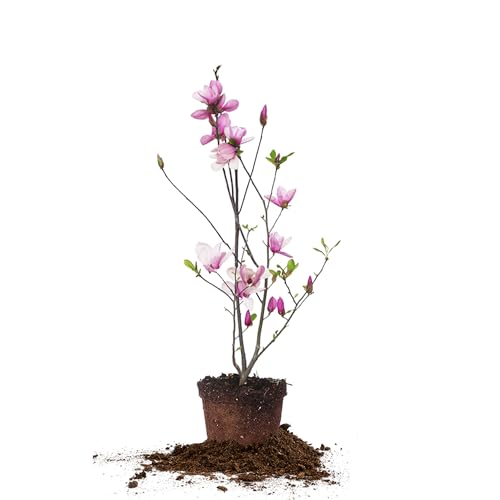
Perfect Plants Jane Magnolia Tree, 1 Gallon
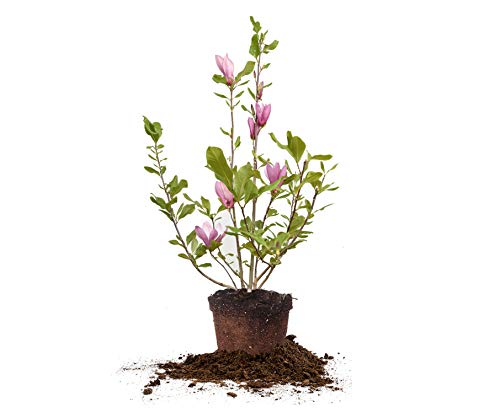
Perfect Plants Jane Magnolia Tree, 5 Gallon

Magnolia Tree Fertilizer, 8 oz Liquid
This is the smallest transplant size in the Perfect Plants Little Gem lineup, and that scale is its whole appeal. At 1-2 feet tall, the tree fits into a planting bed or container without dominating the space, which matters if you’re working with a narrow side yard or a courtyard entry. Like the larger sizes further down this list, it produces the same white summer blooms and glossy evergreen foliage, just on a slower timeline.
For anyone nervous about transplant survival, a small starter often roots in faster than a more mature specimen. The trade-off, of course, is patience: you’ll be waiting a few seasons before the canopy fills out and the flowers arrive in real volume. Plant it in mulch beds along a patio and treat it like a long-term landscape investment.
Where It Excels
- Narrow, compact growth habit that suits tight planting zones and small urban lots.
- Shipped with plant food to support early establishment in new soil.
- No pruning required to keep a tidy shape, saving routine maintenance.
- Evergreen foliage gives year-round structure, unlike deciduous bloomers in this list.
- Fragrant white summer flowers draw pollinators without overwhelming a small space.
Worth Noting
- Slow growth means a multi-year wait for the canopy to fill in meaningfully.
- Container plantings need attentive watering during dry stretches, which owners commonly report as the trickiest part.
Best Suited To
First-time magnolia planters working with a small courtyard or patio who want evergreen structure and are comfortable waiting a few seasons for mature scale.
A Better Fit Elsewhere
Homeowners wanting faster visual impact should consider the 4-5 ft Perfect Plants Little Gem Magnolia Tree (4-5 ft) instead.
The 2-3 ft Little Gem sits in a sweet spot between the tiny starter and the mature landscape tree. It transplants well into most residential soils, holds a narrow pyramidal shape, and starts producing visible foliage volume in its first full season. If you want something that looks like a real tree on delivery day without committing to a 5-foot specimen, this size makes sense.
Compared to the 1-2 ft starter, you’ll see the same evergreen habit and summer white blooms on a tree that’s already a bit further along. The catch is sun: this magnolia wants all-day direct light to keep its dense form and produce flowers reliably, so shaded corners of a yard are not the right fit.
Strengths Worth Knowing
- Self-shaping growth habit eliminates pruning chores for casual gardeners.
- Mid-size transplant balances quick visual presence with manageable root stress.
- Evergreen canopy provides patio shade once established.
- Works in foundation plantings to soften building corners without crowding walkways.
Points To Note
- Needs a full-sun planting site, which limits options on the north side of homes.
- Slow growth rate compared to the deciduous picks in this list, such as the 2 Ann Magnolia Live Plants, 2.5 Inch Pot.
Made For
Homeowners planting along a sunny patio, driveway entry, or building corner who want evergreen structure and a manageable transplant size.
Look Elsewhere When
Gardeners in cold-winter regions need a hardier option, in which case the 2 Ann Magnolia Live Plants, 2.5 Inch Pot is the stronger match.
This 4-5 ft Little Gem is the size most homeowners actually picture when they say “plant a magnolia.” The canopy is wide enough to throw real shade, the trunk reads as a tree rather than a shrub, and the summer white blooms arrive sooner because it has more mature wood on arrival. Ships with a fertilizer blend and a planting guide to ease establishment.
The trade-off is transplant shock. Larger trees take longer to settle into new soil, and the root ball demands a properly prepared planting hole. Plant it in full sun with mulch, water consistently through the first growing season, and the dense foliage does the rest. Compared to the smaller Little Gem sizes earlier in this list, you’ll trade patience for instant landscape presence.
What Works In Its Favor
- Mature scale delivers visible landscape impact in the first season.
- Fragrant white flowers appear sooner than smaller transplants.
- Evergreen canopy provides year-round privacy screening along property lines.
- Includes fertilizer and a planting guide to support establishment.
Trade Offs
- Larger root ball demands careful soil prep and consistent first-year watering.
- Heavier to handle during planting, often a two-person job.
Feature Snapshot
Right Fit For
Homeowners who want a mature landscape presence in the first season and have a full-sun planting site prepared with mulch and drainage.
Swap It Out When
Anyone wanting spring-bloom color rather than summer flowers should look at the Perfect Plants Jane Magnolia Tree, 1 Gallon instead.
This second listing for the 4-5 ft Little Gem is essentially the same cultivar as the prior pick, but it’s worth flagging for shoppers comparing listings. The dense narrow canopy makes it a useful accent near a driveway entrance or a patio corner where you want shade without a sprawling footprint. Plant it in mulch beds along a walkway and it frames the path without crowding it.
The self-shaping habit continues to be the main draw, since routine pruning isn’t required to keep the form tidy. In our view, this size is the practical sweet spot for most homeowners: substantial enough to read as a focal point, but still narrow enough to suit tighter residential lots. The honest read is that bloom volume at this size depends heavily on sun exposure, so pick your spot carefully.
Features That Help
- Narrow pyramidal form fits into foundation plantings without crowding walkways.
- Evergreen leaves deliver year-round texture and color contrast against deciduous shrubs.
- Companion plant food bundled in to support early growth.
- Fragrant summer blooms add sensory value near outdoor seating areas.
Worth Bearing In Mind
- Blooms more reliably with full-day sun, which limits placement near shaded north walls.
- Slow growth means the canopy fills in over multiple seasons rather than instantly.
Built With In Mind
Homeowners framing an entryway or anchoring a patio corner with a narrow evergreen tree and full-sun exposure.
Reach For A Different Pick When
Gardeners wanting a deciduous bloomer with cold-climate tolerance should consider the 2 Ann Magnolia Live Plants, 2.5 Inch Pot instead.
The Ann Magnolia breaks from the evergreen pattern of the Little Gem lineup, and that distinction matters. This is a deciduous flowering shrub that drops its leaves in winter, then lights up early spring with tulip-shaped pink-to-purple blooms before anything else in the yard has leafed out. Suitable for USDA Zones 4-8, it tolerates colder winters than the southern magnolias on this list.
You’re getting two well-rooted young plants in 2.5-inch pots, which keeps the upfront cost accessible but means a multi-year establishment period. Plant them in full sun to partial shade with well-drained soil, and they work as foundation shrubs, small specimen trees, or container plantings on a patio. For cold-region gardeners, this is the more realistic option in this category.
A Few Strong Suits
- Cold-hardy range down to USDA Zone 4, unlike most southern magnolias.
- Early spring blooms appear before foliage, creating a striking bare-branch display.
- Two-plant bundle supports grouped plantings or matched pairs along a walkway.
- Works in containers, garden beds, or landscape borders.
Honest Caveats
- Small pot size means several growing seasons before meaningful landscape scale.
- Deciduous habit leaves winter structure gaps that evergreen picks on this list do not.
Feature Snapshot
Perfect Match For
Cold-zone gardeners in USDA Zones 4-5 who want early spring color and don’t mind waiting a few seasons for full landscape scale.
Not Your Match When
Homeowners wanting year-round evergreen screening should consider the Perfect Plants Little Gem Magnolia Tree, 4-5 ft instead.
The Jane Magnolia shares the cold-hardy deciduous profile of the Ann magnolia but leans into a different color story. Its tulip-shaped blooms range from light red to purple, showing up in March and April when the rest of the yard is still waking up. It’s a “Little Girl” series hybrid bred for compact size and reliable blooms in colder zones.
Ships in a 1-gallon container with a specially blended magnolia food to support greener foliage and brighter flowers. The dense branching makes it useful as a flowering hedge or a low privacy screen, and unlike the larger evergreen picks on this list, it stays manageable in size. In most residential plantings, expect the canopy to top out in the 10-15 foot range over time.
Notable Gains
- Exceptional cold hardiness for gardeners in zones with harsh winters.
- Red-to-purple bloom range adds color variety compared to the white-flowered Little Gem.
- Dense branching supports use as a flowering hedge or privacy screen.
- Low maintenance once established, with minimal pruning needs.
Small Caveats
- Soil must stay moist but well-draining; soggy roots are a commonly reported problem.
- Deciduous habit means a winter leaf drop that evergreen magnolias on this list avoid.
Who Should Grab It
Homeowners in cold climates who want a flowering hedge or specimen tree with purple-red blooms and reliable cold tolerance.
Consider Something Else When
Anyone wanting an instant mature landscape statement should consider the Perfect Plants Jane Magnolia Tree, 5 Gallon instead.
This 5-gallon Jane Magnolia is the same cultivar as the 1-gallon version, just substantially further along. The larger container means a more developed root system and a head start on canopy growth, so you get earlier blooms and a more visible specimen in the first spring. For a focal-point planting at the corner of a house or the end of a driveway, this size carries the scene.
The denser root ball requires more careful planting prep and consistent first-year watering, similar to the larger Little Gem picks earlier in this list. Expect a heavier lift at delivery and a more involved planting hole. Once established, you get the same red-to-purple tulip blooms on a tree that reads as a landscape specimen from day one.
The Value In It
- Substantially larger transplant delivers quicker landscape impact than smaller sizes.
- Earlier bloom timeline thanks to more mature wood on arrival.
- Same cold-hardy Jane genetics, well-suited to northern climates.
- Works as a standalone specimen tree or in flowering hedge groupings.
Practical Considerations
- Heavier container and root ball make planting a two-person job.
- Higher upfront investment than the 1-gallon Jane or smaller starter magnolias.
Feature Snapshot
Whose Shelf It Belongs On
Homeowners ready to invest in a specimen Jane Magnolia for a focal-point planting and willing to handle the heavier transplant.
Where A Sibling Pick Shines
Gardeners working with a tight budget or smaller planting site should look at the Perfect Plants Jane Magnolia Tree, 1 Gallon instead.
Once you’ve picked a magnolia from this list, the next question is how to keep it flowering well year after year. This liquid fertilizer from TPS Nutrients is formulated specifically for magnolias, with a nutrient balance aimed at bud development, foliage color, and steady growth. It works for both young transplants and established landscape trees.
The 8 oz bottle is a concentrated format, so a single container covers multiple feedings through the growing season. Apply it alongside routine watering, and it integrates without forcing a flush of soft new growth that weak fertilizers can cause. For anyone who wants targeted nutrition rather than a generic all-purpose blend, this is a reasonable companion product to any of the magnolia trees above.
Standout Benefits
- Magnolia-specific nutrient blend, rather than a generic fertilizer formula.
- Liquid format mixes easily into routine watering schedules.
- Suitable for both young transplants and established landscape trees.
- Supports both bud development and foliage color in a single product.
Things To Weigh
- Smaller bottle size requires reordering across multi-year feeding schedules.
- Concentrated format means careful measuring to avoid over-application on young trees.
Feature Snapshot
Who Will Love This
Homeowners with any magnolia from this list who want targeted nutrition that supports bloom performance without forcing weak new growth.
Skip It When
Gardeners who already apply a balanced slow-release fertilizer annually may not need a magnolia-specific supplement on top of that routine.
## What Matters Most When Choosing Magnolia Trees Picking a magnolia is less about brand loyalty and more about matching the cultivar to your climate and your planting site. Evergreen Little Gems need warm-winter regions and full sun to thrive, while deciduous Ann and Jane magnolias handle cold winters and partial shade without complaint. Getting this match right up front saves seasons of frustration. Tree size at delivery matters too. Smaller transplants cost less and root in faster, but you wait longer for the canopy to fill in. Larger 4-5 ft or 5-gallon sizes give instant landscape presence at the cost of heavier handling and a longer establishment period. For most homeowners, the practical sweet spot is a mid-size transplant in the 2-5 ft range. Container vs. ground planting is the other real-world decision. Magnolias do well in large containers on patios, but container trees dry out faster and need more attentive watering during summer dry spells. Ground plantings with mulch beds hold moisture more consistently and let the root system expand naturally. Pick the option that matches how much time you want to spend on weekly care. Finally, bloom timing and color shape the emotional payoff. White summer-flowering Little Gems deliver fragrance when you’re outdoors in the evening. Red-to-purple spring-flowering Jane and Ann magnolias light up the landscape when nothing else is in bloom yet. Knowing which season matters more to you helps narrow the field quickly. ## Choosing Well: A Few Practical Pointers ### Mistakes Worth Dodging Planting a southern evergreen Little Gem in a zone that’s too cold is the most common slip-up in this category. The tree may survive a mild winter, but a hard freeze often damages foliage and sets growth back. Always check your USDA zone against the magnolia’s hardiness range before ordering. ### When Paying More Pays Off Larger container sizes and more mature transplants cost more up front, but they save a year or two of establishment time. A 5-gallon Jane or 4-5 ft Little Gem arrives closer to landscape-ready, which matters if you’re planting a focal-point specimen rather than a filler shrub. ## Frequently Asked Questions ### Which magnolia tree stays small? The Little Gem Magnolia cultivar is bred for narrow, compact growth and stays much smaller than other southern magnolias. The 1-2 ft and 2-3 ft transplant sizes in this list keep that small-footprint trait from day one. ### Do magnolia trees need full sun? Most magnolias flower more reliably with full-day direct sun, though the Ann and Jane magnolias tolerate partial shade. In shaded corners, expect fewer blooms and slower canopy growth regardless of cultivar. ### How often should you water a new magnolia? Newly planted magnolias need consistent watering through the first growing season, roughly once or twice a week depending on rainfall. The soil should stay moist but not soggy, since magnolia roots dislike waterlogged conditions. ### When do magnolia trees bloom? Little Gem Magnolias bloom in summer with white flowers, while Jane and Ann Magnolias bloom in early spring before the foliage emerges. Bloom timing is a useful way to pick between evergreen and deciduous picks in this list. ### Do magnolias lose their leaves in winter? Evergreen Little Gem Magnolias keep their foliage year-round. Ann and Jane Magnolias are deciduous and drop their leaves in winter, which is part of why they handle cold climates better. ## Wrap Up A magnolia is one of the longer-term plantings you can add to a yard, so it’s worth matching the cultivar to your climate, your planting site, and the bloom season that matters most to you. Evergreen Little Gems suit warm-zone gardeners wanting year-round structure and summer fragrance, while Jane and Ann magnolias bring cold-hardy spring color to northern landscapes. The TPS Nutrients liquid fertilizer pairs well with any of them if you want targeted bloom support. Pick the size and species that fits your situation, plant it in the right light, and you’re set for decades of seasonal flowers.