

Toting a manual backpack sprayer turns a long afternoon of weed control or fertilizer application into something your arms barely notice. The right rig keeps weight centered, pressure steady, and seals intact through seasons of chlorine bleach and copper fungicide. These eight picks cover the practical range, whether you’re spot-treating a flowerbed, sanitizing a chicken coop, or running forty gallons of iron-based herbicide across a half-acre lawn.
The Essentials At A Glance
VEVOR Battery Powered Backpack Sprayer 4-Gallon 0-90 PSI

Battery Powered Backpack Sprayer 4.2-Gallon 100PSI Cutoff
SideKing Battery Powered Backpack Sprayer 3.2-Gallon Makita 18V Compatible

SideKing 4-Gallon Battery Powered Backpack Sprayer 100 PSI Adjustable

Rainmaker Backpack Sprayer 4-Gallon Lightweight Manual Pump
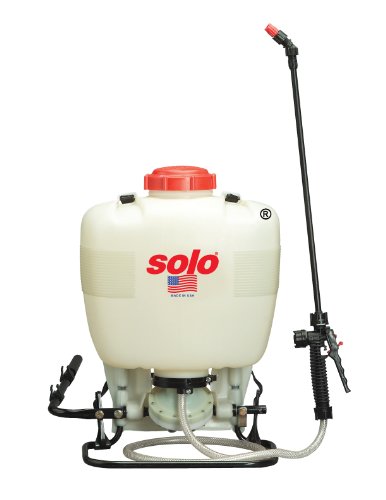
SOLO 475-B Backpack Sprayer 4-Gallon Diaphragm Bleach-Resistant
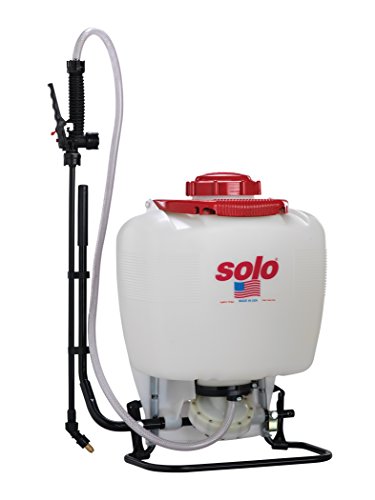
Solo 475-B-DELUXE 4-Gallon Backpack Sprayer
SideKing 3.2-Gallon Battery Powered Backpack Sprayer with Telescopic Wand
The VEVOR sits at the top of the list because it pairs a 4-gallon poly tank (a capacity that handles roughly 20 minutes of continuous fan spray before refilling) with a 12V 8Ah lithium-ion battery that keeps the pump running through long Saturday sessions. Pressure is adjustable from a soft mist up to 90 PSI, which covers everything from foliar feeds on tomato seedlings to thicker weed-and-feed treatments on gravel driveways.
Eight nozzles come in the box, plus two wands, so you can switch from a wide cone to a focused stream without buying extras. Compare that to the smaller-tank SideKing below, which ships with five nozzles and reaches less pressure. For anyone tending a half-acre yard or a small homestead, this is the kind of package that ends the ritual of hand pumping.
Positive Takeaways
- 90 PSI ceiling handles driveway algae and fence-line brush as easily as lawn feeding.
- Wide-mouth lid makes mixing powdered fertilizer mess-free, so the tank actually rinses clean.
- Two included wands let you reach under low shrubs without kneeling.
- Padded straps and hip belt distribute the four-gallon load across shoulders and hips, which matters during hour-two of spraying.
Things To Consider
- At roughly 14 pounds filled, this rig feels heavier than a manual pump on a quick 10-minute job.
- Owners commonly report that the seals appreciate a fresh water rinse after any bleach or harsh chemical run.
Best Suited To
Property owners with multiple beds, fences, and lawn zones who want one rig that handles varied spray patterns without constant refilling.
Look Elsewhere When
SideKing 3.2-Gallon Battery Powered Backpack Sprayer with Telescopic Wand suits small patios better, since a smaller tank and lighter frame reduce fatigue for quick spot treatments.
The NPGLOBAL lands here for one reason: a 100 PSI pressure cutoff, the highest on this list, paired with a knob-controlled regulator that lets you dial flow rate down to a gentle shower or up to a focused jet. A diaphragm pump (a piston-style mechanism that moves liquid using a flexible membrane rather than direct contact) keeps the seal area separate from the solution, which matters when bleach or caustic cleaners enter the picture.
The 4.2-gallon tank is slightly larger than the VEVOR above, and a high-pressure hose adds reach for barn-cleaning or fence washing. Eight nozzles ship in the kit, including flat fan, flood, and foaming options. If your spraying leans toward sanitation rather than just gardening, the extra pressure headroom pays off.
Well-Handled Touches
- Trigger lock prevents hand fatigue on extended spray passes across a long fence line.
- Knob pressure controller means you adjust PSI without stopping the pump.
- Flow rate of roughly 4.0 L per minute covers a row of shrubs in a single sweep.
- Wide-mouth opening simplifies refilling from a standard outdoor spigot.
Worth Noting
- Higher PSI means more overspray drift, so windy days call for a finer nozzle setting.
- Battery runtime depends on the chosen pressure, so heavy cleaning sessions finish sooner than light garden work.
Feature Snapshot
Made For
Homeowners who split time between lawn feeding, deck cleaning, and occasional bleach-based sanitation runs.
Consider Something Else When
VEVOR Battery Powered Backpack Sprayer 4-Gallon 0-90 PSI is the better call for strictly garden work, since you trade the higher PSI ceiling for a slightly lower price point.
Where the VEVOR above feels like a workhorse, the SideKing 3.2-gallon plays the role of agile everyday sprayer. The smaller tank keeps the loaded weight under 12 pounds, which most people find comfortable on a 20-minute backyard pass without hip-belt support. The defining feature here is battery compatibility: drop in any Makita 18V pack you already own and skip the bundled 2.0Ah battery entirely.
Pressure adjusts from a soft mist up to 80 PSI, which is plenty for herbicide application and foliar feeding, though short for the kind of pressure-washer work the NPGLOBAL handles. Five nozzles cover most patterns, and a single telescopic wand extends reach under rose bushes without scratching arms.
Reasons It Performs
- Makita 18V compatibility turns the sprayer into an add-on for a battery system you may already maintain.
- 3.2-gallon capacity refills in under a minute from a kitchen sink or outdoor tap.
- Lighter frame suits smaller frames and shorter spraying sessions.
Honest Caveats
- Smaller tank means more refill trips on properties over a quarter acre.
- Without a Makita pack on hand, the included 2.0Ah battery runs shorter than the VEVOR’s 8Ah unit.
- 80 PSI ceiling is enough for chemicals but not for tough cleaning tasks.
Right Fit For
Suburban gardeners already invested in Makita tools who want one more use from their existing batteries.
A Better Fit Elsewhere
SideKing 4-Gallon Battery Powered Backpack Sprayer 100 PSI Adjustable suits larger lawns, since the bigger tank and higher pressure handle broader coverage in fewer passes.
Take the SideKing 3.2-gallon above, scale up the tank to 4 gallons, and bump the pressure ceiling to 100 PSI, and you arrive at this model. It is the side of the SideKing line aimed at property owners who want Makita compatibility without giving up the larger capacity of the VEVOR-class rigs.
For a routine weed-control pass across a quarter-acre lawn, the extra tank volume means one refill instead of two. The five nozzles are the same basic kit found on the smaller sibling, so you do not gain pattern variety, but you do gain raw output. If you already keep Makita 18V packs charged in the garage, this is a smart upgrade.
What Works In Its Favor
- 100 PSI ceiling matches the NPGLOBAL for cleaning-adjacent tasks.
- 4-gallon tank covers a typical lawn treatment without a mid-job refill.
- Makita 18V compatibility standardizes charging with your other tools.
Soft Spots
- Heavier than the 3.2-gallon sibling, so shorter gardeners may want to try it loaded before committing.
- Battery and charger are included, but runtime at 100 PSI is shorter than at lower settings.
Feature Snapshot
Who It Suits Best
Makita tool owners with medium-to-large yards who want one battery system across drill, blower, and sprayer.
Skip It When
VEVOR Battery Powered Backpack Sprayer 4-Gallon 0-90 PSI is a stronger pick if you do not already own Makita batteries, since the bundled 8Ah pack delivers longer runtime per charge.
The Rainmaker drops the battery entirely. It is a 4-gallon piston-pump sprayer (a manual design where a hand lever drives a piston to pressurize the tank) aimed squarely at gardeners who want zero charging, no electronics to fail, and a price tag that does not sting. Adjustable shoulder straps and a lightweight frame make the 16L tank manageable during a typical weekend weeding session.
Four interchangeable nozzles cover the basics, and a trigger lock keeps the spray going without constant finger pressure. This is the right pick for anyone who treats spraying as a seasonal chore rather than a weekly routine, and who would rather spend on plants than on batteries.
The Practical Payoff
- No battery means no charger, no runtime anxiety, and one less thing to fail mid-season.
- Lightweight build suits gardeners who do not want the bulk of a powered unit.
- Lock-on trigger reduces hand fatigue on long, steady passes along fence lines.
Small Caveats
- Manual pumping takes effort, especially when pressure drops mid-spray.
- Without a powered pump, you will not match the output of the VEVOR or NPGLOBAL above.
Perfect Match For
Casual gardeners and beginners who spray a few times per season and prefer simple mechanical tools.
Reach For A Different Pick When
SideKing 3.2-Gallon Battery Powered Backpack Sprayer with Telescopic Wand suits frequent sprayers, since the electric pump removes the manual pumping step entirely.
Solo has been making backpack sprayers since the equipment first hit farm supply stores, and the 475-B shows why the brand has stuck around. The connecting-rod-actuated diaphragm pump pushes up to 60 PSI, which is modest next to the powered rigs above, but the diaphragm itself resists bleach, solvents, and harsh disinfectants that would destroy a standard piston seal in a season.
That chemical resistance is the real selling point. If your work touches poultry-house sanitation, deck-brightening solutions, or any cleaner that would eat a regular sprayer from the inside out, the 475-B is the kind of tool that earns its keep over years rather than months.
Strong Points
- Bleach-resistant diaphragm extends service life when working with caustic chemicals.
- Manual operation means zero electronic parts to fail in damp storage.
- Proven Solo build quality shows in the metal frame and reinforced straps.
Points To Keep In Mind
- 60 PSI is enough for chemicals but not for blasting grime off concrete.
- Manual pumping requires more effort than the powered options earlier in this list.
Built With In Mind
Smallholders and sanitation-focused users who run bleach or solvent-based solutions and need a sprayer that tolerates the chemistry.
Not Your Match When
NPGLOBAL Battery Powered Backpack Sprayer 4.2-Gallon 100PSI Cutoff fits better for cleaning-heavy routines, since the powered pump and higher PSI shorten job time.
The 475-B Deluxe takes the proven Solo platform above and adds refinements aimed at daily-use crews. You still get the bleach-resistant diaphragm pump and 60 PSI ceiling, but the Deluxe treatment typically means upgraded straps, improved wand hardware, and the small ergonomic touches that show their value on day three of a five-day job.
For landscape professionals, this is the kind of sprayer that lives in the truck, gets rinsed at the end of every shift, and keeps going for seasons. For homeowners, it is overkill, since the standard 475-B handles weekend duty with the same core pump.
Standout Benefits
- Deluxe refinements reduce fatigue on multi-hour daily use.
- Same bleach-resistant diaphragm as the standard model for chemical durability.
- 4-gallon tank is the standard capacity that fits most workdays.
Where It May Fall Short
- Manual pump operation is slower than the battery-powered picks earlier in this list.
- 60 PSI ceiling is lower than the NPGLOBAL or SideKing 4-gallon.
Who Should Grab It
Landscape professionals and serious property managers who run a sprayer weekly and want the refined version of a proven manual design.
Swap It Out When
VEVOR Battery Powered Backpack Sprayer 4-Gallon 0-90 PSI is the better match for homeowners who want push-button convenience over manual pumping.
The final pick closes the list with the friendliest interface. A 7.4V motor drives a self-priming pump (a pump design that pulls liquid into the chamber without manual priming), and three spray-speed settings let you toggle between mist, cone, and stream with a single button press. A real-time battery indicator on the handle shows remaining charge, which removes the guesswork that frustrates first-time sprayer owners.
The 40-inch telescopic wand extends reach into hanging baskets, behind air-conditioning units, or under low decks without bending. For someone buying their first powered sprayer and wanting the learning curve to be a flat line, this SideKing is a sensible starting point.
A Few Highlights
- Three speed buttons replace PSI guesswork with named spray patterns.
- Battery indicator on the handle prevents mid-job power loss.
- Telescopic wand reaches spots that would otherwise need a ladder.
Practical Considerations
- 7.4V motor runs for roughly 2 to 3 hours per charge, so heavy days need a top-up.
- 3.2-gallon tank means more refills than the 4-gallon options above.
Feature Snapshot
The Right Fit
First-time powered-sprayer owners who want simple controls, clear feedback, and an easy telescopic reach for everyday yard work.
Where A Sibling Pick Shines
SideKing 4-Gallon Battery Powered Backpack Sprayer 100 PSI Adjustable fits larger properties, since the bigger tank and higher PSI handle more demanding routines.
Choosing The Right Manual Backpack Sprayer For Your Yard
Pressure Range And Tank Size
Pressure, measured in PSI (pounds per square inch), determines how forcefully liquid leaves the wand. Lower PSI (40 to 60) suits delicate seedlings and foliar feeds where leaf burn is a concern. Higher PSI (80 to 100) covers weed killer, fence cleaning, and any task that needs reach. Match the range to your most common job rather than chasing the highest number on the spec sheet.
Tank size directly affects how long you spray before refilling. A 3.2-gallon tank covers a small yard or a single bed session. A 4-gallon tank handles most lawns and longer property walks. Going larger is rarely useful for homeowners, since the added weight compounds over a 30-minute session.
Manual Versus Battery Powered
Manual piston or diaphragm pumps cost less, weigh less, and require no charging. The trade-off is hand fatigue and inconsistent pressure during long passes. Battery-powered sprayers maintain steady pressure at the pull of a trigger, which matters on bigger properties. If your spraying fits in a 15-minute window per session, a manual rig is plenty. Beyond that, the convenience of a powered pump starts to justify the extra cost.
Chemical Compatibility
If you plan to use bleach, vinegar-based herbicides, or solvent cleaners, look for diaphragm pumps with chemical-resistant seals, like the Solo 475-B. Standard piston pumps handle water-based fertilizers and most herbicides but degrade faster with harsh chemistry. Rinsing the tank thoroughly after each chemical run extends the life of any sprayer.
Nozzle Variety And Wand Reach
Multiple nozzles let you switch from a fine mist for seedlings to a focused stream for weed control. A telescopic wand, like the one on the SideKing 3.2-gallon above, adds reach without a ladder. For gardeners working around hanging baskets, tall hedges, or fenced garden corners, those extra inches save real time.
Key Considerations Across These Picks
Common Shopping Slip Ups
The biggest mistake is buying the highest-PSI model without thinking about what you actually spray. A 100 PSI sprayer atomizes liquid into fine droplets that drift on windy days, which wastes product and can damage neighboring plants. Match PSI to your typical job, and consider a model with adjustable pressure so you can dial down for delicate tasks.
Another trap is ignoring tank weight after filling. A 4-gallon tank of water weighs roughly 33 pounds, and adding the sprayer frame brings the loaded total above 40 pounds. If that number sounds heavy on your back, a 3.2-gallon model will keep you spraying longer without fatigue.
What The Higher Tier Buys
Paying more typically buys three things: a stronger pump (diaphragm over piston), chemical-resistant seals, and ergonomic refinements like padded hip belts and lock-on triggers. On the powered side, higher tiers add larger batteries, more pressure range, and better nozzle kits.
The upgrade makes sense when you spray weekly or work with bleach-based sanitation solutions. For monthly weekend duty, the cost gap rarely pays back in time savings, and a mid-range model handles the workload without the premium price.
