

Gardenias have a reputation for being fussy, and honestly, a lot of that comes down to feeding the wrong things in the wrong ratios. The plants crave acidic soil, steady iron, and a nutrient mix that leans toward bloom production rather than leafy growth. Pick the right fertilizer and the difference shows up fast: deeper green leaves, tighter bud set, and that signature sweet scent hanging over the patio in late spring.
This roundup walks through ten solid options for acid-loving gardenias, from granular acidifiers to liquid bloom boosters. Some double as multi-purpose picks for camellias and azaleas, while others are dialed in specifically for gardenia care. The goal is helping you match the format to your setup, whether you’re tending a single patio pot or a full foundation planting.
The Shortlist At A Glance

Fertilome Azalea, Camellia & Rhododendron Food 9-15-13 (10 lbs)
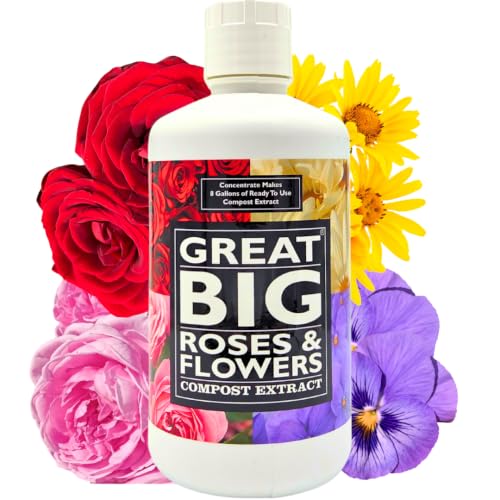
Great Big Roses Fertilizer Booster for Flower Gardens (32 oz)

Miracle-Gro Indoor Plant Food Spikes for All Plants (48 Spikes)

GARDENWISE 8-4-8 Acidic Fertilizer for Acid-Loving Plants (12 oz)
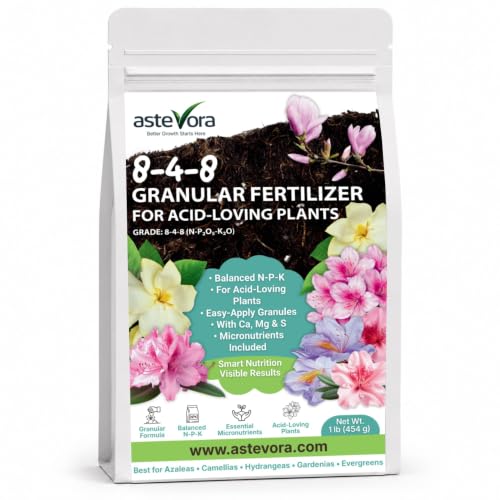
GARDENWISE 8-4-8 Acidic Fertilizer Concentrate (1/2 Quart)

Earth Science Fast Acting Sulfur Granules (5 lb)

Ironite Plus Shrubs & Trees Plant Food Granular 12-10-10 (3 lb)

TPS NUTRIENTS Gardenia Fertilizer Liquid Plant Food (8 oz)

Miracle-Gro Water Soluble Azalea, Camellia, Rhododendron Food (5 lb)

Schultz SPF48270 Slow-Release Bloom Fertilizer 12-24-12 (3.5 lbs)
Taking A Closer Look At The Options
The Fertilome 9-15-13 is the kind of bag that lives in the shed for years, getting measured out by the cupful each spring. Its N-P-K ratio (nitrogen-phosphorus-potassium) tilts toward bloom-building phosphorus, which matters for gardenias since you’re feeding for flowers more than foliage. The 10-pound size is generous, so a single bag covers several foundation shrubs without running dry mid-season.
For gardeners running a mixed acid-loving bed (azaleas, camellias, gardenias in one border) the broad label makes life easier. You don’t have to keep separate fertilizers for each species. Compared to liquid picks later in the list, the granular form releases slowly, so a single application carries plants through several weeks of active growth.
Where It Helps
- The 9-15-13 N-P-K ratio leans into bloom support rather than leafy growth, which suits flowering gardenias well.
- Granular format means one application feeds the plant steadily over weeks, cutting down on repeat trips with a watering can.
- 10-pound bag is enough to cover a foundation planting of four to six mature shrubs across a full season.
- Built for the whole acid-loving family, so it doubles as food for nearby azaleas and camellias.
Things To Consider
- Granular fertilizer needs to be watered in thoroughly to start breaking down, so dry stretches after feeding can slow uptake.
- For a single potted gardenia on a balcony, the 10-pound size is overkill, and a smaller container of the liquid TPS NUTRIENTS pick may suit better.
Key Product Details
Who It Suits Best
Homeowners tending a foundation bed of gardenias alongside azaleas and camellias who want a single dependable granular feed.
Consider Something Else When
Container-only growers with just one or two potted gardenias should reach for the TPS NUTRIENTS Gardenia Fertilizer liquid, since mixing small doses is easier than splitting a 10-pound bag.
Great Big Plants takes a different angle from the granular picks on this list. Instead of replacing your existing fertilizer, it works alongside it, pushing nutrients already in the soil toward the root zone where gardenias can actually use them. The 32-ounce liquid bottle is meant to be diluted and poured at the base of shrubs that look stuck.
The pitch is straightforward: if you’ve been feeding your gardenias regularly and they’re still not setting buds, the bottleneck is often uptake rather than supply. This booster is designed to clear that bottleneck. For a gardener who’s already invested in a baseline fertilizer like the Fertilome 9-15-13 above, layering this on top can be a sensible troubleshooting step.
What Works In Its Favor
- Plays well with existing fertilizer programs, so you don’t have to abandon a feeding routine that’s partially working.
- Liquid concentrate mixes into a watering can, which means nutrients reach the root zone faster than granular feeds can break down.
- Targets the frustration case: gardenias that stay green but refuse to bud up despite regular feeding.
Worth Noting
- The label is built around rose gardens, so you’ll be applying it off-label for gardenias, which means following the dilution closely.
- It’s a booster, not a stand-alone feed, so you’ll still need a primary fertilizer to cover basic N-P-K needs.
- Mixing and applying liquid concentrate takes more hands-on time than driving a spike into the soil.
Built With In Mind
Experienced gardeners troubleshooting gardenias that leaf out well but skip blooming, with a baseline fertilizer already in play.
Where Another Pick Suits Better
Beginners who want a single product that does the whole job will find the Fertilome 9-15-13 easier to manage than a two-step booster plus base fertilizer routine.
Spikes are the lazy-gardener format, and for indoor gardenias, that’s a feature rather than a flaw. The Miracle-Gro Indoor Plant Food Spikes push into the soil of a pot and slowly release nutrients over roughly two months, removing the guesswork of dilution rates. The 48-count box lasts a household a long time, even with multiple houseplants on the same rotation.
Gardenias grown as houseplants face the same acid-loving demands as outdoor shrubs, but the practical reality is you’re feeding a single 6-inch pot rather than a hedge. Spikes fit that scale better than the 10-pound bags earlier in the list. If your indoor gardenia is one of several houseplants, the universal “all plants” labeling means you can rotate the box around the entire indoor collection without buying separate products.
Positive Takeaways
- Insert-and-forget feeding is genuinely hands-off, which suits a windowsill gardenia that gets watered on a regular cadence.
- Two-month release window means only six applications per year, simplifying a feeding schedule.
- The “all plants” labeling makes it easy to share the box across mixed indoor houseplants, not just gardenias.
Trade Offs
- Spikes release at a fixed rate, so you can’t push extra feed during a heavy bloom push the way liquid concentrates allow.
- The “all plants” formula is a generalist, not gardenia-specific, so a serious outdoor grower with chlorosis issues (yellow leaves from iron deficiency) may want the targeted GARDENWISE pick instead.
Feature Snapshot
Made For
Anyone growing a gardenia as a houseplant who wants steady feeding without remembering to mix liquid fertilizer every two weeks.
Skip It When
Outdoor gardenia growers managing multiple in-ground shrubs will burn through 48 spikes quickly and should pick the granular Fertilome bag for better economics.
The GARDENWISE 8-4-8 leans into the iron and micronutrient side of gardenia care. The 8-4-8 ratio is gentler than the 9-15-13 of the Fertilome bag, with a smaller jump in phosphorus, which can matter for gardeners whose soil already has plenty of P but is short on iron. The 12-ounce pouch is sized for smaller growers, container collections, or anyone testing the brand without committing to a 10-pound investment.
The micronutrient profile (magnesium, iron, manganese) is what you’re really paying for. These trace elements drive the deep green leaf color that signals a happy gardenia, and they’re also the nutrients that tend to wash out of container soil fastest. For a potted gardenia on a patio where you’ve watched leaves yellow between veins, this is one of the more targeted fixes on the list.
Features That Help
- Iron and manganese additions directly address chlorosis, the yellow-between-veins leaf pattern common in potted gardenias.
- The 12-ounce size is friendly for small-space gardeners who don’t need a 10-pound bag sitting in a garage.
- Acid-leaning formula helps maintain the low pH gardenias prefer, especially in containers where potting mix tends to drift alkaline over time.
Points To Keep In Mind
- The 12-ounce pouch won’t cover a full foundation planting; expect to use it up within a season on a few shrubs.
- Gentler 8-4-8 ratio means less bloom-boosting phosphorus than the Fertilome 9-15-13, so pairing with a bloom feed in peak season may help.
Core Details
Right Fit For
Container gardeners watching for yellowing leaves who want a small-format, micronutrient-forward feed without buying a full-size bag.
Not Your Match When
Owners of a large in-ground gardenia hedge should skip this pouch and reach for the Earth Science sulfur granules or the bulk Fertilome bag to cover the full planting.
The liquid version of the GARDENWISE 8-4-8 trades the dry pouch for a half-quart concentrate bottle. Same micronutrient profile (iron, magnesium, manganese) as the powder form above, but in a format that mixes into a watering can for faster root uptake. Liquid feeds typically show results in days rather than weeks, which matters when a gardenia is actively struggling.
Concentrate bottles like this also give you finer control over dose. A dilute feed every two weeks through the growing season often beats a heavy monthly dose, especially in containers where salt buildup can scorch roots. The 1/2 quart size is enough for a season or two of regular feeding on a small patio collection.
A Few Strong Suits
- Liquid format reaches roots within a watering cycle, faster than granular fertilizer can break down in cool soil.
- Allows light, frequent feeding, which is the gentler approach container gardenias respond to over time.
- Same iron and manganese profile as the dry GARDENWISE pouch, so growers get the chlorosis-fighting benefits in either format.
Points To Note
- You have to remember to mix and apply on schedule; the convenience of a spike like the Miracle-Gro pick above isn’t there.
- Half-quart bottle may run short for anyone feeding a row of gardenias rather than a single specimen plant.
Feature Card
Who Should Grab It
Patio gardeners with a few potted gardenias who prefer the control of a liquid feed and want micronutrient support without the guesswork of dry measuring.
Look Elsewhere When
Anyone managing more than a handful of shrubs will find the half-quart bottle runs out fast, and the bulkier Earth Science sulfur granules offer better long-term value for big beds.
Sulfur isn’t a fertilizer in the traditional N-P-K sense. It’s a soil conditioner that gradually lowers pH, which is exactly what gardenias need when planted in alkaline dirt. The Earth Science Fast Acting Sulfur Granules work on the soil itself rather than the plant, opening up iron and manganese availability that alkaline conditions tend to lock away.
The 5-pound bag treats a meaningful area, enough for a small lawn section or several gardenia shrubs in a single pass. Used as a one-time soil prep before planting, or as a top-dress on established beds, sulfur is the long-game move. Most gardeners who test their soil and find pH above 6.5 will recognize this product as the answer to years of “why are my gardenias yellow no matter what I feed them.”
Where It Delivers
- Addresses the root cause of chlorosis in alkaline soil rather than just masking it with iron sprays.
- 5-pound bag covers a multi-shrub bed in a single application, with leftover for touch-ups the following season.
- Long-lasting effect means you reapply less often than liquid pH adjusters.
Small Caveats
- Sulfur works slowly, so a pH correction takes months, not days; you won’t see green leaves rebound overnight.
- It’s a soil amendment, not a complete feed, so you still need a baseline fertilizer like the Fertilome 9-15-13 alongside it.
Perfect Match For
Gardeners in regions with alkaline native soil (parts of the Southwest, coastal areas with limestone bedrock) who need to fix pH before any fertilizer can do its job.
Another Choice May Suit
Container gardeners working with fresh acidic potting mix won’t need sulfur, and the GARDENWISE liquid concentrate is a more direct route to micronutrient support in pots.
Ironite’s reputation is built around the 2% iron content in the formula, which is unusually high for a granular shrub food. The 12-10-10 N-P-K ratio is a more conventional balanced feed than the GARDENWISE 8-4-8, so it brings general nutrition plus that iron punch in a single pass. The 3-pound jug is sized for a small planting of foundation shrubs or a row of hedges.
Gardenias that look pale despite decent watering and feeding often point to iron availability, not nitrogen. The “fast-acting nutrients” claim in the source notes hints at quicker green-up than slow-release options, which matters if you’re trying to rescue a shrub that looks stressed mid-season. The trade-off is that Ironite is broad-spectrum rather than gardenia-specific, so you’re trusting the iron to do most of the work.
The Value In It
- 2% iron content is high for the category, and that iron drives the deep green color gardenias are supposed to carry.
- Balanced 12-10-10 ratio covers general nutrition while the iron addresses the specific leaf-yellowing issue.
- 3-pound format hits a useful middle ground between the 12-ounce GARDENWISE pouch and the 10-pound Fertilome bag.
Some Limits To Know
- Labeled broadly for shrubs and trees, not specifically for acid-loving plants, so pH adjustment may still be needed in alkaline soil.
- Granular form needs watering in to start working, so results won’t show as fast as the liquid GARDENWISE concentrate.
Technical Reference
Whose Shelf It Belongs On
Suburban gardeners with a mix of gardenias and other flowering shrubs who want one granular product that handles iron plus general nutrition.
Swap It Out When
Anyone running an all-gardenia planting in confirmed acidic soil will get more targeted results from the GARDENWISE 8-4-8 pouch.
The TPS NUTRIENTS Gardenia Fertilizer is the only product on this list formulated specifically for gardenias rather than the broader acid-loving category. That narrow focus is the appeal: a liquid built around the nutrient ratios and pH range that gardenias actually respond to, without the extras that broader feeds carry for other shrubs.
The 8-ounce bottle is small, but liquid concentrate goes a long way when diluted into a watering can. For someone with a single prized potted gardenia on a sunny porch, this size is realistic to finish within a season rather than letting concentrate age past its useful window. Container use is the obvious fit, though the same bottle can service a small in-ground gardenia if mixed carefully.
Useful Highlights
- Gardenia-specific formulation removes the guesswork of figuring out whether a general acid feed is the right balance.
- Liquid format works quickly, which suits container plants that need fast turnaround during active growth.
- 8-ounce bottle is a realistic size to finish in one season for a single plant owner, avoiding wasted concentrate.
Room For Improvement
- Smaller bottle means per-ounce cost is higher than the bulkier picks like the Earth Science sulfur granules.
- A specialty product like this is overkill for a mixed bed where general acid feeds already cover the planting.
Best Suited To
Owners of one or two prized gardenia plants who want a purpose-built liquid feed and don’t need bulk coverage for a hedge.
A Better Fit Elsewhere
Growers feeding a row of gardenias along a foundation should pick the granular Fertilome 10-pound bag for better value and broader coverage.
Miracle-Gro’s water-soluble powder is the format most casual gardeners already recognize, a scoop mixed into a watering can and applied every couple of weeks. The azalea, camellia, rhododendron version extends the brand’s familiar feeding system to acid-loving plants, with gardenias listed right on the target list along with hibiscus, hollies, and orchids.
The 5-pound tub covers a meaningful planting across a full season, and the soluble format gives you the same quick uptake as the GARDENWISE liquid concentrate at a lower per-use cost. For a gardener who already keeps a watering can and a fertilizer scoop as part of the routine, this is a low-friction addition rather than a new system to learn.
Practical Pluses
- Soluble powder dissolves cleanly, so there’s no risk of concentrated droplets burning foliage the way some liquids can.
- 5-pound tub is a practical middle size, big enough for a foundation planting without sitting half-used for years.
- Labeled for a wide range of acid-lovers, so one tub can rotate through gardenias, azaleas, and camellias across a single yard.
Things To Weigh
- Soluble feeding requires mixing before every application, which is more time than spike feeding or granular.
- The formula is broad-spectrum across acid-lovers, not gardenia-tuned like the TPS NUTRIENTS liquid.
Feature Facts
The Right Fit
Gardeners with a mixed acid-loving bed who already use watering-can feeding and want a familiar powder format from a recognizable brand.
Reach For A Different Pick When
Anyone who forgets regular feeding schedules will benefit more from the Miracle-Gro Indoor Spikes, which remove the mixing step entirely.
The Schultz 12-24-12 is the bloom-forward option in the lineup, with phosphorus at the center of the formula. The slow-release design means one application feeds the plant over an extended window, which suits gardeners who’d rather not re-apply fertilizer every few weeks. The 3.5-pound container lands between the small specialty bottles and the heavy 10-pound foundation bags in size.
It’s worth noting the label here is bloom-focused rather than acid-focused, which is a slight mismatch for gardenias. The high phosphorus drives flower development, but the formula isn’t specifically tuned for acid-loving plants in the way the Fertilome 9-15-13 is. For gardeners running gardenias in already-acidic soil, that trade-off may be acceptable. For alkaline-soil growers, the Schultz alone won’t fix pH the way the Earth Science sulfur will.
Notable Upsides
- 12-24-12 N-P-K ratio is the most bloom-focused in this roundup, doubling down on flower production.
- Slow-release format means fewer applications per season, which suits gardeners who feed and forget.
- 3.5-pound size fits a small foundation planting without going overboard.
Honest Caveats
- Label is bloom-focused rather than acid-loving-specific, so pH management has to come from another product in alkaline soil.
- Slow-release granules need watering in to activate, so the first feeding takes longer to show results than liquid options.
Who Will Love This
Gardenias planted in already-acidic soil where the goal is pushing maximum bloom production without frequent reapplication.
Not Your Match When
Alkaline-soil growers who need pH correction should pair the Earth Science sulfur granules with the Fertilome bag rather than relying on a generic bloom feed.
Factors To Consider When Choosing Foods For Gardenias
Gardenias ask for a specific combination: acidic soil, steady iron, and a phosphorus-to-nitrogen ratio that favors flowers over leaves. The first question to answer is whether your soil pH is already in the right zone. Anything below 6.0 is gardenia-friendly, while readings above 6.5 push toward yellowing leaves regardless of how much fertilizer you pour on. The Earth Science sulfur granules and the GARDENWISE formulas both address pH, with sulfur working the soil and micronutrient feeds working the plant.
Format matters as much as formula. Granular fertilizers like the Fertilome 9-15-13 release slowly and need only a few applications per season, which suits low-maintenance gardeners. Liquid concentrates (the GARDENWISE 1/2 quart and TPS NUTRIENTS) deliver nutrients within days and give finer control over dose, which suits attentive growers with container plants. Spikes sit at the far end of the convenience scale.
Container versus in-ground is the other big split. Potted gardenias lose nutrients and pH faster than in-ground shrubs, so they benefit from lighter, more frequent feeding. Bulk granular bags are wasted on a single pot, while a small liquid bottle suits a balcony collection. Foundation plantings of three or more gardenias usually justify the larger bag sizes.
What Matters Most When Picking A Gardenia Food
Pitfalls Shoppers Hit
The most common mistake is choosing a general-purpose lawn or vegetable fertilizer because it’s familiar. Gardenias need acid-leaning formulas, and standard balanced feeds push soil pH in the wrong direction over time. A second common slip is feeding on a fixed calendar rather than watching the plant: gardenias in active growth need more, while dormant shrubs need almost nothing. Overfed gardenias drop buds and burn leaf edges faster than underfed ones.
A third trap is ignoring soil pH entirely. Adding iron to alkaline soil is like adding water to a full bucket; the iron locks up before roots can use it. Testing pH once a season with an inexpensive probe keeps that variable in check.
Where The Extra Money Goes
The price jump between a generic bloom feed and a dedicated acid-loving formula pays for two things: iron and micronutrients in forms that stay available at low pH, and a phosphorus ratio that supports bud set rather than just vegetative growth. Specialty liquids like the TPS NUTRIENTS Gardenia Fertilizer add a third layer: a formula tuned for one species rather than a family of shrubs.
That upgrade is worth paying for when a single gardenia is a feature plant you can see from the kitchen window. For a hedge you only notice from the driveway, the broader feeds deliver most of the benefit at a lower cost. Knowing which plant is the focal point helps decide where to spend.
Frequently Asked Questions
How Often Should I Feed My Gardenia?
Most gardenias do well with feeding every four to six weeks during the active growing season, slowing or stopping entirely in winter when growth slows. Container plants in smaller pots may need lighter doses every two weeks because nutrients leach out faster with frequent watering. Slow-release granular options reduce the schedule to two or three applications per year.
Can I Use Regular All-Purpose Fertilizer On Gardenias?
Standard all-purpose fertilizers are generally too high in nitrogen and too low in acid-loving micronutrients for gardenias, leading to leafy growth at the expense of flowers and yellowing leaves over time. A formula specifically labeled for acid-loving plants, like the ones in this roundup, matches the nutrient profile gardenias evolved to use. For most gardeners, the dedicated approach pays off in noticeably better bloom counts.
Do Gardenias Need Acidic Soil To Bloom?
Yes, gardenias struggle to bloom in alkaline soil even with correct feeding, because iron and manganese lock up and become unavailable to roots. Soil pH below 6.0 keeps those nutrients accessible. Where pH testing shows higher readings, soil amendments like sulfur granules bring the soil back into range over a season or two.
Should I Fertilize A Gardenia That’s Stressed Or Dropping Buds?
Hold off on heavy feeding when a gardenia is dropping buds from stress, since the underlying cause is usually watering, temperature, or light rather than nutrients. A light dose of a balanced acid feed once conditions stabilize is enough; aggressive fertilization on a stressed plant can scorch roots. Diagnose the environment before adding more fertilizer.
Is Liquid Or Granular Fertilizer Better For Gardenias?
Neither format is universally better, and the choice depends on your style. Liquids act within days and allow dose control, which suits attentive container gardeners. Granulars release over weeks and require fewer applications, which suits larger in-ground plantings. Many experienced gardeners use both, granular as a baseline and liquid as a bloom-season boost.
Wrap Up
The right gardenia food depends on what your plant is actually asking for, and that answer changes based on pot size, soil pH, and how often you like to feed. For most gardeners, starting with a soil pH test and an acid-loving granular like the Fertilome 9-15-13 covers the basics, while specialized picks like the TPS NUTRIENTS liquid or the Earth Science sulfur fill specific gaps. Match the format to your routine and the rest tends to take care of itself, season after season.
