

Picking fruit trees for a Texas yard means juggling heat tolerance, chill hours, and soil that swings from bone-dry to soggy in a single season. The right variety shrugs off a 100-degree August and still sets fruit the following spring. This roundup lines up live plants, dwarf options, and region-specific guides that take the guesswork out of choosing what to put in the ground.
The Picks In Brief
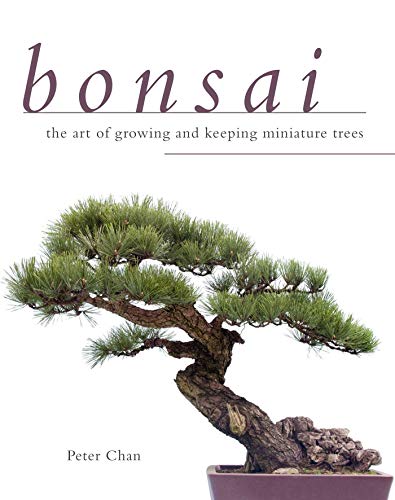
Bonsai: The Art of Growing Miniature Trees

Wellspring Gardens Beer’s Black Fig Tree (2-Pack)
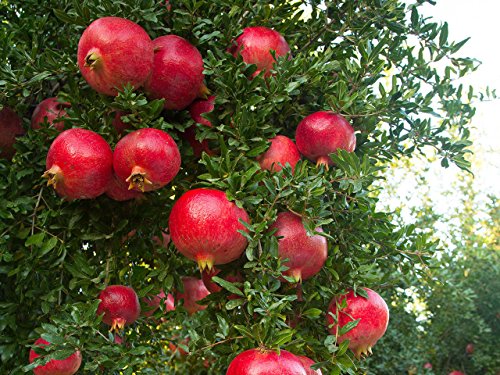
High Desert Nursery Wonderful Pomegranate Dormant 5-8 In

Jim Kamas Growing Grapes in Texas (Kindle)

PERFECT PLANTS Wonderful Pomegranate Tree 1 Gal

Trey Watson Southern Gardener’s Guide to Fruit Trees
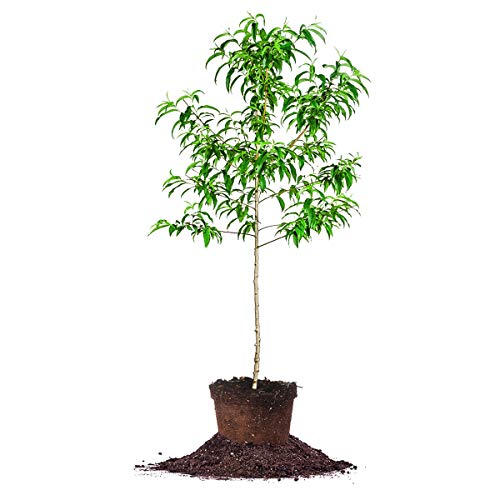
PERFECT PLANTS Santa Rosa Plum Tree 4-5 ft

Wekiva Foliage Patio Fruit Variety Pack (4 Plants)
Taking A Closer Look At The Options
A Kindle edition of Peter Chan’s bonsai primer fits a different lane than the live trees on this list, and that is the point. Container-craft gardening rewards readers who want to learn pruning, wiring, and watering discipline on a small indoor or patio specimen before committing to a backyard orchard.
For anyone in a Houston apartment or a North Texas patio who wants an artistic hobby that produces actual fruit, this book walks through the horticultural basics of keeping miniature trees alive in shallow pots. The text pairs naturally with the live plant picks later in this roundup, especially the dwarf fig from Wellspring Gardens.
The Upside
- Portable Kindle format, readable on phone, tablet, or e-reader in the garden.
- Covers the container fundamentals you reuse on dwarf fruit specimens.
- Good fit for shaded patios where full-size trees would never fruit.
Things To Consider
- Digital only, so a reader who prefers a paper reference has to look elsewhere.
- Focuses on bonsai technique more than Texas-specific climate notes.
Who It Suits Best
Apartment dwellers and hobbyists who want a container-friendly entry into fruit cultivation before scaling up to a real tree.
Where Another Pick Suits Better
You will get more hands-on value from the PERFECT PLANTS Wonderful Pomegranate if your goal is a backyard harvest rather than a tabletop hobby.
Wellspring Gardens ships a pair of Ficus carica ‘Beer’s Black’ starters in 3-inch-deep pots, standing 3 to 8 inches tall on arrival. The dwarf habit tops out at 12 to 20 feet, which still sounds tall until you remember that ordinary figs can run 30 feet and swallow a fence line. Two trees also give you a built-in pollination buffer even though figs are largely self-fertile.
Cold-hardy through USDA Zones 6 to 10, this fig handles the North Texas chill that sidelines the pomegranate picks covered later. It transplants into either a container or in-ground bed, and the dark-fruited cultivar gives a richer flavor than the common green varieties most nurseries push.
What Makes Sense
- Two-pack pricing offers better value per tree than single-stem offerings.
- Dwarf habit fits a balcony or courtyard where full-size figs would dominate.
- Tolerates partial shade, helpful on the east side of a fence.
Trade Offs
- Arrives small at 3 to 8 inches, so expect a two-to-three-year wait for a meaningful harvest.
- Owners commonly report transplant shock when the 3-inch starter pot is bumped up too aggressively.
Quick Facts
Made For
Backyard growers in USDA Zones 6 to 10 with limited space who still want a real fig harvest.
Not Your Match When
Choose the PERFECT PLANTS Wonderful Pomegranate if you want a faster fruit payoff on a single showy specimen tree.
High Desert Nursery lists this Wonderful pomegranate as dormant, shipped in a 2.5 x 2.5-inch pot at 5 to 8 inches tall. Dormant shipping is actually a plus: the plant travels with less stress and wakes up in sync with your spring planting calendar. Mature size runs 5 to 15 feet depending on how you prune it as a shrub or small tree.
Hardy in USDA Zone 9 and above, this pick targets the southern third of Texas where Hill Country and Panhandle winters would damage it. The trade-off is that you are looking at a 2 to 5-year window before flowers appear, and aphid, mealybug, and scale pressure can show up in humid Gulf Coast summers.
Notable Gains
- Low entry price for a named ‘Wonderful’ cultivar rather than a generic seedling.
- Dormant shipping reduces transplant loss for a nervous first planter.
- Handles any sun exposure once established, useful for tricky courtyards.
Honest Caveats
- USDA Zone 9 limit rules out North Texas and most of the Panhandle.
- Growth speed is slow, so patience matters through the first three seasons.
- Overwatering is the most common failure mode with new pomegranate owners.
Feature Snapshot
Best Suited To
South Texas and Gulf Coast planters working with a tight budget and a long-term horizon.
Look Elsewhere When
Pick the PERFECT PLANTS Santa Rosa Plum if you live north of San Antonio and need a stone fruit that handles colder winters.
Jim Kamas’s Texas A&M AgriLife guide is a digital title aimed at the gap between commercial vineyard manager and hobby trellis builder. It belongs on this list because grapes are a real fruit crop for Texas, and the region-specific detail in the AgriLife series beats generic grape books written for Oregon or New York readers.
You will get more from this Kindle title if your interest runs toward muscadines, Blanc du Bois, or the high-elevation Hill Country varieties. For backyard citrus or stone fruit, the Watson book reviewed later is the better companion.
Notable Upsides
- Backed by Texas A&M AgriLife research, not a generic author with no regional track record.
- Covers the backyard-to-commercial scale, helpful as your trellis expands.
- Kindle delivery lands the reference on your phone for quick field checks.
Points To Keep In Mind
- Grape focus means it is a complement, not a substitute, for a broader fruit tree guide.
- Kindle-only format rules out a dog-eared paper copy for the potting bench.
Feature Rundown
Who Should Grab It
Vineyard-curious Texans who want an extension-grade reference before committing to trellis posts and rootstock.
Swap It Out When
Reach for The Southern Gardener’s Guide to Growing Fruit Trees if your interest spans citrus, figs, and stone fruit rather than grapes alone.
PERFECT PLANTS ships a 1-gallon Wonderful pomegranate that arrives noticeably larger than the High Desert starter covered earlier. Self-fertile means no second tree is required for fruit set, which solves the most common backyard question: do I need two? The answer here is no, and the orange-red spring blooms double as an ornamental show before the heavy fruit ripens in mid to late September.
Compared to the High Desert Nursery dormant starter, this live actively growing plant shortens your wait to first harvest. The trade-off is a higher price per tree, and you will still need to confirm that your USDA zone lines up with the cultivar’s chill and heat tolerance.
The Good Stuff
- Self-fertile, so a single tree produces a full crop on its own.
- 1-gallon size cuts a season off the typical first-fruit timeline.
- Spring flowers add ornamental value before the fruit even sets.
Small Caveats
- One tree only, so backup pollination still needs a neighbor’s tree if you want maximum yield.
- Active growth on arrival means shipping stress is more visible than with the dormant option.
Key Specs
Perfect Match For
Home orchardists who want one showy, productive pomegranate tree without managing a pollination pair.
Another Choice May Suit
Try the High Desert Nursery Wonderful Pomegranate if you would rather start cheaper and accept the longer wait to first fruit.
Trey Watson’s Kindle guide zooms out from any single species and walks through the broader southern orchard picture. It is a useful companion if you are starting from a blank slate and want to understand chill hours, heat tolerance, and pollination basics before you pick a tree from the live-plant options on this list.
Pair this with the live picks and you have a planning layer plus a planting layer. The grape-specific Jim Kamas title reviewed earlier is the deeper dive if your interest narrows to vineyard crops.
The Helpful Details
- Southern U.S. focus, so chill-hour and humidity advice maps to Texas conditions.
- Kindle format is easy to reference at the garden center.
- Multi-species coverage, helpful when comparing the fig, plum, and pomegranate picks here.
Practical Considerations
- Broader scope means less depth on any one species than a dedicated guide.
- Digital-only, so no physical book for a potting bench reference.
Who Will Love This
First-time Texas orchardists who want a single overview title before committing to specific trees.
Where A Sibling Pick Shines
Pick the Jim Kamas grape guide instead if your project centers on a backyard trellis rather than a mixed orchard.
PERFECT PLANTS ships a Santa Rosa plum at 4 to 5 feet tall, well past the starter stage. The cultivar dates to 1885 and has earned its longevity by handling a wider hardiness range than most plums, sitting comfortably in USDA Zones 6 through 10. Self-fertile means you only need one tree for fruit, and the deep purple plums ripen mid-summer when nothing else in the orchard is producing.
Compared to the fig and pomegranate picks on this list, the Santa Rosa brings a stone-fruit option that tolerates heat and has stronger cold hardiness than the pomegranate. White spring flowers also give it ornamental value before fruit sets.
What Stands Out
- Hardiness Zones 6 to 10 cover most of Texas, from Amarillo to the Gulf Coast.
- Self-fertile, so a single tree sets a full crop.
- Notable heat tolerance gives it an edge over other plum varieties in central Texas.
- 4 to 5-foot arrival size shortens the wait to first harvest.
Less Ideal Details
- Shipping restrictions exclude California, Arizona, and Hawaii, so confirm your state eligibility before checkout.
- Stone fruit generally needs more chill than pomegranates, marginal in deep South Texas.
Feature Snapshot
Built With In Mind
Central and North Texas growers who want a low-maintenance stone fruit with real heat tolerance.
Skip It When
Choose the Wekiva Foliage Patio Fruit Variety Pack if you want to trial several species in one order before committing to a single tree.
Wekiva Foliage bundles one each of fig, blueberry, pineapple, and pomegranate starter plants in a single Grower’s Choice shipment. The grower’s-choice angle means the specific cultivars shift with seasonal availability, so you trade exact variety control for the chance to trial four species in one box.
For a curious first-time grower, this is a lower-risk way to test which fruit species your soil, sun, and patio microclimate actually support before you invest in a single 1-gallon showpiece like the PERFECT PLANTS pomegranate or the Santa Rosa plum covered earlier.
Where It Excels
- Four species in one shipment lets you compare real performance in your soil.
- Starter sizes keep the entry cost down across four plants.
- Good fit for patio and apartment growers with limited space.
Things To Weigh
- Grower’s choice means you cannot lock in named cultivars like the Santa Rosa plum.
- Pineapple is a tropical that may struggle in North Texas without overwintering indoors.
- Four small plants divide into four separate watering and feeding routines.
The Right Fit
First-time patio fruit growers who want a sampler before committing to a single species investment.
Reach For A Different Pick When
Choose the Wellspring Gardens Beer’s Black Fig if you already know you want figs and want a two-pack of named dwarf starts instead.
Factors That Matter When Choosing Fruit Trees For Texas
Match The USDA Zone Before Anything Else
Texas spans roughly Zones 6 through 9, and a pomegranate rated for Zone 9 will not survive a Panhandle winter. Confirm the zone on the plant label and cross-check it against your county before you commit. The Santa Rosa plum and the Beer’s Black fig both rate Zone 6 to 10, which is why they earned spots on this list. The High Desert pomegranate, by contrast, only handles Zone 9 and above, so it suits South Texas gardens specifically.
Decide Between In-Ground And Container
Container growing shortens your soil and watering control but limits mature size. The Wellspring fig and the bonsai primer both target container culture, while the PERFECT PLANTS pomegranate and the Santa Rosa plum ship at sizes that move directly into a prepared bed. Pick the format that matches your space and how much daily care you want to give.
Think About Pollination And Spacing
Self-fertile trees like the Wonderful pomegranate and the Santa Rosa plum produce fruit on a single specimen, which matters on small lots. Other species want a pollination partner within 50 feet for a real crop. Plan spacing now, because moving a five-year-old tree is the kind of chore that turns gardeners off the hobby.
Key Considerations Across These Picks
Pitfalls Shoppers Hit
First-timers often chase a fruit they like at the grocery store without checking chill-hour compatibility for their region. A navel orange that thrives in the Rio Grande Valley will not set fruit in North Texas, and a high-chill apple variety will not break dormancy on the Gulf Coast. Read the hardiness and chill-hour numbers on the listing before you fall in love with the photo. Another common slip is planting a dormant starter straight into amended soil and then watering on a daily schedule, which suffocates roots and kills the plant faster than drought would.
Where The Extra Money Goes
The jump from a 2.5-inch liner to a 1-gallon container is not just a size difference. A larger root mass handles transplant shock better, shortens the wait to first fruit, and gives the plant a stronger defense against a sudden Texas heat wave. The PERFECT PLANTS pomegranate and the 4 to 5-foot Santa Rosa plum both earn their higher price by giving you a season or two back on the harvest timeline, which matters when you are planting a single tree as the centerpiece of a yard.
Frequently Asked Questions
What is the easiest fruit tree to grow in Texas?
Figs and pomegranates are widely considered the easiest because they tolerate alkaline soil, summer heat, and inconsistent rainfall once established. The Beer’s Black fig and the Wonderful pomegranate both earn a place on this list for that reason.
When is the best time to plant fruit trees in Texas?
Late winter through early spring, after the last hard freeze, gives roots time to establish before summer stress arrives. Dormant plants like the High Desert pomegranate can go in even earlier because they are not actively growing yet.
Do I need more than one tree for pollination?
It depends on the species. Self-fertile trees like the Santa Rosa plum and the Wonderful pomegranate fruit on a single specimen, while many apple and pear varieties need a compatible partner within about 50 feet. Check the listing before checkout.
Can I grow fruit trees in containers on a patio?
Yes, especially with dwarf cultivars like the Beer’s Black fig and the bonsai-friendly species covered in the Peter Chan primer. Container trees need more frequent watering and a quarterly feeding schedule, but they fruit reliably when pot size matches the mature root system.
How long until a newly planted fruit tree produces?
Most live plants on this list take two to five years to set a meaningful crop, with the smaller starter sizes sitting at the longer end. The 1-gallon PERFECT PLANTS pomegranate and the 4 to 5-foot Santa Rosa plum shorten that window because they arrive closer to fruiting size.
Closing Remarks
Match the tree to your zone first, then to your patience level. The PERFECT PLANTS Santa Rosa plum is a strong anchor for most Texas yards, while the Wellspring fig earns its spot on smaller patios. A regional guide like Trey Watson’s book pairs well with any live plant, and the right match today sets up a harvest you will appreciate for the next decade.
