

Gardening in Zone 9 opens a long, generous growing window that stretches from late winter through late fall, so the right tree can fruit for months rather than weeks. The challenge is sorting through dozens of options at the nursery and figuring out which actually tolerate warm summers, mild winters, and the occasional surprise cold snap. This lineup focuses on trees that match Zone 9’s climate, fit a range of yard sizes, and give you real, edible harvests without constant babysitting.
The Leading Options At A Glance

Wellspring Gardens Chicago Hardy Fig Starter

Garden State Bulb Meyer Lemon Tree

Fam Plants Mulberry Dwarf Everbearing (4 Pack)
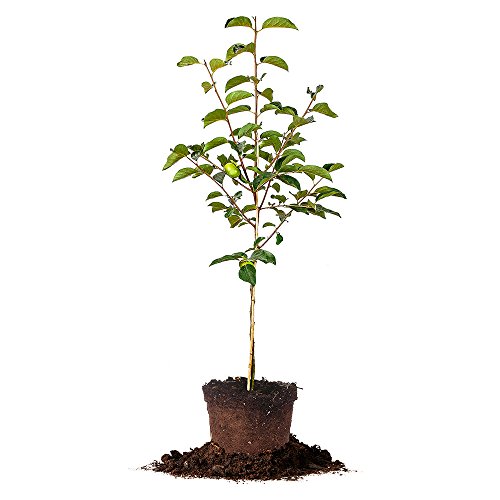
Perfect Plants Fuyu Persimmon Tree

CZ Grain Sweet American Plum Seedlings (2)

Fam Plants Chicago Hardy Fig (4 Pack)

Perfect Plants Russian Pomegranate Tree

DAS Farms Contender Peach Tree

Fam Plants Barbados Cherry (4 Pack)
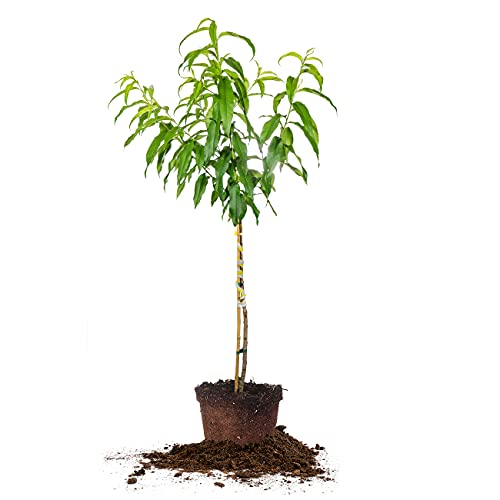
Perfect Plants Flordaking Peach Tree
Inside Each Recommended Option
You receive a young tissue-cultured sapling, 3 to 8 inches tall, in a 3-inch-deep pot, sized for a patient gardener who enjoys watching a tree develop from the start. The Wellspring Gardens Chicago Hardy Fig is a useful anchor for Zone 9 yards that sit near the colder edge, where winter temperatures occasionally dip lower than the surrounding climate. Mature trees reach 15 to 20 feet in full sun, producing medium purple fruit early in the season.
Compared to the Fam Plants 4-pack later in this list, this single plant costs more per tree but arrives as a smaller, more delicate starter that benefits from attentive early care. It suits someone with a defined planting spot and patience for the first season.
Useful Highlights
- Handles chill-hour Zone 9 locations and occasional cold snaps
- Tissue-cultured (a lab propagation method that produces genetically uniform, disease-clean stock) for strong early growth
- Compact pot size keeps shipping and handling gentle on the young plant
- Early-fruiting variety delivers a harvest within a couple of seasons
Honest Caveats
- Single starter means no backup if the first plant struggles
- Small 3 to 8 inch size demands careful watering and weed control in year one
Right Fit For
Patient Zone 9 gardeners who want one well-tended fig rather than a bulk bundle.
A Better Fit Elsewhere
The Fam Plants Chicago Hardy Fig 4-pack suits shoppers who want multiple plants for hedging or a larger edible landscape on a tighter budget.
A one-gallon nursery pot holds a young Meyer lemon, a hybrid between a lemon and a mandarin orange that produces sweeter, less acidic fruit than grocery store lemons. The Garden State Bulb Meyer Lemon Tree ships in temperature-controlled packaging and fits Zone 9 hardiness ratings of 8 through 11, so it lives outdoors in most of the region and overwinters indoors in colder pockets. Light requirements are flexible: full sun outdoors or a bright window indoors.
Compared to the bare-root fig and plum picks in this list, this tree arrives with more developed foliage, which shortens the wait for a mature look. The catch is the restricted shipping list, so anyone in FL, AZ, CA, TX, or LA will need to look at a different citrus source.
The Good Stuff
- Self-pollinating, so a single tree fruits without a partner nearby
- Suitable for containers, patios, and indoor bright spots
- Meyer lemons pull double duty as ornamental foliage and kitchen fruit
Soft Spots
- Restricted shipping rules exclude five southern states, including most of Zone 9b citrus country
- Container-grown citrus needs regular feeding and careful watering to fruit well
Perfect Match For
Patio growers outside the restricted shipping states who want fragrant blooms and kitchen-ready lemons within reach.
Reach For A Different Pick When
The Perfect Plants Russian Pomegranate Tree fits shoppers who want a low-maintenance, in-ground option that does not require a container or indoor wintering plan.
Four starter mulberries arrive together in this bundle, an attractive option for a privacy hedge, edible screen, or several gifts for friends with small yards. The Fam Plants Mulberry Dwarf Everbearing reaches a mature 6 to 10 feet, a true dwarf that slips into tight spaces where a 20-foot fig would be overwhelming. Fruits are sweet, dark, and resemble elongated blackberries from late spring through summer.
Where the Wellspring fig is a one-tree commitment, this 4-pack lets you plant a row and cross your fingers on a few that succeed. The honest read is that small starter plants need watchful watering the first summer, especially in well-draining raised beds.
Where It Delivers
- Four plants in one shipment lower the per-tree cost for hedgerow planting
- Dwarf mature height fits small yards and large containers
- Self-pollinating, so one surviving plant still fruits
Where It May Fall Short
- Starter size means each plant needs careful establishment the first season
- Mulberry fruit drops and stains patios, so placement near walkways needs thought
Key Product Details
Who It Suits Best
Small-yard growers who want a row of dwarf fruit trees and the safety net of multiple plants in one shipment.
Where Another Pick Suits Better
The CZ Grain Sweet American Plum Seedlings fit shoppers focused on a backyard orchard with classic stone fruit rather than a hedgerow of mulberries.
Shipped at 3 to 4 feet tall, the Perfect Plants Fuyu Persimmon arrives larger than most starters on this list, which shortens the path to a fruit-bearing tree. Fuyu is the non-astringent (meaning the fruit can be eaten firm without that puckering, dry-mouth sensation some persimmons cause) cultivar most home gardeners recognize, and it bears acorn-shaped orange fruit you can eat right off the branch. The tree is self-pollinating and easy to manage once established.
Compared to the Flordaking peach in the final review, this persimmon tolerates more soil variation and is friendlier to a first planting. Mature size climbs 15 to 20 feet, so plan for a sunny back corner rather than a foundation bed.
What Helps Most
- Self-pollinating with a typical 1 to 2 year window to first fruit
- Non-astringent fruit removes the timing guesswork at harvest
- Larger starter height means less vulnerability to weeds in year one
Trade-Offs To Consider
- Full 15 to 20 foot mature height requires planning for canopy spread
- Persimmon fruit drop can be messy if the tree sits over a patio
Whose Yard It Belongs In
First-time fruit tree planters who want a forgiving, low-fuss tree that fruits without a pollinator partner.
Swap It Out When
The Perfect Plants Flordaking Peach Tree is a stronger fit for Zone 9 gardeners who want classic summer stone fruit instead of fall persimmons.
Two well-rooted one-year-old seedlings, 12 to 18 inches tall at planting, ready to go into the ground. The CZ Grain Sweet American Plum grows into a 12 to 15 foot tree, a useful middle size between dwarf mulberry and full-size persimmon. Plum trees typically benefit from cross-pollination, so a two-pack is a practical starter set for a small home orchard rather than a single specimen.
Compared to the fig 4-packs earlier, this option is a more traditional orchard move. It needs full sun, six to eight hours daily, and consistent moisture during establishment.
Notable Upsides
- Two seedlings support cross-pollination for fuller harvests
- Moderate 12 to 15 foot mature size suits a back-forty or fence line
- One-year rooted stock establishes faster than starting from seed
Some Limits To Know
- Plum trees need regular early pruning to develop a strong scaffold (the main structural branches that support fruit load)
- Birds target ripening plums, so netting or reflective deterrents are common
Feature Snapshot
Who Should Grab It
Backyard orchard builders who want a traditional stone fruit layout rather than a tropical or citrus alternative.
Look Elsewhere When
The Fam Plants Barbados Cherry 4-pack fits gardeners who prefer a heat-loving tropical cherry over a temperate plum.
Four rooted Chicago Hardy fig plants, marketed as cold-hardy down to -10°F, bundled into a single shipment for edible landscaping or hedging. The Fam Plants Chicago Hardy Fig 4-pack is the more economical cousin to the single Wellspring starter, and it works for gardeners who want several figs spaced along a fence or driveway. Zone 9 conditions rarely stress these plants on the cold side; heat is the bigger factor in inland yards.
Versus the mulberry 4-pack, this option produces larger fruit that handles kitchen use (jams, roasting) better than mulberries, which are best eaten fresh or baked. Buyers should expect some variance in plant size on arrival, as starter bundles rarely arrive uniform.
Practical Advantages
- Four plants spread out establishment risk in a new edible landscape
- Chicago Hardy tolerates colder pockets at the edge of Zone 9
- Figs are versatile in the kitchen, from fresh to grilled to jam
Things To Weigh Up
- Starter plants vary in size, so first-year growth may be uneven
- Fig roots can be aggressive near sewer lines or shallow foundations, so site selection matters
Best Suited To
Edible landscape builders who want a row of fruit-bearing figs on a tighter budget than a single premium starter allows.
Not Your Match When
The Wellspring Gardens Chicago Hardy Fig Starter is the better pick for shoppers who want one well-tended tree in a visible front-yard spot rather than a back-fence row.
Shipped in a one-gallon pot, the Perfect Plants Russian Pomegranate Tree produces edible fruit, vibrant orange-red blooms, and a manageable growth habit that fits small yards. The cultivar is self-fertile (a single tree sets fruit without a second variety for pollination), so you do not need a planting partner, and the flowering display in mid-spring doubles as ornamental value. Russian pomegranates handle warm, dry summers well, which suits inland Zone 9 sites.
Compared to the persimmon earlier, this pomegranate gives you a longer visual show through bloom and fruit stages. It is not recommended as a house plant, so plan for an outdoor bed.
What Works In Its Favor
- Showy spring blooms add ornamental value beyond fruit
- Self-pollinating eliminates the need for a second tree
- Drought tolerance suits hot, dry parts of Zone 9
Points To Keep In Mind
- Outdoor planting only, not suited to indoor container life
- Best fruit set comes with deep, infrequent watering rather than daily sprinkles
Quick Facts
Made For
Gardeners who want a dual-purpose tree that produces fruit and earns its space visually in a designed landscape.
Skip It When
The Garden State Bulb Meyer Lemon Tree is a smarter pick for gardeners working with containers, patios, or indoor-to-outdoor transitions.
Shipped at 2 to 3 feet tall in a gallon pot and double-boxed for safe transport, the DAS Farms Contender Peach Tree is a self-pollinating stone fruit aimed at the cooler edge of Zone 9. Contender is a well-known cultivar prized for cold-tolerant bloom, which helps when a late-winter frost threatens open flowers. The catch is the planting restriction: in-ground only, not a container tree.
Compared to the Flordaking peach in the final slot, Contender is built for traditional peach country with enough winter chill, while Flordaking solves the low-chill problem at the warm edge of Zone 9. If you are inland or in a colder pocket, Contender is the safer bet.
What Earns Its Place
- Self-pollinating so one tree produces a full crop
- Sturdy double-boxed shipping reduces transit damage
- Cold-tolerant bloom helps in late frost years
Details To Watch
- In-ground planting only, not suited to containers or tight patios
- Peach trees need annual pruning and pest monitoring for leaf curl (a fungal disease that distorts new leaves in wet springs)
Right Fit For
Home orchardists with a permanent in-ground bed in the cooler half of Zone 9 who want a classic summer peach harvest.
Another Choice May Suit When
The Perfect Plants Flordaking Peach Tree fits Zone 9 gardeners closer to the Gulf Coast or southern California with low chill hours.
Four starter Barbados cherry plants, also known as acerola (a tropical shrub famous for vitamin C-heavy fruit, far more tart and tropical than a grocery-store cherry), arrive in this bundle for gardeners leaning toward subtropical fruit. Mature height sits around 12 feet, so it functions more like a large shrub than a shade tree, which suits tight Zone 9 lots. Fruits are bright red and ripen from spring through fall in a long, rolling harvest window rather than a single week.
Versus the mulberry 4-pack earlier, this option delivers a tropical flavor profile that does not show up in temperate fruit trees. The honest read is that Barbados cherry is a niche flavor, so plant it for taste curiosity as much as for production.
Notable Gains
- Long harvest season from spring through fall
- Compact mature size fits small yards and large containers
- Heat-loving tropical profile suits southern Zone 9
Worth Bearing In Mind
- Flavor is tart and tropical, a niche taste compared to common cherries
- Starter plants need consistent watering through the first summer in full sun
Who Will Love This
Subtropical fruit enthusiasts and food-forest gardeners who want a multi-plant tropical pick rather than a single traditional tree.
Consider Something Else When
The CZ Grain Sweet American Plum Seedlings are the better fit for shoppers who want a familiar, temperate stone fruit instead of an exotic acerola.
Shipped at 4 to 5 feet tall, the Perfect Plants Flordaking Peach Tree is a low-chill cultivar (chill hours are the accumulated hours below 45°F a tree needs in winter to set fruit properly) requiring only about 350 chill hours, which makes it a rare peach that actually fruits in the warmest parts of Zone 9. The tree is self-pollinating and produces sweet peaches that ripen in May, weeks ahead of traditional varieties. Pink spring blooms add ornamental value, and the tree is well-suited to hardiness zones 8 and 9.
Compared to the Contender peach, Flordaking solves the low-chill problem; compared to the pomegranate, it gives you stone fruit in a similar small-tree footprint. For Gulf Coast and southern California Zone 9 sites, this is the standout pick.
Noteworthy Benefits
- Low 350 chill-hour requirement suits warm-winter Zone 9
- Self-pollinating so no partner tree is needed
- Earlier May ripening extends the peach season
Some Practical Notes
- Peach leaf curl and pest pressure still need seasonal management
- May ripening means earlier attention to birds and wasps than late-summer varieties
Feature Card
Who It Suits Best
Coastal and southern Zone 9 gardeners who struggled to fruit traditional peaches and want a warm-climate-tested cultivar.
Where Another Pick Suits Better
The DAS Farms Contender Peach Tree is a stronger match for inland or cooler-pocket Zone 9 sites with traditional chill-hour accumulation.
Picking The Right Tree For Your Zone 9 Yard
Choosing fruit trees for Zone 9 starts with a realistic read of your microclimate. Coastal yards, inland valleys, and Gulf-facing lots all sit in Zone 9, but their chill-hour totals and summer heat differ. A tree that thrives in foggy southern California may stall in humid Houston, and vice versa. Matching the tree’s chill-hour requirement to your typical winter low-temperature hours matters more than the zone label on the pot.
Mature size and spacing deserve a close look. The 6 to 10 foot dwarf mulberry fits under utility lines and against a fence, while a 20 foot persimmon needs room to spread without crowding the patio. Soil drainage is the other quiet factor; figs and pomegranates tolerate drier ground, while plums and peaches prefer evenly moist, well-drained soil. Sun exposure is non-negotiable for nearly every tree on this list, so a full six to 8 hours of direct light is the baseline.
Pollination is one more lever. Self-pollinating cultivars, including the persimmon, pomegranate, and both peach picks, fruit from a single tree, which suits small lots. Plums, by contrast, often benefit from a partner nearby, which is why the CZ Grain 2-pack exists. For gardeners planning a multi-tree orchard, mixing compatible cultivars expands the harvest window and improves fruit set across the whole planting.
Key Considerations Across These Picks
Common Buying Mistakes In Zone 9
The most frequent error is choosing a tree by zone label alone and ignoring chill hours. A traditional peach may list “zones 5 to 8” but quietly require 700-plus chill hours, which a Zone 9 yard in Florida or southern California cannot provide. The fix is reading the chill-hour number on the listing and matching it to your area’s historical winter data. A second slip is underestimating mature size; a 3-foot starter in a 1-gallon pot can double or triple in two seasons, and a tree planted too close to a fence or foundation becomes a pruning chore rather than a pleasure.
Where The Extra Money Goes
Spending more on a tree typically buys three things: a larger starter size, a stronger root system, and cleaner propagation stock. A 4 to 5 foot Flordaking peach, for example, reaches fruit-bearing age faster than a 12 inch seedling, because it has more stored energy in its trunk and roots. Premium picks also tend to use tissue culture or carefully grown grafted stock (joining a desired fruiting variety onto a vigorous root system), which lowers the risk of disease carrying over from the propagation stage. For gardeners who want fruit in the first or second season rather than the fourth, the upgrade pays for itself in saved years of waiting.
Frequently Asked Questions
What chill hours do Zone 9 fruit trees need?
Chill hours, the total hours below about 45°F during dormancy, range from under 400 in southern Zone 9 to 600 or more in cooler pockets. Low-chill cultivars like Flordaking peach solve the warm-winter problem, while traditional varieties may simply refuse to fruit.
Can these trees grow in containers?
Citrus, dwarf mulberry, and Barbados cherry adapt well to large containers. Persimmon, pomegranate, and traditional peach trees do best in the ground, where their root systems can fully develop over years.
When should fruit trees be planted in Zone 9?
Late winter through early spring is the most common planting window, so roots establish before summer heat sets in. Fall planting also works in milder parts of Zone 9, where winters stay warm enough for root growth.
How long until these trees produce fruit?
Dwarf mulberry and fig can fruit within two to three years. Persimmon often fruits in one to two years. Peach and pomegranate typically need two to four years before a meaningful harvest, depending on starter size and care.
Do these trees need a pollinator partner?
Self-pollinating cultivars, including pomegranate, persimmon, and both peach picks, fruit from a single tree. Plum trees usually benefit from a second tree nearby, which is why the 2-pack option exists for cross-pollination.
Wrap Up
The right tree for your Zone 9 yard depends less on the zone label and more on your specific microclimate, available space, and taste in fruit. A coastal lot that rarely sees frost benefits from low-chill picks like Flordaking peach, while an inland yard with cold-winter dips handles figs and plums with ease. Pick the tree that matches your conditions, plant it in full sun with well-drained soil, and the harvest takes care of itself over the next few seasons.
