

Zone 9a pulls a long list of edible possibilities, from bananas that shrug off humidity to peaches bred for short chill seasons. Picking the right tree means matching chill hours, soil, and mature size to your space, then deciding between a live transplant and a seed-start project. This list gathers ten solid options that suit the warm, mild-winter regions in USDA Zone 9a, with a mix of live plants, grafted trees, and seed packs for the more patient gardener.
The Main Contenders

Fam Plants Banana Tree Dwarf Cavendish (4 Pack)

Fam Plants Mulberry Dwarf Everbearing (4 Pack)
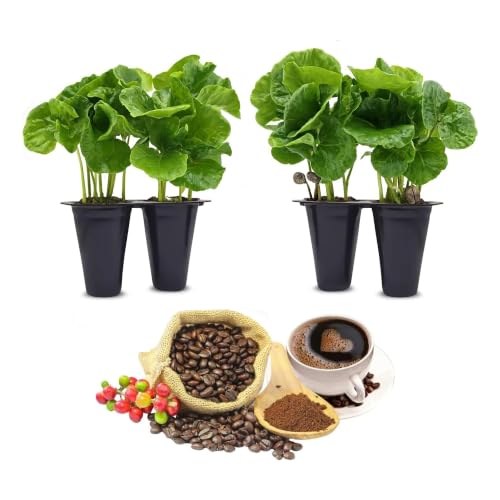
Fam Plants Coffee Plant Arabica (4 Pack)
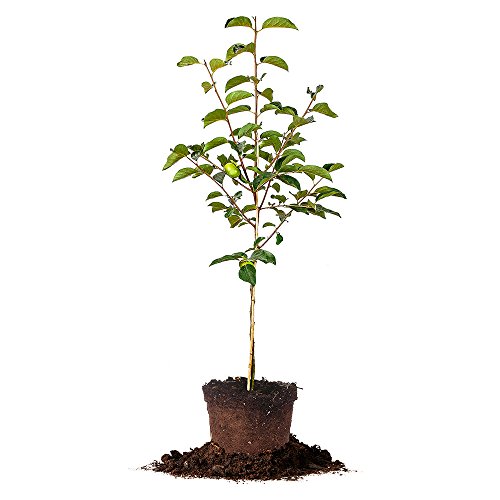
Perfect Plants Fuyu Persimmon Tree 3-4 ft
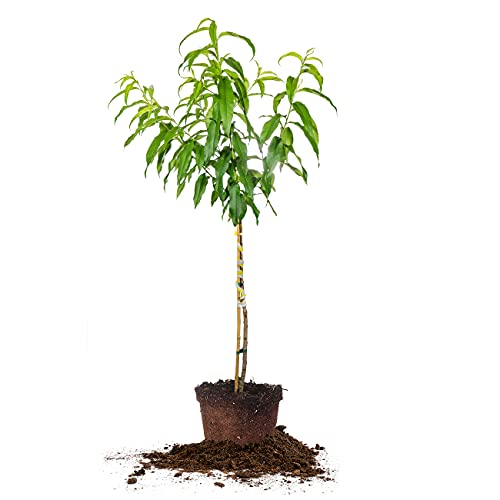
Perfect Plants Flordaking Peach Tree 4-5 ft

QEVJEKR 200+ Mix Dwarf Bonsai Fruit Tree Seeds

Perfect Plants Russian Pomegranate Tree 1 Gallon

Fam Plants Fig Tree Collection (4 Pack)

DAS Farms Contender Peach Tree 2-3 ft
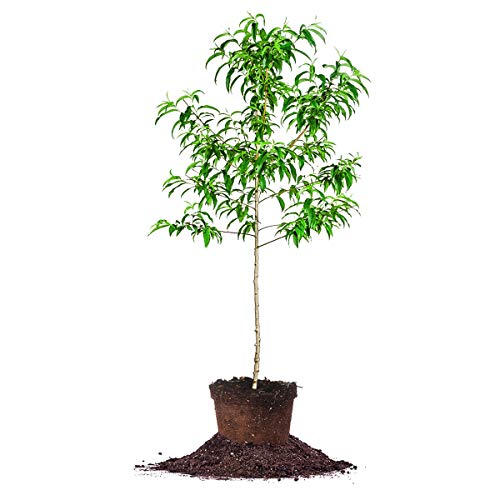
Perfect Plants Santa Rosa Plum Tree 4-5 ft
Taking A Closer Look At The Options
If you want your Zone 9a yard to feel like a quick trip to the Keys, Dwarf Cavendish banana plants earn the look. This four-pack arrives as live starter plants sized for transplanting, ready to push out the broad tropical leaves that turn a plain patio corner into a green wall within a single growing season. The cultivar tops out shorter than full-size banana types, which matters when space is finite or the planting bed sits near a fence line.
Bananas love warmth, which is exactly what Zone 9a delivers. They also want steady moisture, so a soaker hose or attentive hand-watering during the dry stretches pays off. The trade-off is patience: most home growers see ornamental value long before they see edible bunches, and fruiting depends heavily on heat accumulation and feeding.
Advantages To Know
- Four plants per pack let you group them for a denser tropical screen or spread them around separate beds.
- Dwarf Cavendish stays compact compared to full-size banana types, which simplifies placement near patios.
- Big, glossy leaves deliver that tropical aesthetic faster than most fruiting ornamentals in the same zone.
- Live starter plants skip the germination wait that comes with seed-grown alternatives.
Worth Noting
- Edible harvests are not guaranteed, especially in cooler microclimates inside Zone 9a where heat accumulation slows.
- Banana plants need regular watering and rich soil, and they tend to sulk in neglected corners.
- Foliage shreds easily in high winds, so exposed sites may leave the leaves looking ragged.
Best Suited To
Garden owners who want a tropical aesthetic in a mild-winter climate and are happy to treat the plant as ornamental-first with fruit as a bonus.
Skip It When
The Perfect Plants Flordaking Peach Tree 4-5 ft fits better for anyone whose priority is a dependable, sweet-temperate fruit harvest in the same warm zone.
Mulberry trees have a habit of getting enormous, which is exactly what most Zone 9a yards cannot spare. The dwarf everbearing type tops out around 6 to 10 feet, which keeps the canopy manageable while still producing the long, berry-like fruits that stain fingers and satisfy the people who actually grow them. A four-pack makes sense for anyone who wants a hedgerow of fruit or a backup plant in case one fails to establish.
Unlike the banana pack above, this one is built for serious eating. The variety sets fruit without a pollinator partner, so a single plant in a courtyard will still crop. Late spring through summer brings the heaviest flushes, and Zone 9a’s mild winters keep the plants leafy far longer than colder zones enjoy.
A Favorable Mix
- Compact mature height fits small yards, raised beds, and large containers without constant pruning.
- Self-pollinating habit means a single plant still fruits, which is rare among fruit trees.
- Long fruiting window from late spring through summer keeps fresh berries coming for weeks.
- Hardy across a wide range, so the same plant handles coastal humidity and inland heat.
Points To Note
- Ripe mulberries drop easily, and the dark juice stains patios, walkways, and lighter clothing fast.
- Live starter plants need a season or two of establishment before fruiting really kicks in.
- Birds find the fruit quickly, so netting may be needed in areas with heavy avian traffic.
Right Fit For
Patio gardeners and small-yard owners who want a fruiting tree that behaves itself and doesn’t demand a second plant for pollination.
Look Elsewhere When
The Fam Plants Banana Tree Dwarf Cavendish 4 Pack suits a yard better when tropical foliage matters more than sweet berry harvests.
Most people never consider growing their own coffee because the plants read as something from a tropical farm. In Zone 9a, an Arabica coffee plant settles into a partly shaded patio surprisingly well, and four starter plants let you test a small grouping without committing a whole bed. The reward isn’t a daily espresso, but the glossy leaves and occasional white blooms make it an unusual conversation piece.
Compared with the mulberry pack reviewed earlier, this one asks for less space at maturity and rewards shadier corners where fruiting trees usually struggle. Expect a slow build, and treat the early years as a foliage investment rather than a bean harvest.
Bright Spots
- Glossy foliage and white blossoms give the plant genuine ornamental value even before any beans appear.
- Adapts to containers, patios, and partly shaded beds, which widens planting options in tight yards.
- Four-pack format reduces the risk that a single bad transplant wipes out the whole project.
- Resilient across indoor and outdoor settings for gardeners who like to shuffle plants seasonally.
Trade Offs
- Realistic bean harvests take several years, so patience is part of the package.
- Direct sun and dry soil stress the plant, which means some monitoring during peak summer heat.
- Beans from a home plant produce a very small yield compared with what most coffee drinkers actually use.
Who Will Love This
Curious plant collectors and coffee enthusiasts who want an unusual edible ornamental more than a productive crop.
Swap It Out When
The Perfect Plants Russian Pomegranate Tree 1 Gallon fits better when ornamental flowers and a real fruit harvest matter more than novelty foliage.
The Fuyu persimmon solves a real problem for Zone 9a gardeners: most persimmons are astringent until they turn to mush, and waiting on that is hit or miss. Fuyu is non-astringent, which means you can bite into the acorn-shaped fruit while it is still firm, and the flavor stays sweet rather than chalky. That single trait shifts the tree from a patience project to a backyard treat.
Shipped at 3 to 4 feet, this plant goes into the ground as a young, manageable transplant. Fuyu is self-pollinating, so a single tree still sets fruit, and the cultivar can reach 15 to 20 feet at maturity, so it asks for permanent space. Full sun and well-drained loamy soil are the realistic needs, and the tree starts bearing within 1 to 2 years of planting.
The Value In It
- Non-astringent fruit means you can harvest and eat without the long softening wait required by older persimmon types.
- Self-pollinating habit removes the need for a second tree, which is helpful in small yards.
- Quick onset of fruiting within 1 to 2 years gives this tree an edge over slower grafted options.
- Stores well for several weeks once picked, which reduces the pressure to use everything at once.
Things To Consider
- Mature size of 15 to 20 feet needs a permanent spot with room to spread.
- Persimmons can drop fruit before fully ripening in young trees, which is normal but looks alarming.
- Sun and well-drained loam are non-negotiable, so heavy clay sites need amendment before planting.
Feature Snapshot
Who Should Grab It
Yard owners with full sun and well-drained soil who want a low-fuss fruit tree that rewards faster than most grafted options.
Where A Sibling Pick Shines
The Perfect Plants Flordaking Peach Tree 4-5 ft fits better for warm-humid sites where a low-chill peach outperforms a persimmon.
Peach trees usually demand a cold snap every winter, which is exactly what Zone 9a cannot promise. Flordaking answers that problem with a low-chill requirement of around 350 hours, so the tree still gets the dormancy it needs without depending on a hard freeze. The payoff is fruit that ripens as early as mid-May in many warm regions, well ahead of the usual peach season.
Shipped at 4 to 5 feet, this transplant goes in the ground with enough size to start putting on growth the first year. Like the Fuyu persimmon above, Flordaking is self-pollinating, which keeps a single tree productive in a smaller yard. Pink spring blooms add an ornamental layer that plain fruit trees rarely match.
Useful Strengths
- Low chill-hour requirement of around 350 hours unlocks peach growing in warm-winter zones where standard cultivars fail.
- Self-pollinating habit means one tree handles the whole crop in a small yard.
- Mid-May ripening in suitable climates gives this tree one of the earliest peach harvests in the region.
- Pink spring flowers pull double duty as an ornamental feature in mixed beds.
Less Ideal Details
- Peach trees need regular spraying or monitoring for common diseases like leaf curl, especially in humid zones.
- Early bloom can be hurt by late-winter cold snaps, which still happens occasionally in Zone 9a.
- Annual pruning is part of the deal if you want a manageable tree and consistent fruit size.
Made For
Warm-zone gardeners who want real peaches without gambling on chill-hour totals and who don’t mind basic seasonal pruning.
Another Choice May Suit
The Perfect Plants Santa Rosa Plum Tree 4-5 ft fits better when heat tolerance and broader climate range matter more than early-season peaches.
Live transplants are not the only path into fruit growing, and this seed pack proves it. Four individually wrapped varieties (lemon, cherry, orange, and apple) come in one order, which makes the project feel more like a tasting menu than a single commitment. Each packet carries 50 or more seeds, so the failure rate that comes with starting any seed indoors won’t sink the project.
Compared with the Flordaking peach above, this is a long game. Bonsai-style fruit trees need years of training before they set anything edible, and the small pot footprint that makes them charming also means modest harvests. The trade-off is flexibility: you can grow them on a sunny balcony, indoors near a bright window, or as a teaching project for kids.
Strong Points
- Four varieties in one pack spreads the risk that any single seed type fails to germinate.
- Bonsai-style trees fit on balconies, patios, and windowsills where full-size fruit trees would never work.
- High seed counts give you room to learn and re-sow without buying a second pack.
Softer Spots
- Realistic fruit harvests take years of training, so patience matters more than the initial seed count suggests.
- Some varieties in the mix, like apples, may struggle outdoors in the warmest parts of Zone 9a without chill hours.
- Seed-starting indoors under lights is almost required for reliable germination in cooler months.
Perfect Match For
Hobbyists and beginner growers who want to start several fruit types at once and don’t mind waiting years for the first harvest.
Reach For A Different Pick When
The Fam Plants Mulberry Dwarf Everbearing 4 Pack suits a yard better when actual fruit within a few seasons matters more than bonsai charm.
Pomegranates get typecast as desert plants, but the Russian variety stretches the comfort zone into milder-winter regions like Zone 9a. The tree handles a wider climate range than many pomegranates, and the orange-red flowers make it as much an ornamental as an edible. Shipped in a 1-gallon container, the transplant is sized for quick establishment in a sunny bed.
Unlike the Fuyu persimmon reviewed earlier, this one leans more toward the flower than the fruit for a few seasons. The bushy growth habit also gives you options: keep it as a shrub, or train it into a small tree form. The fruit ripens in mid to late September, which lines up neatly with fall harvests.
Where It Helps
- Vivid orange-red blooms turn the tree into a focal point before the fruit even appears.
- Self-fertile habit removes the need for a second tree, which helps in compact yards.
- Versatile form lets you grow it as a shrub or train it up into a small tree shape.
- Cold-hardier than many pomegranate cultivars, which extends its range into Zone 9a.
Some Limits To Know
- Outdoor planting only, so container-only patios need a different option.
- Young trees may take a couple of seasons before flower and fruit production really takes off.
- Deciduous habit means a bare winter silhouette, which is worth planning for in a focal-point spot.
Quick Facts
Who It Suits Best
Garden owners who want a flowering ornamental that doubles as an edible tree in a warm, sunny bed with room to grow.
Not Your Match When
The Fam Plants Fig Tree Collection 4 Pack fits better when multiple varieties in one order matters more than ornamental flowers.
Figs are one of the easier fruit trees for warm climates, and a four-variety pack takes the guesswork out of choosing. The collection pulls together Black Mission, Chicago Hardy, and Violette De Bordeaux, three cultivars with different flavor profiles and slightly different cold tolerances. For a Zone 9a yard, that range gives you options in case one variety sulks in a particular microclimate.
Unlike the Russian pomegranate above, figs tend to fruit faster and stay productive with minimal fuss. The trade-off is fig size, which can turn messy if you let fruit drop on a patio. Container growing keeps the trees small and the cleanup manageable.
Noteworthy Benefits
- Three named varieties in one pack (Black Mission, Chicago Hardy, Violette De Bordeaux) lets you compare flavors on the same property.
- Figs fruit relatively fast compared with many grafted fruit trees, so the wait feels reasonable.
- Tolerates container culture, which suits patios and small yards where in-ground space is limited.
Points To Keep In Mind
- Ripe figs drop easily, and the sticky residue can stain patio surfaces if you skip cleanup.
- Four plants in a small bed need spacing, so plan for airflow between them to discourage fungal issues.
- Birds and ants find ripe figs fast, which can complicate the harvest window in late summer.
Whose Shelf It Belongs On
Curious food gardeners who want multiple fig flavors in one order and don’t mind managing a small fig grove.
Skip It When
The Perfect Plants Santa Rosa Plum Tree 4-5 ft fits better for a single, tidy landscape tree with self-fertile fruit and spring flowers.
Contender is the peach tree cold-climate gardeners wish they had, and it carries a reputation for reliability that carries into the warmer end of its range. Shipped at 2 to 3 feet in a gallon pot and double-boxed, the transplant is young but sturdily packed. The tree is self-pollinating, so a single plant in a backyard bed still crops without a partner.
Compared with the Flordaking peach above, this one favors cooler parts of Zone 9a. The source lists zones 5 through 8 as the comfort range, which means the warmest Zone 9a sites may push it. Gardeners in slightly cooler microclimates, especially with morning fog or coastal influence, often see the best results.
What It Does Well
- Self-pollinating habit removes the need for a second tree in a small yard.
- Compact shipped size of 2 to 3 feet fits through gates and into prepared beds without heavy equipment.
- Double-boxed shipping cuts the risk of damage in transit, which matters for young live plants.
Where It May Fall Short
- Container culture is off the table, so this tree wants a permanent in-ground spot.
- Comfort range tops out around zone 8, so the warmest Zone 9a corners may stress the tree.
- Deciduous trees ship without leaves in winter, which can confuse first-time growers expecting a leafy plant.
At A Glance
Built With In Mind
Backyard gardeners with cooler Zone 9a microclimates who want a reliable peach and have a permanent in-ground bed ready.
Where Another Pick Suits Better
The Perfect Plants Flordaking Peach Tree 4-5 ft is the better peach in the warmest parts of Zone 9a where chill hours are scarce.
Santa Rosa is the plum tree older gardeners tend to remember, and it earns that long memory. Developed in 1885 and grown across the country since, the cultivar carries notable heat tolerance and a wide hardiness range, both of which matter in a zone as varied as 9a. The tree is self-fertile, so a single specimen in the yard still sets fruit.
Unlike the Russian pomegranate earlier in the list, this plum leans into the fruit side of the edible-ornamental balance. White spring flowers add interest, but the main event is the mid-summer harvest of rich purple plums. Shipped at 4 to 5 feet, the transplant has enough size to start putting on real growth the first year.
What Pays Off
- Hardiness range of zones 6 through 10 covers more of the country than most plum cultivars, which helps in warmer corners.
- Notable heat tolerance makes the tree a strong pick for the hottest parts of Zone 9a.
- Self-fertile habit removes the need for a second plum tree, which is helpful in compact yards.
- White spring flowers add a soft ornamental layer that plain fruit trees rarely match.
Factors To Consider
- Shipments to CA, AZ, and HI are restricted, so ordering ahead of any move is worth planning around.
- Plum trees can attract common fruit-tree pests, so a basic monitoring routine is part of the deal.
- Mature size needs room to spread, so a tight side yard may feel crowded in five years.
Feature Card
The Right Fit
Suburban yard owners in hot parts of Zone 9a who want a tidy, self-fertile plum with classic flavor and a long track record.
Consider Something Else When
The Perfect Plants Russian Pomegranate Tree 1 Gallon fits better when ornamental flowers and a fall harvest matter more than summer plums.
Factors To Consider When Choosing Fruit Trees For Zone 9a
Chill Hours and Zone Microclimates
Chill hours, the number of hours below 45°F that a fruit tree needs each winter to set fruit properly, drive most of the decisions in this category. Zone 9a covers a wide range, from coastal fog belts to inland heat islands, and that range can mean 100 or 500 chill hours within a few miles. Cultivars like Flordaking peach (350 hours) and Santa Rosa plum (zones 6 through 10) are bred for the lower end, which is why they show up on this list. Always check your local chill-hour average before settling on a tree that needs a long cold snap.
Mature Size and Spacing
A 2-foot transplant looks harmless, but fruit trees grow into their mature footprint fast. Fuyu persimmon reaches 15 to 20 feet, mulberry stays in the 6 to 10-foot range, and bananas spread through pups if left unchecked. Pick a spot with permanent space, good airflow, and full sun for at least six hours, then measure twice before digging.
Pollination Requirements
Some trees crop with a single specimen (Fuyu persimmon, Flordaking peach, Santa Rosa plum, mulberry, pomegranate, Contender peach), while others fruit heavier with a partner nearby. Self-pollinating trees simplify small-yard planning, which is why they dominate this list. If you have room for two trees and want bigger harvests, the fig collection gives you three cultivars to pair within a single order.
Live Plant vs. Seed Starting
Live transplants trade higher upfront cost for a faster path to fruit. Seed packs, like the four-variety bonsai mix, cost less per variety but ask for indoor starting, patience through germination, and several years of growth before the first edible reward. Match the format to your timeline: live plants for next-season harvests, seeds for long-term projects and teaching gardens.
Pitfalls Shoppers Hit and What The Higher Tier Buys
Where Shoppers Go Wrong
The most common mistake is buying a tree that needs more chill hours than your microclimate delivers, which leads to shy flowering and sparse fruit. Another is underestimating mature size, which forces heavy pruning a few years later. Skipping soil prep is the third big miss: fruit trees want loamy, well-drained soil, and clay or sand usually needs amending before planting. Always confirm chill hours, mature spread, and soil needs before you commit to a permanent bed.
Where The Extra Money Goes
Premium-priced trees in this category usually buy older transplants, stronger root systems, and double-boxed shipping, which all improve survival rates. The DAS Farms Contender peach and Perfect Plants 1-gallon pomegranate sit in that tier, and the difference shows up in faster first-year growth. For gardeners who only want one tree and can’t afford a do-over, paying a little more for a sturdier transplant often makes more sense than saving on a bargain seedling that struggles to establish.
Frequently Asked Questions
What fruit trees grow best in Zone 9a?
Low-chill cultivars like Flordaking peach, Fuyu persimmon, mulberry, and pomegranate handle Zone 9a’s mild winters without needing a long cold snap. Always check your local chill-hour average before settling on a specific cultivar, since microclimates inside the zone vary widely.
When should I plant fruit trees in Zone 9a?
Late winter through early spring is the typical planting window, while the tree is still dormant and soil is workable. Fall planting also works in the warmer parts of Zone 9a, giving roots time to settle before summer heat arrives.
Do I need two trees for pollination?
Not always. Self-pollinating cultivars like Fuyu persimmon, Santa Rosa plum, mulberry, and Flordaking peach set fruit with a single tree. Some types fruit heavier with a partner nearby, so check the source details before relying on a single specimen.
Can I grow fruit trees in containers in Zone 9a?
Yes, especially for compact types like dwarf mulberry, fig, and the bonsai-style fruit seed pack. Larger trees like Fuyu persimmon and pomegranate are better suited to in-ground planting because their mature size outgrows most containers.
How long until a fruit tree produces?
It depends on the format. Live transplants like Fuyu persimmon can fruit within 1 to 2 years, while seed-started projects often take several years of training before any harvest. Grafted cultivars generally crop faster than seed-grown trees, which is one reason they cost more.
Final Verdict
The right pick depends on your priorities: dependable fruit fast (Fuyu persimmon, Flordaking peach), ornamental-edible drama (Russian pomegranate), tropical foliage (Dwarf Cavendish banana), or a sampler approach (fig collection, mulberry pack). Match the tree to your microclimate, soil, and patience level, and the rest of the growing season takes care of itself.
