

Eastern North Carolina brings a long, muggy summer, mild winters, and sandy loam soil in many spots, so the right tree makes all the difference. This list gathers live plants and reference guides that line up with USDA hardiness zones 7 and 8, the coastal plain, and the piedmont fringe. You’ll see figs, pomegranates, mulberries, peaches, and a few guides that walk through the rest. Each pick includes the trade-offs so you can match a tree to your microclimate, not just your wish list.
The Leading Options At A Glance

Wellspring Gardens Chicago Hardy Fig Tree Starter Plant

The Southern Gardener’s Guide to Growing Fruit Trees

Growing Fruit Trees For Beginners Small Yards Guide

QEVJEKR 200+ Mix Dwarf Bonsai Fruit Tree Seeds

Perfect Plants Russian Pomegranate Tree 1 Gallon

Illinois Everbearing Mulberry Tree Potted Plant
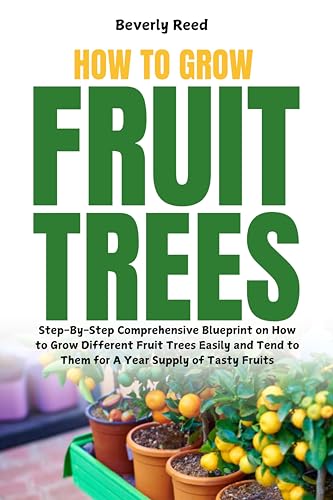
How to Grow Fruit Trees by Beverly Reed

How to Grow Fruit Trees paperback edition

DAS Farms Contender Peach Tree 2-3 Feet
A Breakdown Of The Leading Choices
The Chicago Hardy earns its reputation across the Southeast because it tolerates colder snaps better than most fig varieties while still producing a solid early crop. Planted in full sun, it matures to a manageable 15 to 20 feet, which suits a mid-sized coastal yard without shading out the rest of the garden.
You receive a small starter, roughly 3 to 8 inches tall in a 3-inch-deep pot, propagated through tissue culture, which helps keep growth uniform and disease-free. For most home growers, that means a couple of seasons of patience before meaningful harvests, though the tree tends to fruit early for a fig.
Everyday Advantages
- Survives mild Eastern NC winters down to zone 6 with light mulching
- Compact enough to keep in a large container for the first year
- Purple, medium-sized fruit arrives earlier than many fig cultivars
- Tissue culture propagation reduces the risk of common fig viruses
Things To Consider
- You may wait a season or two before the first meaningful harvest
- Fig rust can show up in humid summers, so clearing fallen leaves helps
- Starter size means a vulnerable transplant in the first month
Who It Suits Best
Coastal North Carolina beginners who want a forgiving fig that handles cooler inland winters without dying back to the roots.
Where Another Pick Suits Better
Shoppers wanting immediate ornamental blooms should consider the Perfect Plants Russian Pomegranate instead.
Trey Watson’s book focuses squarely on the South, which is exactly the lens Eastern NC gardeners need instead of generic Midwest or Pacific Northwest advice. As a Kindle ebook, it travels with you to the garden center and back without taking up shelf space.
Compared to the live trees earlier in this list, a guide like this one complements a planting plan rather than replacing it. The content leans into regional cultivar picks and climate notes that align with the long, humid summers in the Tar Heel coastal plain.
Standout Benefits
- Climate-targeted guidance written for Southern growing zones
- Kindle format reads on phones, tablets, and e-readers
- Useful before committing to a live tree purchase
Worth Noting
- No physical copy if you prefer flipping through pages
- General horticulture sections may overlap with free online resources
Made For
Readers researching regional cultivar choices before buying a single live sapling for their Eastern NC yard.
Not Your Match When
You already own a tree and want a hands-on step-by-step manual, which the Beverly Reed title handles better.
Charles Laine’s guide zeroes in on tight urban lots and small backyards, the kind of setup common around Wilmington, Greenville, and Raleigh’s older neighborhoods. The book frames fruit growing as a year-round rhythm rather than a single spring project.
Used alongside the live trees on this list, it helps you plan a layout that fits a 20 by 30 foot patch without overcrowding. As a Kindle title, you can search for specific terms like “pomegranate” or “pollination” while standing in your yard.
Where It Excels
- Specifically addresses tight-space fruit tree layouts
- Walks through year-round care cycles, not just spring planting
- Searchable Kindle format for quick reference on the go
Points To Keep In Mind
- Some advice skews toward container growing, which may not suit in-ground plantings
- Light on specific cultivar recommendations for the coastal plain
Feature Snapshot
Right Fit For
First-time growers with a small lot who want a structured primer before investing in live saplings.
Look Elsewhere When
You live in a rural area with several acres, where the Perfect Plants Russian Pomegranate and the Illinois Everbearing Mulberry scale up more naturally.
QEVJEKR packs four popular fruit varieties, including lemon, cherry, orange, and apple, into a single resealable kit. For Eastern NC hobbyists who enjoy the experimentation side of gardening, that variety makes the pack a low-stakes way to test indoor and patio starting.
The seeds ship in individual moisture-resistant pouches, which is a real plus for storage between planting sessions. Bear in mind that citrus and standard apple trees struggle outdoors across most of the coastal plain, so treat these as bonsai-style projects rather than full orchard starters.
Useful Touches
- Four fruit types in one pack, each in its own resealable pouch
- Counts high enough to absorb germination misses and still have spares
- Works for indoor windowsills, patios, and classroom projects
Trade Offs
- Citrus and apple may not thrive outdoors in Eastern NC winters
- Trees grown from seed can take years to fruit, if they fruit at all
Who Will Love This
Hobbyists who enjoy starting from seed and experimenting with multiple varieties, rather than waiting on a single harvest.
Skip It When
You want fruit within a few seasons, in which case the DAS Farms Contender Peach Tree is a more predictable choice.
The Russian cultivar handles coastal heat better than the sweeter varieties, making it a natural fit for sandy Eastern NC soil with full sun exposure. Unlike the Chicago Hardy fig, this tree doubles as an ornamental, with orange-red blooms appearing in mid-spring before fruit sets.
Self-pollinating means you only need one tree, which matters in neighborhoods where space is tight. The fruit ripens mid to late September, filling the gap between summer figs and the first cool-season harvests.
Noteworthy Benefits
- Self-fertile, so a single tree produces a full crop
- Showy spring flowers add ornamental value beyond the fruit
- Tolerates heat and dry spells better than many fruit trees
Small Caveats
- Not suited to indoor growing, outdoor planting is required
- Cooler inland pockets may shorten the fruiting window
Core Details
Best Suited To
Gardeners in warmer Eastern NC zones who want both an ornamental focal point and a productive fruit tree in one plant.
A Better Fit Elsewhere
Cold-prone inland yards may do better with the Wellspring Gardens Chicago Hardy Fig Tree, which tolerates lower winter lows.
The Illinois Everbearing mulberry grows vigorously and produces sweet fruit over an extended season, which suits families who want steady picking instead of one dramatic harvest. Shipped at 6 to 10 inches tall, it transplants into either a container or an in-ground bed with reasonable success.
Where the pomegranate stays compact, this mulberry stretches up to 35 feet over time, so plan spacing accordingly. The wide zone range (3 to 10) means it shrugs off coastal winters and inland freezes alike.
What Makes Sense
- Extended fruiting season across summer, not a single ripening window
- Hardy across zones 3 through 10, ideal for variable NC microclimates
- Sweet, snackable fruit that appeals to kids and adults
- Acts as a shade tree once it reaches mature size
Trade-Offs To Consider
- Mature height of 25 to 35 feet can overwhelm small yards
- Fruit drop can stain patios and walkways if planting is too close to hardscape
Feature Card
Who Should Grab It
Families with room to spare who want a multi-purpose shade and fruit tree for long summer afternoons.
Reach For A Different Pick When
You have a small urban lot, in which case the Perfect Plants Russian Pomegranate fits without crowding the property line.
Beverly Reed’s ebook reads like a structured course, taking you from site selection to harvest with a clear, sequential flow. The Kindle format is searchable, which makes troubleshooting pest issues faster than flipping through a physical index.
Paired with a live tree like the Contender peach later in this list, the guide gives you a roadmap for the first year, including watering, fertilizing, and pruning windows. It assumes no prior orchard experience, which is helpful if you are starting from scratch.
Notable Gains
- Step-by-step structure keeps the learning curve manageable
- Works as a reference throughout the first full growing year
- Searchable text speeds up pest and pruning lookups
Honest Caveats
- Broader geographic scope than the Southern-specific Watson book
Perfect Match For
Organized learners who want a single guide to follow from planting through the first harvest.
Where A Sibling Pick Shines
The Southern Gardener’s Guide by Trey Watson is more regionally tuned for Eastern NC conditions.
The paperback edition of Reed’s guide covers in-ground, container, and raised-bed planting, which lines up with the variety of setups common in Eastern NC backyards. It also addresses pest and disease management without leaning on harsh chemical controls, a plus for families and pollinator-friendly gardens.
Unlike the Kindle version, the physical book stays open on a potting bench without needing a charged device. For shoppers who prefer paper references in the garden, that tactile experience is hard to replace.
What It Does Well
- Adapts to in-ground plots, raised beds, and patio containers
- Includes non-toxic pest and disease strategies
- Explains harvest timing for peak flavor, not just ripeness
- Stays usable with dirty hands thanks to paperback format
Practical Considerations
- Less portable than a Kindle edition for travel
- Some sections repeat guidance available in the ebook version
Quick Facts
Whose Shelf It Belongs On
Backyard growers who flip between raised beds, containers, and in-ground plots and want one reference that covers all three.
Swap It Out When
You need searchable digital access; the Kindle version of Reed’s book is the more portable alternative.
The Contender peach blooms later than many varieties, which protects early flowers from the late freezes that occasionally hit Eastern NC. As a self-pollinating tree, it works as a solo addition to a small orchard without needing a pollinator partner.
Shipped at 2 to 3 feet in a gallon pot and double-boxed for transit, it lands ready for in-ground planting rather than container life. DAS Farms notes this tree should go straight into the ground, not stay potted long term, so prepare the bed before the box arrives.
Useful Strengths
- Late bloom reduces risk of losing flowers to a March frost
- Self-pollinating simplifies backyard orchard planning
- Hardy across zones 5 through 8, covering most of Eastern NC
- Shipped at a transplant-ready height of 2 to 3 feet
Trade-Offs To Consider
- Not intended for container growth, in-ground planting is required
- Deciduous, so it arrives without leaves outside the growing season
Key Product Details
Built With In Mind
Backyard orchard planters who want a reliable late-blooming peach suited to the Carolinas’ unpredictable spring weather.
Another Choice May Suit
Patio growers without in-ground space should look at the QEVJEKR seed pack for a container-friendly starting point.
Picking The Right Tree For Eastern North Carolina
The single biggest factor is your USDA hardiness zone, which runs from 7b along the Outer Banks to 8a through the coastal plain and into the piedmont edge. Match the tree to the zone first, then narrow by chill hours, the number of cold hours a tree needs to set fruit, since mild coastal winters underdeliver for traditional apples and cherries. Soil type matters next: sandy loam drains fast, so mulching and steady watering help young roots establish.
Sun exposure is the easiest variable to control. Aim for at least six hours of direct light, which rules out narrow side yards shaded by oaks and pines. Pollination needs vary by species, and self-fertile picks like the Contender peach and the Russian pomegranate keep things simple when you only have room for one tree. Finally, plan for mature size, not the height on arrival, since the Illinois Everbearing mulberry can stretch past 30 feet once it settles in.
Key Considerations Across These Picks
Pitfalls Shoppers Hit
Buying a tree that needs high chill hours, cold temperatures between 32 and 45°F, is a common mistake in zone 8, since mild winters leave the plant unable to break dormancy properly. Choosing a container-bound variety for an in-ground spot, or vice versa, also creates problems the first season, when roots struggle to adapt. Skipping a soil test leaves you guessing about pH, and figs and pomegranates both prefer a slightly acidic range around 6.0 to 6.5.
Where The Extra Money Goes
A larger starter plant, like the 2 to 3 foot Contender peach, often establishes faster and fruits sooner than a 6 inch liner. Premium suppliers also tend to ship in sturdier packaging, which reduces transplant shock on arrival. For gardeners who want a head start, the bump in price frequently pays for itself in saved replacement costs during the first summer.
Frequently Asked Questions
What fruit trees grow best in Eastern North Carolina?
Figs, pomegranates, mulberries, and late-blooming peaches handle the coastal heat and mild winters with the least fuss. These four species tolerate zone 7b to 8a conditions and resist the late-spring frosts that hurt earlier bloomers.
When should I plant fruit trees in Eastern NC?
Late winter through early spring is the standard window, after the last hard freeze but before bud break. Fall planting also works for hardy container-grown stock, giving roots a head start before summer heat.
How much sun do fruit trees need in this region?
Plan for a minimum of six hours of direct sun, with eight or more preferred for pomegranates and peaches. Eastern NC summers provide intense light, so full exposure generally means stronger fruit set and lower disease pressure.
Do I need two trees for pollination?
Not always, since self-fertile options like the Contender peach and the Russian pomegranate fruit on their own. Other trees, particularly many apples and sweet cherries, need a compatible pollinator nearby to set a full crop.
Can I grow fruit trees in containers here?
Smaller and dwarf varieties can thrive in large containers on patios, but full-size mulberries and standard peaches struggle long-term without in-ground space. Match the cultivar’s mature size to the container you can actually move and maintain.
The Takeaway
The right fruit tree for Eastern North Carolina depends on your zone, your soil, and how much space you can give a mature plant. Live options like the Chicago Hardy fig, the Russian pomegranate, and the Contender peach cover the most reliable end of the spectrum, while the guides help you avoid rookie mistakes. Pick the tree that fits your yard today, not the one that looks best in a delivery box, and your harvests will thank you.
