

South Florida’s tropical-to-subtropical climate opens doors that gardeners up north can only dream about, from citrus that ripens in January to berries that fruit twice a year. The challenge isn’t whether something will grow here; it’s choosing varieties that handle humidity, sandy soil, salt air, and the occasional cold snap without constant babying. This shortlist pairs live trees with two solid regional guides, so you get a planting plan that actually works in your zip code. Whether you’re filling a small patio or starting a full backyard food forest, the picks below focus on chill-hour requirements, disease resistance, and mature size suited to a South Florida lot.
The Shortlist At A Glance

Via Citrus Calamondin Tree Live Plant 1 Gallon

Florida Grow List: 50+ Plants Beginner Guide

The South Florida Gardening Survival Guide
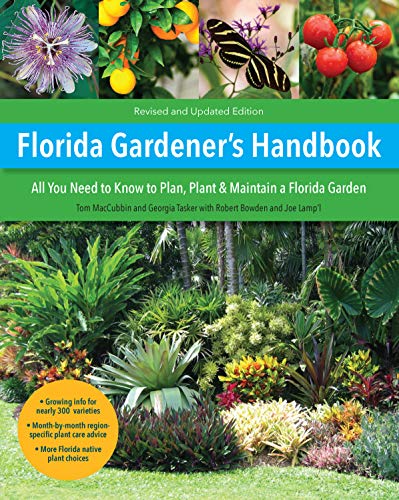
Florida Gardener’s Handbook 2nd Edition Kindle

Florida Gardener’s Handbook 2nd Edition Print

Via Citrus Meyer Lemon Tree Live Plant
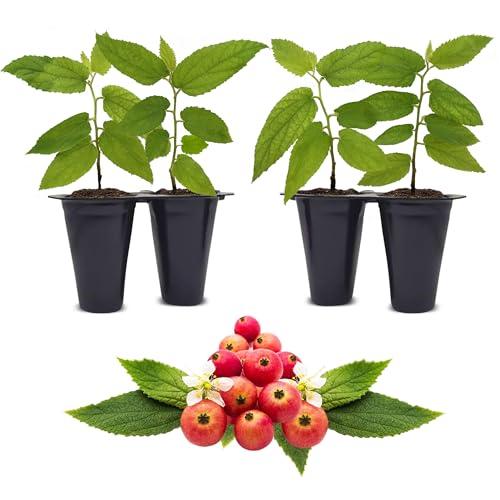
Fam Plants Jamaican Cherry Tree 4 Pack
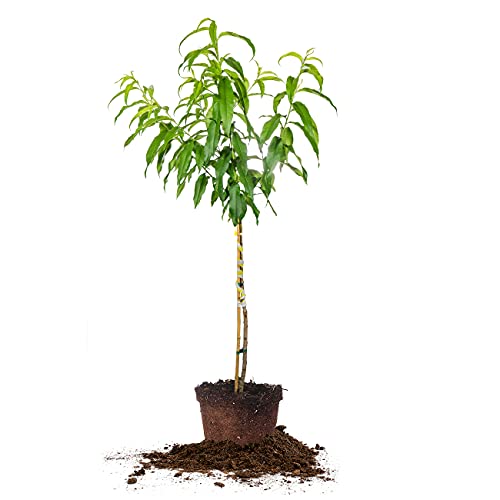
Perfect Plants Flordaking Peach Tree 4-5 ft
Why These Options Stand Out
The Via Citrus calamondin arrives in a 1-gallon nursery pot standing roughly 13 to 22 inches tall, which makes it manageable for a first-year container setup on a Miami balcony or Homestead lanai. Calamondins are a hybrid that behaves like a cold-hardy kumquat-lemon cross, producing fragrant white blooms followed by small orange fruit that can appear in waves through the year. In South Florida’s USDA zone 10 to 11, you can leave it outside most of the time, and it doubles as an ornamental with glossy evergreen foliage.
Where this tree really earns its keep is for beginners who want a citrus that forgives imperfect watering. For most backyard growers, the grafted rootstock means fruit shows up within a couple of seasons rather than the long wait common with seed-grown trees. The fruit is too tart to eat fresh for most people, but it shines in marmalades, marinades, and the Filipino-style juice it’s famous for.
Useful Highlights
- Grafted tree means earlier fruit production than seed-grown alternatives
- Fragrant white flowers appear repeatedly, adding year-round visual interest
- Mature height stays manageable for container culture on a patio
- More cold-tolerant than many true limes, useful during rare chilly snaps
- Useful in marmalades, marinades, and cocktail syrups when fruit ripens
Things To Consider
- Cannot be shipped to several states including CA, TX, AZ, HI, and LA due to USDA citrus rules
- Like other citrus, it benefits from regular feeding and well-drained soil to prevent root issues
Key Specs
Who It Suits Best
New citrus growers with limited patio space who want a forgiving, fruit-bearing tree that doubles as an ornamental.
Where Another Pick Suits Better
Cooks focused on sweet citrus for everyday kitchen use will find the Via Citrus Meyer Lemon Tree Live Plant a more direct fit.
Toni Jefferson’s Kindle guide leans into the question every new Florida gardener asks first: “What actually survives here?” The format is a curated list of more than 50 food-producing plants chosen for the state’s unique climate, with notes on what to expect. For South Florida specifically, it helps narrow the long list of tropical options into a manageable starter set.
The Kindle format means searchable, portable, and easy to consult from the garden, which is a quiet plus over a print book that would otherwise be left on a potting bench. The honest read is that this is a starting point, not a deep horticulture manual, so growers looking for advanced pruning or grafting instruction will want to pair it with something more technical.
What It Does Well
- Curated list removes guesswork from picking climate-appropriate food plants
- Beginner tone keeps the language accessible for first-time growers
- Searchable Kindle format works well in the garden or at a nursery
Trade Offs
- Covers all of Florida, so South Florida specifics are only a portion of the content
- Light on advanced technique like grafting, espalier, or pest diagnosis
Right Fit For
New Florida residents setting up their first food garden and looking for a clear list of plants likely to thrive in their region.
Look Elsewhere When
Growers who want deep, full-state reference material will find the Florida Gardener’s Handbook 2nd Edition Kindle more substantial.
David The Good’s guide focuses squarely on the gardening conditions unique to South Florida, which is the part of the state most general gardening books tend to gloss over. The Kindle edition is portable and useful for spot-checking plant choices before committing to a new addition. Tone is conversational and practical, the kind of read that suits a gardener who wants information without academic overhead.
Where the Survival Guide pulls ahead of broader Florida references is in its attention to local quirks like summer rains, sandy fill soil, and the specific pest pressures you encounter below Lake Okeechobee. Compared to Toni Jefferson’s earlier starter list, this one goes deeper into tactics rather than just plant selection.
A Favorable Mix
- Region-specific rather than statewide, so advice matches local conditions
- Covers both plant selection and growing tactics for South Florida
- Conversational writing style that reads quickly
Points To Note
- Kindle format means no color photos in most cases, which can limit plant ID value
- Style is more anecdotal than scientific, so cross-reference for anything unusual
Best Suited To
Growers below Palm Beach County who want a guide written specifically for the heat, humidity, and soil they actually have.
Not Your Match When
Anyone planning a full edible landscape with detailed variety charts will find more granular data in the Florida Gardener’s Handbook 2nd Edition Print.
Tom MacCubbin’s Florida Gardener’s Handbook has been a go-to reference for the state for years, and the Kindle version keeps that depth in a searchable format. It covers planning, planting, and ongoing maintenance across all of Florida’s growing regions, which is helpful if your property spans multiple microclimates. The 2nd edition reflects current variety recommendations and updated pest management thinking.
For South Florida, the handbook functions as a year-round reference you can keep open on a tablet while you work. Unlike the shorter regional guides, this one goes into soil amendments, fertilizer schedules, and variety comparisons that pay off once you move past the first season.
Noteworthy Benefits
- Comprehensive statewide reference covering planning through harvest
- Updated 2nd edition reflects current varieties and pest management
- Searchable Kindle format makes it easy to find specific crops quickly
Room For Improvement
- Full-state scope means South Florida content shares space with northern regions
- Density of information may feel like a lot for a first-year gardener
Key Specs
Who Should Grab It
Gardeners who want a single, durable reference covering multiple crops, regions, and seasons across Florida.
Swap It Out When
Readers who learn better with focused, narrative content should start with The South Florida Gardening Survival Guide first.
The print edition of MacCubbin’s handbook offers the same content as the Kindle version with the added benefit of a physical book you can flip through with dirty hands and a phone in your pocket. For gardeners who dog-ear pages, scribble in margins, and want a visual scan of photos and charts, print still wins over e-ink. The 2nd edition’s content applies just as well to South Florida as the Kindle version, so the choice is about format preference rather than information depth.
Compared to the Kindle pick earlier in this list, this one trades portability for tactile reference. The honest read is that the print edition tends to be slightly heavier on color photography, which helps when matching a leaf or fruit to a written description.
Why It Works Well
- Print format suits hands-on reference with page-flipping and margin notes
- Color photography throughout helps with plant identification
- Same authoritative content as the Kindle edition, just in physical form
Honest Caveats
- Heavier and less portable than a Kindle for trips to the nursery
- Not searchable like the digital version, so finding specifics takes longer
Made For
Reference collectors who want a permanent shelf book they can return to across multiple growing seasons.
Reach For A Different Pick When
Growers who prefer searching by keyword on a phone should choose the Florida Gardener’s Handbook 2nd Edition Kindle instead.
The Via Citrus Meyer lemon ships in the same 1-gallon pot at a similar 13 to 22 inches tall, but the fruit it eventually produces is the key difference. Meyer lemons are a lemon-orange cross with thinner skin, rounder shape, and a noticeably sweeter, less acidic juice. For South Florida kitchens that lean toward baking, dressings, and lemonade, this is the lemon most home cooks actually want.
Where the calamondin earlier in the list leans ornamental-and-tart, the Meyer pulls double duty as both a backyard feature and a producer. It also tends to be more forgiving for first-time citrus growers because it’s hardier than true Eureka lemons and handles container culture well in zone 10 to 11.
Strong Points
- Sweeter juice profile suits baking, dressings, and cocktails
- Grafted rootstock means fruiting happens earlier than seed-grown trees
- Compact enough for a container on a sunny patio or porch
Small Caveats
- Cannot be shipped to CA, TX, AZ, HI, LA, and several other states under USDA rules
- Prone to the same citrus pests as other lemons, so scouting matters
Feature Snapshot
Who Will Love This
Home cooks and bakers who want a steady supply of sweeter, less acidic lemons without driving to a specialty grocer.
A Better Fit Elsewhere
Growers wanting a more ornamental citrus that fruits year-round will prefer the Via Citrus Calamondin Tree Live Plant 1 Gallon.
Fam Plants ships a four-pack of starter Jamaican cherry (sometimes called strawberry tree) seedlings, which gives a backyard enough material to start a small edible hedge or to space trees for future canopy. The species is known in South Florida for fast growth, glossy green foliage, and small red berries with a sweet, mild flavor. For a tropical edible landscape, it’s one of the faster payoffs you can plant.
Where the citrus picks earlier in this list demand patience, the Jamaican cherry rewards you quickly. Depending on your soil and spacing, you may find these trees put on several feet of growth in a single warm season, which means earlier fruit and faster screening if privacy is also a goal.
The Value In It
- Four-pack format gives better value per plant for larger plantings
- Fast growth rate fills in space quickly compared with citrus
- Tolerates a range of soil types common in South Florida yards
Some Limits To Know
- Berries are delicate and don’t ship well, so they’re mostly for fresh eating at home
- Fast growth means more frequent pruning to keep shape in a small yard
Whose Shelf It Belongs On
Edible landscape builders who want a fast-growing, low-maintenance tropical tree that produces within a couple of seasons.
Consider Something Else When
Growers focused on a single specimen tree for a patio should start with one of the Via Citrus container picks instead.
The Flordaking peach is one of the few stone fruits that actually produces reliably in South Florida’s low-chill climate, and the University of Florida has rated it as a strong performer for the region. It needs only around 350 chill hours (hours below 45°F, a key trigger for stone fruit to set fruit) to set a crop, which is achievable in most of zone 8 and 9. At 4 to 5 feet tall on arrival, it lands in the yard at a workable transplant size.
Where the citrus picks produce year-round in waves, the Flordaking concentrates its harvest in mid-May, with pink spring blooms that earn it a place as a flowering ornamental even before the fruit arrives. For most home growers, the single-season harvest is the trade-off you accept in exchange for actually getting peaches in South Florida.
Well-Handled Touches
- Low 350 chill-hour requirement suits warm South Florida winters
- Pink spring blooms add ornamental value before fruit sets
- Self-pollinating, so no second tree is needed for fruit
- Mature height stays manageable for most backyard plantings
Points To Keep In Mind
- Stone fruit trees need a disciplined spray schedule to manage common leaf curl and fungal issues in humid conditions
- Single concentrated harvest window rather than year-round production
Feature Card
Perfect Match For
Backyard growers who want to add stone fruit to a South Florida orchard and are willing to stay on top of a seasonal spray routine.
Another Choice May Suit
Growers who want year-round fruit instead of a single May harvest will find the Via Citrus Meyer Lemon Tree Live Plant a more continuous producer.
Picking The Right Match For Your Yard
South Florida fruit tree selection really comes down to three things: chill hours, mature size, and how much spraying you’re willing to commit to. Chill hours, meaning the total hours below roughly 45°F that a tree needs to break dormancy and set fruit, matter most for stone fruit like the Flordaking peach, which only needs 350 hours. Citrus like the Meyer lemon and calamondin need almost no chill at all, which is why they fruit so reliably here.
Mature size is the second filter, especially on smaller lots. Container-friendly picks like the Via Citrus 1-gallon trees stay in the 6 to 10 foot range with light pruning, while a peach or Jamaican cherry wants a permanent in-ground spot. Soil is the third: most of South Florida sits on sandy fill or limestone, so amending with compost and using mulch to retain moisture pays off across the board.
Matching Trees To Your Microclimate
Coastal lots deal with salt spray and sandy soil, which favors tough, salt-tolerant species like the Jamaican cherry over more sensitive stone fruit. Inland properties in Homestead or Davie often have richer marl soil that suits peaches and citrus equally well. For shaded courtyards, container citrus gives you the flexibility to follow the sun through the seasons.
Starter Books Versus Plant Purchases
A common question is whether to start with a guide or a plant. Newcomers benefit from pairing a regional guide, like The South Florida Gardening Survival Guide, with one or two starter trees. Experienced gardeners tend to skip ahead to specific cultivars and only reach for a handbook when troubleshooting.
Budget And Long-Term Investment
A live 1-gallon citrus tree is a small initial outlay compared with a mature 15-gallon specimen, but the wait to first fruit is longer. For most home growers, the 1-gallon grafted option is the right balance of cost and time-to-harvest, and the trees above all fall into that workable middle range.
Smart Habits Before You Order
Where Shoppers Go Wrong
Plenty of first-timers order citrus trees without checking the USDA shipping restrictions first, then have to scramble for a refund when the order won’t ship to their state. Others plant low-chill peaches in full shade and wonder why fruit never sets, or skip a basic spray routine and watch leaves curl up by July. A quick check of chill hours, sun exposure, and your state’s shipping rules before checkout prevents most of these headaches.
Where The Extra Money Goes
Bigger starter trees and grafted cultivars cost more because the nursery has already done the early work of building a strong root system and a fruiting scion (the above-ground variety grafted onto a hardy rootstock). For most home growers, that translates into earlier fruit and a more reliable first-year transplant. Spending up pays off most when you want harvest within one or two seasons rather than waiting three to five years.
Frequently Asked Questions
What fruit trees grow best in South Florida?
Citrus like Meyer lemon and calamondin, low-chill stone fruit like the Flordaking peach, and tropical options like Jamaican cherry tend to thrive in USDA zones 9 through 11. The key is matching chill-hour requirements to your specific area, since true northern apple and pear varieties need far more cold than South Florida winters provide.
How many chill hours does South Florida get?
Most of South Florida receives between 50 and 350 chill hours per winter depending on how far north and inland you sit. That range is why low-chill cultivars like the Flordaking peach and most tropical fruit trees are the safer picks for this region.
Can I grow fruit trees in containers in South Florida?
Yes, citrus in particular does well in large containers with well-drained potting mix and regular feeding. A 1-gallon grafted tree can live happily in a 15 to 20 gallon patio pot for several years before needing to go in-ground or be root-pruned.
When is the best time to plant fruit trees in South Florida?
Late winter through early spring, typically February through April, gives trees a long warm season to establish before the next cool snap. Planting in late fall also works for many species, as long as you avoid the rainy peak if drainage is a concern.
Do I need more than one tree for pollination?
For self-pollinating species like the Flordaking peach, a single tree produces a full crop on its own. Some citrus and tropical fruit can benefit from a second tree nearby, but the picks on this list are all capable of fruiting as standalone specimens.
The Takeaway
South Florida’s climate rewards growers who pick the right cultivar for their microclimate, plant at the right time of year, and stay on top of basic feeding and pest scouting. The mix of trees and guides on this list gives you a starting point whether you want year-round citrus, a single May peach harvest, or a fast-growing tropical berry. Start with one or two picks that match your sun, soil, and patience level, then expand the orchard as you learn what your yard actually does through a full year.
