

A south-facing patio, a fire-escape ledge, or a front stoop that bakes in the afternoon light all share the same challenge: you need flowers that don’t throw a fit the moment temperatures climb and rain skips a week. Full sun annuals for containers are bred for exactly that abuse, and the right pick turns a small pot into a season-long show of color without daily babysitting. Whether you’re starting from seed or grabbing a ready-to-go live plant, these nine options cover the most common container situations, from window boxes to big statement urns.
The Choices Worth Comparing
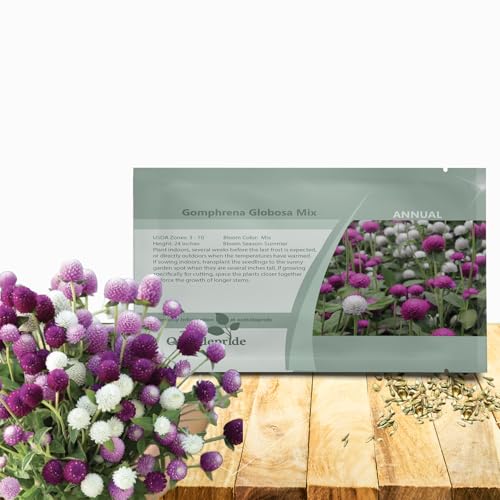
Outsidepride Mixed Gomphrena Seeds (Globe Amaranth)

American Plant Exchange Penta ‘Red Lace’ 6-Inch Pot
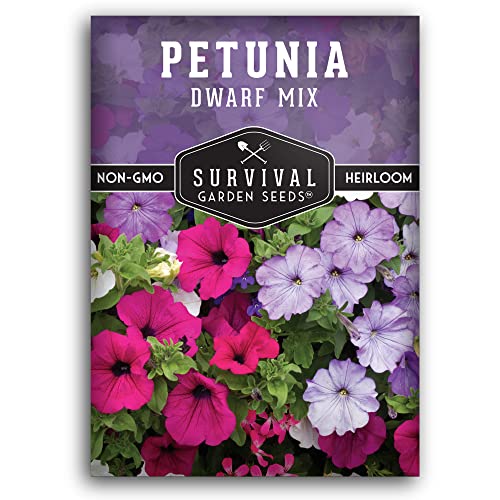
Survival Garden Seeds Dwarf Petunia Seeds

The Three Company Lantana (2 Pack) Assorted Colors

The Three Company Sunpatiens (3 Plants Per Pack)

TLSSCO 24,500+ Moss Rose Seeds (Portulaca)

Seedville 100 Mixed Portulaca Moss Rose Seeds

Wivolibe 300 Gazania Seeds Mix

Outsidepride Zahara Double Raspberry Ripple Zinnia Seeds
A Breakdown Of The Leading Choices
Gomphrena, often called globe amaranth, is one of those quietly tough annuals that gardeners in hot, dry climates keep coming back to. The Outsidepride mix arrives as roughly 1,000 seeds, giving you enough to plant a generous cluster of containers or a long sunny border without running out. The round, papery blooms hold their color so well that they’re a favorite for drying and tucking into fall arrangements, which is something most petunias and zinnias can’t do.
Container performance is the real story here. Unlike the sprawling petunias ahead in this list, gomphrena stays upright and compact, so a single 12-inch pot can anchor three to five plants without crowding. It’s well-matched to gardeners who want color without constant deadheading (the routine of snipping spent blooms to keep new ones coming).
What Makes Sense
- Holds color and shape when dried, doubling as a cut-and-keep flower for fall bouquets.
- Tolerates heat and dry spells once established, easing watering demands during August.
- Pollinator-friendly globe shape draws bees and butterflies into the container grouping.
- Adaptable across a wide climate range, so northern and southern container gardeners can both use it.
Things To Consider
- Starting from seed means waiting several weeks for blooms compared to live plants.
- Color is a mixed blend, so you can’t pick a specific shade for a coordinated scheme.
Feature Snapshot
Right Fit For
Container gardeners who want season-long color they can also bring indoors for dried bouquets, especially in hot, exposed spots.
Look Elsewhere When
The Seedville 100 Mixed Portulaca Moss Rose works better if you want fast, ground-hugging color in shallow pots at a lower entry point.
Pentas, sometimes called Egyptian Star Cluster, earn their place on any sunny patio the moment hummingbirds show up. The American Plant Exchange ‘Red Lace’ ships as a live plant in a 6-inch pot, which means you skip the seedling stage and get blooms within days rather than months. Deep red star-shaped flower clusters sit above clean green foliage, giving the plant a tidy silhouette in mid-size containers.
For gardeners who care more about wildlife than pastel color schemes, this is one of the strongest full sun annuals for containers on the list. It’s a different rhythm than the gomphrena seeds above: where gomphrena is patient and dry-tolerant, pentas push out fresh flower clusters all season as long as you keep them lightly fed.
What Stands Out
- Live 6-inch plant delivers instant impact instead of a multi-week seed start.
- Star-shaped bloom clusters pull in hummingbirds and butterflies from a wide radius.
- Heat-tolerant nature holds up through the hottest stretch of summer.
- Continuous bloom cycle from summer well into the cooler fall window.
Some Limits To Know
- Single-plant pot means you’ll want to buy several for a full container display.
- Bloom performance depends on regular watering, so it isn’t as drought-forgiving as lantana.
Feature Snapshot
Made For
Apartment and patio gardeners who want a finished, blooming plant on day one and love watching pollinators visit daily.
Swap It Out When
The Three Company Lantana (2 Pack) makes more sense if you want more plants per order and need a tougher, drier-situation performer.
Dwarf petunias solve the size problem that full-size petunias create. Petunia nana compacta tops out around 12 inches, so it tucks into narrow window boxes and short railing planters where the bigger, cascading petunias would look out of scale. Survival Garden Seeds packages a mix of red, purple, blue, pink, and white, which gives you a complete color story from a single packet.
It’s a quieter option than the live penta above but a useful one for anyone starting annuals from scratch on a budget. The compact habit also means less pinching and shaping through the season, which is a real plus for first-time growers.
Standout Benefits
- Compact 12-inch height fits window boxes and railing planters without overgrowth.
- Mixed color packet delivers variety in a single sowing session.
- Petunia blooms draw in pollinators, especially on calm mornings.
- Tidy growth habit reduces mid-season pruning compared to trailing varieties.
Points To Keep In Mind
- Petunias need consistent moisture, so dry, windy balconies can stress them.
- Starting from seed requires indoor timing ahead of your last frost date.
Who Will Love This
Small-space gardeners and first-timers who want a colorful window box without the sprawl of full-size petunias.
Consider Something Else When
The TLSSCO 24,500+ Moss Rose Seeds is a better fit if you need a high-volume sowing for many containers or a sunny ground-level bed.
Lantana is a workhorse for the hottest corner of any patio. The Three Company ships two live plants in 1-quart pots, with growers’ choice of assorted colors, so you get an immediate container-ready pair without running around to multiple nurseries. Each plant starts around 8 inches tall and 5 inches wide, then sprawls to 12 to 14 inches tall and 1 to 2 feet wide by midsummer.
The tubular bloom clusters act as a magnet for butterflies and hummingbirds, much like the pentas ahead, but lantana brings better drought tolerance to the table. In our view, lantana is the right answer for the patio corner where other flowers have struggled.
What Works In Its Favor
- Two-plant pack gives you a ready-made pair for a single large container.
- Tubular flower clusters consistently pull in hummingbirds and butterflies.
- Strong tolerance for heat, dry soil, and reflected light off pavement.
- Long bloom window from late spring through the first frost.
Trade Offs
- Mature spread of 1 to 2 feet means you’ll need a wide pot, not a narrow planter.
- Color is growers’ choice, so you can’t pin down a specific palette in advance.
Key Specs
Best Suited To
Hot-climate gardeners who want a butterfly-friendly container that doesn’t need daily attention during heat waves.
A Better Fit Elsewhere
The Seedville 100 Mixed Portulaca Moss Rose is a smarter pick if you need lower, tighter growth for a railing or tabletop display.
Sunpatiens are the answer when the container is the size of a small bucket and you want it to read from across the yard. A hybrid form of New Guinea impatiens, sunpatiens handle full sun far better than classic impatiens will, and a mature plant reaches about 36 inches tall with an equal spread. The Three Company ships three live plants per pack in 1-quart pots, which is the right count to fill a single large urn-style planter.
Compared to the lantana reviewed just above, sunpatiens are a bigger commitment in space and water, but they reward you with a fuller, taller mound. The tradeoff shows up clearly when you have a tight ledge versus an open corner.
Notable Gains
- 3-pack fills a statement planter without leaving gaps early in the season.
- Full-sun tolerance expands placement options beyond shaded patios.
- Mature 36-inch height and spread create strong visual presence.
- Continuous color through summer and into early fall in most climates.
Honest Caveats
- Requires daily watering for the first couple of weeks after transplanting.
- Size is overkill for small window boxes, where lantana or petunias fit better.
Feature Card
Perfect Match For
Homeowners with a large entryway urn, deck planter, or patio corner who want one container to anchor the whole view.
Not Your Match When
The Outsidepride Zahara Double Raspberry Ripple Zinnia works better if you want tall, cuttable flowers for a kitchen-window arrangement instead of a mounded container.
Moss rose (Portulaca grandiflora) is the cheerful ground-hugger that opens its petals when the sun hits and closes them again at dusk. The TLSSCO pack is a heavy-volume seed offering, with 24,500+ seeds, which is far more than most balcony gardeners need but a smart buy if you’re filling long planter boxes or a whole section of a sunny yard. The mix leans into tropical, saturated colors that pop against stone or concrete.
It’s the drought-and-heat cousin to the dwarf petunias earlier in this list, but with a lower, spreading habit. Moss rose thrives in the lean, gritty soil that other annuals sulk in, which makes it useful in tricky spots.
The Value In It
- Large seed count supports broad coverage at a low per-plant cost.
- Tolerates heat, drought, and poor soil better than most annual competitors.
- Low, spreading habit works as living mulch beneath taller container plants.
- Bright tropical colors stand out against neutral stone or wood surfaces.
Potential Drawbacks
- Flowers close in late afternoon and on cloudy days, so the display fades early.
- Seed count is overkill for anyone with just a couple of small pots.
Who Should Grab It
Container gardeners with many pots, long planter boxes, or a sunny bed who want a one-time seed buy that lasts multiple seasons.
Skip It When
The Seedville 100 Mixed Portulaca Moss Rose is the right call if you only need a few pots and want a more modest seed quantity.
Seedville’s mixed portulaca is the more measured counterpart to the TLSSCO bulk pack. You get 100 seeds in a rainbow of colors, which is a comfortable size for several mid-size containers without the storage question of a 24,500-seed bag. Plants stay short at around 4 inches, with a recommended 12 to 15 inches of spacing, so they knit together into a tight carpet rather than a tall mound.
Continuous bloom through the summer is the headline, and unlike many other full sun annuals for containers, portulaca doesn’t need deadheading to keep producing. It’s a quietly low-fuss option worth considering if you’ve had frustration with plants that quit blooming by midsummer.
Everyday Advantages
- Compact 4-inch height suits pot edges, borders, and shallow bowls.
- Continuous bloom cycle keeps the container colorful all season without deadheading.
- Full-sun placement matches the hottest spots in a typical yard or balcony.
- Mixed colors let you skip the planning step of buying separate packets.
Room For Improvement
- Petals close in low light, so evening displays lose their impact.
- Seed count is right-sized for a few pots but light for large projects.
Built With In Mind
Casual container gardeners with a small balcony or patio who want a low-fuss, sun-loving carpet of color.
Reach For A Different Pick When
The TLSSCO 24,500+ Moss Rose Seeds suits you better if you need serious volume for a long planter or full sun bed.
Gazania is the daisy-shaped cousin to portulaca, and the Wivolibe mix leans hard into the showy side. The 300-seed packet covers a generous container garden or a sunny bed, and the bold, oversized blooms show up early in the season and keep going until frost. Each plant stays low and spreading, so the visual interest sits at the rim of the pot rather than the top.
If your biggest frustration has been afternoon wilting, gazania is worth a serious look. It’s a tougher match for full, blasting sun than even the moss rose options above, especially in open, paved-over settings.
Notable Upsides
- Heat and drought tolerance suit the harshest afternoon exposures.
- Large, daisy-form blooms in a mix of saturated colors.
- Low, spreading growth fills a container quickly as a ground-cover layer.
- Long bloom season from early summer through the first frost.
Less Ideal Details
- Flowers close at night and on overcast days, reducing evening curb appeal.
- From seed, plants take time to establish, so early-season impact is limited.
Whose Shelf It Belongs On
Patio gardeners in hot, dry climates who want low-water color in containers that face direct, all-day sun.
Where A Sibling Pick Shines
The Outsidepride Mixed Gomphrena Seeds is a smarter pick if you want flowers that stay open longer and double as dried bouquet material.
Zahara zinnias close out the list with a focus on flower form. The ‘Double Raspberry Ripple’ produces densely ruffled, two-tone raspberry blooms that are noticeably fuller than a standard single-petal zinnia, and the 50-seed packet is the right size for a couple of large containers or one long window box. Hardy across a wide climate range, it suits most of the country.
This pick rounds out the roundup with a cut-flower angle the earlier entries don’t quite hit. The stems grow long enough to bring indoors, which makes it a hybrid between a container annual and a kitchen-garden flower.
The Helpful Details
- Double-ruffled blooms in a distinctive raspberry ripple color pattern.
- Deer-resistant foliage protects containers on ground-level patios.
- Stems are long enough to harvest for indoor arrangements.
- Heat and drought tolerance match a typical south-facing patio.
Practical Considerations
- Starting from seed means no instant container fill on planting day.
- Single-color variety gives less palette flexibility than mixed packets.
Quick Facts
The Right Fit
Container gardeners who also love a fresh-cut bouquet and want a flower that pulls double duty in the kitchen.
Another Choice May Suit
The Outsidepride Mixed Gomphrena Seeds fits better if you want a wider color range and a flower that holds up dried on the shelf.
Choosing Container Annuals That Handle The Heat
Sun exposure is the first filter, and it deserves a hard look before color. A patio that gets eight or more hours of direct light is in the “full sun” zone these plants are bred for, but a balcony that gets blasted afternoon sun plus reflected heat off a wall is its own microclimate. In that case, lean toward lantana, gazania, or moss rose rather than petunias, which tend to crisp at the leaf tips under intense reflected heat.
Container size matters more than most beginners expect. Small pots dry out in a single hot day, which stresses even drought-tolerant annuals and cuts the bloom count. Bigger containers hold moisture longer, give roots room to expand, and let you group multiple plants in a way that mimics a small flower bed. A 14 to 18 inch diameter is a sensible starting point for most of the picks above.
Watering style and drought tolerance should match your real routine. Be honest about how often you’ll actually be out there with a hose. Sunpatiens and petunias reward consistent moisture, while portulaca, lantana, and gazania are more forgiving when life gets busy and the watering can sits empty for a few days.
Seed vs. live plant comes down to timing and patience. Seed packets cost less and offer more variety, but they push bloom time back by several weeks. Live plants in pots give you an instant container on day one, at a higher per-plant cost. Many gardeners mix both: live plants to anchor the display and seeds to fill in around them.
What To Know Before You Buy
Common Shopping Slip Ups The biggest mistake is picking a plant you loved in a shadier yard and expecting it to perform in full sun. Equally common: underestimating mature size, so a healthy mid-season lantana or sunpatiens ends up crowding its neighbors or toppling a small pot. Always check the mature spread in the listing and size up your container by two inches.
Why Top Tier Costs More Higher-tier annuals, like the multi-plant live packs and the bigger seed counts, cost more because you’re paying for time, established root systems, and the convenience of a ready-to-go display. You pay more up front and skip the seedling stage, which is genuinely valuable if your growing season is short or you’re planting after the ideal seed-start window. The upgrade pays off when instant impact matters more than per-plant cost.
