

Container gardening in full sun can feel like a gamble. The afternoon heat bakes terracotta, dry winds strip moisture from soil, and the wrong variety wilts within a week. Anyone with a sunny patio, a balcony railing, or a front porch that catches the western light knows the frustration of picking up a six-pack of blooms that look good for three days and then collapse.
The picks below solve that problem in two different ways. Some are living plants and seeds built to handle relentless sun and dry soil, from compact sunflower varieties to lavender and trailing ice plant. Others are faux florals engineered with UV-resistant silk and flexible plastic stems, so a shaded porch or a windowsill can carry the same sunny color without any watering schedule. Each option is matched to a specific scenario, and a buying guide and FAQs at the end help you match your own space to the right choice.
The Picks In Brief

Ivydale Artificial Faux Silk Camellia Bundles (Red + Fuchsia)

AmberFun 24PCS UV Resistant Artificial Silk Flowers

Perennial Farm Marketplace Delosperma cooperi Hardy Ice Plant

The Three Company New Guinea Impatiens Orange (Pack of 2)

DouxiE 50 Teddy Bear Dwarf Double Sunflower Seeds

SIECCY Faux Petunias Outdoor Artificial Flowers (Purple-White)

Gardeners Basics Sunspot Dwarf Sunflower Seeds (35 Seeds)

Digtecno Faux Daisy Outdoor Bundles with Eucalyptus

Seed Needs Sunset Mixture Sunflower Seeds XL Pack
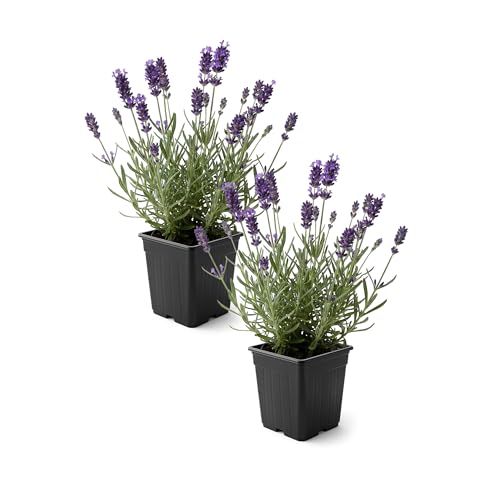
The Three Company Lavender 2 Pack Purple Blooms
Inside Each Recommended Option
For a south-facing porch that gets hammered with sun, silk camellias in a red and fuchsia blend hold their color better than living annuals you might forget to water. The bundles arrive ready to drop into a planter, so you can refresh a tired urn in about ten minutes without any soil or fertilizer.
UV-resistant coatings on the silk petals matter more than people expect, because cheap faux blooms bleach out within a month of direct sun. The set includes three large bundles, which is enough volume to fill a pair of matching porch pots if you split them. The look leans classic and full, which suits traditional homes better than minimalist modern planters.
The Value In It
- UV-resistant finish helps the red and fuchsia tones stay vivid in direct sun.
- Three large bundles give you enough material to fill two medium planters at once.
- Silk petals and flexible stems make shaping into curved or tall urns easy.
- Zero watering, no deadheading, and no seasonal replacement, so year-round color is realistic.
Honest Caveats
- Bundles may arrive compressed and need gentle fluffing to look natural.
- The bold red-fuchsia combo limits flexibility if your porch already has a specific palette.
Right Fit For
Anyone with a sunny porch who wants full-looking, classic-style planters without the upkeep of watering and deadheading.
Skip It When
You want pollinator activity and real plant growth, in which case the live Delosperma cooperi Hardy Ice Plant will suit you better.
The AmberFun 24-piece set is built for scale. You get 20 orchid-style bundles across four colors plus four lavender stems, which is more material than most faux flower sets offer, so a long window box or a row of railing planters can be filled from a single box.
Silk petals with bendable plastic stems help each bundle settle into a planter without looking stiff. The mixed-color format is helpful if you tend to switch palettes seasonally, and the UV-resistant finish is the kind of detail that makes outdoor placement less of a worry. If your outdoor space is small, you may find 24 bundles more than you need.
Key Advantages
- 24 bundles cover multiple large planters or a long railing in one purchase.
- Mix of orchid and lavender styles adds visual variety without buying separate sets.
- UV-resistant coating keeps the color from washing out in direct sun.
- Plastic-stem core lets you trim or bend each piece to fit the planter’s shape.
Soft Spots
- The mixed palette may clash with monochrome or themed outdoor decor.
- Loose blooms benefit from being fluffed before placement, which takes a few extra minutes.
- Stems are thin, so very tall urns may need internal support to hold their shape.
Best Suited To
Anyone staging multiple containers or a long window box who wants one purchase to cover the whole project.
Reach For A Different Pick When
You only need a single porch urn, in which case the SIECCY Faux Petunias six-bundle set is a tighter fit.
Delosperma cooperi is a succulent perennial, meaning the leaves store water like a sponge, so it handles drought far better than thirsty annuals. Quart-sized plants arrive ready to drop into a container, and within a season the trailing stems spill over the rim with rosy-pink daisy-like flowers.
It’s hardy in USDA zones 5 through 9, so most of the country can grow it outdoors year after year rather than re-buying each spring. Compared to the New Guinea Impatiens below, this plant tolerates dry soil and reflected heat from pavement, which makes it a strong fit for a hot patio corner. The plant is shipped in seasonal condition, so dormant winter arrivals may look sparse until growth resumes.
The Case For It
- Drought tolerance means you can skip a watering day without wilting.
- Trailing habit softens the edge of tall pots and window boxes.
- Perennial in zones 5 to 9, so you replant once and enjoy it for years.
- Succulent foliage looks attractive even when the plant is between bloom cycles.
Points To Keep In Mind
- Needs fast-draining soil, since wet roots in a container can rot the plant.
- Winter shipments may arrive dormant with trimmed foliage, which can look bare at first.
Key Specs
Whose Shelf It Belongs On
Hot patios, balcony corners, and anyone who forgets to water more often than they’d like to admit.
Where Another Pick Suits Better
If fragrance matters more than drought tolerance, the live Lavender 2 Pack from The Three Company delivers a stronger sensory payoff.
New Guinea Impatiens are famously forgiving, and this pack ships three starter plants per pot, which means a single quart container becomes a mound of orange blooms in a hurry. The plants are roughly 12 inches tall at maturity with a 5-inch spread, so a medium planter suits them well.
The heart-shaped petals add a soft, layered look that contrasts nicely with the spiky daisy bundles from the Digtecno set. Impatiens prefer a touch of afternoon shade in hotter regions, so a true western-exposed patio may be a stretch. For most decks with a few hours of shade, they reward even casual care with steady color through the warm months.
Where It Delivers
- Three starter plants per pack fill a pot faster than single-stem options.
- Heart-shaped petals and orange tones add a warm, soft look to entryways.
- Low maintenance enough for first-time container gardeners.
- Pack of two lets you mirror plantings on either side of a door.
Room For Improvement
- Impatiens appreciate afternoon shade, so full western sun can stress the plant.
- Listing availability shifts through the year, so check the current page before committing.
Made For
Entryway planters on porches with morning sun and afternoon shade, and gardeners new to living plants in containers.
Not Your Match When
Your planter sits in unrelenting afternoon sun, where the Delosperma cooperi ice plant will outperform impatiens by a wide margin.
Teddy Bear sunflowers earn their name from the fluffy, double-petaled golden heads that look more like a pom-pom than a flat sunflower face. The dwarf growth habit keeps the plant at a manageable height for containers, and a 50-seed pack means you can scatter several pots without running out.
The bloom style is distinctly different from the classic single-stem look of the Sunspot variety from Gardeners Basics. Teddy Bear tends to branch more, which fills out a wider pot nicely. Germination rates depend on soil temperature and watering, so first-timers may want to start a few extra seeds in case of misses.
Where It Excels
- Double-petaled golden blooms add texture that flat-petaled sunflowers lack.
- Compact size suits small to medium containers without staking.
- 50 seeds per pack support multiple pots or succession sowing.
- Easy project for kids learning how seeds turn into flowers.
Trade Offs
- Seeds need warm soil and consistent moisture to germinate reliably.
- Heads are dense and can collect water, so avoid overhead watering late in the day.
Quick Facts
Who Will Love This
Families with kids, classroom gardens, and anyone who wants a fluffy-textured sunflower that fits in a small pot.
Look Elsewhere When
You want tall single-stem sunflowers for cutting, which is exactly the niche the Gardeners Basics Sunspot seeds fill.
The SIECCY petunia-style bundles capture the trailing, two-tone look that real petunias give off, but without the daily wilt drama of midsummer. Six bundles per pack is the right size for a single statement urn or a pair of smaller pots flanking a door.
UV-resistant coating helps the purple-and-white palette stay clean through a full summer, and the petals arrive with a believable color gradient. The bundles are best paired with a planter that already has some greenery, real or faux, so the petunias read as blooms rather than full plants. For pure volume, the AmberFun 24-piece set covers more ground.
Good Reasons To Consider
- Trailing petunia shape mimics a real hanging basket without the upkeep.
- Purple-white contrast reads cleanly from a distance, which suits front-yard planters.
- UV-resistant treatment supports long outdoor placement.
- Smaller pack size fits a single project without leftover bundles.
Some Limits To Know
- Bundles may need fluffing after being compressed in the box.
- Six bundles may not be enough volume for very large urns on their own.
Perfect Match For
Statement front-door planters where you want trailing color but don’t want to deal with real petunias in midsummer heat.
Consider Something Else When
You want bees and butterflies in the garden, in which case the Seed Needs Sunset Mixture sunflowers will draw far more pollinator activity.
Sunspot is the variety to reach for when you want a recognizable single-stem sunflower in a manageable size. The compact growth habit keeps the plant short enough for a large container on a patio railing, and the classic golden petals with dark centers are what most people picture when they think of a sunflower.
Compared to the fluffy Teddy Bear seeds from DouxiE, Sunspot produces a more traditional flat bloom, which is friendlier to cutting for indoor arrangements. A 35-seed pack is enough for one good round of sowing in a few medium pots, and full-sun placement gives you the tallest, sturdiest stems.
Real Benefits
- Traditional sunflower shape works well for indoor cutting arrangements.
- Dwarf height keeps the plant from toppling in a typical patio container.
- Full-size golden blooms on a compact plant deliver a strong color payoff.
- Suits raised beds, borders, and short seasonal hedges in addition to pots.
Things To Weigh
- Smaller seed count than the DouxiE pack, so succession planting is more limited.
- Like most sunflowers, the plant benefits from staking in exposed or windy spots.
Feature Snapshot
Right Fit For
Patio gardeners who want classic-looking cut sunflowers without the height of full-size varieties.
A Better Fit Elsewhere
Seed Needs Sunset Mixture is the better match if you want multiple sunflower colors and a stronger pollinator draw.
The Digtecno set pairs faux daisies with eucalyptus-style leaves in a 16-bundle count, which fills a tall urn without leaving you short. The mix of bloom and greenery is the kind of combo real florists use, and the daisies add a friendly, casual tone to a porch.
UV-resistant plastic and silk help the white petals hold their color in direct afternoon light, which is where most porch urns live. Eucalyptus-style leaves soften the look and break up the flower mass. The bundles work especially well when paired with a planter that already has visible greenery, since the included leaves add depth but aren’t a full foliage substitute.
A Few Highlights
- Daisy and eucalyptus combo delivers a florist-style look in one box.
- 16 bundles fit a tall urn or a pair of medium planters comfortably.
- UV-resistant treatment supports outdoor placement through summer.
- Waterproof material holds up to rain and morning dew.
Less Ideal Details
- Pot is not included, so you’ll need a separate planter to anchor the look.
- White petals show dust and pollen more visibly than darker faux flowers.
Made For
Tall porch urns and front-entry planters where you want a casual, mixed-foliage look with no watering required.
Swap It Out When
You’d rather grow real flowers than maintain faux ones, in which case the Delosperma cooperi ice plant is the closest live substitute.
The Sunset Mixture leans into the pollinator angle with a multi-color blend of red, orange, and yellow sunflowers. An XL pack gives you enough seed to fill several large containers or to scatter some into a back border as a nectar source for bees and butterflies.
Compared to the single-variety Sunspot and Teddy Bear packs, this blend trades a uniform look for a more painterly mix. Mature heights vary, so plan for the taller plants to anchor the back of a planter or against a railing. For most home gardeners, a sunny pot with regular watering is all the variety needs to perform.
Positive Points
- Multi-color mix creates visual interest without buying separate seed packets.
- Strong pollinator draw for bees and butterflies in warm months.
- XL pack supports multiple containers or a container-and-border combo.
- Easy germination in warm, well-drained soil with regular moisture.
Factors To Consider
- Heights vary across the mix, so taller plants may need staking in exposed locations.
- Color variation is the appeal, but it isn’t ideal if you prefer a uniform planter palette.
Quick Facts
Right Fit For
Garden pollinators like bees and butterflies, and anyone who wants a single seed purchase to span a full warm season.
Reach For A Different Pick When
Fragrance is your goal, since the live Lavender 2 Pack from The Three Company offers a more aromatic experience.
Lavender earns the closing slot for a reason: it pulls double duty as an ornamental bloom and a fragrant herb. The Two Company ships two starter plants in one-quart pots, roughly 10 inches tall at delivery, which means a pair of matching planters can be filled from a single purchase.
Lavender prefers full sun and excellent drainage, so a porous terra-cotta pot suits it better than a glazed container that holds moisture. Compared to the Delosperma ice plant, lavender delivers stronger scent and pollinator appeal, though it grows more slowly. Once established, you may find it one of the lowest-effort live plants on the list.
Practical Pluses
- Strong, soothing lavender fragrance fills the air around a sunny patio.
- Two-pack format suits symmetric placements like door flanks or stair steps.
- Perennial in many regions, so it returns for multiple seasons.
- Pollinator-friendly blooms draw bees and butterflies.
Things To Consider
- Demands fast-draining soil and a porous pot to prevent root rot.
- Growth is slow in the first season, so don’t expect a full mound right away.
Feature Snapshot
Who Will Love This
Anyone who wants their sunny container garden to smell as good as it looks, especially near seating areas or open windows.
Consider Something Else When
You want trailing blooms that spill over the pot edge, in which case the Delosperma cooperi ice plant is the better structural match.
Choosing Container Plants That Thrive in Direct Sun
Match the Plant to Your Sun Exposure
Full sun technically means six or more hours of direct light per day, and the afternoon hours count more than morning ones. Western-facing patios get the harshest rays, which is why drought-tolerant choices like the Delosperma cooperi ice plant and lavender tend to outperform thirstier annuals there. South-facing spots are gentler and suit a wider range of plants, including New Guinea Impatiens if some afternoon shade is available.
Decide Between Living Plants and Faux Florals
Living plants reward you with fragrance, pollinator activity, and the satisfaction of growth. They also require watering, occasional feeding, and seasonal replacement. Faux flowers like the Ivydale camellia bundles and SIECCY petunias deliver consistent color with zero upkeep, which suits rental properties, second homes, or anyone who travels often. The honest read is that the best choice depends on how much time you want to spend on the plants versus enjoying them.
Size the Pot and Plant to Each Other
Smaller starter plants like the one-quart lavender or impatiens packs need a pot with at least a few inches of room around the root ball to establish. Trailing plants like ice plant actually prefer slightly tighter quarters, which encourages the cascading growth that makes them attractive in containers. A general rule is to choose a pot roughly two inches wider in diameter than the starter container, with drainage holes at the bottom.
Look at Soil and Drainage Before You Commit
Most sun-loving plants hate wet feet, which means a container without drainage holes is a slow death sentence. For lavender and ice plant especially, a fast-draining potting mix with perlite or coarse sand is worth the small extra cost. The cheap, moisture-retentive mixes sold for shade plants will hold too much water for the picks on this list.
Key Considerations Across These Picks
Common Shopping Slip Ups
Picking a plant based only on flower color without checking sun and water needs is the most common mistake. A beautiful bloom in the wrong conditions will struggle within a week. Another slip-up is choosing a pot that is too small for the mature plant, which constrains root growth and reduces bloom output. Measure the planter’s diameter and the plant’s expected spread before you commit, and confirm that the pot has drainage holes.
Where The Extra Money Goes
Higher seed counts, larger starter plants, and UV-resistant faux coatings are the main drivers of price differences. A larger seed pack like the Seed Needs Sunset Mixture XL simply gives you more sowing flexibility across multiple pots. A one-quart live plant establishes faster than a smaller starter, so the higher entry cost often pays back in the first season through earlier and more abundant blooms. UV-resistant faux flowers last longer in direct sun, so the upgrade makes sense for any planter in a high-exposure spot.
Frequently Asked Questions
How much sun do full sun container flowers actually need?
Full sun means at least six hours of direct light per day, with the afternoon hours doing most of the work for bloom production. South- and west-facing patios usually meet this threshold, while east-facing spots often need supplementation with a sun-loving variety that tolerates a little morning shade.
Can I mix real and faux flowers in the same planter?
Yes, and many gardeners do. A common approach is to use a real, low-water plant like lavender as the anchor and surround it with seasonal faux stems for fullness. Just be careful that faux stems don’t trap moisture against the soil surface, which can encourage rot in the live plant.
What’s the best soil for sun-loving container flowers?
A fast-draining potting mix designed for containers is the safest baseline. For plants that demand sharp drainage like lavender and Delosperma, blend in extra perlite or coarse sand at roughly a one-to-four ratio. Avoid garden soil in pots, since it compacts and reduces drainage over time.
How often should I water full sun flowers in pots?
Pots dry out faster than garden beds, so daily watering is common during summer heat waves for most varieties. Drought-tolerant picks like Delosperma cooperi and lavender can go longer between waterings once established, while New Guinea Impatiens need more consistent moisture. The finger test, where you push a finger an inch into the soil, is the most reliable guide.
Do faux outdoor flowers really hold up in direct sun?
UV-resistant faux flowers are engineered for outdoor placement and can last several seasons before any fading becomes visible. Non-UV-treated silk tends to bleach out within weeks of full sun exposure, which is why the UV-resistant claim is worth verifying before you buy. Even the best faux blooms benefit from occasional dusting and shade during extreme weather to extend their lifespan.
The Takeaway
The right pick depends on whether you want a living plant to grow or a faux floral to install and forget. For real blooms, lavender and Delosperma cooperi handle the harshest conditions with the least fuss, while dwarf sunflower seeds reward a small investment of time with impressive color. For consistent color without the maintenance, the UV-resistant faux bundles from Ivydale, AmberFun, SIECCY, and Digtecno each cover a different scale of project. Match the choice to your sun exposure, your watering habits, and the size of your planter, and the rest takes care of itself.
