

A patch of bare dirt in the brightest corner of the yard is annoying. Grass burns out, weeds take over, and the hose never quite gets there. The right full sun ground cover turns that stubborn spot into a low-maintenance carpet of color, texture, or fragrance without daily babysitting.
Whether you want a flowering lawn alternative, a fragrant mat between stepping stones, or a no-mow path that handles foot traffic, this list covers seed picks and a heavy-duty fabric option for preparation. These are practical choices for hot, dry beds, sloped terrain, pollinator gardens, and high-visibility borders.
The Choices Worth Comparing

PLANTMEW 20000+ Creeping Thyme Seeds (Thymus Serpyllum)
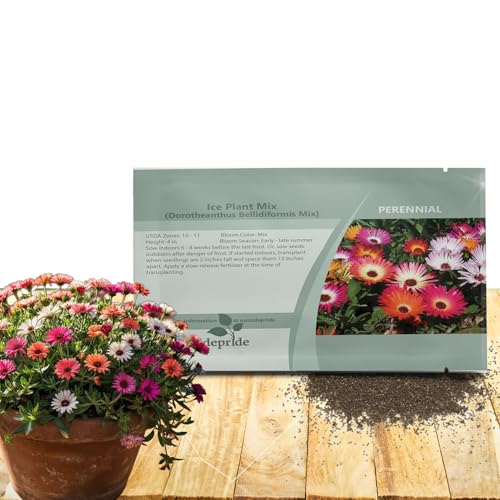
Outsidepride Mix Ice Plant Seeds 10000 Pcs Perennial

Marde Ross Creeping Thyme Seeds Dense Ground Cover 8000+

Survival Garden Seeds Purple Alyssum Seeds for Planting

Marde Ross Forget Me Not Seeds 6000 Flower Seeds Perennial

SVI 3000 Carpet of Snow Sweet Alyssum Seeds

Groundio 20000+ Creeping Thyme Seeds Ground Cover Plant

Sunocity 4ft x 300ft Weed Barrier Fabric 3.2oz Heavy Duty

Ficoszo 10000+ White Irish Moss Seeds for Planting

Carpet Creeping 20000+ Creeping Thyme Seeds for Planting Outdoor Heirloom
The Strengths Of Each Pick
Creeping thyme earns its place in sunny beds because it handles the two things most ground covers struggle with: poor soil and heat. This PLANTMEW pack offers over 20,000 seeds in a 10g packet, generous for filling a wide border or seeding a small lawn alternative. The plant stays low, spreads steadily, and releases a soft herbal scent when brushed or stepped on.
For a pollinator-friendly front yard or a fragrant path, this is a sensible starting point. The trade-off is patience: thyme germinates slowly and takes a full season to knit into a tight mat. In most home beds you’ll get flowers from the second summer onward.
Useful Strengths
- Over 20,000 seeds per packet covers a generous area without reseeding
- Thyme tolerates poor, sandy, or rocky soil where other covers fail
- Fragrant foliage releases scent with foot traffic along paths
- Flowers attract bees, butterflies, and other pollinators in summer
- Drought-tolerant once established, reducing summer watering
Things To Consider
- Slow to germinate; beginners may worry the first few weeks
- Young plants need consistent moisture until roots spread
Key Specs
Who It Suits Best
Garden owners with full-sun beds, pollinator-friendly borders, or sunny path edges who want a fragrant, low-water option.
Where Another Pick Suits Better
Choose the Outsidepride Mix Ice Plant Seeds instead if you want vivid, daisy-like flowers over a more herbal mat.
Ice plant brings color to hot, dry ground where most flowering covers fade. This Outsidepride mix blends Dorotheanthus bellidiformis varieties for a trailing, daisy-like carpet that blooms from early into late summer. The succulent foliage stores water, so the plants shrug off the kind of drought that scorches lawn grass in July.
Compared to creeping thyme, ice plant is louder visually and softer underfoot. It’s a natural match for xeriscape beds (landscaping designed to need little to no irrigation), sunny rock gardens, and slope plantings where you want a wall of color. Depending on your climate, the foliage may not stay fully evergreen through winter.
Advantages To Know
- 10,000 seeds cover a substantial sunny bed or slope
- Drought-tolerant succulent foliage needs minimal summer water
- Long bloom window from early to late summer
- Mix of flower colors adds visual variety without separate plantings
- Trailing habit fills gaps between rocks and along edges
Worth Noting
- Tender to frost; may not return in cold-winter zones
- Slow to establish in heavy clay without soil amendment
Right Fit For
Homeowners in dry, sunny regions building xeriscape beds, slope plantings, or rock gardens who want vivid color without weekly watering.
Consider Something Else When
Pick the PLANTMEW Creeping Thyme Seeds if you prefer a more herbal, walkable mat over bright daisy-like blooms.
Thyme between pavers is one of the oldest tricks in cottage garden design, and this Marde Ross pack leans into that use case. The dwarf, adaptive habit tolerates moderate foot traffic, making it a smart pick for stepping stone paths, walkway edges, and the cracks in flagstone patios. Seed is grown and packaged in the U.S., which helps with freshness and traceability.
The seed count is smaller than the 20,000-seed packets elsewhere on this list, so plan accordingly for larger areas. For a tight border or a defined path strip, the quantity is plenty. Like other thyme, you’ll wait a season for a full mat.
Points In Its Favor
- Handles moderate foot traffic in path and paver gaps
- Popular dwarf variety widely used in landscape design
- U.S.-grown seed with consistent freshness
- Adapts to a range of well-drained soil conditions
Trade Offs
- Smaller seed count than competing thyme packets
- Best in well-drained soil; struggles in wet, heavy ground
Feature Snapshot
Best Suited To
Homeowners filling gaps between pavers, edging a flagstone path, or building a small thyme border in a well-drained bed.
Skip It When
Reach for the PLANTMEW 20000+ Creeping Thyme Seeds when you need to cover a wide lawn-alternative area on a single packet budget.
Sweet alyssum, specifically the Royal Carpet variety, brings low, spreading color to the front of a sunny border. Survival Garden Seeds packs this as a single 1-pack option for gardeners who want a small, deliberate planting. The honey-like fragrance and clusters of tiny purple flowers pull in bees and butterflies for months.
Alyssum is technically a frost-sensitive perennial (a plant that lives multiple years in warm climates) usually grown as a cool-season annual (planted each year). In mild-winter areas it self-seeds, returning year after year. In colder zones, expect to replant or let volunteers surprise you.
Positive Points
- Royal Carpet variety spreads wide with vivid purple clusters
- Honey fragrance draws bees and butterflies to the garden
- Low-growing habit edges beds and paths cleanly
- Easy surface sowing suits beginner gardeners
Soft Spots
- Frost-sensitive; needs replanting in cold zones
- Single pack only; not ideal for large-scale ground coverage
- Heat may slow blooming mid-summer in hot regions
Made For
Gardeners who want a fragrant, pollinator-friendly edging in a small bed, rockery, or container grouping.
A Better Fit Elsewhere
Choose the SVI 3000 Carpet of Snow Sweet Alyssum Seeds when you want a larger white-blanket planting for containers and flower beds.
Forget-me-nots are a soft, sentimental pick for the edge of a bulb bed. This Marde Ross packet holds 6,000 seeds of a perennial variety that grows 6 to 12 inches tall, with delicate quarter-inch sky-blue flowers and yellow centers from spring into summer. The plants are adaptable to both sun and partial shade, which gives you flexibility around taller tulips and daffodils.
The trade-off is height. Forget-me-nots are a flowering cover, not a tight lawn alternative. They work best woven through a border or layered under taller bulbs where a little looseness is welcome.
Noteworthy Benefits
- 6,000 seeds in one packet for generous border coverage
- Adapts to sun and partial shade around taller plants
- Spring-to-summer bloom window fills the gap before annuals peak
- Sky-blue flowers pair naturally with tulips and other bulbs
Points To Keep In Mind
- Taller than mat-forming covers, so it suits borders, not pavers
- Self-seeds freely; plan for spread or thin annually
Perfect Match For
Gardeners layering a soft, blue carpet under tulip and daffodil bulbs in a partly sunny border.
Not Your Match When
Pick the PLANTMEW Creeping Thyme Seeds instead for a low, walkable mat between stepping stones or along a path.
Carpet of Snow lives up to its name, producing a soft, low blanket of tiny white blooms with a sweet scent. SVI packs 3,000 seeds of Lobularia maritima, a non-GMO alyssum that reaches about six inches tall and spreads low and wide. The bright white flowers pop against dark mulch or stone and add a finished look to the front of a sunny border.
Surface sowing is the method here: press seeds onto the soil and keep them lightly moist. The “Carpet of Snow” name reflects the dense, even coverage once established, but germination is faster than thyme and alyssum rewards the wait within a single growing season.
A Strong Showing
- 3,000 seeds cover a defined border or container grouping
- Non-GMO seed with consistent germination habits
- Sweet-scented white blooms brighten dark mulch and stone
- Low, wide spread fills gaps in flower beds and pots
Honest Caveats
- Surface sowing needs careful watering to avoid washing seeds away
- Smaller packet size than some competing alyssum options
Key Attributes
Who Will Love This
Container gardeners and border planters who want a fragrant, low white cascade along sunny edges.
Reach For A Different Pick When
Choose the Survival Garden Seeds Purple Alyssum Seeds if you’d rather have a purple-blanket effect than white.
Groundio leans into the lawn-replacement angle, marketing thyme as a minty, fragrant, low-mow alternative. The 20,000+ seed count is generous enough to seed a meaningful area, and the creeping habit forms a dense mat over time. The strong aroma comes from the same essential oils that make thyme a kitchen staple, with a refreshing mint-cool character.
Where this differs from the PLANTMEW thyme earlier in the list is mainly in the way it’s framed: the brand emphasizes the sensory, herbal appeal. In our view, the growing requirements are the same as any other thyme: full sun, well-drained soil, and patience for a full mat.
The Good Stuff
- 20,000+ seeds for a large lawn-replacement project
- Strong minty aroma adds a sensory layer to the garden
- Creeping stems spread to form a tight ground mat
- No-mow alternative once the carpet fills in
A Few Limitations
- Strong aroma may not suit gardeners sensitive to herbal scents
- Same slow establishment as other thyme varieties
Built With In Mind
Homeowners planning a sizable no-mow lawn replacement in a sunny, well-drained yard who want fragrance along with coverage.
Another Choice May Suit
Pick the Marde Ross Creeping Thyme Seeds if you want a smaller, U.S.-grown packet for a narrow border or path strip.
Before seeds go down, prep matters. Sunocity’s woven polypropylene fabric comes in a 4-foot by 300-foot roll, weighing 3.2 oz per square yard, which puts it in heavy-duty territory. It’s UV-stabilized (treated to resist breakdown from sunlight) and permeable, so water reaches plant roots while sunlight stays blocked from weeds. The package includes 90 staples to anchor the edges.
This is not a seed; it’s the prep layer that makes seed-based ground covers succeed. Laying fabric first kills existing weeds, then cuts or opens planting pockets where seeds or transplants go. For most large beds, skipping this step means fighting weeds all season.
What Stands Out
- 3.2 oz heavy-duty fabric resists tearing during installation
- UV-stabilized for multi-season outdoor use
- Permeable weave lets water and air reach soil
- Includes 90 staples for quick anchoring
Worth Bearing In Mind
- Cutting planting pockets takes time on large rolls
- Fabric alone won’t grow; pair with seed or transplants
- 4-foot width may require overlap on wide beds
Whose Shelf It Belongs On
DIY landscapers preparing large beds, pathway bases, or rock garden foundations before seeding or mulching.
Look Elsewhere When
Choose the PLANTMEW Creeping Thyme Seeds if your project skips the fabric stage and goes straight to broadcasting seed on bare soil.
This Ficoszo packet is positioned as a moss-clover hybrid, marketed for erosion control, lawn alternative use, and a velvety green carpet look. With 10,000+ non-GMO seeds, it’s a solid mid-range quantity. The plants stay low and spread steadily, suiting rock gardens and yard edges where a soft, almost mossy texture is the goal.
Germination needs warmth and steady moisture, similar to other fine seed options. Compared to creeping thyme, this leans more toward texture and less toward fragrance. For visual softness, it earns its place on the list.
Everyday Wins
- 10,000+ seeds for medium-to-large planting projects
- Non-GMO seed suits typical home-garden preferences
- Low, spreading habit creates a velvety moss-like mat
- Useful for erosion control on gentle slopes
Practical Considerations
- Needs warm, consistently moist conditions to germinate
- May take a full season to fill in completely
Who Should Grab It
Garden owners building a moss-textured lawn alternative, a rock garden, or a low border in a sunny, well-watered bed.
Where A Sibling Pick Shines
Pick the Groundio 20000+ Creeping Thyme Seeds if fragrance and a denser herbal mat matter more than moss-like texture.
The Carpet Creeping pack rounds out the list with another 20,000+ seed thyme option, framed for the home garden and stepping-stone use cases. The heirloom label signals a traditional, open-pollinated variety (one pollinated naturally so seed saved from plants stays true to type). Once established, the mat stays evergreen in many climates and flowers in early summer to draw in pollinators.
Functionally, it’s similar to the other thyme packets. Where it differs is the framing: gardeners who prefer heirloom seed lines over generic commercial stock will find this fits their usual sourcing habits.
Benefits That Matter
- 20,000+ seeds in a single packet for broad coverage
- Heirloom open-pollinated variety appeals to traditional gardeners
- Stays evergreen in many climates for year-round coverage
- Early summer flowers attract bees and beneficial insects
Details To Watch
- Same slow establishment curve as other thyme varieties
- Evergreen behavior varies by regional winter conditions
Quick Facts
Right Fit
Heirloom-focused gardeners seeding large thyme areas, stepping-stone paths, or sun-baked border strips who want a traditional variety.
Swap It Out When
Reach for the Marde Ross Forget Me Not Seeds if you’d rather have a flowering border in blue than an herbal mat in green.
What Matters Most Before Choosing Full Sun Ground Cover
Match The Plant To Your Soil And Foot Traffic
Full sun ground covers fall into two broad groups: walkable mats like creeping thyme, and taller flowering covers like forget-me-nots or alyssum. Walkable mats handle stepping-stone gaps and light path traffic but stay low, while flowering covers add color and pollinator value but won’t survive heavy footfall. Match the plant to the job, not the other way around.
Think About Water, Bloom, And Color Together
Drought tolerance varies a lot across this list. Ice plant and established thyme shrug off dry summers, while alyssum and moss-clover prefer steady moisture during germination. Bloom timing also matters: thyme peaks in early summer, alyssum covers late spring through summer, and forget-me-nots bridge the early bulb season. Layering two of these can give continuous color.
Plan For Slow Establishment And Patience
Most seed-based ground covers take a full season to knit into a tight mat. Thyme is famously slow. Plan for watering during the first summer, expect patchy coverage early on, and resist the urge to over-seed. Heavier feeders and impatient gardeners benefit from mixing seed with the Sunocity fabric prep step in larger projects to keep weeds from outcompeting young plants.
Key Considerations Across These Picks
Common Buying Mistakes
A frequent slip is grabbing a packet count based on packet size alone, then discovering the area needs reseeding halfway through. For wide beds, the 20,000+ thyme packets make more sense than smaller counts, while 3,000 to 6,000 seeds fit defined borders. Another trap is assuming full sun means any soil: thyme and ice plant demand well-drained ground, and soggy clay will rot young roots before they establish.
Where The Extra Money Goes
Higher seed counts and heirloom or non-GMO labeling tend to push prices up, but the upgrade often pays off in germination consistency and traceable sourcing. Heavier weed-barrier fabric costs more than thin plastic sheeting, but the UV-stabilized woven material lasts multiple seasons rather than shredding after one. For gardeners investing serious time in a lawn-replacement project, the heavier fabric and larger seed packets are where the extra spend earns its keep.
Frequently Asked Questions
How long does creeping thyme take to fully spread?
Creeping thyme usually germinates in 14 to 30 days under warm conditions. A tight mat typically forms in the second growing season, with full flowering from the second summer onward.
Can these ground covers survive in poor or rocky soil?
Thyme and ice plant thrive in poor, well-drained soil and tolerate rocky ground once established. Alyssum and forget-me-nots prefer richer soil with steady moisture during establishment.
Do any of these work between stepping stones?
Creeping thyme is the strongest pick for stepping stones and paver gaps, with moderate foot traffic tolerance. The Marde Ross packet, in particular, is commonly used for that purpose. Alyssum and forget-me-nots are too tall and soft for gaps.
Will any of these attract bees and butterflies?
Most flowering options on this list, including thyme, alyssum, and forget-me-nots, pull in pollinators during their bloom windows. Ice plant flowers also attract bees in summer, especially in dry-sun gardens where other nectar sources are scarce.
How do I prepare the soil before seeding?
Clear existing weeds, loosen the top inch of soil, and rake smooth. For large areas, laying Sunocity weed barrier fabric first and cutting planting pockets reduces long-term weed competition and improves seedling survival.
Closing Remarks
Pick the ground cover that matches your sun, soil, and patience level. Thyme rewards a full season of waiting with fragrance and a tough mat, ice plant delivers color in dry heat, and alyssum gives fast seasonal color at the border’s edge. Prep the bed well, water through the first summer, and let the carpet fill in on its own schedule.
