

Black spot shows up the moment warm, humid weather settles over your rose bed, and it spreads fast if you wait. A reliable fungicide program keeps foliage clean so the plant can keep pushing blooms through summer. The eight picks below cover a range of approaches, from copper-based protectants to biological sprays, so you can match the right product to your garden’s needs.
A Closer Look At The Lineup
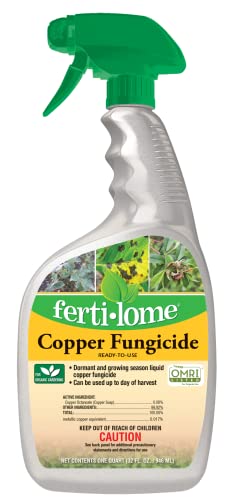
Fertilome 16136 Copper Fungicide Ready to Use 32 oz
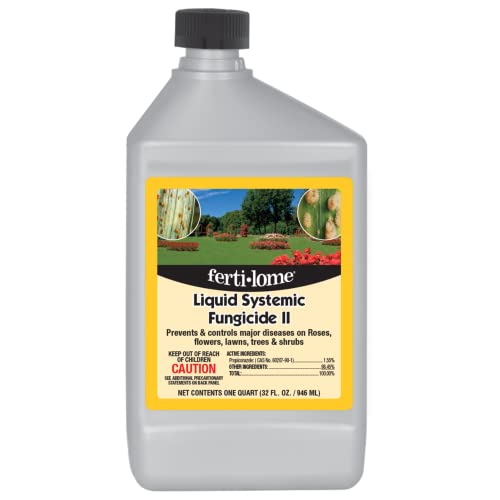
Fertilome 11378 Liquid Systemic Fungicide II 32 oz

Fertilome 10765 F-Stop Lawn & Garden Fungicide 32 oz

Earth’s Ally Disease Control Fungicide Concentrate 32 oz

Earth’s Ally 3-in-1 Plant Spray 32 oz

Garden Safe Fungicide3 with Neem Oil 1 Gal

Root 98 Warehouse Garden Friendly Bio Fungicide 8 oz

Bonide Rose Rx Systemic Drench 32 oz
The Details Behind The Selections
Copper fungicides have anchored rose care routines for generations, and the Fertilome 16136 formula comes pre-mixed so you can skip the measuring stage entirely. You spray it on foliage, and the copper ions (charged particles that disrupt fungal cell function) coat each leaf with a barrier that stops black spot spores from getting a foothold. For most backyard beds, that translates into fewer defoliated canes by midsummer.
Where this product really helps is mixed gardens. Roses share space with tomatoes, fruit trees, and ornamentals, and this same bottle handles powdery mildew on phlox and early blight on tomatoes. The trade-off is reapplication, since rain and overhead watering wash the protective film off and require fresh sprays every seven to ten days during peak humidity.
A Few Strong Suits
- Pre-mixed bottle means no measuring cups or runoff calculations.
- One product covers roses, vegetables, and fruit trees in the same yard.
- Works as both a preventive coating and a treatment on early-stage infections.
- Available in a 32 oz size that handles a typical bed of eight to ten roses for a month.
Trade Offs To Consider
- Copper builds up in soil over years, so heavy repeat users may want to rotate active ingredients.
- Spray coverage must coat both sides of leaves to work, which takes patience on dense shrubs.
- Can leave a faint bluish residue on dark foliage if applied in direct sun.
Key Attributes
Who It Suits Best
Growers managing mixed beds of roses, vegetables, and fruit trees who want a single product that handles multiple fungal threats without mixing concentrate.
Where Another Pick Suits Better
The Bonide Rose Rx Systemic Drench fits better for anyone who wants to avoid foliar spraying altogether and treat through the roots instead.
Contact fungicides sit on the leaf surface, but systemic products work from the inside out. The Fertilome 11378 Liquid Systemic Fungicide II enters plant tissue and circulates with the sap, which means new growth is protected as it emerges. For roses hit hard by black spot in past seasons, that internal defense makes a real difference in holding the line through July and August.
You mix this concentrate with water before spraying, which adds a step the ready-to-use Fertilome 16136 avoids. The payoff is stronger, longer-lasting protection. Apply early in the growing season as new leaves unfold, and most home growers see far fewer spotted leaves by the time the first flush of blooms opens.
Positive Points
- Systemic action protects new growth that emerges after application.
- One bottle makes multiple gallons of spray, lowering the per-treatment cost.
- Effective on lawns too, so the same product handles brown patch and dollar spot.
Minor Gripes
- Requires accurate measuring and mixing, which is a step beyond a ready-to-spray bottle.
- Cannot be used on every plant type, so always check the label before spraying edibles.
Made For
Experienced rose growers with a track record of heavy black spot pressure who want season-long systemic protection.
Look Elsewhere When
You prefer a fixed, pre-measured routine, in which case the Fertilome 10765 F-Stop RTS is the simpler path.
Beginner rose growers often lose the war against black spot because they start spraying too late. The Fertilome 10765 F-Stop arrives ready to spray, which removes every excuse to delay the first application. The bottle hooks to a standard garden hose, and you walk the bed, coating leaves from top to bottom in about ten minutes.
Compare that to the Fertilome 11378 concentrate, which demands mixing, and you see why the F-Stop appeals to anyone who wants a low-fuss routine. The active ingredient works as a preventive barrier, so starting applications at bud break and repeating every two weeks is the core schedule. It also handles rust and blights, which means a single bottle covers a few common yard problems.
Real Benefits
- Hose-end design removes measuring, mixing, and extra sprayer cleanup.
- Covers roses, ornamentals, fruits, nuts, and vegetables with the same spray.
- Beginner-friendly timing: apply before symptoms appear for the best results.
Honest Caveats
- Once mixed by the hose-end sprayer, the bottle must be used within a few hours to maintain effectiveness.
- Coverage on the underside of leaves is harder with a hose-end nozzle, and that side is where black spot spores often start.
Right Fit For
First-time rose growers who want a single, easy-to-use product that gets them through the season without complicated mixing.
Swap It Out When
Your black spot pressure is heavy and the F-Stop alone is not keeping up, in which case the Fertilome 11378 Liquid Systemic Fungicide II is the stronger option.
Synthetic fungicides work, but they come with reentry intervals and gloves. Earth’s Ally Disease Control takes a different path by using citric acid (a weak acid naturally found in citrus fruit) to control fungal growth on contact. For households with curious dogs, kids, and a rose bed close to a swing set, that tradeoff matters.
Unlike the copper-based Fertilome 16136, this product is biodegradable and poses minimal risk to beneficial insects when used as directed. You mix the concentrate with water in a pump sprayer, coat the foliage, and the citric acid goes to work on existing black spot while leaving a residue that helps prevent new infections. The honest read is that organic controls generally require more frequent applications than synthetics, and you may need to spray every five to seven days in heavy pressure.
Good Reasons To Consider
- Citric acid formula avoids the chemical residue concerns of copper or synthetic fungicides.
- Suitable for edible crops as well as ornamentals, which is rare in this category.
- One bottle treats several beds, making the per-application cost reasonable.
Points To Note
- Requires mixing and a separate pump sprayer, unlike ready-to-use alternatives.
- May need more frequent applications than synthetic options during peak disease pressure.
- Works on contact rather than systemically, so thorough coverage is essential.
Quick Facts
Best Suited To
Households with children or pets who want fungal control without the handling concerns of traditional fungicides.
Reach For A Different Pick When
You want a pre-mixed bottle that requires no preparation, which makes the Fertilome 10765 F-Stop a better fit.
Black spot rarely shows up alone. Aphids arrive on the same warm, humid days, and spider mites follow shortly after. Earth’s Ally 3-in-1 Plant Spray handles both the fungal and pest sides of that equation with a blend of essential oils, which is a different approach from the citric-acid Earth Ally Disease Control in the lineup.
The ready-to-use format means you grab the bottle and start spraying without any measuring. For gardeners who maintain mixed plantings of roses, vegetables, and houseplants, that versatility is the real appeal. Indoor use is also approved, so a single bottle covers the kitchen herb garden, the living room pothos, and the outdoor rose bed in one go.
Everyday Perks
- Tackles soft-bodied insects and common fungal diseases in one spray.
- Approved for indoor and outdoor use, including edible herbs and houseplants.
- Ready-to-use bottle means no prep work before heading to the garden.
Less-Strong Areas
- Essential-oil formulas are contact-only, so missed spots remain untreated.
- Scent is noticeable for a few hours after application, which may bother some people indoors.
Perfect Match For
Growers managing roses alongside vegetables or indoor plants who want one bottle that addresses both pest and disease pressure.
Another Choice May Suit
You only deal with black spot and do not need the insecticidal side, in which case Earth’s Ally Disease Control Fungicide Concentrate is a more focused option.
Neem oil (a botanical extract from the neem tree with both antifungal and insecticidal properties) is the workhorse of organic gardening, and Garden Safe Fungicide3 concentrates that ingredient in a one-gallon bottle for larger properties. A single container treats dozens of roses, full vegetable rows, and entire flower beds without the constant refilling smaller bottles demand.
You get three modes of action in one jug. The clarified hydrophobic extract of neem oil controls black spot, rust, and powdery mildew on the fungal side, while also handling aphids, whiteflies, and spider mites on the insect side. Organic gardening compliance means you can spray food crops right up to harvest, which is a real advantage for anyone growing tomatoes or peppers near their roses.
Where It Helps
- One-gallon volume handles large rose collections and surrounding landscape beds.
- Triple function replaces three separate bottles in the shed.
- Suitable for organic gardening on edible and ornamental plants alike.
Factors To Consider
- Neem oil has a strong garlic-like scent that lingers for a day after application.
- Must be applied in cooler temperatures to avoid leaf burn, which limits midday use in summer.
Whose Shelf It Belongs On
Gardeners with large properties, multiple rose beds, or mixed food-and-flower landscapes who need volume and versatility in one container.
Not Your Match When
You only maintain a few roses on a small patio, in which case a smaller bottle like the Fertilome 16136 Copper Fungicide is the more practical size.
Biological fungicides take a different angle entirely. The Root 98 Warehouse Garden Friendly Bio Fungicide contains Bacillus amyloliquefaciens, a beneficial bacterium that colonizes leaf surfaces and crowds out disease-causing fungi. You spray it on, and the bacteria set up residence, creating a living barrier that persists between applications.
For gardeners committed to organic methods, this approach offers a microbial alternative to the citric-acid-based Earth’s Ally Disease Control. The 8 oz size suggests a smaller-batch product, which is true to its role: this is a concentrate you dilute in water and apply with a pump sprayer. It works across vegetables, ornamentals, and fruit trees, making it a strong fit for diversified food gardens.
Well-Handled Touches
- Biological mode of action avoids chemical residues on edible crops.
- Effective against both fungal and bacterial diseases on the same plant.
- OMRI-listed (a certification indicating compliance with organic gardening standards) for organic gardening use.
Practical Considerations
- Small bottle size means more frequent reordering for larger properties.
- Beneficial bacteria can be killed by UV light, so application timing matters more than with synthetic products.
Feature Snapshot
Who Should Grab It
Organic-focused gardeners with diversified plantings who want a biological tool that handles both bacterial and fungal issues.
A Better Fit Elsewhere
You prefer a larger ready-to-spray container and want simpler application, which points to the Fertilome 10765 F-Stop instead.
Spraying takes time, and not everyone wants aerosolized fungicide drifting across the patio. The Bonide Rose Rx Systemic Drench skips the sprayer entirely. You measure the liquid, pour it around the base of the plant, and the active ingredients travel up through the root system into the foliage. A quart treats up to sixteen roses, which is meaningful coverage for a modest home garden.
Protection lasts roughly six weeks per application, which is significantly longer than the seven-to-ten-day cycle most foliar sprays require. The dual-action formula addresses both fungal diseases and common rose insects at the same time, simplifying your spring and summer schedule to a few pour-and-walk sessions. The honest read is that drenches work best on established plants with healthy root systems, so newly planted roses may need a season to settle in before this approach reaches full effectiveness.
Points In Its Favor
- No spray equipment, no drift, and no protective gear required for application.
- Six-week protection interval means fewer treatments across the growing season.
- One quart covers up to sixteen roses, which is efficient for mid-sized collections.
Small Caveats
- Less effective on newly planted roses with underdeveloped root systems.
- Cannot be used on every plant type, so label review is essential before applying near other ornamentals.
Core Details
Built With In Mind
Growers with established rose beds who want season-long protection without the hassle of foliar spraying, especially those with respiratory sensitivities or close neighbors.
Skip It When
You prefer organic gardening and want to avoid synthetic systemic ingredients, in which case the Earth’s Ally Disease Control or the Root 98 Warehouse Bio Fungicide is the better path.
Matching The Right Product To Your Rose Garden
Preventive vs. Curative Approach
Black spot fungi overwinter on fallen leaves and infected canes, then release spores in spring when conditions turn warm and wet. Preventive fungicides like the Fertilome 10765 F-Stop and the Fertilome 16136 Copper Fungicide create a protective barrier before spores arrive, which is why starting applications at bud break matters so much. Curative products work after infection appears but require more frequent spraying and rarely restore already-damaged leaves. For most home gardens, a preventive schedule from April through September keeps foliage clean and reduces the disease reservoir heading into next year.
Spray vs. Drench Format
Foliar sprays coat leaves directly and work within hours, but they require protective gear, calm weather, and thorough coverage on both leaf surfaces. Drenches like the Bonide Rose Rx work through the root system and last weeks rather than days, but they need healthy, established roots to transport the active ingredient upward. Sprays give you faster, more visible results; drenches give you longer intervals between applications. Your choice depends on how much time you want to spend in the garden and how comfortable you are handling chemicals around outdoor living spaces.
Organic vs. Conventional Chemistry
Conventional fungicides like copper and synthetic systemics are highly effective but carry reentry intervals, soil buildup concerns, and handling precautions. Organic options such as the Earth’s Ally Disease Control and the Root 98 Warehouse Bio Fungicide work through lower-toxicity modes like citric acid or beneficial bacteria, but typically require more frequent applications and may not perform as well under heavy disease pressure. If you garden near children, pets, or edible crops, the organic path offers real peace of mind at the cost of more diligent scheduling.
Matching Volume To Property Size
A few roses on a patio demand a different bottle size than a full landscape bed. Ready-to-use 32 oz bottles like the Fertilome 16136 cover modest collections with minimal prep. Concentrates like the Fertilome 11378 stretch further per dollar but require a sprayer and accurate mixing. Large properties with dozens of roses benefit from the Garden Safe Fungicide3 one-gallon container, which reduces refilling interruptions. Match the format to the scale of your work, and the routine becomes sustainable rather than burdensome.
Key Considerations Across These Picks
Wrong Turns To Avoid
Starting sprays after symptoms appear is the most common mistake in rose care. By the time black spot is visible, the fungus has already colonized tissue that no fungicide can restore. Begin applications at bud break and maintain the schedule through humid weather, and you avoid the cycle of treating infections that never quite clear up.
Another trap is ignoring coverage details. Fungicides must coat both upper and lower leaf surfaces to work, and undersides are where spores typically germinate. Spraying only the tops gives the fungus a refuge, and coverage problems often get blamed on the product rather than the application method.
When Paying More Pays Off
Higher-tier options in this category tend to offer systemic action, longer protection intervals, or organic certifications that justify the price difference. The Fertilome 11378 Liquid Systemic Fungicide II costs more than the F-Stop but absorbs into plant tissue, which protects new growth automatically. The Bonide Rose Rx Drench commands a premium for its six-week protection interval and pour-on convenience. Pay more when the format or mode of action genuinely reduces your labor, and skip the upgrade when your basic needs are already met by a simpler formula.
Frequently Asked Questions
When Should I Start Spraying For Black Spot?
Begin preventive applications at bud break in early spring, before any spots appear on the foliage. The fungi overwinter on canes and fallen leaves, so spraying ahead of spore release gives your roses a clean start. Once humid weather arrives, maintain the schedule every seven to fourteen days depending on the product.
Can I Use These Fungicides On Other Plants Too?
Most products in this roundup list roses, vegetables, and fruit trees on their labels, which means one bottle handles multiple garden areas. Always read the label before spraying edibles, since some products restrict use on certain crops or require specific pre-harvest intervals. The Garden Safe Fungicide3 and the Fertilome 16136 are the broadest in cross-plant coverage.
How Long Does It Take To See Results?
Preventive fungicides stop new infections within days of application, but already-spotted leaves do not heal. Expect clean new growth on the next flush of foliage rather than a reversal of existing damage. Severe infections may need two to three treatment cycles before new leaves emerge spot-free.
Are Organic Fungicides As Effective As Synthetic Options?
Organic products like the Earth’s Ally Disease Control and the Root 98 Warehouse Bio Fungicide work well under moderate disease pressure but generally require more frequent applications than synthetics. In humid climates with heavy black spot history, organic options may need supplementing with a copper-based product during peak pressure. The honest read is that organic gardening demands more diligent scheduling, not less.
Do I Need To Reapply After Rain?
Contact fungicides like copper and neem oil wash off during rain or overhead watering, so reapply once foliage dries. Systemic products like the Fertilome 11378 and the Bonide Rose Rx Drench absorb into plant tissue and hold up better through wet weather, though severe storms may still warrant a fresh coat.
Closing Remarks
The right fungicide for your roses depends on garden size, tolerance for mixing, and how you feel about synthetic versus organic chemistry. Heavy pressure calls for the systemic strength of the Fertilome 11378 or the long-interval convenience of the Bonide Rose Rx. Mixed plantings and family gardens often land best on the Earth’s Ally or Garden Safe options. Whichever you choose, starting early and staying consistent matters more than the specific bottle in your shed.
