

Cucumbers face a long list of fungal threats once humidity climbs, from powdery mildew dusting the leaves to downy mildew spreading along the veins. The right fungicide stops those outbreaks before they cut your harvest short, and the wrong one wastes money on a spray your vines never absorb. This guide walks you through seven options matched to different growing styles, garden sizes, and sensitivity concerns, so you can match the bottle to your patch.
The Lineup, Simplified
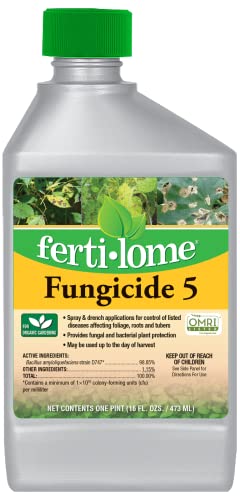
Fertilome (16112) Fungicide 5 Concentrate, 16 oz

Earth’s Ally Disease Control Concentrate, 32 oz

Earth’s Ally 3-in-1 Plant Spray, 32 oz

Root 98 Warehouse Bio Fungicide Organic, 8 oz

Arber Organic Insecticide & Fungicide, 16 oz

Arber Organic Fungicide for Plants, 16 oz

Natria Copper Fungicide Spray, 24 fl oz
Why These Options Stand Out
Fertilome’s Fungicide 5 Concentrate is built for the gardener who treats a serious mixed plot, not just a single raised bed. The 16-ounce bottle covers a long list of blights, rots, mildews, and bacterial spots that commonly attack cucurbits, the botanical family cucumbers belong to, alongside tomatoes, peppers, and ornamentals. Because it ships as a concentrate, you measure each dose with a cap, which keeps the cost per application low for larger plantings.
For most backyard vegetable gardens, that flexibility matters more than a ready-to-spray bottle. You can dial the mix up for stubborn leaf spot outbreaks or down for a preventive pass after a stretch of humid nights. The catch is the prep work, since the bottle is not a grab-and-spray option.
Everyday Advantages
- Treats both fungal and bacterial diseases, so one bottle covers more of the common cucumber problems you are likely to see in a single season.
- Works across vegetables, ornamentals, lawns, and indoor plants, making it useful beyond just the cucumber patch.
- Concentrate format stretches further per dollar for gardeners with multiple beds or a long growing season.
- Available in multiple formats, letting you switch between a concentrate and a ready-to-use spray depending on the job.
Things To Consider
- Requires mixing and a dedicated sprayer, which adds setup time before each application.
- Mixing ratios vary by target disease, so you will need to read the label carefully to avoid under- or over-dosing.
- Storage in a sealed container away from heat is important, since concentrates can degrade in a hot shed.
Key Specs
Who It Suits Best
Experienced vegetable gardeners running a multi-bed plot who want one bottle to handle most of the fungal and bacterial issues a humid season throws at them.
Consider Something Else When
Pet owners or families with small children may prefer the citric acid formula in Earth’s Ally Disease Control Concentrate, which avoids stronger synthetic actives.
Earth’s Ally leans on citric acid as its active ingredient, which is a food-grade compound found in citrus fruit. For households where pets wander through the garden or kids pick cucumbers straight off the vine, that profile reads as far less intimidating than a synthetic fungicide. The 32-ounce concentrate gives you a generous supply, and a single bottle typically covers a full season of preventive sprays on a small-to-medium cucumber patch.
The formula is designed to suppress powdery mildew, downy mildew, blight, canker, and black spot, which covers the most common fungal pressure points for cucumbers. It functions as both a treatment and a preventive, so you can rotate it into a regular spray schedule on humid mornings. The trade-off is that softer actives often need more frequent reapplication than synthetic options.
Notable Upsides
- Citric acid base is gentler around pets and children than many conventional fungicides.
- Covers a broad disease list, including the mildews that show up first on cucumber leaves in humid weather.
- Larger 32 oz bottle means fewer repurchases across the growing season.
- Works as a preventive and active treatment, so it fits a flexible spray routine.
Points To Keep In Mind
- Reapplication intervals may run shorter than synthetic options, which means more frequent spray sessions during peak humidity.
- As a concentrate, it still needs measuring and mixing before each use.
Right Fit For
Backyard growers who share space with pets and want a softer spray profile for their edible crops.
Swap It Out When
Growers facing heavy, repeat blight infections may need the stronger synthetic coverage in Fertilome Fungicide 5 Concentrate.
The 3-in-1 formula extends the citric acid approach with a botanical oil blend that handles soft-bodied insects alongside fungal disease. For a cucumber patch, that combination is useful because aphids, spider mites, and whiteflies often show up right when powdery mildew does, and treating both with separate bottles gets old fast. The botanical oil acts as an insecticidal soap-style contact treatment, meaning it needs to coat the insect to do its work.
For a routine where you spray every week or two as part of a maintenance pass, the 32-ounce bottle covers both jobs without buying a second product. It also works on indoor houseplants, which helps justify the cost for anyone juggling a patio garden and a windowsill collection. The honest read is that this is a maintenance product, not a rescue formula for a serious outbreak.
What Earns Its Place
- Tackles soft-bodied insects and common fungal diseases in one bottle, cutting the number of products you need to stock.
- Citric acid and essential oil base fits a gentler spray philosophy for edible crops.
- Useful for indoor and outdoor plants, so the bottle does double duty beyond the vegetable patch.
Trade Offs
- Botanical oil contact action means thorough coverage matters, and missed undersides of leaves let pests regroup.
- May not be strong enough on its own for advanced fungal infections that are already well established.
Built With In Mind
Garden keepers who want one bottle for routine pest and disease maintenance across cucumbers, herbs, and houseplants.
Look Elsewhere When
Growers dealing with a confirmed bacterial outbreak should reach for Fertilome Fungicide 5 Concentrate, which lists bacterial disease control on its label.
Root 98 Warehouse’s Bio Fungicide uses Bacillus amyloliquefaciens strain D747, a beneficial bacterium that colonizes leaf and root surfaces and crowds out fungal pathogens. That mechanism is fundamentally different from a contact fungicide, since the bacteria keep working between sprays as they multiply on the plant. For organic-certified gardens or growers who avoid synthetic chemistry entirely, this is the type of product that meets those rules.
The 8-ounce bottle is smaller than the other options in this list, which keeps the price entry low for first-time organic users. It controls leaf spots, downy mildew, powdery mildew, damping off, leaf blight, rusts, bacterial spot, and gray mold, a wide net for a single biological product. The trade-off is that biologicals can take longer to show visible results than synthetic fungicides because they work through population growth rather than direct kill.
Real-World Strengths
- Active bacterium keeps working between sprays, offering residual protection once established on the plant.
- Suitable for organic gardening programs that restrict synthetic fungicides.
- Broad label covers mildews, blights, spots, and bacterial issues common to cucurbits.
- Small bottle size lowers the entry cost for gardeners trying a biological approach for the first time.
Honest Caveats
- Visible results may take longer to appear compared to synthetic contact fungicides, so patience is part of the routine.
- Smaller bottle may run out quickly on larger plots, requiring multiple purchases per season.
Feature Snapshot
Best Suited To
Organic-focused gardeners who prefer biological control and want a product aligned with organic certification standards.
A Better Fit Elsewhere
Growers who need fast knockdown of an active outbreak may want the quicker-acting copper spray in Natria Disease and Fungus Control.
Arber’s two-in-one approach targets both chewing and sap-sucking pests while also suppressing fungal growth, which suits gardens where aphids and mildew tend to arrive at the same time. The bio-based concentrate coats leaves and soil zones, and the active blend works to disrupt pest life cycles rather than just knocking down adults. For cucumber vines, that life-cycle focus matters because it can interrupt reproduction across multiple generations in a single season.
The 16-ounce concentrate gives enough supply for routine maintenance on a small-to-medium plot, and the formula is positioned as plant-safe when used as directed. Owners commonly report a visible bounce-back in foliage within days of application on houseplants and ornamentals, and the same routine extends to vegetables. The catch is that any leaf-disease and pest combo product asks for thorough coverage to be effective.
Notable Gains
- Two-in-one coverage reduces the number of separate products you need to keep on the shelf.
- Life-cycle disruption approach targets insects at multiple stages rather than just visible adults.
- Suitable for indoor and outdoor use, so the bottle works across your full plant collection.
Small Caveats
- Coverage matters more than with a single-purpose product, since both pests and fungi need direct contact for the formula to work.
- Concentrate format still requires measuring and a sprayer for each application.
Feature Card
Who Should Grab It
Garden keepers who want to handle pest and disease pressure on cucumbers without buying two separate products.
Reach For A Different Pick When
Pure organic certification matters most, in which case Root 98 Warehouse Bio Fungicide Organic is the better match.
This is Arber’s disease-only formula, designed for gardeners who do not need pest control in the same bottle. The certified-organic biological and plant-derived actives form a protective barrier on leaves and roots, supporting soil health while pushing back on fungal infections. For edible crops like cucumbers, that combination lets you treat the plant and the root zone together rather than focusing on above-ground foliage alone.
The 16-ounce concentrate works well as a preventive pass after humid days, before garden gatherings, and during peak vine growth when mildew pressure spikes. Compared to the Arber 2-in-1, this version drops the insect control in exchange for a more focused disease profile. If your patch has a pest problem on top of fungal issues, you would still need a separate product for that.
Useful Strengths
- Certified-organic biologicals and plant-derived actives fit organic gardening standards.
- Protects both leaves and roots, which supports the whole plant rather than just the above-ground growth.
- Useful as a preventive treatment on humid days when mildew pressure typically builds.
Possible Compromises
- No insect control built in, so aphid or mite problems need a separate product.
- Concentrate format still requires measuring and mixing before application.
Made For
Organic gardeners with established edible beds who want focused fungal protection on cucumbers and other crops.
Where A Sibling Pick Shines
Garden plots with simultaneous insect and mildew pressure are better served by the Arber Organic Insecticide & Fungicide.
Copper fungicides are some of the oldest tools in a vegetable gardener’s shed, and Natria’s version uses a fixed copper formula that combines copper with a fatty acid to form a soap-like compound. That structure helps the active ingredient spread and stick to leaf surfaces, which improves coverage on the broad leaves of cucumber vines. The 24-fluid-ounce bottle is a ready-to-spray format, so you skip the measuring step and go straight from bottle to plant.
For traditional vegetable garden routines, copper remains a reliable broad-spectrum option against many common fungal and bacterial diseases. The ready-to-use format also makes it approachable for newer gardeners who do not want to invest in a separate sprayer. The catch is that copper can build up in soil over years of repeated use, so rotating with other modes of action is worth thinking about.
Useful Highlights
- Ready-to-spray format skips the mixing step and gets the bottle into action faster.
- Copper-based active has a long track record against fungal and bacterial diseases on vegetables.
- Fatty acid blend improves how the spray coats and sticks to broad cucumber leaves.
Factors To Consider
- Long-term copper use can contribute to soil buildup, so rotating with biological or botanical options helps reduce that risk.
Quick Facts
Perfect Match For
Traditional vegetable gardeners who want a familiar, ready-to-spray copper option for routine fungal control on cucumbers.
Skip It When
Growers committed to organic biological approaches will find the Bacillus-based Root 98 Warehouse Bio Fungicide Organic a closer match.
What Matters Most When Choosing Fungicides For Cucumbers
Match the Active to the Disease You Actually See
Powdery mildew looks like white dust on the tops of leaves, while downy mildew shows up as yellow patches with fuzzy growth underneath. Copper and biological products handle a broad mix, but specific actives like Bacillus strains target particular pathogens. Reading the label’s disease list before you buy saves a wasted season.
Decide Between Concentrate and Ready-to-Spray
Concentrates cost less per ounce and let you adjust ratios, but they require a dedicated sprayer and measuring time. Ready-to-spray bottles skip the prep and suit gardeners with small beds or anyone new to fungicide routines.
Weigh Organic Versus Conventional
Organic and biological options like Root 98 Warehouse and the Arber formulas fit strict organic programs and gentler spray philosophies. Conventional options like Fertilome offer stronger knockdown but come with stronger actives that require careful handling.
Think About Reapplication Intervals
Softer botanical and biological actives often need more frequent reapplication during humid stretches. Synthetic and copper-based options can stretch longer between sprays, which matters during peak summer when weekly routines already feel full.
Common Shopping Slip Ups and Where the Extra Money Goes
Mistakes Worth Dodging
Buying a fungicide that targets the wrong disease is the most common miss, since many labels cover broad categories but excel on specific pathogens. Skipping the sprayer investment is another, because concentrate products need proper equipment to deliver consistent coverage. Spraying during the heat of the day wastes product through evaporation, so early morning or evening passes work far better.
What Separates Premium From Basic
Higher-tier options in this category often add biological actives that keep working between sprays, plant-safe formulations for edible crops, or ready-to-spray convenience that saves setup time. Paying more usually buys you gentler ingredients, longer residual action, or broader spectrum coverage. The honest read is that for a single raised bed, a mid-tier option often does the job just as well as a premium pick.
Frequently Asked Questions
How often should I spray cucumbers with fungicide?
Most fungicides call for a 7 to 14 day interval, with shorter windows during humid weather and longer ones during dry spells. Always check the specific product label for exact timing.
Can I use the same fungicide on cucumbers and tomatoes?
Many of the products in this list are labeled for multiple vegetables, so a single bottle can cover both crops. Verify the label lists each plant you intend to spray before applying.
Is organic fungicide effective on cucumbers?
Biological and botanical options can work well, especially as preventive treatments or on early-stage infections. Heavy established outbreaks may require stronger synthetic or copper-based products.
Should I spray fungicide before or after rain?
Spray on a dry day with no rain in the forecast for several hours, so the product has time to dry and adhere to the leaves. Reapply after heavy rain since it can wash protective coatings off the foliage.
Can I eat cucumbers after spraying fungicide?
Every product has a pre-harvest interval on the label, which is the waiting period between application and harvest. Following that interval keeps the harvest safe to eat.
The Takeaway
Cucumbers reward consistent preventive care more than emergency rescue, so choosing a fungicide you will actually use on a routine schedule matters more than chasing the strongest label. Match the active to the disease pressure in your garden, weigh organic versus conventional trade-offs, and pick a format that fits your routine. With the right bottle on the shelf before mildew shows up, your vines have a much better shot at a clean, productive season.
