

Growing fruit trees is a slow, satisfying kind of work, until fungal disease shows up on a quiet morning walk through the yard. Brown rot on the peaches, black spot on the apples, powdery mildew coating the young shoots: most home orchardists will see at least one of these within a season or two. The right fungicide, matched to your crop and your spraying style, turns panic into a manageable routine. This roundup breaks down ten options for 2026, from citric-acid soft sprays for cautious growers to stronger concentrates for heavier infestations, so you can pick with confidence.
A Fast Comparison Of The Options

Earth’s Ally Disease Control Fungicide, 32 Oz

Bonide Captain Jack’s Orchard Spray, 32 oz

Earth’s Ally 3-in-1 Plant Spray, 32 Oz

Garden Safe Fungicide3 with Neem Oil, 1 Gal

BioAdvanced 3-in-1 Insect & Disease Spray, 24 fl oz
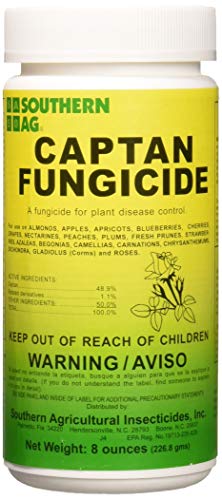
Southern Ag Captan Fungicide, 8 oz

Bonide Fung-onil Multi-Purpose Fungicide, 16 oz

Bonide Fruit Tree and Plant Guard, 16 oz

Southern Ag Liquid Copper Fungicide, 1 Gallon

Atticus Gunner 14.3 MEC Propiconazole, 32 oz
The Picks, Examined More Closely
For gardeners hesitant about stronger chemistry, this 32-ounce concentrate leans on citric acid as its active component, sidestepping the harsher territory of copper or synthetic fungicides. The formula is designed to tackle the common culprits that show up in backyard orchards: powdery mildew, downy mildew, blight, canker, black spot, and leaf spot. In our view, that makes it a sensible first line of defense for younger trees and dwarf varieties where you want to keep the spray profile mild.
Application is straightforward: dilute per label and spray on a calm morning, ideally when foliage is dry. The concentrate format means a single bottle goes further than a ready-to-use spray, so small orchards with several trees will stretch it well. For most home growers managing a couple of apple or peach trees, this is the kind of bottle that lives in the shed door.
Practical Pluses
- Citric-acid base reads as a softer option for cautious households with kids or pets roaming the yard
- Covers a wide disease range, from powdery mildew to leaf spot, in one bottle
- Concentrate format delivers more coverage per dollar than ready-to-use competitors
- Works on ornamentals and edibles, so one product handles roses, apples, and grapes
Things To Consider
- Concentrate requires a clean sprayer and accurate measuring; less convenient than a hook-up bottle
- May need more frequent reapplication during wet, humid stretches of summer
- For severe, established infections, expect to layer it with another product
Right Fit For
Organic-leaning home growers tending a small mixed orchard who prefer a milder active ingredient and don’t mind mixing their own spray.
Look Elsewhere When
You want a single bottle that handles pests and fungi together, in which case the Bonide Captain Jack’s Orchard Spray offers broader coverage in one jug.
Captain Jack’s earns its reputation by combining a fungicide, insecticide, and miticide in a single 32-ounce concentrate, which trims the spray rotation in a busy orchard down to one bottle. It’s labeled for an unusually long list of crops: apples, avocados, cabbage, peppers, pecans, citrus, peas, roses, and dozens more. For mixed-plot gardeners juggling a vegetable bed beside the fruit trees, that breadth is genuinely useful.
The dilution ratio is generous. One pint stretches into roughly 6.4 gallons of finished spray, though the exact rate shifts with the target pest. Application through a hose-end or tank sprayer is the standard workflow, and the product can be used up to the day before harvest on listed crops. For most home orchards with a half-dozen trees, one bottle should last a full season.
What Works In Its Favor
- Three product categories in one jug reduces the shelf clutter in the garden shed
- Labeled for both fruit trees and a long list of vegetables, supporting whole-garden coverage
- Day-before-harvest clearance on listed crops gives you flexibility late in the season
- One pint dilutes into roughly 6.4 gallons, which keeps refills infrequent
Points To Note
- Hose-end or tank sprayer required; less suited to quick spot-treatments from a handheld bottle
- Always read the full label: dilution rates change with the target pest, and guessing can under-dose
Key Specs
Made For
Mixed-plot orchardists who want one product to manage fungal disease and chewing insects across fruit trees and vegetables alike.
Skip It When
You want a strictly organic formula with no synthetic ingredients, where the Garden Safe Fungicide3 with Neem Oil aligns more closely.
Where Earth’s Ally’s first entry is a concentrate you mix yourself, this 3-in-1 lands as a ready-to-use botanical-oil spray aimed at casual sprayers who don’t want to break out measuring cups. The botanical-oil blend targets soft-bodied insects and common fungal diseases, sitting in the same mild-ingredient family as the brand’s citric-acid product. For new orchardists still finding their rhythm, the no-mix format is a genuine time-saver.
The 32-ounce bottle suits two or three young fruit trees and a handful of houseplants. Indoor use is on the label, which opens the door for citrus trees that winter by a sunny window. You may find the trigger sprayer adequate for a small yard, but larger plantings will outpace it quickly.
Where It Excels
- Ready-to-use format removes measuring and mixing from the routine
- Botanical-oil base reads as a softer choice for indoor citrus and patio trees
- Handles both pests and fungal issues in one bottle
Honest Caveats
- Smaller coverage per bottle compared with concentrates; refills add up for larger orchards
- Botanical-oil sprays can leave a faint residue on glossy leaves if applied heavily
- Less suited to a multi-tree orchard in heavy disease pressure
Best Suited To
First-time fruit tree growers who want a grab-and-spray bottle for a couple of patio trees or indoor citrus without mixing concentrates.
A Better Fit Elsewhere
Bonide Captain Jack’s Orchard Spray is the right call for anyone scaling up to a half-dozen trees and wanting a concentrate that stretches further.
Garden Safe leans on clarified hydrophobic extract of neem oil to deliver three jobs in one jug: fungicide, insecticide, and miticide. Black spot, rust, and powdery mildew all sit on the fungal target list, while aphids, whiteflies, and spider mites get handled on the insect side. For edible landscapes, the active ingredient is one of the more familiar names in organic gardening.
The one-gallon size sets this apart. Where smaller ready-to-use bottles run dry in a weekend, a gallon gives a multi-tree orchard room to spray on a real schedule. It also opens up uses beyond fruit trees: roses, houseplants, ornamental shrubs, and vegetables are all on the label. Depending on your planting mix, this can quietly become the single bottle for the whole yard.
Good Reasons To Consider
- Neem-oil concentrate accepts organic-gardening programs and handles three roles in one bottle
- One-gallon size covers multi-tree orchards and ornamental beds in a single purchase
- Labeled for fruits, vegetables, and ornamentals, which reduces shelf clutter
- Targets both insect eggs, larvae, and adults, breaking pest cycles rather than just knocking down adults
Softer Spots
- Neem oil has a noticeable garlic-sulfur scent that lingers for a few hours after spraying
- Oil-based sprays can mark sensitive leaves in direct sun; timing matters
- Concentrate format still requires clean mixing and a dedicated sprayer
Who It Suits Best
Edible-landscape gardeners running a full mixed orchard with vegetables and ornamentals who want a single, familiar organic concentrate.
Swap It Out When
You’d rather skip the oil-base and the lingering scent, in which case the Bonide Fung-onil Multi-Purpose Fungicide offers a different active ingredient in a similar concentrate form.
BioAdvanced’s 3-in-1 aims at gardeners who want to skip the mixing step entirely. The 24-fluid-ounce bottle targets listed insects, listed diseases, and plant mites in a single pass, covering the common pressures on a backyard fruit tree: black spot, powdery mildew, rust, aphids, and Japanese beetles among them. For weekend sprayers, that kind of one-and-done profile is hard to beat.
It’s a useful sidekick for a small orchard with one or two trees, especially during the peak disease window in late spring. The bottle size is on the modest side, so larger plantings will need more than one per season, but the trade-off is genuine convenience. For most homeowners, the routine here is simpler than working with a concentrate.
Practical Advantages
- Hook-up-ready format removes measuring, mixing, and clean-up
- Three product categories combined keeps the spray rotation short
- Targets both common diseases and a long list of insects in a single pass
Points To Keep In Mind
- Smaller bottle means frequent refills on multi-tree properties
- Always confirm fruit tree coverage on the current label before relying on it for harvest crops
Perfect Match For
Weekend gardeners with a small yard who want a fast, hook-up-and-spray option without measuring concentrates.
Another Choice May Suit
Southern Ag Liquid Copper Fungicide is a smarter pick for someone managing a larger planting where ready-to-use bottles run dry too quickly.
Captan has been a backbone fungicide in commercial orchards for decades, and this 8-ounce bottle from Southern Ag brings that same chemistry into the home garden. The wettable powder is 50% captan, the workhorse active ingredient for stone fruit, pome fruit, and berries. Scab, black spot, botrytis rot, and a roster of other common orchard diseases all fall under its umbrella.
The bottle is small, but the powder concentrates go a long way once mixed, and the labeled crop list is impressively long: almonds, apples, apricots, blueberries, cherries, grapes, nectarines, peaches, plums, strawberries, plus a wide ornamental list. For growers fighting recurring problems on a single high-value tree, the chemistry is well-tested.
Everyday Wins
- Captan is a proven, broad-spectrum option for stone fruit and berries
- Wide label covers fruit, nuts, ornamentals, and lawns in one bottle
- Wettable powder format dilutes economically for spot-sprays on a single tree
Worth Bearing In Mind
- Wettable powder requires thorough mixing and continuous agitation in the sprayer
- Captan is a synthetic active ingredient with a stronger handling profile than organic options
- Small 8-ounce bottle suits targeted use; larger orchards will need multiple bottles per season
Key Specs
Whose Shelf It Belongs On
Stone-fruit and berry growers with established trees who want a heavy-duty, time-tested synthetic option for serious disease pressure.
Reach For A Different Pick When
You’d rather keep the spray rotation fully organic, where Earth’s Ally Disease Control offers a softer citric-acid alternative.
Fung-onil is the chlorothalonil option in this list, and chlorothalonil is a classic broad-spectrum contact fungicide in commercial and home orchards alike. The 16-ounce concentrate handles leaf spot, rust, blight, mildew, scab, and mold, all the routine enemies of a stone-fruit or pome-fruit tree. For gardeners who like to stay ahead of disease with a preventative schedule, this is the workhorse bottle.
It’s a concentrate, so plan on a clean tank or hose-end sprayer and accurate measuring. The label calls for applications on a routine interval during the disease-prone window, and most home growers pair it with a calendar reminder from bud break through early summer. Owners commonly report that staying on schedule matters more than the brand.
Notable Gains
- Chlorothalonil is a well-known broad-spectrum active ingredient for preventative programs
- Targets leaf spot, rust, blight, mildew, scab, and mold in one bottle
- Concentrate format keeps per-application cost low for larger trees
- Solid fit for pome and stone fruit disease programs
Where It Is Less Suited
- Synthetic active ingredient has stricter handling and re-entry requirements than organic options
- Concentrate setup takes more effort than ready-to-use bottles for casual sprayers
Who Should Grab It
Home orchardists running a preventative disease schedule on apples, peaches, or cherries who want a long-trusted synthetic concentrate.
Where A Sibling Pick Shines
The Bonide Fruit Tree and Plant Guard is a stronger match for someone who also wants insect control bundled in.
Bonide designed this concentrate specifically for fruit trees, and the label shows it: apples, pears, cherries, eggplant, beans, tomatoes, petunias, roses, plus a long list of nut and ornamental trees. That’s a tighter fit than a generic “garden” spray, and it makes the bottle easier to commit to for an orchard-first property. The combined pest and disease control also trims the spray rotation.
The 16-ounce size lands in a comfortable middle ground: bigger than a starter bottle, smaller than a heavy-duty gallon. For most home orchards with a half-dozen trees, that’s a workable seasonal supply. A clean tank sprayer and accurate measuring will get the most out of it.
Everyday Advantages
- Labeled directly for fruit trees, so the use-case match is unambiguous
- Handles both insect pests and listed diseases in one bottle
- 16-ounce size is a sensible match for typical home orchards
- Long list of compatible crops keeps neighboring vegetables and ornamentals covered
Small Caveats
- Concentrate format requires a clean sprayer and accurate measuring each session
- Always read the current label for crop-specific rates; rates vary with the target
Built With In Mind
Home orchardists growing apples, pears, and cherries who want a bottle whose label is built around their trees rather than a general garden.
Not Your Match When
You’re growing strictly organic edibles, where the Garden Safe Fungicide3 with Neem Oil is a more aligned option.
Copper fungicides have a long history in orchards, and Southern Ag’s liquid copper is the bigger-volume option in this roundup. The 31.4% copper ammonium complex delivers roughly 8% metallic copper equivalent, a serious concentration that handles both bacterial and fungal leaf spots, rust, and blights. The new formulation is designed to play nicely with hose-end sprayers, which simplifies a routine that some older copper products made tedious.
One gallon is a serious volume, aimed at growers managing several trees, a sizable berry patch, or a turf area. The label spans fruits, vegetables, turfgrasses, live oaks, and ornamentals, with rates that vary widely by use. For most home orchardists with a few trees, this bottle will outlast a single season, which is part of its value story.
Where It Delivers
- Copper-based contact fungicide with a long history on fruit and nut trees
- One-gallon size covers large plantings, including turf and ornamentals beyond the orchard
- Updated formulation is designed to mix well with hose-end sprayers
- Targets both bacterial and fungal issues, which broadens the use case
Less Ideal Details
- Rates vary widely by crop and target; misreading the label can over-apply copper to young trees
- One-gallon volume is more than a small yard needs and adds storage weight
- Copper accumulates in soil over years; rotating active ingredients is wise for long-term plots
Feature Card
Who Will Love This
Multi-tree orchardists with a sizable yard who want a high-volume copper concentrate and don’t mind tracking label rates carefully.
Consider Something Else When
You’re only tending a couple of trees and would rather not manage a gallon jug, in which case the smaller Bonide Fung-onil concentrate is a more practical size.
Propiconazole is a systemic fungicide, which is a meaningful technical distinction: rather than sitting on the leaf surface like contact fungicides, it moves into the plant tissue and works from within. Atticus packages it as a 14.3% microemulsion concentrate (MEC), a formulation style known for very small particle sizes that mix readily into a stable spray solution. The same active ingredient underpins products long trusted in golf-course and nursery settings.
This is the most technical pick on the list. For most homeowners, the systemicity and MEC format are a meaningful upgrade, but the bottle expects a serious operator. Read the label closely, calibrate your sprayer, and respect the re-entry intervals. Done right, it covers a broad fungal spectrum on a single rotation.
The Upside
- Systemic mode of action works from within the plant, not just on the surface
- Microemulsion concentrate format mixes readily and stays stable in the tank
- Broad fungal coverage in a single active ingredient, useful for complex disease programs
- 32-ounce size fits serious home orchards without going to commercial volumes
Practical Considerations
- Synthetic systemic fungicide has stricter label handling than contact or organic options
- Concentrate requires a calibrated sprayer; under- or over-dosing is easy without attention
- Storage in a stable, temperature-moderate spot extends the bottle’s usable life
Who It Suits Best
Experienced home orchardists managing complex disease programs who want a systemic option and are comfortable reading a technical label.
Where Another Pick Suits Better
First-time growers should start with the Earth’s Ally Disease Control or Bonide Captain Jack’s Orchard Spray, both of which offer a gentler learning curve.
What To Weigh Before Picking A Fungicide
Match The Active Ingredient To Your Disease
Powdery mildew, black spot, brown rot, and rust are distinct fungal families, and no single active ingredient covers all of them equally. Copper-based products lean on contact action and broad bacterial coverage, while captan and chlorothalonil are contact fungicides with long track records on fruit. Propiconazole is systemic, meaning the plant absorbs it, which is helpful for stubborn infections but a different commitment than surface sprays. Reading the active-ingredient label, not just the front of the bottle, prevents the common mistake of buying a mildew fighter when the real problem is scab.
Think About Crops, Not Just Trees
The same bottle often needs to cover more than one crop in a small property. A peach-and-blueberry yard has very different label requirements than an apple-and-cherry plot, and the listed crops vary widely across products. Verifying the crop on the label before spraying avoids both wasted product and off-label use, which is never a good idea with fungicides. For mixed-plot gardeners, Bonide Captain Jack’s Orchard Spray and Garden Safe Fungicide3 with Neem Oil have unusually long crop lists.
Concentrate Versus Ready-To-Use
Concentrates cost less per application and stretch further on multi-tree properties, but they need a clean sprayer, accurate measuring, and a small investment in setup. Ready-to-use bottles trade convenience for per-application cost, and they make sense for one or two trees, indoor citrus, or weekend sprayers who don’t want a mixing routine. Honest ownership insight: a sprayer that isn’t cleaned between sessions can carry residue from one product to the next, and that cross-contamination is one of the more common homeowner mistakes.
Plan Around A Rotation Schedule
Most disease-causing fungi develop resistance to a single active ingredient applied repeatedly, so rotating between two or three different modes of action across the season is a widely recommended practice. For most home orchards, a rotation between a contact option and a systemic option, alternated on a two- to three-week cadence through the disease-prone window, holds up well. Calendar reminders tied to bud break and petal fall keep the rotation on track.
Smart Choices Around These Picks
Common Shopping Slip Ups
The most frequent mistake is reaching for a broad-spectrum bottle without checking the specific disease on the label, then wondering why the infection keeps spreading. A second common slip is buying a concentrate when the property is small enough for a ready-to-use bottle, which leads to leftover concentrate that loses potency or gets stored poorly. Finally, ignoring re-entry and harvest intervals is the kind of detail that bites later; the label is worth reading cover to cover before the first spray.
Where The Extra Money Goes
Higher-tier fungicides in this category typically buy one of three things: a systemic mode of action, a more refined formulation like a microemulsion concentrate, or a much larger volume that lowers the per-application cost over a long season. For a single backyard tree, the upgrade rarely pays back, but for an orchard of five or more trees, the systemic or MEC options can replace two or three weaker products and simplify the rotation. The honest read is that the upgrade is worth it for serious growers, less so for casual ones.
Frequently Asked Questions
When Is The Best Time To Spray Fungicides On Fruit Trees?
Most fungicides work best as a preventative, applied at bud break, again at petal fall, and through the disease-prone window in late spring and early summer. Spraying in the early morning on a calm, dry day helps the leaf surface absorb the product before the sun gets strong.
Can I Use The Same Fungicide On Vegetables And Fruit Trees?
Many products are labeled for both, especially broader-spectrum options like Bonide Captain Jack’s Orchard Spray and Southern Ag Liquid Copper Fungicide. Always confirm each crop on the label before spraying, and never assume a fruit-tree fungicide is automatically cleared for vegetables.
How Often Should I Reapply Fungicide During The Growing Season?
Application intervals typically range from seven to fourteen days, depending on the product, the weather, and the disease pressure. During stretches of warm, wet weather, expect to shorten the interval; in dry conditions, you can often extend it.
Are Organic Fungicides As Effective As Synthetic Options?
Organic and softer options like citric acid and neem oil are effective preventatives and good for low-to-moderate disease pressure. Synthetic systemic and contact fungicides generally offer stronger curative action for established infections, which is why a rotation between modes of action is a widely used approach.
What Is The Difference Between Contact And Systemic Fungicides?
Contact fungicides stay on the leaf surface and protect the tissue they cover, which is why thorough coverage matters. Systemic fungicides are absorbed into the plant and move through the tissue, reaching areas that contact sprays can miss and continuing to work through weather that would wash off a contact product.
Closing Remarks
The best fungicide for your fruit trees is the one matched to your crop, your disease pressure, and the amount of spraying you’re willing to commit to each season. For a small organic-leaning yard, a citric-acid or neem-oil bottle keeps things simple. For a serious multi-tree orchard, a captan, chlorothalonil, or propiconazole rotation handles heavier pressure with confidence. Read the label, plan a rotation, and you’ll set the orchard up for a healthier, more productive season.
