

Pachysandra turning blotchy, black, and bare is a familiar gut-punch for anyone with a shaded front bed. Volutella blight, the fungal troublemaker behind most of that damage, thrives in damp, crowded patches where air barely moves. Picking the right fungicide and timing it before leaves drop can mean the difference between a full recovery and another season of thin, tatty ground cover.
Your Options, Compared
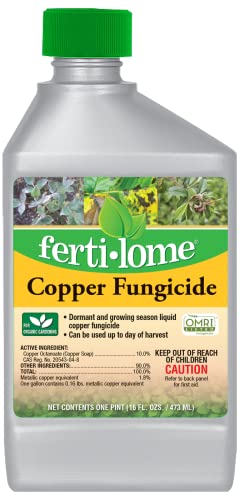
Fertilome Copper Fungicide Concentrate 16 oz
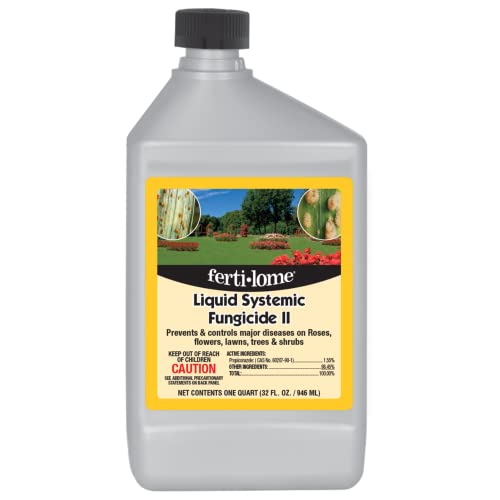
Fertilome Liquid Systemic Fungicide II 32 oz

Fertilome Fire Blight Spray 2 oz

Earth’s Ally Disease Control Fungicide 32 oz
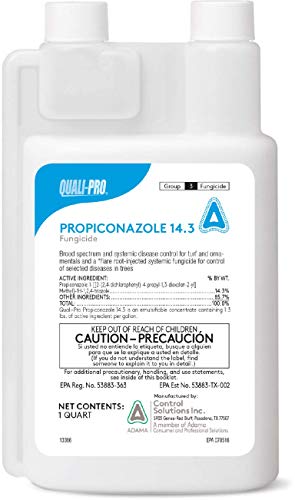
Quali-Pro Propiconazole 14.4 Fungicide 32 oz

Root 98 Warehouse Bio Fungicide Organic 8 oz

Bonide Fung-onil Multi-Purpose Fungicide 16 oz
The Details Behind The Selections
Copper fungicides have anchored garden sheds for a reason: they cover a long list of fungal problems without demanding a chemistry degree to use. The Fertilome Copper Fungicide Concentrate 16 oz bottle mixes with water and blankets pachysandra with a protective film that interferes with spore germination. That protective film is exactly what Volutella needs to be denied during damp spring stretches.
Shaded plantings under maples or along north-facing foundations usually benefit most, since airflow there stays limited. You apply it as a foliar spray (water plus concentrate) and reapply on the schedule the label lays out. Compared to heavier chemical options later in this list, copper gives you a familiar starting point that treats the disease while also serving as a preventive barrier for the rest of the season.
Strong Points
- Doubles as both preventive and active treatment, useful for early spotting and routine maintenance alike
- 16 oz concentrate stretches across multiple spray sessions in a typical shade bed
- Broad coverage that also handles powdery mildew, leaf spot, and rust on neighboring ornamentals
- Familiar active ingredient for gardeners who prefer time-tested chemistry over newer synthetics
Things To Consider
- Mixing ratios must be measured carefully each session, since under-diluting can scorch tender new growth
- Spray coverage is contact-based, so reaching deep into thick pachysandra mats can be a chore
Who It Suits Best
Home gardeners managing modest pachysandra patches who want a flexible, broadly labeled product they already understand.
Consider Something Else When
Households with curious dogs and toddlers who roam the beds daily may prefer the gentler citric-acid profile of Earth’s Ally Disease Control.
Where the Fertilome Copper Fungicide Concentrate sits on the surface, this one works from the inside out. Systemic fungicides are absorbed by the plant and carried through the vascular system, which means new growth carries protection without needing a fresh spray each week. For a recurring Volutella problem that keeps coming back after every rain, that internal defense changes the math.
The 32 oz liquid concentrate bottle is built for season-long coverage across bigger beds. You mix it into water and drench the foliage, ideally in the early growing window before blight has fully taken hold. Compared to the contact-only copper option above, this one buys you flexibility in rainy stretches when sprays tend to wash off.
Positive Points
- Systemic action protects new growth without constant re-spraying after rain
- Large 32 oz size covers a sizable front-yard pachysandra planting across multiple treatments
- Useful against multiple lawn and ornamental fungi, so a single bottle handles several problems in one yard
Points To Keep In Mind
- Mixing precision matters more than with ready-to-use products, and a dedicated sprayer is helpful to avoid cross-contamination
- Stronger chemistry than copper, so it requires stricter attention to label directions, especially around pollinator activity
Feature Snapshot
Made For
Experienced gardeners with chronic blight pressure who want internal protection that survives a stretch of wet weather.
A Better Fit Elsewhere
Anyone wanting a gentler organic approach should look at the Root 98 Warehouse Bio Fungicide Organic, which uses a biological active instead.
The 2 oz bottle of Fertilome Fire Blight Spray is a different tool for a different job. It contains streptomycin sulfate, an antibiotic-class active aimed primarily at bacterial outbreaks on ornamentals and fruit trees. The compact size is intentional, since a little goes a long way and leftovers lose potency faster than dry formulations.
For a small pachysandra bed that needs only a couple of targeted sprays, this is a low-waste option. The trade-off is that the active ingredient targets bacterial wilts and fire-blight-style infections more than fungal leaf diseases, so it works best as a backup rather than a primary fungicide. Compared to the systemic product above, this one is narrower in scope but easier to store on a shelf without committing to a full season of use.
What Makes Sense
- Compact 2 oz size avoids waste for spot treatments on a small planting
- Useful in mixed gardens where bacterial infections and fungal issues both need attention
- Streptomycin-based action is uncommon in home-garden retail, handy for resistant outbreaks
Trade Offs
- Designed more for bacterial issues than fungal Volutella, so it complements rather than replaces a dedicated fungicide
- Tiny bottle means frequent reordering for gardeners with multiple beds to cover
Right Fit For
Urban gardeners with one small pachysandra patch who want a specialty tool for stubborn bacterial spots.
Skip It When
Anyone managing wide front-yard beds should reach for the larger Fertilome Liquid Systemic Fungicide II for more efficient coverage.
Earth’s Ally takes a different route by using citric acid as its active ingredient. That matters when dogs, kids, or both are brushing through the pachysandra all day. The label targets powdery mildew, downy mildew, blight, canker, black spot, and leaf spot, which covers most of the fungal headaches home gardeners run into beyond Volutella.
You use it as a foliar spray, coating leaves until runoff, and reapply on a steady schedule. It works as both a cure and a preventive, similar to the copper option earlier but without the metallic residue. For shaded beds along frequently-used walkways, that lower-toxicity profile is often the deciding factor.
Notable Upsides
- Citric-acid active is gentler around pets, kids, and beneficial insects
- 32 oz ready-to-use format skips measuring and reduces mixing errors for less experienced gardeners
- Effective on multiple disease types, so it doubles as a general-purpose spray for roses, veggies, and ornamentals
Worth Noting
- Ready-to-use packaging is heavier to carry than a concentrate, which adds up on tall staircases
- Contact-only action means reapplication is necessary after heavy rain or irrigation cycles
Quick Facts
Best Suited To
Pet owners and parents who want a less toxic option and prefer ready-to-use convenience over mixing concentrates.
Look Elsewhere When
Severe, established Volutella outbreaks may need the heavier chemistry of Quali-Pro Propiconazole 14.4 Fungicide for faster knockdown.
Quali-Pro Propiconazole 14.4 is the heavy hitter in this lineup. Propiconazole is a triazole fungicide (a class known for systemic, long-lasting disease suppression) used by lawn-care professionals and nursery operators. The 14.4 percent microemulsion formulation gives better plant coverage, less odor, and improved tank stability when mixed with other products.
Locally systemic action means the active ingredient moves into nearby tissue and defends it from the inside, similar to Fertilome’s Liquid Systemic but with longer residual control. For pachysandra beds that have struggled through multiple seasons of thinning and dieback, this is the level of chemistry often required. The honest read: in mild cases, this is more firepower than necessary, and overusing it can lead to resistance over time.
What Pays Off
- Locally systemic mode of action provides longer-lasting protection than most contact fungicides
- Microemulsion formulation reduces odor and improves spray coverage on dense foliage
- Effective on a wide range of ornamental, turf, and tree diseases, making it versatile beyond pachysandra
Honest Caveats
- Higher active concentration demands careful label reading and PPE during mixing
- Best reserved for established infections rather than routine rotation
- Resistance risk increases with repeated, season-long use on the same beds
Feature Card
Whose Shelf It Belongs On
Long-time gardeners with persistent, multi-season Volutella outbreaks who want professional-level residual control.
Reach For A Different Pick When
First-time users with light spotting may find Bonide Fung-onil Multi-Purpose Fungicide a more approachable entry point.
Root 98 Warehouse Bio Fungicide relies on Bacillus amyloliquefaciens, a beneficial bacterium that colonizes leaf and root surfaces and crowds out fungal pathogens. As a biological product, it works best as part of a steady preventive routine rather than as an emergency knockdown spray. The 8 oz container is compact but concentrated, and the label lists broad compatibility across ornamentals, vegetables, and fruit trees.
Compared to the synthetic options earlier, this one trades rapid visible results for a more sustainable approach. In a low-to-moderate disease-pressure yard, that trade makes sense. You apply it as a foliar spray or drench, and reapply on a schedule to keep the bacterial population active on the leaves.
Key Advantages
- Biological active fits organic gardening programs and integrated pest management routines
- Useful across vegetables, ornamentals, fruit trees, and turf, reducing the need for multiple products
- Compatible with pollinators and beneficial insects when applied per label
Soft Spots
- Slower visible results than synthetic fungicides, which can frustrate gardeners expecting quick fixes
- Smaller 8 oz size requires more frequent reordering for full-yard coverage
Spec Overview
Perfect Match For
Organic-leaning gardeners who prefer biological solutions and are willing to stay on a consistent spray schedule.
Where Another Pick Shines
Garden beds with severe Volutella may need the stronger chemistry of Quali-Pro Propiconazole 14.4 Fungicide for faster recovery.
Bonide Fung-onil closes out the list with chlorothalonil, one of the most familiar broad-spectrum fungicide actives in home gardening. It targets leaf spot, rust, blight, mildew, scab, and mold across a long list of ornamentals, fruits, and vegetables. The 16 oz concentrate mixes with water and goes on as a foliar spray, with reapplication tied to label intervals and weather conditions.
Versus the systemic product earlier, Fung-onil sits firmly in the contact-fungicide camp, so timing and thorough coverage matter more than residual chemistry. For gardeners who want one bottle to rotate through multiple crops across a season, that versatility is a real draw. Compared to Earth’s Ally above, expect a stronger chemical footprint in exchange for stronger preventive power.
Real-World Strengths
- Broad-spectrum control covers leaf spot, rust, blight, mildew, scab, and mold with one product
- Chlorothalonil has decades of field use, useful for gardeners who trust established chemistry
- Works on ornamentals, fruits, vegetables, and turf, simplifying an entire shed’s worth of bottles
Points To Note
- Contact-only action means rain-fast reapplication is part of the routine, not an option
- Stronger chemical profile than citric-acid or biological options, so PPE and re-entry intervals deserve attention
Key Product Details
Who Should Grab It
Whole-garden managers who want a single dependable bottle for multiple crops and disease types.
Where A Sibling Pick Shines
Households prioritizing low-toxicity ingredients may find the Earth’s Ally Disease Control a more comfortable everyday fit.
What Matters Most When Treating Volutella Blight
Pachysandra Volutella (volutella blight) is a fungal infection that thrives in wet, poorly ventilated beds. Choosing a fungicide is less about brand loyalty and more about matching the active ingredient to your bed’s pressure level, your tolerance for chemistry, and your willingness to stick to a repeat-spray schedule.
Active Ingredient Family
Copper, chlorothalonil, propiconazole, streptomycin, and biological bacillus each handle fungi differently. Copper and chlorothalonil sit on the leaf surface and prevent new spores from germinating, which works well as a routine shield. Propiconazole moves into the plant and defends tissue from within, useful for stubborn recurring infections. Bacillus-based products like Root 98 Warehouse introduce beneficial bacteria that outcompete pathogens, a slower but more sustainable approach. For most home beds, matching the active class to disease severity is more useful than chasing the strongest bottle on the shelf.
Timing And Application Discipline
Fungicide chemistry only works when applied before infection fully takes hold, or at the very first sign of leaf spotting. Spraying after a bed is already half-defoliated is more cleanup than cure. Late winter cleanup of leaf debris, spring dethatching of matted growth, and a first preventive spray at bud break set the stage for the rest of the year.
Safety, Pets, And Pollinators
If dogs roll in the bed or kids play at its edge, contact with treated foliage is unavoidable. Citric-acid options like Earth’s Ally Disease Control reduce that concern, while synthetics like Quali-Pro Propiconazole demand stricter re-entry intervals. None of the products in this list are meant for ingestion, and reading the label before mixing remains essential.
Coverage And Format
Concentrates cost less per treatment but require a clean sprayer and accurate measuring. Ready-to-use bottles are heavier to lug up stairs but eliminate dilution errors. For a single small bed, ready-to-use often wins. For multiple beds or a long front-yard run, a concentrate pays off in lower per-application cost and less plastic waste.
Smart Choices Before You Spray
Common Shopping Slip Ups
Walking into this category without first inspecting the bed is a frequent mistake. Browning pachysandra is not always Volutella; it can also be drought stress, sunscald, or vole damage, none of which respond to fungicide. Confirm the diagnosis before spraying. Another common misstep is buying a concentrate when a ready-to-use bottle fits your routine better, or skipping protective equipment because the label “seems routine.” Labels are the law on the product, and a glove-and-goggle habit saves a lot of trouble.
What The Higher Tier Buys
Stepping up to products like Quali-Pro Propiconazole 14.4 buys longer residual control and locally systemic action, which means fewer trips to the sprayer and more forgiveness in rainy weather. The trade is a stronger chemical footprint, higher up-front cost, and stricter handling. For beds that have resisted two or three seasons of copper-based treatment, that upgrade often makes the difference between a recovering bed and a permanently thin one.
Frequently Asked Questions
How Do I Know My Pachysandra Has Volutella Blight?
Look for irregular brown to black blotches on the leaves, often with concentric rings, plus blackened stems and sudden defoliation in damp spring weather. A lab or local extension service can confirm if you are unsure, since drought and sunscald mimic some of these symptoms.
When Is The Best Time To Spray Fungicide On Pachysandra?
The most useful window is early spring, just as new growth emerges, before the canopy closes in and humidity builds. A second application timed to the label schedule during wet stretches extends protection through the season.
Can I Use These Fungicides On Other Plants Too?
Most of the products in this list are labeled across ornamentals, vegetables, and turf. Always check the label for the specific crop, since some concentrates carry crop-specific restrictions that change dilution rates and re-entry intervals.
Will Fungicide Alone Fix My Pachysandra Bed?
No, fungicide is one piece of the recovery. Thinning dense mats, clearing leaf debris, improving airflow, and adjusting irrigation so foliage dries quickly all matter as much as the spray itself.
How Often Should I Reapply During A Wet Season?
Most contact fungicides call for reapplication every 7 to 14 days, and any time after a heavy rain. Systemic products stretch that interval longer, but the label remains the final word on timing.
Closing Remarks
Pachysandra Volutella is solvable, and the right fungicide paired with cleaner beds and better airflow gives your planting a real shot at filling back in. Match the product to your tolerance for chemistry, your time, and the severity of what you are seeing on the leaves. With consistent care through the next two growing seasons, even thin patches can recover into the dense, green carpet that made you plant pachysandra in the first place.
