

Orange pustules on your rose leaves mean rust has moved in, and it spreads fast once humidity climbs. The right fungicide can stop it before foliage drops, but the wrong one wastes a whole season. This roundup covers seven solid options for home rose beds, mixing concentrates, ready-to-sprays, organic biologicals, and dusts. You’ll see which suits a small patio garden, which handles a whole hedge, and which one to reach for when you’d rather not handle a measuring jug.
The Main Contenders
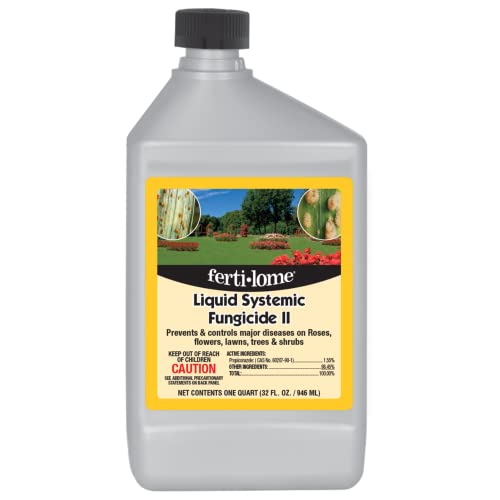
Fertilome Liquid Systemic Fungicide II Concentrate, 32 oz

Fertilome F-Stop Lawn and Garden Fungicide RTS (32oz)

Earth’s Ally Disease Control Fungicide Concentrate, 32 Oz

Root 98 Warehouse Garden Friendly Bio Fungicide Organic (8 oz)
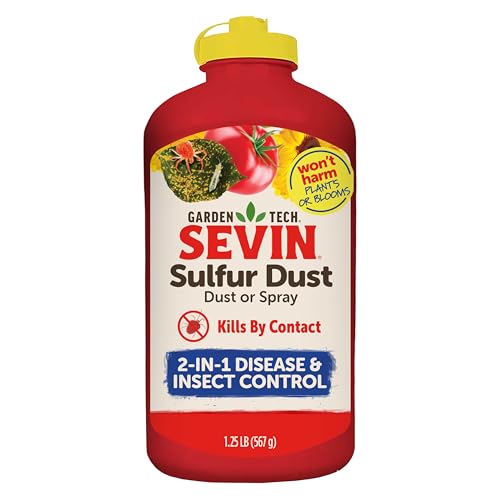
Sevin Sulfur Dust, 1.25 Lb

Bonide Fung-onil Multi-Purpose Fungicide, 16 oz Concentrate

Ortho Rose & Flower Disease Control Concentrate, 16 oz
What Each Pick Brings To The Table
Systemic fungicides (those absorbed into the plant’s vascular system) work from the inside out, which matters for rust because the pathogen lives between leaf layers where surface sprays can’t always reach. Fertilome’s Liquid Systemic Fungicide II comes as a concentrate you mix with water, giving you flexibility on coverage for anything from a few container roses to a backyard hedge.
Apply it early in the growing season, before orange spots show up on the undersides of leaves, and the formula keeps working through new growth. For most home beds, a 32-ounce bottle dilutes into several gallons of spray, enough for repeat applications on a dozen or so shrubs.
Where It Excels
- Moves through plant tissue, so rain after application doesn’t wash protection away
- Concentrate format stretches across many shrubs, lowering cost per application
- Targets multiple fungal issues including rust, black spot, and powdery mildew on roses
- Useful on lawns and ornamentals beyond roses, so one bottle covers mixed beds
Things To Consider
- Requires measuring and mixing, so it’s less convenient than a ready-to-spray
- Mix only what you’ll use that day; diluted solution loses potency sitting in a sprayer overnight
Feature Snapshot
Who It Suits Best
Rose gardeners with several shrubs who want set-and-forget protection that survives rain and irrigation.
Where Another Pick Suits Better
For a single patio container where measuring concentrate feels like overkill, the Fertilome F-Stop RTS is the easier grab.
RTS stands for “ready to spray,” and that’s the whole point. The bottle hooks onto a standard garden hose, you flip the valve, and the formula dilutes itself as it leaves the nozzle. For new gardeners who don’t want to learn mixing ratios, this skips the part where most people mis-measure.
F-Stop is a contact fungicide (it stays on the leaf surface and kills spores on contact) rather than a systemic. That means you’ll want to coat the undersides of leaves thoroughly, and you’ll reapply after heavy rain. It’s a good fit when rust pressure is light or you caught the problem early.
Where It Delivers
- Pre-mixed bottle removes any measuring guesswork
- Covers rust along with black spot, blights, and other listed diseases
- Works on roses, flowers, vegetables, and shrubs, so the same bottle handles a varied garden
- Hose-end sprayer reaches the back of dense shrubs without bending into the thorns
Worth Noting
- Contact action means rain can wash it off, so reapply after storms
- Most effective as a preventive, before rust shows up rather than after a full outbreak
Right Fit For
First-time rose growers who’d rather spray than measure, and anyone treating a small bed without owning a pump sprayer.
Skip It When
You’d rather treat once and forget it for weeks; the systemic Fertilome Liquid Concentrate handles that case better.
Earth’s Ally uses citric acid as its active ingredient, which is the same preservative you’ll find in food. For households with curious dogs, kids who play near the rose bed, or strict organic-gardening rules, that profile matters more than knockout strength. The trade-off is gentler action, so early-season use and steady reapplication get the best results.
The concentrate mixes with water in any standard pump or hose-end sprayer. It’s labeled for powdery mildew, downy mildew, black spot, leaf spot, blight, and canker, plus it lists rust control among its uses. In our view, this is the pick for gardeners who refuse synthetic chemistry but still want a real fungicide rather than a home remedy.
A Few Strong Suits
- Citric-acid active ingredient won’t irritate skin or harm curious pets after drying
- Concentrate stretches across many applications, similar to Fertilome’s bottle
- Suitable for organic gardening programs where synthetics are off the table
Honest Caveats
- Gentler chemistry means heavier outbreaks may need more frequent sprays than synthetics
- Store the bottle away from direct sunlight; citric acid breaks down faster than synthetic active ingredients in heat
Quick Facts
Made For
Pet owners, families with small kids, and gardeners committed to organic methods who still need a real fungicide on hand.
A Better Fit Elsewhere
For a heavy rust outbreak on a heritage rose, the broader-spectrum Bonide Fung-onil is the more aggressive option.
Biological fungicides work differently from chemical ones. Root 98 Warehouse’s formula uses Bacillus amyloliquefaciens, a beneficial bacteria strain (the label lists it as strain D747) that colonizes leaf and root surfaces, crowding out rust and other fungal pathogens. It is, in plain terms, a probiotic for plants.
That biology-based approach is appealing for organic-certified gardens, and the bottle is small enough to fit on a garage shelf. The 8-ounce size is the catch: this is a treatment bottle, not a season-long supply, so it suits a small bed of roses rather than a hedge.
The Upside
- Approved for organic gardening use, with no synthetic residues on blooms
- Beneficial bacteria continue working as long as conditions stay favorable, so multiple applications build protection
- Works on vegetables, fruit trees, and ornamentals, making it useful beyond the rose bed
Some Limits To Know
- Small 8-ounce bottle won’t cover a large planting without frequent repurchasing
- Biological agents can be sensitive to high heat and direct sun during application, so timing the spray matters
Spec Overview
Best Suited To
Organic gardeners with a modest rose collection who prefer biological over chemical disease control.
Not Your Match When
You have dozens of roses to cover and want a single bottle that handles the whole season; the larger Bonide Fung-onil concentrate is more practical.
Sulfur is one of the oldest fungicides in the garden shed, and it doubles as a miticide. Sevin Sulfur Dust is the granular version you shake onto foliage, useful when you don’t want to drag out a sprayer. The 1.25-pound canister covers a respectable number of applications on a small rose bed.
It controls rust along with powdery mildew, black spot, leaf spot, and scab, and it lists over 45 insects and diseases on the label, so you can reach for it when you don’t know exactly what’s chewing the leaves. The trade-off is dust drift: it’s windier to apply than a liquid, and you want to avoid the hottest part of the day to prevent leaf scorch.
Why It Works Well
- One product handles both fungal issues and common rose pests like mites
- Dust format needs no sprayer, no mixing, and no cleanup of equipment
- Labeled for use on roses, citrus, vegetables, and ornamentals across the yard
Points To Note
- Apply in cool, calm conditions; sulfur can scorch foliage in heat above 85°F
- Wear a dust mask during application, since the powder form is easy to inhale
- Cannot be used within two weeks of an oil spray, so timing around other treatments matters
Feature Rundown
Who Should Grab It
Rose gardeners dealing with rust and an aphid or mite problem at the same time, who don’t mind the dust format.
Consider Something Else When
You have a large hedge and want to spray rather than dust; the Bonide Fung-onil concentrate is far less labor-intensive at scale.
Bonide’s Fung-onil relies on chlorothalonil, a broad-spectrum synthetic fungicide that has been a go-to for home gardeners for decades. It works as a contact protectant, sitting on the leaf surface and stopping fungal spores from germinating, so you apply it before infection takes hold or at the first sign of trouble.
The 16-ounce bottle is the smaller of the concentrates in this roundup, which makes it a sensible choice for someone with a mid-size landscape rather than a full acre. You mix it in water and apply with any pump or hose-end sprayer, and it covers rust alongside leaf spot, blight, mildew, scab, and mold.
Notable Upsides
- Broad-spectrum control of multiple listed fungal diseases in one bottle
- Concentrate format keeps the per-application cost low for larger plantings
- Established track record in home rose care, with widely available application guidance
Potential Drawbacks
- Contact action means frequent reapplication during humid, rainy stretches
- Smaller 16-ounce size runs out faster on big hedges, so larger plantings may need multiple bottles per season
Key Specs
Perfect Match For
Gardeners managing a larger mixed landscape who want one proven broad-spectrum concentrate on the shelf.
Reach For A Different Pick When
You want pet- and family-safe chemistry; the Earth’s Ally Disease Control concentrate is the gentler option.
Ortho built this one specifically for roses and flowering plants, which shows in the application guidance. It’s a systemic that moves through leaves and stems to protect the entire plant, including new growth that emerges after treatment. Once the spray dries, rain doesn’t wash it away, which is a real convenience during spring storms.
Note that this product is not available for sale in New York, so gardeners there will need to look at the other options. The 16-ounce bottle dilutes into multiple gallons of spray, enough for a season of applications on a backyard rose garden.
Real-World Strengths
- Rose-specific formulation takes the guesswork out of dose and timing
- Systemic protection reaches new growth as the plant pushes leaves
- Rain-resistant once dry, so spring storms don’t undo your work
Factors To Consider
- Not sold in New York, so check local availability before ordering
- Designed for roses and flowers specifically, so it’s not a general-purpose landscape fungicide
Whose Shelf It Belongs On
Dedicated rose gardeners who want a formula built for their flower of choice and don’t mind sticking to a single plant type.
Another Choice May Suit
For gardeners splitting time between roses, vegetables, and shrubs, the multi-purpose Bonide Fung-onil stretches further across the whole yard.
What Matters Before Choosing A Rust Fungicide
Rust on roses thrives in cool, wet weather, and the spores overwinter on fallen leaves and cane lesions. A spray that works in July may do nothing in April, so timing matters as much as the active ingredient.
Contact vs. Systemic Action
Contact fungicides (Sevin Sulfur Dust, Bonide Fung-onil, Fertilome F-Stop RTS) sit on the leaf surface and stop spores from germinating, but they wash off in rain and don’t reach new growth. Systemic fungicides (Fertilome Liquid Systemic, Ortho Rose & Flower) absorb into plant tissue, protecting leaves that emerge after treatment. For most home gardeners, a contact fungicide on a regular spray schedule handles routine pressure, while a systemic is the upgrade when rust shows up year after year.
Organic vs. Synthetic Chemistry
Biological and food-based options (Root 98 Warehouse Bio Fungicide, Earth’s Ally Disease Control) work well for preventive use and fit organic programs, but they typically need more frequent application than synthetics. Chlorothalonil (Bonide Fung-onil) and sulfur (Sevin Sulfur Dust) are workhorse synthetics that have decades of garden use behind them. Pick the chemistry that matches your household’s tolerance for reapplication versus stronger active ingredients.
Format And Coverage Area
Concentrates cost less per application but need measuring and a sprayer. Ready-to-sprays (Fertilome F-Stop RTS) cost more per ounce but skip the mixing step. Dusts (Sevin Sulfur Dust) handle small areas without equipment but drift in wind. For a patio with two container roses, an RTS or dust is plenty. For a backyard with a dozen shrubs, a concentrate is more economical.
Key Considerations Across These Picks
Common Shopping Slip Ups
The most frequent mistake is waiting until orange pustules cover the leaves before buying anything. By that point, rust has spread to the entire plant and the soil below, and you’ll spend the rest of the season playing catch-up. Start applications in early spring, when new leaves are just unfurling, and stick to a 7 to 14 day schedule through humid weather.
Another trap is mixing chemistries without checking labels. Sulfur dust and horticultural oil, for example, need two weeks of separation to avoid scorching foliage. Always read the label before stacking treatments, even within the same product family.
Where The Extra Money Goes
Premium concentrates and systemics cost more because the active ingredient either absorbs into plant tissue (lasting longer) or covers a broader disease list. A $25 systemic bottle that protects for four weeks per application may be cheaper per month than a $15 contact fungicide that needs re-spraying every week. The honest read is that the upgrade pays off when rust pressure is high, your roses are valuable to you, or you’d rather spend time enjoying the garden than spraying it.
Frequently Asked Questions
When Is the Best Time to Spray Roses for Rust?
Begin applications in early spring as new leaves emerge, before orange pustules appear. Repeat every 7 to 14 days during cool, humid weather when rust spores spread most actively. Spraying in the morning gives leaves time to dry before evening.
Can I Use These Fungicides on Other Plants Too?
Most of these products list multiple use sites beyond roses, including vegetables, fruit trees, ornamental shrubs, and lawns. Always check the label for the specific plant you intend to treat, since dose and timing vary by species. Some products are not registered for edible crops even if the bottle says “garden.”
Is Rust Fungicide Safe Around Pets and Kids?
Sulfur dust and most contact fungicides require keeping people and pets away until sprays have dried completely, typically a few hours. Biological and citric-acid-based options (Root 98 Warehouse, Earth’s Ally) carry gentler profiles and shorter re-entry times, but always follow the specific label directions for your product.
Will Rain Wash Off the Treatment?
Contact fungicides lose effectiveness after heavy rain and need reapplication. Systemic fungicides absorb into plant tissue and resist wash-off once dry, which is a real advantage during wet springs. Dusts are the most vulnerable to wind and rain.
How Long Until I See Results?
Preventive sprays show results over weeks, as new growth emerges clean. Once rust is established, expect 2 to 4 weeks of consistent treatment before damaged leaves drop and healthy new growth replaces them. Severely infected canes may need pruning in addition to spraying.
Closing Remarks
Rust on roses is stubborn but solvable, and the right fungicide turns a losing season into a decent one. Match the product to your garden size, your tolerance for mixing, and your household’s comfort with different chemistries. Start early, stay on schedule, and your roses will reward you with cleaner foliage through the worst of the humidity.
