

A single branch of black spot or a patch of powdery mildew can quietly steal a tree’s vigor before you even notice. Home growers dealing with recurring leaf curl, rust, or anthracnose need a treatment that fits their actual yard, not a generic spray that may not match the fungus in front of them. The right fungicide for trees depends on what you grow, how big the canopy is, and how often you’re willing to reapply. This list breaks down nine options, from gentle organic concentrates to professional-grade formulas, so you can match the product to the problem without overpaying or over-treating.
An Overview Of The Picks
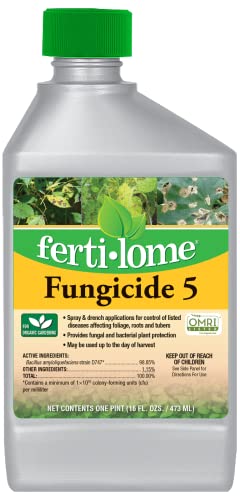
Fertilome (16112) Fungicide 5 Concentrate, 16 oz

Fertilome (11380) Liquid Systemic Fungicide II RTS, 32oz
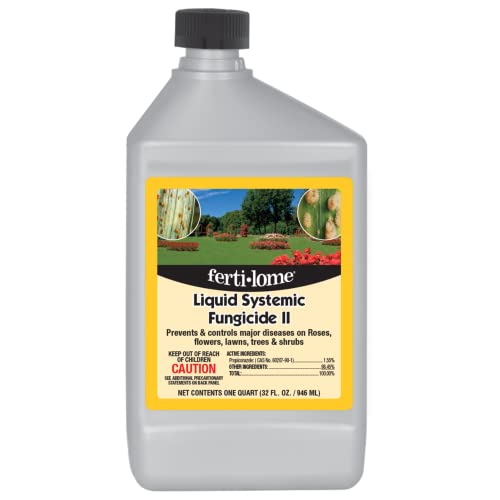
Fertilome (11378) Liquid Systemic Fungicide II Concentrate, 32 oz

Earth’s Ally Disease Control Fungicide Concentrate, 32 oz

Garden Safe Brand Fungicide3 with Neem Oil, 1 Gal

BioAdvanced 3-in-1 Insect, Disease, and Plant Mite Control, 24 fl oz

Atticus Gunner 14.3 MEC Propiconazole Fungicide, 32 oz

Atticus Gravex 20EW Fungicide, 16 oz

ARBER Organic Fungicide for Indoor & Outdoor Plants, 16 oz
The Picks, Examined More Closely
Yards with a long history of mixed fungal problems tend to overwhelm narrow-spectrum sprays, and that is where Fertilome’s Fungicide 5 Concentrate earns its reputation. The 16-ounce bottle mixes with water and stretches across ornamentals, shade trees, shrubs, vegetable beds, and even indoor tropicals, which makes it a flexible first pick when you cannot yet name the exact pathogen in front of you.
Where this concentrate pulls ahead of single-target formulas is the wide label coverage: it handles listed blights, mildews, leaf spots, and rots, so most homeowners can use the same jug on a rose bush in May and a dogwood in July. For mixed plantings where diseases show up in rotation, that flexibility matters more than a slightly higher per-ounce cost.
Useful Strengths
- Broad label covers multiple disease categories, so one bottle handles a varied landscape
- Compatible with trees, shrubs, ornamentals, vegetables, and indoor plants
- Concentrate format delivers a lower per-application cost than ready-to-spray bottles
- Trusted home-grower brand with widely available replacement stock at local retailers
- Works as both a preventive and a treatment when applied at first sign of disease
Things To Consider
- Mixing ratios vary by plant type, so the label needs a careful read before each use
- Only 16 oz, which can run short on properties with many large trees
- Reapplication is typically needed every 7 to 14 days during humid stretches
Feature Snapshot
Best Suited To
Homeowners juggling several plant types who want a single concentrate that adapts to whatever fungus shows up first in the season.
Reach For A Different Pick When
You would rather skip the measuring step; the Fertilome (11380) Liquid Systemic Fungicide II RTS comes pre-mixed in a spray bottle for grab-and-go use.
First-time fungicide users often hesitate at the measuring step, and that hesitation costs them treatment timing. The Fertilome (11380) Liquid Systemic Fungicide II RTS ships in a ready-to-spray 32-ounce bottle, which removes the math entirely and gets the treatment onto the leaves before the infection spreads further.
Systemic fungicides work differently from surface sprays: the plant absorbs the active ingredient and moves it through the vascular system, so new growth stays protected for a stretch after the application. For homeowners who only treat a few trees and shrubs each year, the convenience of a pre-mixed bottle is hard to beat, and the 32-ounce size covers a decent round of small to medium plants.
What Helps Most
- Pre-mixed format eliminates measuring errors for new users
- Systemic action protects new growth after the initial spray
- 32 oz bottle covers a small landscape without constant refills
- Listed for use on roses, flowers, lawns, and trees
Points To Keep In Mind
- Higher per-ounce cost than the concentrate version, since you are paying for the water and the bottle
- Hose-end sprayers can drift, so calm mornings make application cleaner
- Not a curative for heavily advanced infections; works best as an early-season preventive
Key Attributes
Whose Shelf It Belongs On
Newer gardeners who want a one-step treatment without the guesswork of measuring concentrates or tracking dilution ratios.
Look Elsewhere When
You have a large property with many trees; the Fertilome (11378) Liquid Systemic Fungicide II Concentrate stretches further per dollar at that scale.
Anyone with a backyard full of mature trees knows that fungicide bottles disappear fast, and refills add up. The Fertilome (11378) concentrate delivers the same active ingredient as the ready-to-spray version, but in a 32-ounce bottle that mixes with water on site, which trims the per-treatment cost meaningfully across a full season.
This pick fits the routine of a homeowner who has already done one or two seasons of spraying and feels comfortable measuring. You pour a small amount into a pump sprayer, top it off with water, and cover a row of trees or a wide flower bed in a single pass. The trade-off is upfront effort, but for a property with several trees and shrubs the savings accumulate quickly.
A Few Strong Suits
- Concentrate format lowers the cost per application over a full season
- Same active ingredient as the RTS bottle, so results are comparable
- Mixes readily with water in standard pump or hose-end sprayers
- Listed for roses, flowers, lawns, and ornamental trees
Honest Caveats
- Requires a clean pump sprayer and accurate measuring for proper dilution
- Concentrate has a longer shelf life but should be stored away from direct heat
- Not curative on heavily infected plants; prevention timing still matters
Quick Technical Notes
Made For
Experienced home growers with several trees and shrubs who want a budget-friendly concentrate they can mix as needed throughout the season.
Consider Something Else When
You prefer a certified-organic active ingredient; Earth’s Ally Disease Control uses citric acid as its base, which fits organic-leaning gardens.
Edible landscapes and family yards often call for a softer approach, and Earth’s Ally Disease Control uses citric acid as its active ingredient rather than synthetic chemistries. The 32-ounce concentrate mixes with water and treats powdery mildew, downy mildew, blight, canker, black spot, and leaf spot on a range of trees, shrubs, and food crops.
For households with curious pets or small children, the formulation profile lowers the worry factor compared with harsher chemical options. The trade-off shows up on stubborn, well-established infections: citric acid works best when applied early, so consistent reapplication through humid weather tends to deliver stronger results than a single late-season spray.
Practical Pluses
- Citric acid base suits gardeners avoiding synthetic fungicides
- Listed for use on edibles, ornamentals, and indoor plants
- Treats a wide range of common fungal diseases in one bottle
- Concentrate format gives flexibility across small and mid-size treatments
Small Caveats
- Less effective on advanced infections than systemic synthetic options
- Requires more frequent reapplication during wet or humid weather
- Mild scent during application that some users notice in enclosed spaces
Technical Highlights
Right Fit For
Growers tending fruit trees, herbs, or family yards who want an organic-friendly fungicide that still tackles the most common leaf diseases.
Skip It When
You are facing a serious systemic infection on a mature shade tree; the Atticus Gunner 14.3 MEC delivers a heavier-duty curative punch for that case.
When a tree is dealing with both fungal disease and an aphid or whitefly population at the same time, a single-purpose fungicide leaves half the problem untouched. Garden Safe’s Fungicide3 pulls triple duty: it functions as a fungicide, an insecticide, and a miticide, all built on clarified hydrophobic extract of neem oil, a botanical active used in organic gardening.
The one-gallon size suits homeowners with multiple fruit trees, rose beds, and vegetable plots, since the same jug handles black spot, rust, powdery mildew, and several listed insect pests. Neem oil works by coating leaf surfaces, so thorough coverage on both sides of the foliage is what makes the difference between a passing and a strong result.
Useful Highlights
- Three-in-one formula replaces a separate fungicide and insecticide in many yards
- Neem oil extract suits organic gardening programs
- One-gallon size covers large properties and multi-tree landscapes
- Listed for roses, flowers, houseplants, ornamental trees, shrubs, fruits, and vegetables
Practical Considerations
- Strong botanical scent during and shortly after application
- Neem oil works on contact, so missed leaf surfaces stay unprotected
- Best applied in cooler hours to avoid leaf burn under direct sun
Essential Details
Perfect Match For
Organic-leaning gardeners managing mixed plantings who want one product that handles fungal issues and soft-bodied insect pests at the same time.
A Better Fit Elsewhere
You want a pure fungicide without insect-control claims; Fertilome (16112) Fungicide 5 Concentrate keeps the focus strictly on disease control.
Japanese beetles chewing on the same maple that’s showing early signs of leaf spot is a common spring headache. BioAdvanced 3-in-1 tackles that combined problem in one bottle, controlling listed insects, mites, and diseases on flowering plants, trees, and shrubs with a single application pass.
The 24-fluid-ounce ready-to-use format works for homeowners who want to skip the mixing step without giving up multi-pest coverage. It handles black spot, powdery mildew, and rust on the disease side, while also knocking back adult Japanese beetles, aphids, and whiteflies on the pest side, which is the kind of combined coverage that simplifies a busy weekend.
Well-Handled Touches
- Combined insect, mite, and disease control in a single spray
- Ready-to-use bottle removes the mixing step
- Targets Japanese beetles, aphids, and whiteflies alongside listed fungi
- Listed for flowering plants, trees, and shrubs
Factors To Consider
- Synthetic chemistry, so it is not the right fit for strictly organic programs
- 24 oz covers a small to mid-size landscape before needing replacement
- Coverage of leaf undersides requires deliberate spray technique
Built With In Mind
Homeowners with ornamentals under pressure from both chewing insects and fungal disease who want one bottle to handle both jobs.
Swap It Out When
You prefer botanical ingredients; Garden Safe Brand Fungicide3 with Neem Oil uses a plant-derived active for organic-leaning gardens.
When a home lawn doubles as a putting green or a row of mature oaks shows systemic stress, the lighter retail formulas start to feel underpowered. Atticus Gunner 14.3 MEC brings 14.3% propiconazole, the same active ingredient trusted on golf courses and nursery operations, in a microemulsion concentrate that mixes cleanly with water.
The microemulsion (MEC) format matters in practice because the droplets stay suspended longer, which means more uniform coverage and less settling at the bottom of the tank. For homeowners managing larger trees, serious turf areas, or recurring fungal pressure that milder products cannot keep up with, the higher active load and broad-spectrum label make this a heavy hitter worth the extra care during mixing.
Real-World Strengths
- 14.3% propiconazole delivers professional-grade disease control
- Microemulsion concentrate mixes cleanly without separating in the tank
- Broad-spectrum label covers more than 20 listed fungi
- 32 oz bottle covers substantial turf and tree areas per mix
Where It Is Less Suited
- Synthetic chemistry, so it falls outside organic gardening programs
- Requires careful measuring and PPE during mixing for safe handling
- Strong curative action still works best as a preventive when timed early
Spec Overview
Who Will Love This
Detail-oriented homeowners with larger trees, specimen shrubs, or expansive turf who want a professional-grade active ingredient and are comfortable handling a stronger concentrate.
Where Another Pick Suits Better
You grow edibles or want a gentler profile; Earth’s Ally Disease Control keeps the active ingredient citric acid and fits family gardens.
Some fungal infections are already visible on the leaves before you ever pick up a sprayer, and at that point a preventive-only product arrives too late. Atticus Gravex 20EW uses 19.7% myclobutanil as its active ingredient, the same chemistry behind trusted specialty fungicides, and works as both a curative on active infections and a preventive shield for new growth.
The 16-ounce emulsifiable concentrate bottle is sized for mid-size residential use rather than commercial acreage, and the EW (emulsion in water) format blends smoothly into spray tanks. Where this pick earns its place is the dual-action profile: gardeners who notice early leaf spot or rust on a maple or apple tree can treat the existing outbreak and protect the next flush of leaves from the same application cycle.
The Practical Payoff
- Curative and preventive action in one product
- 19.7% myclobutanil targets active and forming fungi
- Emulsion-in-water format mixes readily in standard pump sprayers
- Listed for a wide range of ornamental and fruit trees
A Few Limitations
- Synthetic active, so not suited to organic gardening programs
- 16 oz bottle runs short on properties with many mature trees
- Curative results take a full growing cycle to fully show on damaged foliage
Product At A Glance
Who Should Grab It
Homeowners who have already spotted fungus on their trees and want a product that can treat the existing outbreak while also shielding the next round of growth.
Not Your Match When
You would rather stay with botanical ingredients; Garden Safe Brand Fungicide3 with Neem Oil uses a plant-derived active for organic programs.
Indoor fiddle leaf figs, patio citrus, and small ornamental trees live in tighter quarters than a backyard maple, and the products used on them have to be safe around enclosed spaces. ARBER Organic Fungicide uses biological and plant-derived actives to address powdery mildew, leaf spot, root rot, and common lawn fungi on a 16-ounce bottle that works equally well in a sunroom or on a back patio.
For households with cats, dogs, or small children that brush against treated leaves, the gentler formulation profile removes a layer of worry that synthetic concentrates carry. The bottle is on the smaller side, so it suits targeted use on a few potted trees or a compact garden rather than a half-acre landscape.
Where It Helps
- Organic and biological actives fit family and pet households
- Works on indoor trees, patio pots, and outdoor ornamentals
- Targets powdery mildew, leaf spot, and root rot in one bottle
- Smaller 16 oz size stores easily on a utility shelf
Trade-Offs To Consider
- Smaller bottle means frequent refills for larger landscapes
- Organic actives work best preventively, before infections take hold
- Reapplication is usually needed after rain or overhead watering
Right Fit
Households tending indoor and patio trees in close quarters with pets, kids, or limited ventilation, where a gentler biological fungicide matters more than a heavy-duty synthetic.
Another Choice May Suit
You are treating a large backyard with established disease pressure; the Atticus Gunner 14.3 MEC brings professional-grade strength for that scale.
What To Weigh Before Choosing A Tree Fungicide
The first decision is matching the active ingredient to the fungus you actually see. Preventive options like Fertilome (11380) Liquid Systemic Fungicide II RTS work well when applied before symptoms appear, while curative formulas such as Atticus Gravex 20EW pull double duty when an infection is already visible. Mature trees with thick canopies often need a concentrate that mixes with water in a pump sprayer, since ready-to-use bottles run out before the job is done.
The second factor is the active chemistry itself. Botanical options, including Garden Safe Brand Fungicide3 and Earth’s Ally Disease Control, fit organic-leaning gardens and households with pets, but they tend to require more frequent reapplication. Synthetic options, like the Atticus Gunner 14.3 MEC, deliver longer residual control and a heavier curative punch, though they call for careful handling during mixing. Container size matters too: a 16-ounce bottle covers a few small trees, while a one-gallon jug is a better match for multi-tree properties.
Finally, application timing shapes results more than any other choice. Most fungicides perform best when applied in the early growing season before disease pressure peaks, and reapplication intervals of seven to fourteen days are common during humid stretches. Matching the product to the season, the plant, and the fungal pressure in front of you is what separates a wasted spray from a healthier canopy.
Key Considerations Across These Picks
Common Shopping Slip Ups
Buying the largest jug on the page often backfires when the active ingredient does not match the fungus in your yard. A broad-spectrum concentrate is a smarter starting point than a specialty single-pathogen formula, because most home growers cannot visually confirm a specific disease. Skipping the label is the other classic mistake, since dilution rates and reapplication windows vary widely between concentrates and ready-to-spray bottles, and a missed detail there costs you either a weak treatment or a burned leaf.
What Separates Premium From Basic
The jump from a basic ready-to-spray bottle to a professional concentrate like the Atticus Gunner 14.3 MEC buys you a higher active-ingredient load, a more stable spray emulsion, and broader disease coverage on the label. For a small yard with one or two trees, that upgrade rarely pays off, and a basic bottle handles the job well. On larger properties, multi-tree landscapes, or yards with recurring fungal pressure, the premium tier earns its place through longer residual control and stronger curative action on infections that milder formulas leave behind.
Frequently Asked Questions
When is the best time to apply fungicide to trees?
Apply fungicide in early spring just as new growth emerges, before disease pressure peaks. For most products on this list, early-morning or evening applications on dry days give the spray time to dry on the leaves without evaporating too quickly or washing off.
Can I use the same fungicide on my lawn and trees?
Several concentrates on this list, including Fertilome (16112) and Fertilome (11378), list both lawns and ornamental trees on the label, so the same bottle can cover both areas. Always confirm the specific use sites on the product label before mixing a single batch for mixed plantings.
How often should fungicide be reapplied during the growing season?
Most fungicides need reapplication every 7 to 14 days during active disease pressure, especially after heavy rain or overhead watering. Organic options like Earth’s Ally Disease Control and ARBER Organic Fungicide typically need more frequent reapplication than synthetic concentrates.
Is a ready-to-spray bottle or a concentrate better for small trees?
Ready-to-spray bottles like the Fertilome (11380) Liquid Systemic Fungicide II RTS are easier for a handful of small trees and eliminate measuring. For more than a few trees, a concentrate such as Fertilome (11378) is more cost-effective across a full season.
Are organic fungicides effective on tree diseases?
Organic fungicides, including citric acid and neem oil options, work well as preventives and on early infections. For established or aggressive diseases, a synthetic concentrate such as the Atticus Gunner 14.3 MEC generally delivers stronger curative results.
Closing Remarks
The right fungicide for your trees depends less on the brand and more on the disease in front of you, the size of your canopy, and how often you’re willing to reapply. Start by matching the active ingredient to the symptoms, then weigh concentrate versus ready-to-spray based on the scale of your yard. A well-timed application, applied consistently through humid weather, will do more for a struggling tree than any single bottle ever could.
