

Putting in a raised bed used to mean stacking weathered boards and calling it a weekend project. These days, galvanized metal beds have reshaped the category: lighter to ship, faster to assemble, and far more forgiving in wet soil. The ten picks below cover different footprints, heights, and price points so you can match a bed to your space, not the other way around.
The right bed depends on your soil, your climate, and what you actually want to grow. Deep-root vegetables want at least 18 inches of depth. Compact herb planters work fine in a foot. The list ahead sorts through those trade-offs so you spend less time second-guessing and more time digging in.
The Picks In Brief

JERIA 8×4×2ft Galvanized Raised Outdoor Metal Garden Bed
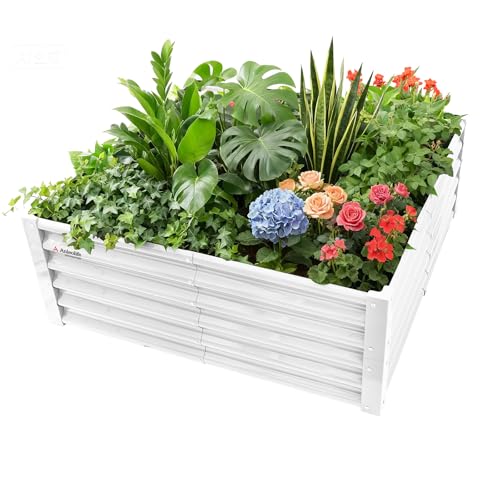
Anleolife 4x4x1.5ft Square Galvanized Raised Garden Bed

DIIYIV 2PCS 12x4x1FT Galvanized Raised Garden Bed Kit

ZUNUDA 2PCS 10x3x1ft Galvanized Raised Garden Bed Kit

Land Guard 24in Tall 4×2ft Oval Galvanized Raised Garden Bed

Land Guard 24in Tall 4×2ft Oval Galvanized Raised Garden Bed (Pearl White)

BIRDSINYARD Galvanized Raised Garden Bed 4x2x1ft 2 Pack

Pattiumo Galvanized Raised Garden Bed 4×4×1ft Round

Permade Galvanized Raised Garden Bed 8x2x1FT Gray

Permade Galvanized Raised Garden Bed 8x2x1FT White
A Deeper Look At The Lineup
The JERIA 8×4×2ft bed gives you a generous rectangle with two feet of depth, which most entry-level metal beds in this category skip past. That height matters if you’re growing tomatoes, carrots, or anything with a taproot that wants to stretch downward instead of fighting compacted native soil.
Compared to the Anleolife square that follows, this one trades compactness for raw volume, so it suits a yard with open lawn rather than a narrow patio. The kit arrives with assembly hardware, gloves, and a wrench, so most people should be able to put it together in an afternoon.
A Strong Showing
- Two-foot depth supports deep-rooted vegetables that shorter beds can’t handle.
- Eight-by-four footprint fits a family-size harvest of greens, roots, and herbs in one block.
- Galvanized steel (steel coated with a zinc layer to slow rust) holds up to wet seasons and snow load.
- Open bottom design means roots can reach native subsoil below if you want them to.
- Hardware and gloves ship in the box, so you don’t need to round up tools first.
Things To Consider
- The 8-foot length requires a fairly level stretch of yard and may not fit smaller side yards.
- Two cubic yards of soil is a meaningful expense on top of the bed itself, so budget accordingly.
- Tall walls mean a child or pet could climb and potentially tip, so anchor placement matters.
Key Specs
Best Suited To
Vegetable gardeners with an open stretch of lawn who want one large, deep bed to anchor a kitchen garden.
Skip It When
The Pattiumo 4×4 round bed makes more sense for a tight patio or a feature corner where a long rectangle would feel oversized.
The Anleolife 4×4 in antique white brings a tidy square footprint that reads almost like a piece of outdoor furniture. At 18 inches tall, it splits the difference between the JERIA’s two-foot walls and the shallower 12-inch options further down the list.
That middle-ground height works for most salad greens, peppers, and compact herb collections without demanding a huge volume of soil. The off-white finish also blends with painted trim and stone patios in a way that bare galvanized steel doesn’t.
Strengths Worth Knowing
- Square shape reaches from any side, so you never stretch over a wide bed to weed the middle.
- Antique white finish softens the look compared to raw silver galvanized metal.
- Corrugated steel (steel folded into ridges for extra rigidity) helps the walls resist bowing under soil pressure.
Points To Keep In Mind
- Eighteen inches is still tall enough to need a step stool for short gardeners to reach the back row comfortably.
- White finishes can show soil splash after heavy rain and may need a seasonal wipe-down.
Right Fit For
Apartment patios and small backyards where a square four-by-four footprint fits a corner better than a long rectangle.
Consider Something Else When
The DIIYIV two-pack is a better call for someone who wants to run a long row of crops along a fence instead of one compact square.
Two 12-foot beds in a single kit sounds like a lot, and it is. The DIIYIV pair gives you the length to run parallel rows along a side yard or a long stretch of fence, which is the layout many serious vegetable growers end up wanting.
The 12-inch wall height keeps these firmly in the shallow category, so think lettuces, radishes, herbs, and annual flowers rather than full-size carrots. The trade-off is far less soil volume per linear foot, which keeps the fill cost down.
The Case For It
- Two beds at twelve feet each provide serious row-crop capacity for a backyard or community plot.
- Twelve-inch depth keeps soil volume manageable, so the upfront fill cost stays reasonable.
- Galvanized construction should hold up to several seasons of rain and frost.
Worth Noting
- Twelve inches is too shallow for full-size carrots, parsnips, or anything with a long taproot.
- Two twelve-foot beds need a fairly level and open site, so small urban patios may not have the room.
Quick Facts
Whose Shelf It Belongs On
Side-yard growers with a long, level run of fence or lawn who want to plant in traditional rows.
Not Your Match When
The JERIA 8×4×2 is a stronger pick for someone who wants one deep bed for tomatoes and root crops rather than long shallow rows.
ZUNUDA’s pair runs ten feet long but only three feet wide, so each bed is essentially a single back-friendly row. That narrower profile is what sets these apart from the DIIYIV pair above, which uses a wider four-foot bed.
Three feet wide means you can reach the middle from either long side without ever stepping into the bed. For tight balcony runs, narrow side yards, or planting right against a railing, that extra compactness is often the difference between fitting the bed and not.
Where It Excels
- Three-foot width makes every spot reachable from the long sides, no stepping in required.
- Two beds in a kit give you flexibility to line up parallel rows or split them to opposite ends of a yard.
- Galvanized steel construction should hold up to several seasons of weather.
Trade Offs
- Twelve-inch wall height is shallow, so large root vegetables won’t have room to develop fully.
- Total combined length is twenty feet, so you need real estate to set both beds out.
Built With In Mind
Balcony gardeners and narrow side yards who want back-friendly single rows along a railing or fence.
Look Elsewhere When
The Permade 8x2x1 is a better fit when you want one continuous long bed rather than two narrower strips separated by a walkway.
The Land Guard in modern gray earns its place in the lineup mainly for the depth. Two feet of soil from a four-by-two footprint is unusual at this size, and it’s the kind of depth that makes a real difference for tomatoes, peppers, and deep-rooted herbs.
The oval shape is a small touch, but it does help the bed feel less industrial in a tight backyard. Compared to the rectangular JERIA earlier in the list, this one trades raw surface area for a more sculptural profile.
Everyday Wins
- Twenty-four inches of depth supports serious root development, a step above most 12-inch metal beds.
- Oval shape softens the industrial look of raw corrugated steel.
- Compact four-by-two footprint fits against a fence or house wall where wider beds won’t.
Honest Caveats
- Two feet of soil means roughly 1.3 cubic yards of fill, which adds to your total project cost.
Technical Sheet
Who Will Love This
Tomato and root-crop growers who want deep soil in a small backyard footprint rather than a sprawling rectangle.
Swap It Out When
The JERIA 8×4×2 is a better call when you need to grow a wider mix of crops in one larger bed instead of several deep small ones.
Same bed as the modern gray Land Guard, but in pearl white, so the only real decision here is aesthetic. If your patio, deck, or garden wall is already painted in a light palette, the white finish will blend far more gracefully than the gray version.
White finishes can pick up some heat, so a partially shaded placement helps keep soil temperature stable in midsummer. The two-foot depth still makes this a genuine deep-root option rather than just a shallow decorative planter.
Advantages To Know
- Pearl white finish coordinates with painted trim, brick, and light-colored stone patios.
- Twenty-four-inch depth accommodates tomatoes, peppers, and most root vegetables.
- Oval shape softens the look compared to sharp-cornered rectangular beds.
Less-Strong Areas
- Light-colored finishes tend to show dirt splash from rain and may want a seasonal wipe-down.
- White can hold more heat in direct summer sun, so placement in afternoon shade is worth considering.
Who Should Grab It
Design-conscious backyard growers who want a deep bed that doesn’t visually compete with a manicured landscape.
Another Choice May Suit
The Anleolife square is a better pick when the priority is a tidy four-by-four layout rather than a longer oval shape.
Two 4x2x1 beds in olive green, which is a less common color than silver or white in the metal-bed category. That matters if you want the bed to read as landscaping rather than as a galvanized utility box.
One foot of depth puts these firmly in the herb and greens category, so don’t expect to grow full-size carrots. The benefit is far less soil volume to buy, which keeps the total project cost lower than a deep bed like the Land Guard or JERIA.
A Few Highlights
- Olive green finish blends into garden plantings better than bare metal does.
- Two-pack format lets you place beds on opposite sides of a yard or run them parallel.
- Twelve-inch walls are easy on the soil budget and quick to fill.
Practical Considerations
- One-foot depth rules out deep-root vegetables like full-size carrots or large parsnips.
- Olive green paint finishes can wear over time with heavy UV exposure, so placement matters.
Made For
Color-conscious gardeners who want matched beds in a more naturalistic finish than raw silver steel.
Reach For A Different Pick When
The Land Guard 24-inch oval is the stronger call for serious tomato or root-crop growing, where depth is the deciding factor.
The Pattiumo breaks the rectangular pattern by going round at four feet across, which is a meaningful design choice. Round beds tend to work as feature pieces in a lawn or at the center of a courtyard, where a long rectangle would feel out of place.
Like the BIRDSINYARD pair, this one sits at 12 inches of depth, so reserve it for herbs, lettuces, and shallow-root annuals. The diameter gives you roughly twelve square feet of planting area, enough for a small but varied kitchen herb collection.
Features That Help
- Round footprint works as a centerpiece in a lawn or courtyard layout.
- Four-foot diameter is reachable from any side, so you never stretch to the middle.
- Galvanized steel construction should hold up to typical backyard weather.
Where It Is Less Suited
- One-foot depth limits you to shallow-root crops, so plan around herbs and greens.
- Round shape wastes a bit of soil in the corners of a rectangular layout if you’re grouping beds.
Feature Card
Perfect Match For
Backyards with a circular lawn feature or a courtyard where a round bed ties into the existing layout.
Where Another Pick Suits Better
The Anleolife square makes more sense for tight rectangular patios where every inch of a round footprint would be wasted against a wall.
The Permade gray is a long, narrow rectangle at 8×2, which is the kind of bed that runs neatly along a fence line or against a house wall. Two feet of width keeps the soil bed reachable from one side, which works well when the back of the bed is hard up against a vertical surface.
At 12 inches tall, this sits in the same shallow category as the BIRDSINYARD pair, so think herbs, lettuces, and short-root vegetables. The gray finish is the most neutral of the color options in this list.
Points In Its Favor
- Long, narrow shape fits naturally along a fence, wall, or driveway edge.
- Two-foot width means you can reach the back without leaning across the bed.
- Neutral gray finish blends into most backyard color schemes.
Some Limits To Know
- Twelve-inch wall height limits you to shallow-root crops, so don’t plan on full-size carrots.
- Eight-foot length means you need a fairly straight, level run to place it.
Built With In Mind
Perimeter planters and fence-line gardens where a long, narrow bed maximizes planting without taking lawn space.
A Better Fit Elsewhere
The ZUNUDA 2PCS pair is the stronger call for someone who wants two narrow beds instead of one continuous eight-foot run.
The white version of the Permade 8×2 swaps the gray finish for a crisper look that catches the eye more in a planted border. Same dimensions, same hardware, just a different surface treatment, so the choice comes down to how visible you want the bed to be.
White surfaces can show soil splash more readily, and they do pick up some heat in full sun, so this one earns its keep where the bed is meant to be a feature, not fade into the background.
What Helps Most
- White finish gives the bed a built-in look that pairs well with painted fences or trim.
- Long, narrow footprint suits fence-line and perimeter planting exactly like the gray version.
- Two-foot width keeps every part of the soil bed reachable from one side.
Potential Drawbacks
- White surfaces show dirt and water marks more readily, so a seasonal wipe-down may be needed.
- Light color holds more heat in direct afternoon sun, so placement in partial shade is worth weighing.
The Right Fit
Gardeners who want a visible feature bed along a bright patio or a sun-facing wall where the white reads cleanly against greenery.
Not Your Match When
The gray Permade is the calmer alternative when you want the bed to recede rather than stand out in a landscape.
What To Weigh Before Picking A Garden Bed
Depth matters more than most people expect. Twelve-inch beds are fine for lettuces, herbs, and annual flowers, but full-size tomatoes, peppers, and root vegetables do better with at least 18 inches, and serious taproots like long carrots or parsnips want closer to 24. A “deep root” bed like the JERIA or the Land Guard 24-inch pays off the first season you grow anything with a long root system.
Footprint should match the reach of the shortest gardener in the household. Three feet wide is generally the practical limit if you want to reach the middle from both sides without stepping in. Four feet is workable for children and adults, but a tight squeeze for shorter folks. Anything wider than four feet usually ends up with a foot path down the middle, which means losing planting space.
Galvanized steel resists rust through multiple seasons, and a zinc coating (a thin layer of zinc applied to steel to slow corrosion) is the standard protection on most beds in this category. Corrugation, those parallel ridges you see on the walls, adds rigidity so the panels don’t bow outward when saturated soil pushes against them. For coastal or high-humidity yards, look for thicker gauge steel, since thinner panels tend to dent more easily during assembly.
Open-bottom designs let roots reach native subsoil and let worms travel up into the bed. Closed-bottom beds keep soil contained on a patio, but you’ll want to drill drainage holes or expect soggy soil after heavy rain. For a permanent in-ground installation, open bottom is almost always the better long-term call.
Key Considerations Across These Picks
Where Shoppers Go Wrong
A common slip is choosing depth based on the easiest fill cost, not what the plants actually need. A shallow 12-inch bed fills fast, but if you want to grow anything beyond greens, you’ll be replacing it within a season. Matching depth to crop before you buy saves money twice: once on the bed, and again on the soil you don’t have to discard.
Another trap is underestimating how much soil a deep bed eats. A 4×2 bed at 24 inches holds roughly 1.3 cubic yards of soil, which is a real expense on top of the kit. Add that to your budget before you commit, especially for the Land Guard and JERIA deep options.
Where The Extra Money Goes
Thicker steel, deeper walls, and reinforced corners are where the premium on higher-tier beds shows up. Thinner panels flex during assembly, dent in transit, and bow under wet soil pressure. Reinforced corners and stabilizing rods keep the bed square through freeze-thaw cycles, which matters more in northern climates than in mild ones. The premium picks in this list invest that extra material into longevity, and most owners of basic beds eventually replace them after a few seasons, so the higher upfront cost can be the cheaper long-run choice.
Frequently Asked Questions
How deep should a raised garden bed be for vegetables?
For most vegetables, 12 inches works for greens, herbs, and shallow roots, while 18 to 24 inches is the practical range for tomatoes, peppers, and root crops. The deeper options in this list, including the JERIA and the Land Guard 24-inch, give taproots the room they need to develop fully without fighting compacted native soil.
Do galvanized raised beds get too hot in summer?
Galvanized steel reflects a fair amount of sunlight and doesn’t typically overheat soil the way dark plastic or dark wood can. In very hot, direct-sun climates, lighter colors like the white Permade and the pearl white Land Guard reflect even more heat, so partial afternoon shade is a reasonable precaution in those zones.
Is open-bottom or closed-bottom better for raised beds?
Open-bottom beds let roots reach native soil and improve drainage naturally, which is the better choice for in-ground placement. Closed-bottom beds work on patios and decks where soil and water need to stay contained, but require manual drainage holes to prevent waterlogging during heavy rain.
How long do galvanized metal garden beds last?
Most galvanized steel beds in this category hold up through several growing seasons without visible rust, often longer when paint or coating is added. Thicker steel and proper drainage tend to extend the life further, while thin panels in consistently wet soil will start showing wear sooner.
Can a raised bed sit directly on grass?
Yes, and an open-bottom design actually works well that way, since roots can reach native soil below and the existing grass decomposes into the bed. Laying down cardboard or landscape fabric first helps smother the grass and slows weeds from coming up through the new soil.
Wrap Up
The right garden bed comes down to three honest numbers: depth, footprint, and finish. Match depth to what you actually want to grow, pick a footprint that fits the shape of your yard, and choose a finish that looks right where the bed will live. The ten options above cover a wide enough range that one of them should fit your real situation, not force you to compromise.
