

A tidy edge changes how a yard feels. The right garden borders keep mulch where it belongs, hold back creeping grass, and give flower beds a finished look without constant weekend cleanup.
You don’t need a landscaper or a truckload of stone to get there. The picks below cover stone-look blocks, flexible plastic strips, corrugated metal, and no-dig animal barriers, so you can match the edging to your soil, your curves, and how much time you want to spend installing it. Everything here is DIY-friendly, weather-tough, and built for ordinary backyards.
The Essentials At A Glance

Beuta Polyrock Brick Edging (Greystone, 4-Pack)
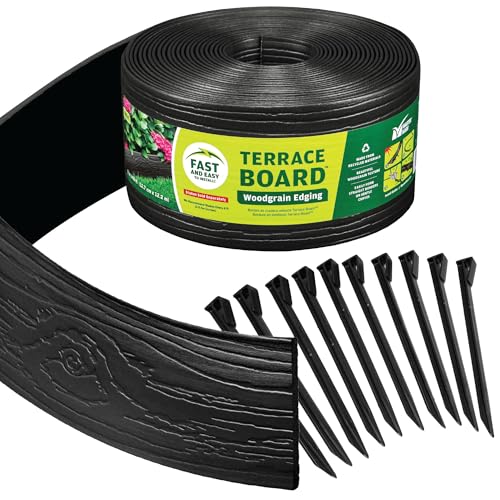
Master Mark Terrace Board Coiled Edging 5 in. x 40 ft.

shsyue 33 ft Flexible Landscape Edging Kit (Black)

shsyue 66 ft Flexible Landscape Edging Kit (Black)

AVELOTUUG 42.5 ft No-Dig Animal Barrier Fence
SnugNiture Corrugated Metal Edging 6″ x 50′
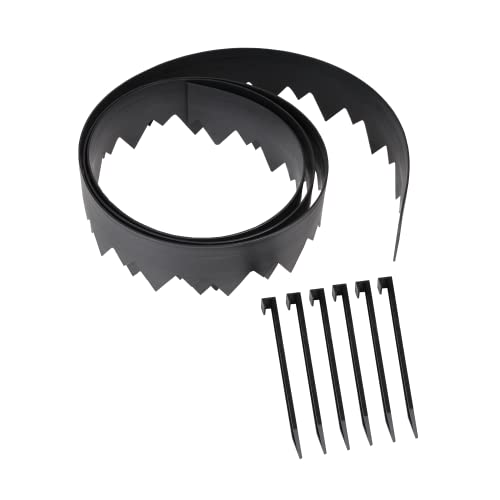
EasyFlex Pound-In Edging 20 ft (Black)

Beuta Polyrock Block Edging 6.5″ Tall (Greystone, 4-Pack)

GTSABWAY Pre-Rusted Corrugated Metal Edging 6″ x 40′

AVELOTUUG 45 ft Arched Decorative Garden Fence
A Closer Look At Each Pick
For gardeners who want the look of stacked stone without hauling real rocks, the Beuta Polyrock Bricks deliver a genuinely convincing texture. Each 48-inch section is 4 inches wide and 2.25 inches tall, with six bricks per section, giving you a low, clean edge that frames flower beds and pathways without overpowering them. The Greystone color reads neutral against most mulch tones, so the bed, not the border, stays the visual focus.
Installation is approachable for a weekend project. You press the sections into the soil and secure them with the included 12 spikes, no digging a deep trench required. Owners commonly note that the soft, brick-like material flexes just enough to follow gentle curves, which is where rigid stone normally gives you trouble. If your yard has long sweeping beds rather than tight corners, this set tends to shine.
Strong Points
- Stone-look texture that reads as real masonry at a glance
- Low 2.25-inch profile keeps lawn mower wheels from scalping it
- Flexible enough to trace soft curves along flower bed edges
- Made in the USA, which usually means tighter material consistency
- Spike-down install means no trench digging for most soil types
Things To Consider
- At only 2.25 inches tall, it won’t contain deep mulch mounds or aggressive grass runners
- Spikes can loosen in very sandy or freshly turned soil, so you may need to re-seat them seasonally
Who It Suits Best
Homeowners focused on curb appeal and tidy front-yard beds who want a stone look without the weight or cost of real masonry.
Where Another Pick Suits Better
For taller containment or a more architectural profile, the Beuta Polyrock Block Edging 6.5″ Tall is a better match.
The Master Mark Terrace Board is a coiled, 5-inch-tall strip of textured plastic that unfurls into 40 feet of edging. Compared to the rigid stone-look Beuta above, this is the opposite end of the spectrum: thin, bendable, and built for long, meandering beds. The wood-grain texture is subtle, giving it a softer, more naturalistic read against bark or cocoa mulch.
The trade-off is that you trade height for flexibility. At 5 inches tall, you get more containment than shorter bricks, but the material is light, so you anchor it with the included 10 stakes rather than relying on its own weight. In our view, this is the kind of border you reach for when the design idea is the curve itself, not the edge profile.
Everyday Advantages
- 40-foot coil covers long, winding beds without seams
- Wood-grain texture looks more organic than glossy plastic
- Flexible enough to wrap tree rings and irregular bed shapes
Worth Noting
- Thin profile can flex outward if you mound heavy mulch against it
- Only 10 stakes are included, so long curves may need extras
- Plastic darkens with sun exposure over multiple seasons
Made For
Gardeners with long, curved beds and vegetable plots who want flexibility over a chunky architectural edge.
Consider Something Else When
For taller containment and a more defined barrier, the shsyue 33 ft Flexible Landscape Edging Kit with its 4-inch height is a stronger choice.
The shsyue 33-foot kit is a workhorse option for first-time DIYers. You get 33 feet of flexible PE edging at 4 inches tall, plus 50 spiral spikes, which is more anchoring hardware than most kits at this length bother to include. The extra spikes matter, because they are what actually keep a flexible border standing up to foot traffic and string trimmer knocks.
You shape the strip by hand, cut it to length with snips, and hammer the 8-inch spiral spikes every short distance along the run. Compared to the Master Mark above, this kit is taller, darker, and reads more like a structural edge than a soft border. For most small backyards, that 33-foot length maps cleanly onto a single bed or a tree surround.
Practical Pluses
- 50 spikes included, so full runs are anchored without buying extras
- 4-inch height contains mulch and stops creeping grass
- PE plastic stays flexible in cool weather without cracking
- Cuts easily with standard snips for custom bed lengths
Trade Offs
- Pure black color can look harsh against light stone or gravel
- Spikes sit visibly above the edging in shallow topsoil, so mow carefully along the edge
Best Suited To
First-time installers and homeowners tackling a single bed or tree ring on a tight weekend timeline.
Not Your Match When
For a longer, whole-property run, the shsyue 66 ft Flexible Landscape Edging Kit doubles the coverage with the same system.
The 66-foot shsyue kit is essentially the 33-foot version scaled up for larger properties, with 100 spiral stakes in the box. The HDPE material is the same recipe, so the install method is identical, but having double the length means you can run continuous borders around full perimeter beds without splicing strips mid-curve. Splices are where flexible edging tends to look messy, so avoiding them is a real visual win.
This is the pick for anyone with a long driveway edge, a wraparound flower bed, or multiple tree rings to edge in one go. The trade-off is storage: a 66-foot coil is bulky, and you need a clear worksurface to lay it out before install. For most suburban lots, you may find the leftover length useful rather than wasteful.
Everyday Perks
- 66-foot run avoids mid-bed splices for cleaner curves
- 100 stakes give you full anchoring on long stretches
- HDPE plastic handles temperature swings without becoming brittle
Points To Note
- Bulkier to ship and store than smaller kits
- 100 stakes take time to set, so plan a longer afternoon
Who Will Love This
Homeowners with bigger yards, long driveways, or multiple beds to outline in a single weekend project.
Skip It When
For a single small bed, the shsyue 33 ft Flexible Landscape Edging Kit is a more manageable size.
Shifting categories slightly, the AVELOTUUG No-Dig Animal Barrier is technically a fence, but it doubles as a border for gardeners whose main problem is not aesthetics but critters. At 13 inches tall with 30 interlocking panels, the kit totals 42.5 linear feet and is designed to keep rabbits, dogs, and similar pests out of beds and off freshly turned soil. The 1.5-inch gap at the base is narrow enough to discourage digging under the panels.
Installation is genuinely no-dig: you push the panels into soft ground, no trench required. Compared to the flexible plastic strips above, this is a more visible, more structural border, and it works best as a perimeter around a vegetable patch or around tender new plants. For pure decorative edging, you would pick something else, but for function-first gardens, it earns its spot on the list.
The Good Stuff
- 13-inch height is enough to deter small dogs and rabbits
- 30 panels interlock, so you can shape runs, corners, and partial rings
- No-dig install works in established lawns without disturbing roots
Honest Caveats
- Not a low-profile decorative edge, so it reads as functional, not ornamental
- Rustproof metal finish still benefits from a rinse each season to stay clean
Perfect Match For
Vegetable gardeners and pet owners who need to keep digging animals out of specific beds.
Another Choice May Suit
For purely decorative curb appeal, the Beuta Polyrock Brick Edging looks more like landscaping and less like a barrier.
Corrugated steel edging is a different visual language than stone-look bricks or flexible plastic strips, and the SnugNiture 6-inch by 50-foot roll leans into that modern, architectural look. The brown-and-white color combination softens what would otherwise be a fairly industrial edge, and the corrugation adds rigidity so the strip holds a straight line when you want one. This is the kind of border you see in contemporary xeriscape and gravel garden designs.
At 6 inches tall, you get meaningful containment for rock mulch and deeper soil profiles. The metal weathers sun, rain, and snow without complaint, so you install it once and largely forget it. Owners commonly report that the cutting process is the trickiest part: a pair of tin snips works, but for clean cuts along the corrugation, a small angle grinder is faster.
A Few Strong Suits
- 50-foot roll handles long runs or multiple beds in one purchase
- Corrugated profile adds strength and a clean modern look
- Metal weathers rain and sun without warping or cracking
Small Caveats
- Metal edges can be sharp at cut points, so file them down before handling
- 50-foot coil is stiff to flatten for first-time installers
The Right Fit
Design-minded gardeners building contemporary, rock-mulch, or xeriscape beds who want a long-lasting metal edge.
Look Elsewhere When
For a softer, more weathered finish right out of the box, the GTSABWAY Pre-Rusted Corrugated Metal Edging skips the waiting period.
The EasyFlex edging is built around a simple idea: you score the soil with a spade, then pound the 4.5-inch straight-top strip in place with a rubber mallet. No trench digging, no separate stakes to lose in the grass, no spiral hardware to wrestle. The bonus anchoring stakes in this kit just add a bit of extra hold where the soil is loose.
At 20 feet, this is a short, manageable run, ideal for a single front-yard bed or a tree surround. The recycled plastic body is flexible enough for gentle curves but firm enough to hold a straight line where the design calls for it. For first-time DIYers who want the path of least resistance, this strip tends to remove the parts of edging that frustrate people most.
Bright Spots
- Single-piece pound-in design means no lost stakes
- Recycled plastic flexes for curves yet holds straight runs
- 4.5-inch height is a versatile middle-ground for most beds
Areas To Watch
- 20-foot length is short for whole-yard projects
- Pounding into hard clay can be tiring without a quality mallet
Built With In Mind
DIYers tackling a single small bed who want a tool-light, no-fuss install they can finish in an hour or two.
Reach For A Different Pick When
For longer continuous runs without seams, the shsyue 66 ft Flexible Landscape Edging Kit covers more ground per kit.
The taller sibling to the 2.25-inch Beuta bricks, this 6.5-inch Polyrock Block set trades low profile for serious presence. Each 48-inch section reads as a real stacked-stone wall, so it works for raised beds, slope edging, and anywhere you want the border itself to be a design feature. The patent-pending connection system clicks sections together, then you lock the run with the included 8 spikes.
At this height, the blocks can hold back soil on a gentle slope or contain a thick layer of bark mulch without bowing. The honest read is that the bulkier profile is a commitment, and the kit covers less linear footage per box than lower bricks. For most flat front yards, the 2.25-inch version is plenty, but for raised beds and sloped gardens, the extra height earns its keep.
What Works In Its Favor
- 6.5-inch height contains deep mulch and holds back sloped soil
- Stacked-stone look reads as substantial, premium hardscape
- Click-together sections speed up long runs
Some Limits To Know
- Heavier per section, so a full kit adds up at the door
- 8 spikes for 4 sections is tighter than the shorter version provides
Whose Shelf It Belongs On
Homeowners building raised beds, terraced gardens, or slope edging where the border needs real visual weight.
A Better Fit Elsewhere
For low-profile front-yard beds, the Beuta Polyrock Brick Edging 2.25″ is easier to install and reads as more subtle.
Where the SnugNiture lands as a clean, modern brown-and-white steel edge, the GTSABWAY arrives pre-rusted, which gives it that warm weathered patina right out of the box. The 6-inch by 40-foot corrugated metal strip shapes into straight lines, gentle curves, or even circles, so it adapts to whatever bed geometry you have in mind. Pre-weathered steel saves you the awkward first-year phase when raw metal looks unfinished.
For raised beds, tree surrounds, and natural-rock gardens, the rust tone blends instead of contrasts, so the plants stay the focus. The flexibility of the metal is real, but it takes patience to coax tight curves without kinking the corrugation. For most yards with broad curves and long runs, this strip behaves nicely.
What Helps Most
- Pre-rusted finish skips the raw-metal transition period
- Corrugated profile adds rigidity for clean straight runs
- Warm tone blends with bark, rock, and earth-tone mulch
Factors To Consider
- Rust can transfer onto hands and light-colored stone during install
- Tight curves may kink the corrugation if you force them
Who Should Grab It
Designers of cottage, rustic, or natural-rock gardens who want a metal edge that looks established from day one.
Swap It Out When
For a cleaner, more contemporary finish, the SnugNiture Corrugated Metal Edging keeps the corrugated look in a modern colorway.
The AVELOTUUG arched fence closes the list with a more decorative, ornamental approach. You get 32 panels totaling 45 linear feet, each with a classic arched top that reads as vintage garden ironwork. At 13 inches tall, the fence is high enough to subtly define a front-yard bed or vegetable patch, low enough that it never feels like a wall. The rustproof metal finish means it can sit through weather without flaking.
You push the panels into the ground by hand, no digging or hardware required, and the connecting bases keep the line steady. Compared to the taller, more functional AVELOTUUG barrier above, this set trades height for style. For most small patios, the arched silhouette is the design element, and the function is simply to keep things tidy.
A Strong Showing
- Arched profile adds a classic, decorative look to front beds
- 45-foot run handles long borders or multiple short beds
- No-dig install suits renters and apartment patios
Less Ideal Details
- Decorative rather than structural, so it won’t block larger animals
- Lightweight metal can flex in soft soil if not anchored evenly
Right Fit For
Renters, apartment dwellers, and small-yard owners who want a decorative border that installs and removes without tools.
Where A Sibling Pick Shines
For a barrier that actively keeps digging pets out, the AVELOTUUG 42.5 ft No-Dig Animal Barrier Fence is more functional.
What To Weigh Before You Buy
Material And Look
Stone-look polyrock reads as upscale, but only if your yard has the visual weight to support it. Flexible plastic strips disappear into the landscape, which suits minimalist and naturalistic designs. Corrugated metal introduces a modern or rustic accent, depending on the finish, and becomes a deliberate design element rather than a quiet frame. Match the border to the mood of the bed, not the other way around.
Height And Containment
Shorter 2 to 3 inch profiles suit low groundcover and tidy mulch, but they lose the battle against aggressive grass runners like Bermuda. Four to six inch heights handle deeper mulch layers, sloped soil, and rock gardens. Anything taller shifts the border from edging into barrier territory, which is the right call only when you also need to block pets or small animals.
Length And Layout
Measure the linear feet of bed you want to outline, then add 10 percent for curves, mistakes, and offcuts. Long coiled rolls are cheaper per foot and avoid splices, but they are bulky to store. Shorter kits are easier to handle and ship, and they suit small projects where a 66 foot coil would be wasteful. Buying two short kits is sometimes smarter than wrestling one oversized roll.
Install Method
Pound-in strips like the EasyFlex demand the least preparation, just a scored soil line and a mallet. Spike-down flexible strips need a few more minutes per section but handle curves better. Stone-look block systems click together, which speeds up long runs but adds weight to carry. No-dig fences are the lightest of the bunch and the easiest to remove later, which matters for renters.
Key Considerations Across These Picks
Mistakes Worth Dodging
Buying edging without measuring the actual bed length is the most common slip, and it leaves you with either a half-finished border or a pile of unused coil. Skipping the soil prep step is the second big one: even the most flexible strip will pop out of hard-packed clay if you do not score a guide line first. Finally, do not match the border height to the plant height, match it to the mulch and grass pressure in that bed, which is usually a different number entirely.
Where The Extra Money Goes
Premium stone-look polyrock and pre-rusted metal both cost more per foot, and the upgrade shows up in two places. First, the material weathers more gracefully, so the border still looks intentional three or four seasons in instead of faded or warped. Second, the rigidity and weight tend to be higher, which means fewer spikes, less readjusting, and a cleaner final line. For high-visibility front-yard beds, that extra spend is the difference between an edge you notice and an edge you keep noticing in a bad way.
Frequently Asked Questions
How deep should garden borders sit in the soil?
Most flexible strips and stone-look blocks are designed to sit with roughly one-third of their height buried, so a 4-inch border typically has about an inch and a half anchored in the soil. That balance keeps the edge stable against minor bumps while still showing the full profile above grade. If you have loose sandy soil, anchor a little deeper and use more spikes.
Can you mow right up against these borders?
The shorter profiles, especially the 2.25-inch Beuta bricks and the 4.5-inch EasyFlex strip, are designed to let a mower wheel roll along the top without scalping. Taller borders, including the 6.5-inch Beuta blocks and the 13-inch animal barriers, need a string trimmer along the edge instead. If you prefer to mow and walk away, stick to borders under 5 inches tall.
How do you keep flexible edging from popping out?
The most common cause is insufficient spikes, or spikes set into soil that was too hard to grip them. Soften the soil with water the night before, score a guideline with a spade, and place a spike every 12 to 18 inches along the run. In loose or sandy soil, add a spike at every joint between sections, not just along the open spans.
Will metal edging rust through over time?
Steel edging with a rustproof or pre-rusted finish is designed to develop a stable surface patina, not to corrode through. The visible rust is a thin layer that actually protects the metal underneath. Galvanized or coated metal edges take longer to show any weathering at all, which matters if you want a brighter look in the first season.
Are these borders safe around kids and pets?
Stone-look polyrock and rounded plastic strips have soft edges and pose little risk during normal yard play. Metal edging, both the corrugated steel and the arched fence panels, can have sharp cut ends, so file or cap them after trimming. The taller animal barrier panels are specifically designed to keep small pets out of beds, but the decorative arched fence is ornamental and not strong enough to contain a determined dog.
The Takeaway
Pick the border that matches the problem you actually have, whether that is aesthetics, containment, or keeping critters out. For most front-yard beds, a low stone-look or flexible strip handles the job without much fuss. For larger properties, deeper mulch, or sloped terrain, taller blocks or steel edging earn their place. Measure first, prep the soil, and the install goes faster than you expect.
