

Aphids chew through your rose buds overnight, Japanese beetles skeletonize the bean leaves, and powdery mildew creeps across the zucchini just as the fruit sets. You’re not failing at gardening; you’re just up against pests that have been refining their craft for a few million years. The right spray turns that losing streak around without making you choose between a healthy garden and a safe one for kids, pets, and pollinators. Below are ten garden bug sprays worth your attention, each one chosen for a specific kind of garden and a specific kind of problem.
The Leading Options At A Glance

Earth’s Ally 3-in-1 Plant Spray for Pests & Disease, 32 Oz

BioAdvanced 3-in-1 Insect, Disease, and Plant Mite Control Spray 24 fl oz

STEM Insect Spray for Indoor and Outdoor Plants 12 oz

Garden Safe Multi-Purpose Garden Insect Killer 32Oz

Raid House & Garden Bug Killer Aerosol 11 oz Pack of 3

Ortho Rose and Flower Insect Killer, 24-Ounce

BioAdvanced 3-in-1 Insect, Disease, and Mite Control Ready-to-Spray 32 oz
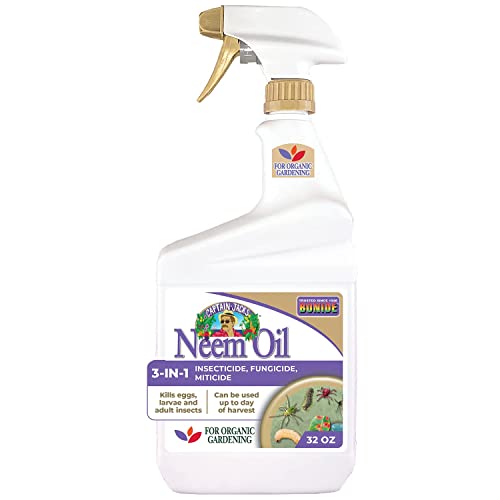
Bonide Captain Jack’s Neem Oil 32 oz Ready-to-Use Spray

Sevin Insect Killer Spray Ready-to-Use 1 Gallon

Garden Safe Insecticidal Soap Insect Killer Spray 32 Oz
A Closer Look At Each Pick
Earth’s Ally leans on a botanical oil blend (essential oils that work as natural insecticides) to handle soft-bodied insects and common fungal problems in one pass. The 32-ounce bottle arrives ready to spray, so there’s no mixing on the kitchen counter before heading outside. You can use it on houseplants, container tomatoes, and ornamentals without worrying about staining the windowsill or leaving a chemical film on the leaves.
For gardeners who want a single bottle for the windowsill herbs and the back patio tomatoes, this is a sensible match. The formula is gentle enough for indoor use but broad enough to cover the usual suspects like aphids, whiteflies, and powdery mildew. Compared with the stronger synthetic options below, Earth’s Ally asks for more frequent repeat applications, but that’s the trade-off for the gentler ingredient list.
A Few Highlights
- Ready-to-use 32 oz bottle, no mixing required
- Suitable for both indoor houseplants and outdoor edibles
- Botanical oil blend handles pests and common fungal issues in one spray
- Light enough to keep on a kitchen counter for routine spot treatments
Worth Noting
- Repeat applications are usually needed since botanical oils break down faster than synthetics
- The trigger spray is fine for small jobs but you’ll want a larger format for big infestations
Made For
Houseplant owners and small-space gardeners who want one bottle for both indoor greenery and a few patio edibles.
Consider Something Else When
Step up to BioAdvanced 3-in-1 Insect, Disease, and Plant Mite Control Spray if you’re managing heavy infestations on a long row of flowering shrubs.
BioAdvanced’s 24-ounce trigger spray handles three jobs in one bottle: insects, listed plant diseases, and plant mites. That last category is what separates it from a basic insecticide, because spider mites (tiny arachnids that stipple and yellow the leaves) often slip past sprays that only target insects. The formula is approved for roses, flowering plants, trees, and shrubs.
You spray it directly onto the foliage with no dilution step, which makes weekend treatments far less of a chore. For a backyard with mixed rose beds, a flowering crabapple, and a few foundation shrubs, this is the kind of bottle that lives by the back door from May through August. Compared with the ready-to-spray hose-end BioAdvanced below, the trigger format gives you more control but covers less ground per minute.
Strong Points
- Three-in-one formula covers insects, mites, and listed fungal diseases
- Targeted for roses, trees, shrubs, and flowering ornamentals
- Trigger spray gives precise coverage on individual plants
Trade Offs
- The 24-ounce size is comfortable for spot jobs but small for an entire hedge row
- Not suited for edible gardens if you’re looking for a food-safe formula
Feature Snapshot
Best Suited To
Ornamental gardeners with roses, flowering shrubs, or foundation plantings who want a single bottle for multiple problems.
Reach For A Different Pick When
Pick Bonide Captain Jack’s Neem Oil instead if you also need a formula that’s appropriate for vegetable beds.
STEM’s 12-ounce bottle uses a water-based botanical extract derived from cedarwood, which gives it a softer profile than the petroleum-based sprays. The formula is designed to kill the bugs that actually feed on plants, like aphids, spider mites, and thrips, while leaving the plant itself unharmed. It’s the kind of bottle you can keep on the kitchen counter next to the watering can.
For households with curious pets or small children, that profile matters more than the size on the label. The 12-ounce format is on the small side, so plan on refills during a heavy pest season. Compared with Earth’s Ally above, STEM leans harder on cedarwood, which gives a faint woodsy scent during application that fades within an hour in most rooms.
What Pays Off
- Water-based botanical formula with cedarwood extract
- Targeted at sap-feeding insects like aphids, spider mites, and thrips
- Small enough to keep within reach for daily spot checks
Honest Caveats
- 12 ounces runs out fast on a backyard with anything more than a few containers
- The cedarwood scent is mild but noticeable during application in enclosed rooms
Whose Shelf It Belongs On
Pet owners and parents who want a gentler, water-based option for houseplants and small patio containers.
Skip It When
Move up to Sevin Insect Killer Spray Ready-to-Use 1 Gallon if you need to cover a full vegetable plot through the season.
Garden Safe’s 32-ounce multi-purpose killer is built for the gardener who wants a contact spray (one that works by coating and smothering the insect on contact) that still qualifies for organic gardening use. The fast-acting formula is approved for vegetables, fruit trees, ornamentals, shrubs, and flowers, both indoors and out, and it can be applied right up to the day of harvest on listed crops.
For a backyard with raised beds of tomatoes next to a flower border, that flexibility saves you from keeping two different bottles on the shelf. You will need to cover the bugs directly to see results, so a slow morning walk with the trigger spray works better than a quick pass from across the bed. Compared with the insecticidal soap below, this formula targets a broader insect list and handles heavier infestations more confidently.
What Helps Most
- Approved for organic gardening on a wide plant list
- Suitable up to the day of harvest on listed crops
- 32-ounce size covers a typical backyard through several treatments
- Works indoors, outdoors, and in greenhouses
Soft Spots
- Contact-only mode means thorough coverage of the pest itself is required
- Reapplication after rain or overhead watering is standard practice
Key Product Details
Built With In Mind
Edible garden growers who want an organic-friendly option that works on vegetables, fruit trees, and flowers from the same bottle.
A Better Fit Elsewhere
STEM Insect Spray fits better for indoor houseplants where a smaller, gentler bottle makes more sense.
Raid’s aerosol format is the one to reach for when bugs cross the threshold between indoors and out: a spider on the porch, a roach along the foundation, aphids on the windowbox herbs. The formula is designed to kill on contact without damaging listed house or garden plants, and the 11-ounce cans in a pack of three keep a can in the kitchen, the garage, and the garden shed without reshuffling.
You won’t want this for a serious aphid outbreak on a hedge, but for a quick knockdown of the usual household suspects it’s hard to beat. The bug list runs long, covering everything from boxelder bugs and whiteflies to roaches and silverfish. Compared with the trigger sprays above, the aerosol gives you more reach but less precision, and you trade some control for that.
Strengths Worth Knowing
- Multi-pack format keeps cans in the kitchen, garage, and shed at the same time
- Long insect list covers common household and garden pests
- Aerosol reach handles cracks, ceiling corners, and undersides of leaves
Small Caveats
- Aerosol drift makes it less ideal for treating a dense flower bed up close
- Can run out faster than a 32-ounce trigger spray on heavy outdoor jobs
Right Fit For
Households that want one product for the garage door, the back patio, and the kitchen window without juggling bottles.
Where Another Pick Suits Better
Switch to Ortho Rose and Flower Insect Killer for dedicated rose bed work where a plant-targeted formula is the priority.
Ortho’s 24-ounce bottle is built around roses and flowering plants, with a dual-action formula that kills listed insects on contact and keeps working on the foliage afterward. The adjustable nozzle lets you switch between a fine mist for tender new growth and a stronger stream for thicker stems lower on the bush. It works both indoors and outdoors, which is handy for overwintering potted roses in a sunroom.
For a yard with a few prized rose bushes that draw all your attention in June, the focused formula makes more sense than a broad multi-purpose spray. Coverage of 100-plus listed insects means the usual rose villains like aphids and Japanese beetles are on the list. Compared with the BioAdvanced 3-in-1 trigger spray above, this is a more plant-specific tool, but it doesn’t add the disease-control dimension.
What Makes Sense
- Dual-action formula for contact kill and continued protection on the foliage
- Adjustable nozzle handles both new growth and woody stems
- Targets a long list of insects common to rose gardens
- Approved for indoor and outdoor use
Where It May Fall Short
- No fungicide component, so powdery mildew needs a separate product
- 24-ounce size suits a small bed; large rose gardens may need a refill partway through the season
Quick Technical Notes
Who Should Grab It
Dedicated rose gardeners managing a small bed of bushes who want a formula tuned specifically for flowering plants.
Look Elsewhere When
Choose Bonide Captain Jack’s Neem Oil instead if you want an organic-leaning option that also handles powdery mildew on the same plant.
The hose-end version of BioAdvanced’s 3-in-1 formula (the same approach as the 24-ounce trigger above, but in a ready-to-spray bottle you attach directly to a garden hose) turns a 32-ounce bottle into broad coverage for larger yards. You hook it up, squeeze the trigger, and walk the perimeter. The same three-way protection applies: listed insects, listed plant diseases, and plant mites.
For a property with a long hedge, several foundation shrubs, and a stand of flowering trees, the hose-end format saves serious time over a hand trigger. Coverage is fast but less targeted, so it’s the right tool for whole-bed work rather than spot treatments on a single prized rose. Compared with the trigger BioAdvanced earlier in the list, this is the same active ingredients with a wider spray footprint.
Notable Gains
- Hose-end format covers large plantings quickly
- Same three-way protection as the trigger version, scaled up
- 32-ounce concentrate goes a long way when diluted at the hose
Points To Note
- Less precise than a trigger spray for single-bush spot jobs
- Needs a standard garden hose and reasonable water pressure to mix properly
Who It Suits Best
Gardeners with sizable hedges, foundation plantings, or multiple flowering shrubs who need to cover ground quickly.
Not Your Match When
Earth’s Ally 3-in-1 Plant Spray is a better fit for indoor houseplants and small patio containers where hose-end delivery doesn’t apply.
Bonide’s neem oil spray is a three-in-one fungicide, miticide, and insecticide (a single product that handles three problem categories) derived from the neem seed, and the 32-ounce bottle arrives ready to spray with no mixing required. The formula targets the egg, larvae, and adult stages of insects, which is what gives it staying power across a full season of treatments. You can use it on roses, vegetables, herbs, houseplants, trees, and shrubs, and on the day of harvest for listed crops.
For gardeners who want one organic-leaning bottle for the entire property, this is the closest thing to a universal answer on the list. The neem scent is distinctive and a little earthy, so most people apply it in the evening when the smell is less noticeable. Compared with Garden Safe’s insect killer above, neem oil adds a real fungicide dimension, which makes it stronger for powdery mildew and black spot.
Real Benefits
- Three-in-one fungicide, miticide, and insecticide from neem seed extract
- Approved for organic gardening on a wide plant list
- Suitable for use up to the day of harvest on listed crops
- Kills egg, larvae, and adult stages for thorough life-cycle interruption
Things To Weigh
- Distinct neem scent during application, so evening use is often preferred
- Neem oil can separate in cool storage; a quick shake before spraying helps
Feature Card
Perfect Match For
Organic-minded gardeners with mixed edible and ornamental plantings who want one bottle to handle most of what shows up each season.
Another Choice May Suit
Try Garden Safe Insecticidal Soap Insect Killer Spray for pure aphid and mite knockdown where fungal control isn’t the priority.
Sevin’s one-gallon ready-to-use bottle is built for the gardener who is done refilling mid-job. The formula is designed for vegetables, flowers, trees, and shrubs through the active growing season, and it’s the kind of volume that handles a full raised bed, a long row of squash, or a sizeable ornamental border without a second trip to the shed.
For a serious home vegetable plot or a community garden bed, the one-gallon format is the right scale. The formula is designed to protect plants without harming roses or other listed ornamentals when used as directed. Compared with the smaller trigger sprays earlier in the list, the trade-off is weight and storage: a full gallon is heavy in the hand, and you’ll want a cool dry shelf for it.
Where It Helps
- One-gallon size covers an entire vegetable bed in a single fill-up
- Ready-to-use with no mixing required
- Targeted at vegetables, flowers, trees, and shrubs
Less Ideal Details
- One gallon is heavy to carry through a long bed; a wagon helps
- Storage space matters more than with smaller bottles, especially in winter
The Right Fit
Home vegetable growers and community gardeners with serious plot size who want a single fill-up to handle the whole bed.
Swap It Out When
Switch to Bonide Captain Jack’s Neem Oil for a more organic-leaning approach with built-in fungicide coverage.
Insecticidal soap works by coating soft-bodied insects and breaking down their protective outer layer, which is why it shines against aphids, mealybugs, mites, leafhoppers, psyllids, scale insects, thrips, and whiteflies. Garden Safe’s 32-ounce ready-to-use bottle is approved for vegetables, fruit trees, ornamentals, shrubs, flowers, and gardens indoors, outdoors, and in greenhouses. You can use it up to the day of harvest on listed crops.
For a targeted aphid or mite outbreak, this is often the cleanest tool on the shelf. Coverage requires direct contact with the insect, so a slow pass along the undersides of leaves is part of the routine. Compared with Garden Safe’s multi-purpose killer above, this soap formula is more focused on soft-bodied pests and skips the broader insect list.
The Case For It
- Targeted contact action against soft-bodied insects like aphids and mites
- Approved for use indoors, outdoors, and in greenhouses
- Suitable for vegetables, fruit trees, and ornamentals from one bottle
- Ready-to-use format with no mixing
Some Limits To Know
- Direct contact with the pest is required, so thorough coverage matters
- Reapplication after rain is standard, since the soap film washes off
Who Will Love This
Greenhouse growers and indoor plant collectors who need a contact spray that handles aphids, mealybugs, and scale on listed plants.
A Better Fit Elsewhere
Choose Bonide Captain Jack’s Neem Oil for an all-in-one organic option that also covers fungal issues on the same plant.
What Matters Most Before Choosing Garden Bug Sprays
Match The Formula To The Pest, Not The Other Way Around
Start with the bug you actually see. Soft-bodied insects like aphids, mealybugs, and spider mites respond well to insecticidal soap or neem oil, since these work by contact and coating. Harder-shelled pests like Japanese beetles and caterpillars often call for a stronger synthetic or pyrethrin-based (naturally derived insecticides made from chrysanthemum flowers) formula with longer residual action. Choosing by pest first saves you from buying a general-purpose spray that handles only half the problem.
Think About Where You Spray
An indoor houseplant and a backyard hedge need different delivery formats. Trigger sprays give you precision for a single windowsill fern; hose-end bottles cover a long hedge row in minutes. Edible gardens add another layer, since you want a formula approved for food crops and safe to use close to harvest. Walking through your actual garden zones before you buy keeps the format from working against you.
Consider Pollinators And Pets
Bees and butterflies visit flowers during the day, so spraying in the early morning or late evening reduces contact with pollinators. Households with curious dogs or toddlers benefit from water-based or botanical formulas that dry quickly. Reading the label for the specific reentry interval (the time you should keep people and pets away after spraying) is a small step that prevents the most common household complaint.
Key Considerations Across These Picks
Pitfalls Shoppers Hit
Treating on a windy afternoon is the most common mistake, since drift carries the spray onto plants you didn’t intend to hit, including pollinator-friendly flowers nearby. Skipping the undersides of leaves is another familiar misstep, because that’s where aphids, whiteflies, and spider mites cluster. Finally, stopping treatment after the first sign of recovery often leads to a quick rebound, since eggs and larvae are still on the plant waiting for the next generation.
Where The Extra Money Goes
Larger bottles and three-in-one formulas cost more up front, but they replace two or three single-purpose sprays on the shelf. Hose-end delivery adds convenience for bigger yards, and organic certifications add peace of mind for edible gardens. The honest read is that the upgrade pays off when your garden is large or your pest list is varied, and it matters less for a single windowsill herb pot.
Frequently Asked Questions
How often should I reapply a garden bug spray?
Most contact sprays benefit from reapplication every 7 to 14 days during active pest pressure, or right after heavy rain. The exact interval depends on the formula, so check the label for the specific reapplication window.
Can I use these sprays on vegetable crops?
Several options on this list, including Garden Safe Multi-Purpose Garden Insect Killer, Bonide Captain Jack’s Neem Oil, and Sevin Insect Killer Spray, are approved for use on listed vegetables. Always confirm the specific crop is on the label before spraying, and respect any pre-harvest interval.
Are these sprays safe around bees and butterflies?
Botanical and insecticidal soap options are generally gentler on pollinators than broad-spectrum synthetics, especially when applied in the early morning or late evening. Treating after the flowers have closed for the day reduces contact with foraging bees and butterflies.
Do I need a separate product for plant diseases?
A three-in-one formula like Bonide Captain Jack’s Neem Oil or the BioAdvanced 3-in-1 sprays covers listed fungal issues in the same bottle. Single-purpose insecticides and insecticidal soaps handle pests but not diseases, so a separate fungicide is the usual add-on for black spot or powdery mildew.
How should I store leftover spray between seasons?
Most ready-to-use bottles store well in a cool, dry spot away from direct sunlight and freezing temperatures. Extreme heat or cold can degrade the active ingredients, so a garden shed shelf or a basement corner usually works better than a garage that swings through both ends of the thermometer.
Final Verdict
A good garden bug spray matches the pest in front of you, the plant it’s attacking, and the household using the garden. For a single bottle that handles most situations, Bonide Captain Jack’s Neem Oil or Garden Safe’s Multi-Purpose Garden Insect Killer covers a wide range of plants and pests. For a targeted aphid or mite outbreak, Garden Safe’s Insecticidal Soap is hard to beat. Pick the format that fits your garden’s size, and reapply on the schedule the label recommends. The right bottle in the shed is the difference between watching a season fall apart and watching it come back.
