

A clean border along a sidewalk or flower bed changes the look of a yard in a single afternoon, and the right tool decides whether that afternoon is satisfying or a sore-back chore. Garden edging tools come in surprisingly different shapes, from classic half-moon step-on blades to rolling wheel designs that spare your knees. This roundup walks through ten options that cover most home landscaping situations, with notes on who each one suits, where it stumbles, and when a sibling pick makes more sense.
A Side-By-Side Look
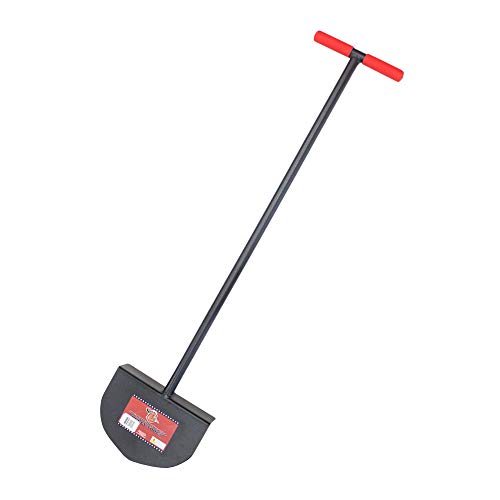
BULLY TOOLS 12-Gauge Manual Lawn Edger 38″

Root Slayer 22711 XL Serrated Garden Edger

Root Slayer 22611 Serrated Garden Edger

CKLT 2-in-1 Garden Hoe and Weed Puller

Byhagern Professional Edge Lawn Tool Saw-Tooth Blade

Radius Garden 25602 Pro-Lite Carbon Steel Edger
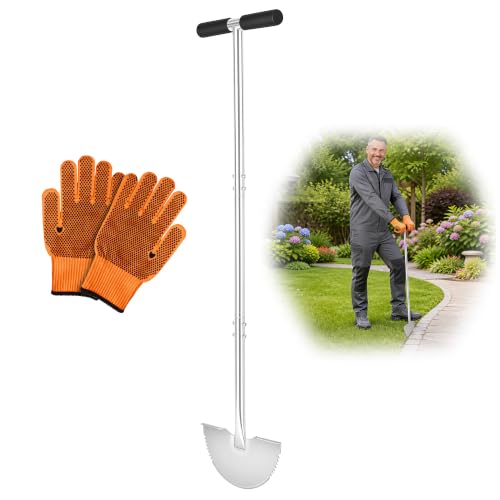
KYEEN-TOOLS Serrated Edger with T-Handle 38″

Oliynedy Manual Grass Edger 36″ Saw-Tooth

Walensee Wheel Rotary Edger 69.7″ Adjustable
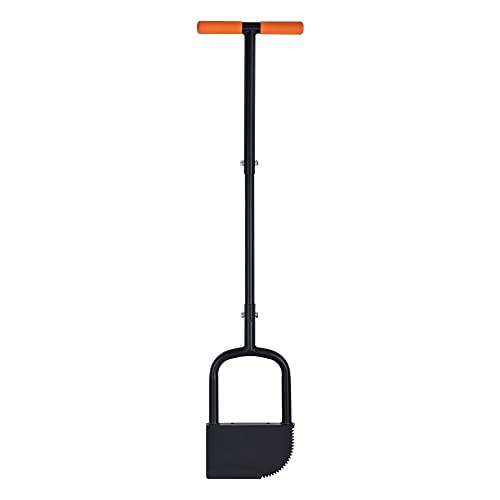
BARAYSTUS Height Adjustable Garden Edger Saw-Tooth
Taking A Closer Look At The Options
The BULLY TOOLS 12-gauge edger feels like landscaping equipment borrowed from a maintenance crew. The round shaft, T-style grip, and 38-inch reach give it a planted stance that lighter tools cannot match, and the 12-gauge steel blade takes a serious bite into packed soil. For homeowners with long sidewalk runs or commercial-style expectations, that weight becomes an asset rather than a burden.
What sets this apart from most half-moon designs is the sheer rigidity through the shaft. Where a thinner fiberglass tool can flex on hard ground, this one transfers foot pressure straight into the cut, which matters in clay-heavy yards. Compared with the Root Slayer 22611 covered below, the BULLY is heavier but sturdier for repetitive trenching.
Advantages To Know
- 12-gauge steel construction handles aggressive soil without flexing
- T-style grip supports two-handed leverage on tough cuts
- 38-inch length suits average-height users without excessive bending
- Suitable for sod cutting and shallow trenching beyond simple edging
Trade Offs
- Heavier than fiberglass alternatives, which can tire out smaller users
- Steel head may need occasional rust attention if stored outdoors
Who It Suits Best
Property owners with long borders, clay-heavy soil, or anyone wanting a commercial-grade feel rather than a lightweight homeowner tool.
Where Another Pick Suits Better
Switch to the Radius Garden 25602 Pro-Lite Carbon Steel Edger if you want a noticeably lighter tool for curved, irregular garden borders.
Root Slayer built the 22711 XL specifically for taller gardeners who would otherwise spend an afternoon hunched over a short shaft. The longer handle keeps your posture more upright, and the same serrated V-tip technology that made the original 22611 famous carries over here. In practice, this means a tall user finally gets full leverage without sliding a hand down the shaft for extra reach.
The blade shape, with its inverted V cutting tip and side teeth, slices through shallow roots that would deflect a flat half-moon. The 22711 sits next to the 22611 in Root Slayer’s lineup, so the choice comes down to height and price more than function.
Useful Highlights
- Extended shaft length reduces bending for taller users
- Serrated V-tip cuts through roots instead of bouncing off
- Same durable build as the standard 22611 model
Points To Keep In Mind
- Extra length can feel awkward for shorter gardeners
- Higher price than the standard-length Root Slayer 22611
- Requires reasonable storage space due to the long handle
Quick Facts
Made For
Gardeners over six feet tall who want a posture-friendly edger that still cuts through rooty beds.
Not Your Match When
Pick the Oliynedy Manual Grass Edger 36″ instead if a shorter, lighter tool is a better fit for your frame.
Among the manual edgers in this list, the Root Slayer 22611 stands out for one reason: it treats roots as something to cut through, not something to work around. The sharpened V-shaped tip pierces compacted ground, and the serrated teeth along the sides slice lateral roots that would normally deflect a smoother half-moon blade. For landscapers dealing with established beds and old turf lines, that cutting behavior changes the whole feel of edging day.
Compared with the KYEEN-TOOLS and Oliynedy half-moon options covered later, the 22611 has a more aggressive personality. You trade some of the clean, simple line of a flat blade for genuine root-handling capability. For most home gardeners, that’s a worthwhile trade.
The Upside
- V-shaped tip breaks through hardpan where flat blades stall
- Serrated side teeth slice roots rather than riding over them
- Carbon steel blade with powder-coated finish for corrosion resistance
- Resin-encased shaft adds rigidity without going full steel
Small Caveats
- More aggressive than needed for soft, root-free lawns
- Heavier than the basic half-moon designs on this list
Feature Snapshot
Best Suited To
Gardeners maintaining mature beds, rooty borders, or compacted clay soil where smoother blades tend to skip or bounce.
Skip It When
Choose the Walensee Wheel Rotary Edger if you would rather roll along a long driveway than push a blade into the ground every few inches.
The CKLT 2-in-1 steps outside the half-moon category entirely. Instead of a single edger blade, you get a trapezoid hoe on one side and a narrow rake on the other, mounted on a long one-piece handle. For gardeners whose edging work is really half weeding and half soil prep, this hybrid shape fills a gap that no standard edger covers.
It works as a garden edging tool, but it shines when you flip it around and use the hoe for breaking up weeds along a border. The 59-inch shaft keeps you upright while doing it. Where the Root Slayer 22611 is a specialist, the CKLT is a generalist with real capability in both directions.
Where It Helps
- Trapezoid hoe side slices through weeds and compacted topsoil
- Rake side pulls debris from joints and crevices
- 59-inch shaft reduces back strain during long sessions
- One tool replaces separate hoe and weeding rake
A Few Limitations
- Not designed for crisp, deep sidewalk edges
- Less precise than a dedicated half-moon edger for borders
Who Will Love This
Mixed-bed gardeners who want one long-handle tool for weeding, soil loosening, and light edging along informal borders.
Reach For A Different Pick When
Pick the Byhagern Professional Edge Lawn Tool if your priority is a clean, defined edge along a sidewalk rather than versatile weeding.
The Byhagern Professional Edge takes the classic half-moon shape and adds serious cutting teeth along the bottom of the blade. Those serrations bite into turf and roots rather than simply pushing them aside, so each step delivers a cleaner cut with less brute force. For homeowners who have wrestled with thick Kentucky bluegrass or stubborn perennial roots, that change matters more than it sounds.
The long handle and wide footplate support extended edging sessions without the lower-back fatigue that shorter tools cause. Pair those ergonomics with the aggressive blade and the Byhagern ends up in similar territory to the Root Slayer 22611, but with a more familiar half-moon silhouette.
Benefits That Matter
- Saw-tooth bottom edge cuts through dense turf and roots
- Wide footplate supports steady downward pressure
- Long handle keeps your back upright during use
- Non-slip grip stays secure with damp or gloved hands
Practical Considerations
- Serrated edge can grab rocks in gravel-edged beds
- Heavier than smooth-blade half-moon edgers
Key Product Details
Perfect Match For
Homeowners with thick, established turf who want a classic half-moon shape but with more cutting bite than a smooth blade offers.
Look Elsewhere When
Switch to the BULLY TOOLS 12-Gauge Manual Lawn Edger if you want a heavier, sturdier shaft for commercial-style trenching work.
The Radius Garden 25602 Pro-Lite takes a quieter approach than the serrated heavyweights in this lineup. It uses a traditional half-moon carbon steel blade on a lighter shaft, which makes it approachable for gardeners who want classic edging behavior without the weight of a commercial tool. Curved, irregular borders around planting beds are where this design pays off, since the simple blade shape follows gentle arcs naturally.
You may find the lighter build less satisfying in hard clay, where more aggressive tools like the Byhagern Professional Edge push through with less effort. For softer soils and frequent touch-ups, though, the Pro-Lite stays comfortable and easy to control.
What Stands Out
- Lightweight design reduces arm and shoulder fatigue
- Carbon steel blade holds an edge through regular use
- Half-moon profile handles curved borders gracefully
Things To Weigh
- Less effective in compacted or rocky soil than serrated blades
- Smaller blade may require more steps for long runs
Right Fit For
Gardeners with soft soil, curved flower bed borders, and a preference for lightweight, low-fuss tools.
Consider Something Else When
Pick the BARAYSTUS Height Adjustable Garden Edger if shared household use or rocky soil is part of your situation.
Comfort tends to be the deciding factor on long edging jobs, and the KYEEN-TOOLS Serrated Edger leans into that with a softer T-handle and a 38-inch shaft designed to keep you upright. The serrated steel blade adds real cutting power compared with a flat half-moon, and the wide footrest gives you a stable platform for stepping the blade into the ground.
It feels like a thoughtful middle ground between a basic homeowner edger and a heavy commercial tool. Where the BULLY TOOLS 12-Gauge is built like crew equipment, the KYEEN-TOOLS aims for repeat weekend use without wearing out your hands.
The Practical Payoff
- Softer T-handle reduces grip pressure during long sessions
- Serrated steel blade handles roots better than flat edges
- Wide footrest improves leverage and balance
- 38-inch length suits average-height users well
Worth Noting
- Rust-proof finish still benefits from dry storage
- Less suited to heavy clay than a thicker steel blade
Spec Overview
Built With In Mind
Homeowners who want a comfortable, mid-weight edger for regular weekend use on mixed turf and beds.
A Better Fit Elsewhere
Pick the Root Slayer 22611 Serrated Garden Edger if you want a more aggressive V-tip for digging through mature root systems.
The Oliynedy Lawn Edger is a sensible first step into manual edging. The 36-inch handle is short enough for shorter users to control comfortably, the padded T-grip stays friendly in the hands, and the saw-tooth half-moon cuts about four inches deep, which covers most sidewalk and border situations. For someone who has never used an edger before, that combination is hard to beat.
It does not aim for the heavy trenching of the BULLY TOOLS or the root-slashing aggression of the Root Slayer 22611. What it offers instead is a forgiving learning curve and clean results on typical lawn edges.
Real-World Strengths
- Padded T-grip feels secure without squeezing hard
- 36-inch length suits a wide range of user heights
- Saw-tooth edge handles typical turf and shallow roots
- Wide foot pedal supports confident stepping
Honest Caveats
- Not built for deep, repeated trenching
- Coating may show wear if stored outdoors long-term
Whose Shelf It Belongs On
First-time edger users and homeowners with smaller yards who want a manageable, friendly tool for regular touch-ups.
Another Choice May Suit
Pick the BARAYSTUS Height Adjustable Garden Edger if multiple household members of different heights will share the tool.
The Walensee Wheel Rotary Edger approaches the problem from a different angle. Instead of stepping a half-moon blade into the ground, you push a rolling wheel along the edge while serrated alloy steel blades do the cutting. The cushion grip and adjustable stainless steel handle keep the posture friendly, and the wheel does most of the positioning work for you.
It shines on long, relatively straight runs like a driveway border, where stepping a blade every few inches gets old fast. Compared with the half-moon options earlier in this list, it trades a bit of cutting depth for significantly less effort across long distances.
A Few Strong Suits
- Wheel design reduces repeated bending and stepping
- Adjustable handle adapts to different user heights
- Chrome-plated alloy steel blades resist rust
- Cushion grip stays comfortable during long passes
Where It May Fall Short
- Less effective on tight curves than a half-moon blade
- Mechanical connection may need occasional tightening
The Right Fit
Homeowners with long, mostly straight borders like driveways or paths who want a rolling tool instead of a stepping motion.
Swap It Out When
Pick the KYEEN-TOOLS Serrated Edger with T-Handle if your borders are short, curved, and best handled with a classic half-moon step.
The BARAYSTUS Height Adjustable Garden Edger solves a problem that fixed-length tools often ignore. With two height settings, 37 inches and 41 inches, it adapts to different users without compromising the cut. The half-moon saw-tooth blade covers about 7.9 inches per pass and pivots through a wide range of angles, which is helpful around curved beds or tricky corners.
It is a practical tool for households where more than one person does the edging, since the same handle works for different statures. The saw-tooth edge is also competitive with the Byhagern Professional Edge for cutting through thicker turf.
Useful Touches
- Two height settings (37″ and 41″) fit different users
- Soft non-slip T-handle reduces hand fatigue
- Half-moon blade combines smooth and serrated edges
- Wide 7.9-inch head covers more ground per pass
Soft Spots
- Adjustment mechanism may loosen with heavy use
- Not as heavy-duty as the BULLY TOOLS 12-Gauge option
Who Should Grab It
Households where two or more people share edging duty and need a tool that adjusts to their respective heights.
Where A Sibling Pick Shines
Pick the Root Slayer 22711 XL Serrated Garden Edger if the priority is a longer, fixed-length tool for a single tall user.
What To Weigh Before Choosing Your Next Edging Tool
Shaft Length and User Height
A shaft that is too short turns edging day into a back-pain afternoon, while a shaft that is too long makes control awkward for shorter users. Most half-moon edgers on the market fall in the 36 to 41 inch range, with the Root Slayer 22711 XL stretching further for tall gardeners. If your household has more than one person edging, a tool with adjustable height, like the BARAYSTUS, sidesteps the fit problem entirely. The honest read is that the right length is the one that lets you stand upright with a slight elbow bend, not the one that looks biggest on a spec sheet.
Blade Shape and Soil Type
Half-moon blades with smooth edges handle soft, well-maintained lawns with minimal effort, and serrated or V-tipped blades are better when soil is compacted or roots are in play. The Root Slayer 22611 and Byhagern Professional Edge both lean aggressive, while the Radius Garden 25602 Pro-Lite stays friendly on softer ground. Matching the blade to your soil saves a lot of effort and a few replacement tools over the years.
Drive Style: Step, Push, or Roll
Classic edgers are stepped into the ground with a foot, which gives clean depth but demands repeated knee and back motion. Wheeled edgers like the Walensee trade some depth for a smoother rolling action that suits long, mostly straight borders. Multi-use tools like the CKLT 2-in-1 step away from strict edging toward broader garden maintenance.
Smart Angles Before You Buy
Pitfalls Shoppers Hit
A common mistake is choosing the longest shaft available without considering control, which leaves shorter users fighting the tool. Another is buying a flat-blade half-moon for soil full of roots, then blaming the tool when it skips and bounces. Spec sheets that list only blade material miss handle ergonomics, which often decides whether a tool stays in the shed or in regular use.
Where The Extra Money Goes
Higher-tier manual edgers tend to spend the premium on blade steel, shaft stiffness, and grip comfort rather than on any mechanical advantage. Carbon steel blades with protective coatings hold an edge longer, resin-encased or steel-cored shafts transfer force without flexing, and ergonomically shaped grips protect your hands during long sessions. For most home gardeners, the upgrade is worth it once edging becomes a regular chore rather than a one-time project.
Frequently Asked Questions
What is the easiest garden edging tool for a beginner?
A short half-moon edger with a padded T-handle, like the Oliynedy 36-inch model, is the easiest starting point. It stays manageable, requires no fuel or batteries, and produces a clean edge with simple foot pressure.
Are serrated edger blades really better than smooth ones?
Serrated blades cut through roots and dense turf more effectively than smooth half-moon designs, but they are overkill on soft, root-free lawns. For typical home use with some roots in play, serrations are usually worth the small price premium.
How deep should an edging tool cut?
Most half-moon edgers cut between three and five inches deep, which is enough to define a visible border and discourage grass from creeping into the bed. Anything deeper usually belongs in a trenching project rather than routine edging.
Do wheeled rotary edgers work as well as step-on models?
Wheeled rotary edgers like the Walensee work well along long, mostly straight borders where the rolling motion saves effort. They are less precise on tight curves, where a step-on half-moon blade still does a better job.
How do I keep an edger from rusting?
Wipe the blade dry after use, store the tool in a shed or garage rather than leaning it outside, and apply a thin coat of oil on steel blades a few times per season. Powder-coated and chrome-plated blades resist rust longer but still benefit from dry storage.
Closing Remarks
The right garden edging tool is the one that matches your soil, your height, and the shape of your borders, not the one with the most aggressive-looking blade. If you maintain long, straight runs, a wheeled design saves your back. If you wrestle with roots, a serrated V-tip earns its place. Pick the profile that fits the yard you actually have, and the rest of the work gets a lot easier.
