

You planted the berries in spring and watched them vanish overnight. The next morning, hoof prints in the mulch, half-eaten tomatoes, and a row of trampled hostas. That’s the real reason people start searching for garden fencings for deer, and the honest answer is that deer fencing is less about one perfect product and more about matching the right barrier to your yard, your local herd, and how much fiddling you want to do each season.
This roundup covers both camps: rigid metal garden fence panels for small beds and decorative borders, and flexible polypropylene deer netting for larger perimeters. Heights run from 13 inches of edging-style protection all the way to 8-foot tall barriers, and materials range from rustproof coated steel to UV-treated plastic mesh. Pick the one that matches your situation, and the rest of the season gets a lot quieter.
How The Shortlist Stacks Up

OUSHENG Decorative Garden Fence 36in x 10ft
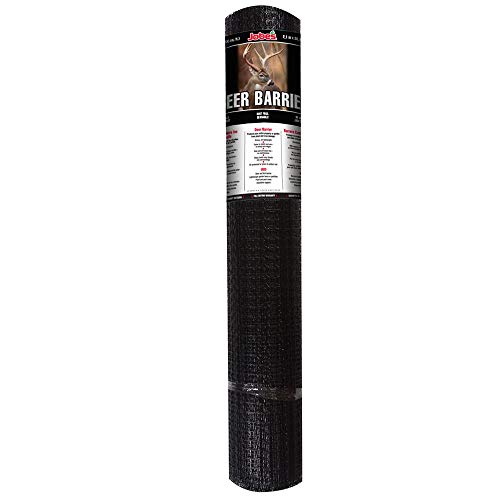
Jobe’s LG400171 Deer Barrier Fencing 7x100ft
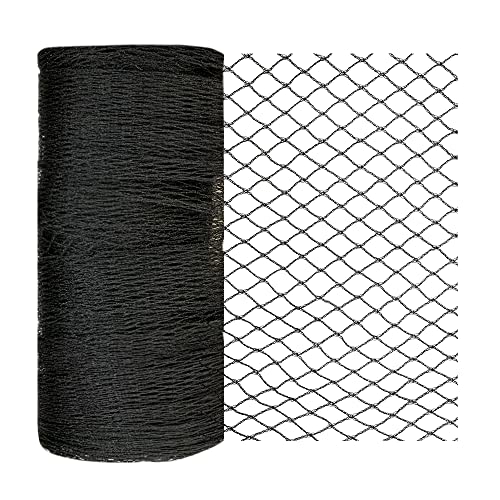
JUNKOGO Bird Netting 7.5x100ft 1/2in Mesh

TENAX Deer Netting 7x100ft Polypropylene

UWIOFF Garden Netting 7x100ft Green

Getlay Tall Garden Fence 40in with Gate

FEED GARDEN Deer Netting 7x100ft Kit

AVELOTUUG Animal Barrier Fence 45ft
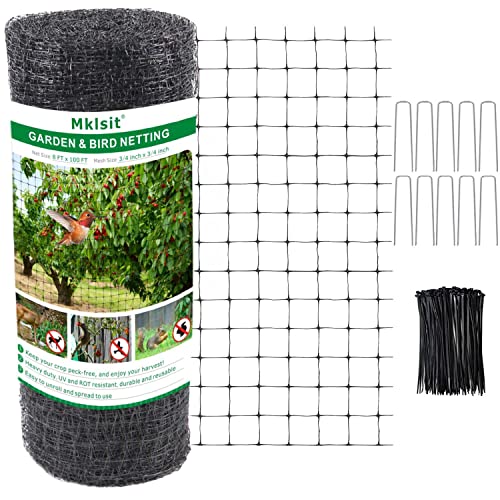
Mklsit Deer Netting 8x100ft Heavy Duty

ORIVOGAS Deer Fence Netting 6.5x50ft
The Details Behind The Selections
This panel set works as a visual border first and a light barrier second. The 36-inch height and 10.8-foot assembled length suit flower beds lining a front walkway or a small veggie patch where curb appeal matters as much as function. Compared to the heavier perimeter nets below, this is more about defining space and deterring smaller visitors than stopping a determined deer herd.
The arched silhouette is the part that draws the eye, and the panels click together with connecting rods that you push into the soil. You may find the height limiting in areas with deep snow, where drifts can shrink the effective barrier by six inches or more.
The Upside
- Arched metal design lifts the look of plain garden borders
- Ten panels connect into roughly 10.8 feet of coverage out of the box
- Rustproof coating handles damp flower beds without flaking
- No-dig setup keeps installation fast for weekend projects
Things To Consider
- 36 inches is short for areas with heavy deer pressure or snow load
- Panel feet may shift in loose, freshly turned soil
Made For
Homeowners wanting a decorative front-yard border that doubles as a low barrier for small pets and curious critters.
Where Another Pick Suits Better
For a true deer-height barrier, the Mklsit 8x100ft deer netting stands much taller and handles larger garden perimeters more confidently.
The Jobe’s 7-by-100-foot roll has been a go-to for backyard orchards and edible landscapes for years. The 7-foot height matters because most gardeners cite 6 feet as the minimum a deer will respect, and going higher buys you real margin. The black mesh recedes into hedgerows, which keeps the view from your kitchen window mostly intact.
It’s a flexible plastic net rather than a rigid panel, so you attach it to wooden stakes or existing trees. The lightweight build makes it easy to roll out solo, and you can fold it up at the end of the season. For most suburban lots, the 100-foot length covers a typical rectangular vegetable perimeter with a bit left over for a gate section.
Where It Delivers
- 7-foot height clears the threshold that deer typically won’t jump over
- UV treatment helps the material survive several seasons outdoors
- Lightweight roll handles easily without a helper
- Reusable design folds for compact off-season storage
Points To Note
- Stakes and ties are not included, so budget for them separately
- Plastic mesh can sag between widely spaced posts over time
Feature Snapshot
Whose Shelf It Belongs On
Backyard growers with a dedicated vegetable plot or small orchard who want a height-defensible barrier they can deploy once a year.
Skip It When
You’d rather not buy stakes and ties separately, in which case the FEED GARDEN 7x100ft kit ships with both ready to go.
Where the Jobe’s net above uses a wider mesh aimed at deer, this JUNKOGO roll tightens down to a half-inch weave. That finer opening is the difference between “deer deterrent” and “everything-but-bees deterrent,” which matters around ripening blueberries and strawberries where birds and squirrels take more than the deer do.
The 7.5-foot height gives you a touch more vertical reach than the Jobe’s, and the heavier woven construction feels more substantial when you pull it taut. Drape it over fruit cages or run it along a frame for the cleanest results.
Standout Benefits
- Half-inch mesh blocks small birds that slip past wider netting
- Heavy-duty woven build resists tearing during installation
- Lightweight roll keeps it manageable for a single person to hang
Worth Noting
- Finer mesh catches wind more than wide-mesh alternatives
- Best results require a frame or support structure to drape over
Right Fit For
Berry growers and home orchardists who need to stop smaller pests alongside deer without resorting to chemicals.
A Better Fit Elsewhere
For taller perimeter runs where deer are the main concern, the TENAX deer netting offers a 100-foot length at a similar height with easier draping.
Polypropylene is the workhorse plastic in this category, and TENAX leans into that with a foldable, rust-free roll aimed at seasonal protection. Unlike the rigid OUSHENG panels you read about earlier, this is a soft mesh you install and remove as the calendar demands. The black color keeps it visually quiet along a property line.
The 0.63-by-0.75-inch mesh size sits between the wider Jobe’s weave and the tighter JUNKOGO half-inch. You get decent exclusion for deer and rabbits while still letting air move through, which reduces wind stress on the posts.
Everyday Wins
- Folds flat for storage in a shed between growing seasons
- Plastic construction won’t rust, rot, or corrode like metal
- Mid-size mesh balances exclusion with airflow
Trade Offs
- Thinner strands can fray if snagged on rough bark or staples
- Posts and ties are sold separately
Key Product Details
Who Will Love This
Rural property owners with a stretch of garden to enclose and a willingness to set their own post spacing.
Look Elsewhere When
You want installation hardware in the box, which is what FEED GARDEN’s kit supplies with its 10 stakes and 50 ties.
The green tint is the tell here. UWIOFF trades the black blends of the Jobe’s and TENAX rolls for a green tone that disappears into leafy backdrops, which is helpful when the netting stays up during summer when the garden is in full show. You can cut the roll freely to wrap odd shapes like L-shaped beds or curved borders.
The 3/4-inch mesh matches what the FEED GARDEN kit uses below, so you get similar exclusion at a similar height. One practical note: in our view, the green tone shows dust and pollen more visibly than black, so cleaning is a real consideration over a long season.
Why It Works Well
- Green color blends with foliage for a softer visual profile
- Freely cuttable to match curved or angled bed shapes
- 3/4-inch mesh handles deer, birds, and small mammals
Honest Caveats
- Green shade shows dust and pollen more than black mesh
- Cutting to size means you’ll need a sharp utility knife on hand
Perfect Match For
Garden owners who prioritize a low-visual-impact barrier and have irregularly shaped beds that resist straight runs.
Another Choice May Suit
For a more kit-oriented install with stakes included, the FEED GARDEN deer netting bundle has a similar mesh with everything in one box.
Getlay goes rigid where most picks in this roundup go soft. The 40-inch modular metal panels with a built-in gate solve a specific problem: getting in and out of a fenced bed without unhooking a panel every time. The total length of 26.2 feet covers a medium raised bed or a defined vegetable area, and the deeper 8.5-inch ground stake gives the fence a real anchor in softer soils.
The 1.5-inch footing on each panel helps the structure resist tipping. The taller 40-inch height gives you more reach than the OUSHENG arched set, and the gate makes daily harvesting far less annoying.
Practical Pluses
- Built-in gate removes the hassle of lifting panels for access
- Deeper 8.5-inch ground stake improves wind resistance
- 40-inch height exceeds typical decorative garden fences
Softer Spots
- Heavier panels require two people to position comfortably
- Best suited for flat ground rather than sloped beds
Important Details
Who Should Grab It
Raised-bed gardeners who want rigid metal protection and a real gate for daily access without dismantling the fence.
Not Your Match When
You need to enclose a wide yard perimeter, in which case the AVELOTUUG 45-foot set provides more linear coverage at a lower profile.
Where the Jobe’s and TENAX rolls above leave you sourcing your own stakes and ties, FEED GARDEN ships the accessories with the netting. That 10 stakes-and-50-ties bundle is the difference between an afternoon project and a multi-trip hardware run, and it matters most for first-time installers who haven’t yet built up a stash of reusable supplies.
The 3/4-inch mesh matches what UWIOFF uses, and the 7-foot height mirrors the Jobe’s standard. UV protection is built in to stretch the material’s life across more than one growing season. You may find the included staples best suited to soft garden soil rather than hard clay.
Advantages To Know
- Stakes and zip ties included for same-day installation
- 3/4-inch mesh excludes deer, birds, and small mammals
- UV-protected material aimed at multi-season use
Points To Keep In Mind
- Included metal staples can bend in hard or rocky ground
- Bulkier shipping box takes more storage space
Built With In Mind
First-time deer fence installers who want everything needed in one shipment and don’t want to chase down accessories.
Reach For A Different Pick When
You already own a stockpile of stakes and ties from a previous project, in which case the lighter Jobe’s or TENAX rolls save on shipping weight.
At 45 feet in total assembled length with 32 panels, this AVELOTUUG set is the longest rigid border in the lineup. Where the OUSHENG set above gives you about 10 feet and Getlay gives 26 feet, this stretches past 40 to wrap a wide front bed or a long side yard without requiring a second box.
The 13-inch panel height keeps the profile low and decorative, which suits herb gardens and flower borders more than it suits hungry deer. The arched design and rustproof metal finish match the OUSHENG aesthetic, so you can mix the two systems if you already own one set and need to expand.
A Few Strong Suits
- 45-foot assembled length covers long borders in one box
- Arched metal design complements cottage-style gardens
- Rustproof finish handles damp conditions
Possible Compromises
- 13-inch height is decorative rather than a real deer barrier
- Thirty-two individual panels take time to align during setup
Right Fit For
Gardeners with extended flower borders who want a uniform look and care more about visual definition than deer exclusion.
Swap It Out When
Your main problem is actual deer browsing, since the Mklsit 8-foot deer netting offers real vertical reach where this set falls short.
Eight feet is the headline number here, and it changes the math. Where 7-foot nets are the standard recommendation, the extra foot covers situations where deer populations are dense, ground slopes downhill toward the fence, or you’re stacking snow on top. Mklsit also pushes the weight per foot higher than the Jobe’s and TENAX equivalents, so the net feels sturdier when you pull it taut.
The 3/4-inch square mesh keeps bees and other pollinators able to pass through, which matters for anyone growing flowering fruit or maintaining a pollinator garden nearby. UV-stabilized polypropylene should survive multiple seasons in the sun.
A Few Highlights
- 8-foot height exceeds the typical deer-jump threshold with margin
- 3/4-inch mesh allows pollinator access through the barrier
- UV-stabilized material targets multi-year service
Small Caveats
- Heavier weight per foot adds effort when hauling and hanging
- You still need to source stakes and ties separately
Specification Snapshot
Best Suited To
Property owners dealing with persistent deer pressure who want height margin beyond the standard 7-foot recommendation.
Where A Sibling Pick Shines
For a turnkey kit at similar height, the FEED GARDEN 7x100ft bundle includes installation hardware if you don’t want to source it.
ORIVOGAS focuses on the edges, and that’s the part of a deer net that fails first. The reinforced edges with integrated ropes reduce the unraveling that often shortens the useful life of lighter plastic mesh. The 55 gsm weight sits well above the Jobe’s and TENAX equivalents, which translates to better tear resistance when a branch scrapes or a curious animal leans in.
The 6.5-by-50-foot size is smaller than most rolls in this roundup, which is a real fit for tight yards or partial enclosures. The 5/8-inch mesh is the tightest weave in the list alongside JUNKOGO’s half-inch option.
What Stands Out
- Reinforced edges resist fraying at attachment points
- Heavier 55 gsm weight exceeds standard plastic mesh
- 5/8-inch mesh excludes birds and small mammals
Less Ideal Details
- 6.5-foot height falls short of the 7-foot standard
- 50-foot length covers smaller projects than 100-foot rolls
Who Should Grab It
Smaller-yard gardeners with a compact plot who want a heavier, more tear-resistant net than typical economy rolls.
Not Your Match When
You need to wrap a large orchard or estate garden, in which case the Jobe’s 100-foot roll at 7 feet is the more practical scale.
Choosing The Right Barrier For Your Yard
Start with height before anything else. Most gardeners cite 7 feet as the practical minimum for areas with active deer traffic, and going to 8 feet makes sense where the herd is dense or the ground slopes upward toward the fence. The rigid metal panels in this list, like the OUSHENG and Getlay sets, top out at 36 to 40 inches, which is enough to deter rabbits, dogs, and casual deer pressure but not a serious perimeter defense.
Material is the next fork in the road. Polypropylene mesh rolls, like the Jobe’s, TENAX, UWIOFF, FEED GARDEN, Mklsit, and ORIVOGAS picks, are lightweight, foldable, and aimed at seasonal use. Metal panel sets are heavier, more permanent-looking, and decorative. The trade-off is straightforward: mesh covers more ground per dollar, panels look better and hold shape longer.
Height And Material Tradeoffs
If your priority is a tall, foldable perimeter net, polypropylene wins. If your priority is a permanent-looking border around a defined bed, metal panels make more sense even at lower heights.
Mesh Size And Pest Pressure
Wider mesh (0.63 to 0.75 inches) is fine for deer and rabbits, but smaller berry-eating birds slip through. Tighter weaves around 1/2 to 5/8 inch, like the JUNKOGO and ORIVOGAS rolls, exclude more pests but catch more wind. Heavier gsm ratings translate to longer service life under sun and tension.
Installation Realities
A roll that ships with stakes and ties, like the FEED GARDEN kit, removes the extra shopping trip. A rigid panel set with a built-in gate, like the Getlay 40-inch, removes the daily access hassle. Budget for these conveniences if you want a smoother install, and expect a learning curve on the first panel-to-post connection.
Key Considerations Across These Picks
Where Shoppers Go Wrong
The most common error is underestimating deer height and ending up with a 4-foot fence they watch deer walk over without slowing down. Another is buying the widest mesh available without realizing that songbirds and squirrels will treat it as a free pass to your blueberries. Match the mesh to the smallest pest that actually visits your yard, not the largest one you’re worried about.
Where The Extra Money Goes
Higher-tier nets justify their cost through reinforced edges, heavier gsm weights, and built-in installation hardware. The ORIVOGAS 55 gsm net and the FEED GARDEN kit both spend money on durability and convenience that economy rolls skip. For most home gardeners with a small-to-medium plot, the upgrade pays back in fewer reinstalls and a longer service life across multiple seasons.
Frequently Asked Questions
How tall does a deer fence really need to be?
Most sources cite 7 feet as the practical minimum for areas with active deer traffic, and 8 feet is a common upgrade for high-pressure zones or sloped ground. Anything shorter works more as a visual deterrent than a true barrier, though rigid low panels can still stop rabbits and dogs from reaching tender plants.
Will plastic deer netting hold up to sun and weather?
UV-stabilized polypropylene is designed for multi-season outdoor exposure, but the lifespan varies by gsm weight and how much direct sun the netting sees. Heavier rolls like the ORIVOGAS 55 gsm and the Mklsit 8-foot net tend to last longer than economy options, and storing the net during the off-season extends its life further.
Can I install deer netting without a helper?
The mesh rolls in this list are all designed to be manageable solo, though an extra pair of hands speeds up taut installation across long runs. Rigid panel sets with deeper ground stakes, like the Getlay 40-inch, are heavier and benefit from a second person to hold panels level while you anchor them.
Do I need to bury the bottom of a deer fence?
Deer are less prone to digging under fences than rabbits or dogs, so a flush-to-ground install is usually enough for the picks in this roundup. Rigid panels with deeper ground stakes provide extra anchoring, while mesh rolls can be weighed down with landscape staples for additional security in soft soil.
What is the best time of year to install deer fencing?
Late winter to early spring, before new growth starts attracting browsing, is the most common window. That timing lets the barrier settle into place before deer develop their seasonal patterns around your garden, and it gives you a full growing season to test the install before the next winter.
Wrap Up
The right deer fence depends less on brand loyalty and more on what your yard actually needs: height for serious exclusion, mesh tightness for smaller pests, and installation hardware for an easier first run. Match the barrier to your local herd and the size of your plot, and the rest of the season gets a lot less frustrating.
