

A vegetable patch pulls a surprising amount of nutrition out of the soil every season, and most backyard plots simply can’t keep up on their own. Choosing the right fertilizer matters as much as choosing the right tomato variety, especially when your beds are feeding a family or a weekend cooking habit. The picks below cover a range of approaches, from gentle organic blends to fast-acting liquids, so you can match the formula to your soil, your crops, and how much fuss you want in your routine.
The Choices Worth Comparing

Espoma Organic Garden-Tone 3-4-4 Fertilizer (4 lb. Bag, Pack of 2)

True Organic Tomato & Vegetable Food with 6% Calcium (8 lb)

FoxFarm Happy Frog Tomato & Vegetable Fertilizer 5-7-3 (4 lb)
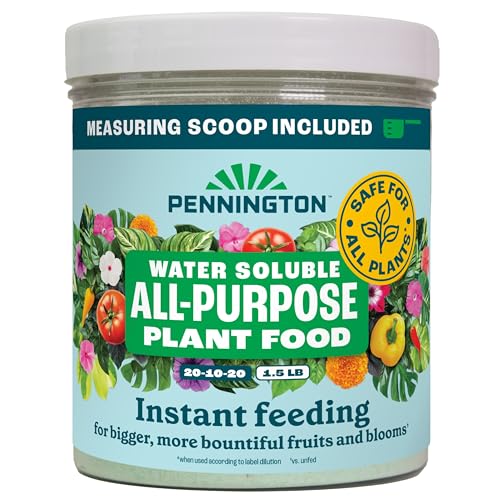
Pennington Water Soluble All Purpose Plant Food 20-10-20 (1.5 lb)

Miracle-Gro Organic Plant Food (32 fl. oz.)

Cz Garden Calcium Nitrate 15.5-0-0 Fertilizer (5 lb)
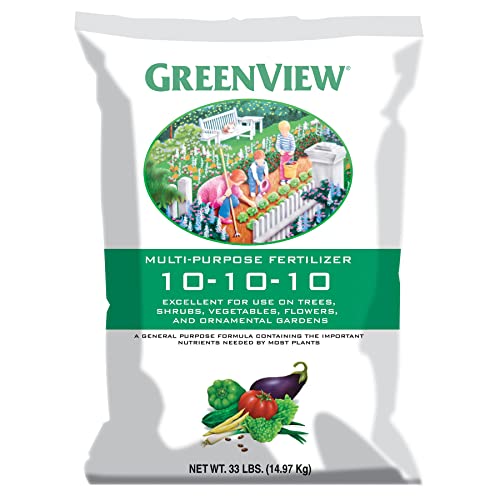
GreenView Multi-Purpose Fertilizer NPK 10-10-10 (33 lb)

Cz Garden 5-10-10 Tomato & Vegetable Fertilizer (4 lb)
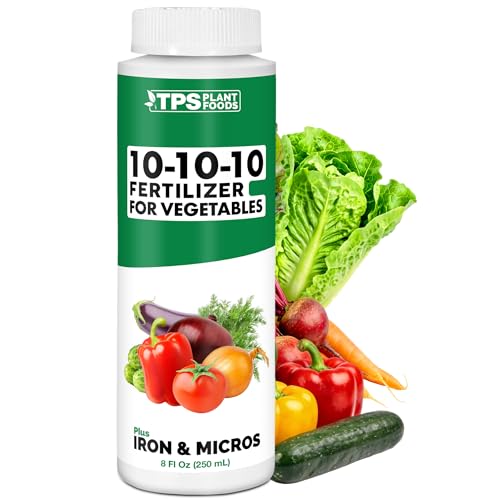
TPS Nutrients 10-10-10 Liquid Plant Food for Vegetables (8 oz)

The Old Farmer’s Almanac Tomato & Vegetable Plant Food Mini Spikes (24 ct)
A Breakdown Of The Leading Choices
Espoma’s Garden-Tone has been a go-to for organic backyard gardeners for years, and the 3-4-4 NPK (nitrogen-phosphorus-potassium) profile suits almost any vegetable you plant. The blend is built around natural ingredients with the brand’s Bio-tone additive, plus 5% calcium to support cell walls in fruiting crops.
For most home gardeners, this is the kind of bag you can work into nearly every bed without second-guessing. It spreads easily, smells earthy rather than chemical, and feeds slowly enough that you won’t burn tender seedlings. The two-bag pack covers a generous area, so you can top-dress multiple raised beds through the season.
Where It Helps
- Balanced 3-4-4 ratio supports both leafy growth and fruit set without overloading nitrogen
- Slow-release organic base means fewer applications across a long growing season
- 5% calcium content helps reduce blossom end rot risk in tomatoes and peppers
- Two-bag format offers good coverage for multiple raised beds
Trade Offs
- Granular form requires mixing into the top inch of soil rather than a quick liquid pour
- Bag storage needs to stay dry, since clumping can happen in humid sheds
Key Product Details
Whose Garden It Belongs On
Organic-focused home growers with mixed beds of greens, tomatoes, and peppers who want one product to handle most of the season.
Reach For A Different Pick When
You need a quick foliar green-up, in which case the Pennington Water Soluble 20-10-20 will get nutrients into leaves within hours.
True Organic takes a more focused approach than the Espoma blend, aiming its 4-5-6 formula squarely at fruiting crops that need potassium to ripen properly. The 6% calcium is generous, and about 3% of the nitrogen is slow-release, which keeps the feed steady through the heat of summer.
The 8 lb bag covers roughly 140 square feet, which fits a typical backyard plot of tomatoes, squash, and peppers without much leftover. Gardeners who have dealt with blossom end rot in past seasons will appreciate the elevated calcium content, and the organic certification aligns with OMRI-listed (Organic Materials Review Institute) standards for edible gardens.
Positive Takeaways
- Higher potassium (6%) supports fruit ripening in tomatoes and peppers
- Slow-release nitrogen keeps feeding consistent without leaching fast
- Generous calcium helps prevent the black-bottomed fruit that frustrates tomato growers
Honest Caveats
- Coverage is modest, so larger plots may need multiple bags per season
- Granular texture means it benefits from a watering-in step after spreading
Made For
Tomato and pepper growers who have hit blossom end rot before and want an organic feed with extra calcium built in.
Look Elsewhere When
You want a lighter everyday feed for leafy crops, in which case the Espoma Garden-Tone offers a more balanced 3-4-4 ratio.
Happy Frog is the most aggressive fruiting blend in this roundup, with a 5-7-3 ratio that pushes phosphorus (the middle number) for root development and flower production. The brand adds mycorrhizal fungi, which are beneficial soil microbes that form a symbiotic relationship with plant roots, helping them reach more water and nutrients. Calcium is included to support fruit integrity.
This formula is built for what FoxFarm calls “vigorous feeders”: tomatoes, squash, corn, and berries. Gardeners with depleted soil or heavy clay often see noticeable results the first season, because the microbial life gives roots a running start. In side-by-side comparisons, this is the pick to reach for when fruiting matters more than leafy growth.
What Pays Off
- Phosphorus-forward ratio (7%) drives strong flower and fruit set
- Mycorrhizal fungi inoculant supports root efficiency from transplant day
- Added calcium addresses the most common tomato frustration before it starts
Worth Noting
- Higher nutrient density can overwhelm seedlings, so wait until plants are established
- 4 lb bag covers fewer square feet than the GreenView 10-10-10 option
Feature Snapshot
Who It Suits Best
Gardeners growing tomatoes, peppers, or berries in tired soil who want a microbial boost alongside mineral nutrition.
Swap It Out When
You mainly grow leafy greens, where the Cz Garden 5-10-10 or GreenView 10-10-10 will deliver balanced nutrition without pushing flowering.
Pennington’s 20-10-20 is a fast-release, water-soluble powder that dissolves into a watering can for immediate plant uptake. The balanced 20-10-20 ratio leans toward vegetative growth, which is helpful when seedlings look pale or when you want a quick green-up midseason.
The included measuring scoop simplifies mixing, removing the guesswork that often comes with concentrated feeds. For gardeners who prefer liquid feeding over granular, this is a versatile option that works on vegetables, flowers, and container plants alike. In the lineup, it serves a different role than the organic granulars above: speed over slow release.
What Works In Its Favor
- Fast-release nitrogen shows visible results within days, useful for rescue feeding
- Water-soluble form allows foliar application, where leaves absorb nutrients directly
- Built-in measuring scoop keeps mixing ratios consistent
Things To Consider
- Requires mixing before every application, which adds a step to the routine
- Higher salt content means over-application can stress plants in dry weather
Right Fit For
Vegetable gardeners who want a quick corrective feed for yellowing leaves or a midseason boost without waiting weeks for granular to break down.
Consider Something Else When
You prefer a one-and-done granular that you can apply once a month, in which case the GreenView 10-10-10 fits a lower-maintenance routine.
Miracle-Gro’s organic liquid is built from 94% plant-based ingredients and carries OMRI listing for organic use. The 32 oz bottle is ready to dilute, making it a good fit for container herbs, patio tomato pots, and small kitchen gardens where you want organic compliance without mixing dry powders.
This product threads the needle between convenience and organic principles, something the granular options in this roundup don’t always do. The liquid form means nutrients are immediately available, and the brand’s broad recognition adds a layer of confidence for newer gardeners.
What Stands Out
- Plant-based formula fits organic gardening requirements
- Liquid form allows precise feeding of container plants and herbs
- OMRI listing provides third-party verification of organic claims
Small Caveats
- Smaller volume means refilling more often for larger vegetable plots
- Liquid nutrients leach faster from containers, so expect more frequent feedings
Who Will Love This
Patio and container gardeners growing herbs, peppers, or compact tomato varieties who want organic compliance and easy mixing.
Where Another Pick Shines
You maintain a full backyard plot, in which case the GreenView 10-10-10 in a 33 lb bag offers far better coverage per dollar.
Cz Garden’s calcium nitrate is a specialty product, not a general feed. The 15.5-0-0 ratio delivers nitrogen and calcium together, with zero phosphorus or potassium, which makes it a supplement to layer onto an existing feeding program rather than a stand-alone solution.
Growers dealing with blossom end rot on tomatoes (the dark sunken spot on the fruit’s base) or tip burn on lettuce often reach for this kind of product. The water-soluble form dissolves cleanly for hydroponic systems or foliar sprays, and the greenhouse-grade purity means fewer impurities than cheaper agricultural-grade alternatives.
Strong Points
- High-purity, water-soluble formula works in hydroponic and soil setups
- Delivers calcium and nitrogen simultaneously for fast correction
- Made in the USA with strict quality control
Practical Considerations
- Zero phosphorus and potassium means it cannot stand alone as a complete feed
- Over-application raises soil salinity, so careful measurement matters
Best Suited To
Experienced gardeners with a known calcium deficiency or recurring blossom end rot who want a targeted supplement rather than a complete fertilizer.
Not Your Match When
You’re starting fresh and need a complete, balanced feed, in which case the True Organic Tomato & Vegetable Food covers all three macronutrients.
GreenView’s 10-10-10 is the bulk option in this list, with a 33 lb bag covering roughly 3,300 square feet. The equal-parts nitrogen, phosphorus, and potassium ratio is a classic general-purpose profile that works across vegetables, flowers, shrubs, and ornamentals.
For gardeners managing a large plot or multiple beds, the per-pound economics make this a practical staple. You may find that a single spring application and a midseason touch-up covers the whole growing season, which is a time savings worth weighing against the upfront volume.
Noteworthy Benefits
- Equal NPK ratio suits mixed plantings without crop-specific tuning
- 33 lb bag covers large plots at a favorable cost per square foot
- One-size-fits-all approach simplifies multi-bed management
Points To Note
- Synthetic formulation may not align with organic gardening preferences
- Large bag requires dry storage space to prevent caking over time
Feature Card
Who Should Grab It
Home growers with sizeable backyard plots who want one product to feed vegetables, flowers, and shrubs without juggling multiple bags.
Where A Sibling Pick Shines
You keep a small patio garden, where the 8 oz TPS Nutrients liquid concentrate is easier to store and apply.
Cz Garden’s 5-10-10 is a low-nitrogen, high-phosphorus and potassium blend, designed for established plants that are past the leafy growth stage and shifting into flowering. The formula includes 2% iron plus additional micronutrients, which can help with chlorophyll production in alkaline soils where iron gets locked up.
The resealable heavy-duty pouch is a practical touch, since the rest of the bag stays fresh between feedings. Compared to FoxFarm’s Happy Frog, this is the lighter, more accessible option for gardeners who want similar fruiting support without the microbial premium.
Points In Its Favor
- Low nitrogen (5%) avoids the leafy overgrowth that delays fruiting
- 2% iron addresses yellowing leaves in high-pH soils
- Resealable pouch keeps the remaining product dry between applications
Things To Weigh
- Not designed for early-season vegetative growth, so seedlings need a different feed first
- Smaller micronutrient profile compared to the FoxFarm blend with microbial inoculant
Built With In Mind
Mid-to-late season gardeners with flowering tomatoes, peppers, or flowers who want a fruiting-stage feed with iron support.
Skip It When
You’re starting transplants and need phosphorus for root establishment, in which case the Espoma Garden-Tone 3-4-4 covers the early stage better.
TPS Nutrients offers a compact 8 oz bottle of balanced 10-10-10 liquid fertilizer, designed for steady feeding through the season without overstimulating growth. The equal macronutrient ratio is gentle enough to use on a regular schedule, which is helpful for new gardeners who aren’t yet confident about stage-specific feeding.
The small bottle size makes this the most apartment-friendly option in the roundup, slipping into a kitchen drawer or under a sink with no bulk storage to manage. It’s a good starter for anyone moving from houseplants into their first vegetable garden.
Advantages To Know
- Balanced 10-10-10 ratio works across most vegetables without crop-specific tuning
- Liquid concentrate format mixes quickly into watering cans
- 8 oz bottle fits small storage spaces and apartment kitchens
Points To Keep In Mind
- Small volume runs out quickly for any plot larger than a few containers
- Lacks the calcium content of dedicated tomato feeds like True Organic
Who It Suits Best
Beginner gardeners with a small herb garden or a handful of patio pots who want a simple, balanced feed they can use all season.
A Better Fit Elsewhere
You grow tomatoes specifically and want calcium built into the feed, in which case the True Organic Tomato & Vegetable Food addresses that need directly.
The Old Farmer’s Almanac mini spikes offer the easiest application method in this roundup. You push them into the soil near each plant, and they release a 6-4-6 feed gradually over time. The 24-count box suits a small raised bed or a row of tomato plants, and the “twice the size of standard spikes” claim means fewer replacements per plant.
For gardeners who forget to feed on schedule, or who simply don’t enjoy the measuring and mixing that granular or liquid feeds require, spikes remove nearly all the friction. The trade-off is less precise control over feeding intensity, but for steady maintenance, the convenience is hard to beat.
Good Reasons To Consider
- Push-into-soil application takes seconds per plant, no measuring required
- Slow-release format provides continuous feeding over weeks
- Compact box stores easily between seasons
Details To Watch
- Spikes concentrate nutrients in a small zone, so root spread can be uneven in larger plants
- 24-count box covers fewer plants than bulk granular options in this list
Perfect Match For
Busy gardeners with small raised beds or border plantings who want continuous feeding without remembering a schedule.
Look Elsewhere When
You maintain a large plot, where the GreenView 33 lb bag delivers far more coverage at a lower cost per application.
What Matters Most When Choosing Vegetable Fertilizers
Reading the NPK Label Without Overthinking It
The three numbers on every fertilizer bag represent the percentage of nitrogen (N), phosphorus (P), and potassium (K) by weight. Nitrogen drives leafy growth, phosphorus supports roots and flowers, and potassium governs fruit quality and overall vigor. Leafy greens like lettuce and spinach thrive on higher nitrogen, while fruiting crops like tomatoes and peppers need more phosphorus and potassium once flowering begins. A balanced 10-10-10 like the GreenView works across mixed plantings, while specialized formulas like the FoxFarm 5-7-3 or True Organic 4-5-6 target specific growth stages.
Matching Form to Your Routine
Granular feeds like Espoma and GreenView need a single application worked into the topsoil, then they release slowly. Liquids like Pennington and Miracle-Gro Organic mix into a watering can for faster uptake but require more frequent use. Spikes like the Old Farmer’s Almanac are the lowest-effort option, with the trade-off of less precise placement. The honest read is that the best form is the one you’ll actually apply on schedule.
Organic Versus Synthetic Considerations
Organic feeds rely on natural ingredients that build soil biology over time but release nutrients more slowly. Synthetic options like the Pennington and GreenView deliver faster, more predictable results but don’t contribute to long-term soil health. For edible gardens, the choice often comes down to philosophy and patience, since organic feeds typically show their full effect across a season or two rather than within weeks.
Coverage and Storage Realities
Bag size matters more than most shoppers expect. A 33 lb bag of GreenView covers a large plot but needs a dry corner of a garage. The 8 oz TPS Nutrients bottle fits under a kitchen sink but disappears fast on anything bigger than a container garden. Match the package to your storage space and plot size, and you’ll avoid waste from clumping or running out midseason.
Key Considerations Across These Picks
Wrong Turns To Avoid
A common slip-up is reaching for the highest-nitrogen fertilizer on the shelf because the leaves look pale. For fruiting crops, excess nitrogen produces lush foliage at the expense of the harvest you’re after. Another trap is assuming all “vegetable” fertilizers are interchangeable; a tomato-specific formula with extra calcium behaves very differently from a balanced 10-10-10 once fruit sets. Finally, skipping a soil test means you’re feeding blind; even a basic home test kit reveals pH and major nutrient levels, which can save you from over-applying the wrong thing.
What The Higher Tier Buys
Premium options like the True Organic and FoxFarm formulations cost more per pound for a reason. The added calcium, microbial inoculants, and organic certification reflect more complex sourcing and production. For gardeners with depleted soil or specific deficiency issues, those extras can shorten the time to a healthy harvest noticeably. The upgrade pays off most in the first one or two seasons of rebuilding a neglected plot, after which a standard balanced feed often suffices.
Frequently Asked Questions
How often should I fertilize my vegetable garden? Most granular feeds need a single application at planting and a midseason touch-up, while liquid feeds typically run every two to four weeks through the growing season.
Is organic fertilizer better than synthetic for vegetables? Organic feeds support soil biology and release slowly, while synthetic options work faster with more predictable results. Neither is universally better, and the right choice depends on your soil condition and patience level.
Can I use the same fertilizer for tomatoes and leafy greens? A balanced 10-10-10 works for both, but tomatoes benefit from extra phosphorus and potassium once flowering begins, while greens prefer higher nitrogen during leaf production.
What causes blossom end rot in tomatoes? Blossom end rot comes from inconsistent calcium uptake, usually triggered by irregular watering rather than a lack of calcium in the soil. Steady moisture and a calcium-fortified feed help prevent it.
Are fertilizer spikes as effective as granular or liquid feeds? Spikes work well for steady maintenance in small beds, but they deliver nutrients in a narrow zone. Granular and liquid feeds offer more uniform coverage for larger plots.
The Takeaway
Matching the right fertilizer to your crops, soil, and routine matters more than any single brand or formula. Granular organic feeds like Espoma and True Organic build long-term soil health, while liquids like Pennington and Miracle-Gro Organic offer quick corrections when plants need a boost. Specialty products like the Cz Garden calcium nitrate handle specific problems, and low-effort options like the Old Farmer’s Almanac spikes suit gardeners who’d rather not measure. Pick the format that fits your habits, and the rest tends to take care of itself across the season.
