

A good layer of mulch is one of the easiest ways to keep garden beds looking tidy through the heat of summer. It also slows evaporation, blocks weeds, and gives your soil a steady temperature to work with. Choosing among the many garden mulches on the market comes down to what you grow, how much ground you need to cover, and whether you want a material that feeds the soil as it breaks down.
A Side-By-Side Look

SuperMoss Coco Mulch 200 in³ (Natural Brown)

SuperMoss Orchid Potting Bark 4 Quarts (Natural)

Legigo 2 Pack Coco Chips 2.2 lb Coconut Husk Mix

HealthiStraw GardenStraw 3 cu ft All-Natural Mulch

Blue Mountain Hay Organic Garden Straw Mulch 5 lb

Blue Mountain Hay Organic Garden Straw Mulch 10 lb

Acostop Natural Dry Wheat Straw for Garden Mulch
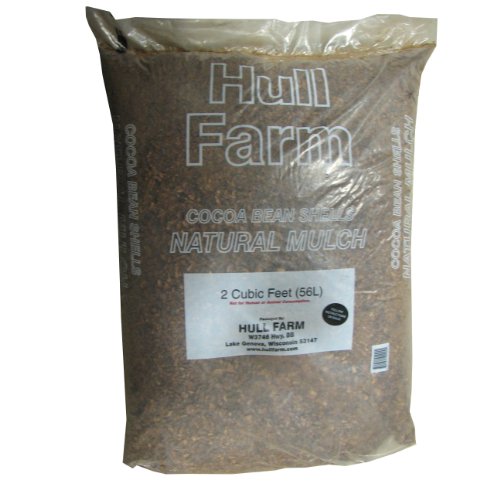
Hull Farm Cocoa Bean Shell Mulch 2 cu ft

Halatool 2 Pcs Coco Husk Chips 2.2 lb

EZ-Straw Seeding Mulch with Tackifier 2.5 cu ft
Small-scale gardeners working with a windowsill herb row or a few patio planters usually have nowhere to put a full bale of straw. The SuperMoss mini bale solves that problem by packing roughly 200 cubic inches of coconut-fiber mulch into a tidy brick that lifts easily and stores on a shelf. Unlike the larger straw options further down this list, this one hydrates and fluffs up fast, giving you a finished medium in minutes.
For most home growers, the appeal is convenience: less waste, faster setup, and a finished color that looks intentional in a decorative pot rather than rough around the edges.
Real-World Strengths
- Compact 0.12 cubic foot brick fits on a potting bench or in a closet.
- Coir fibers absorb and hold moisture well, cutting how often you top-water small pots.
- Neutral brown color blends with most planters and indoor setups.
- Lightweight enough to ship without a heavy shipping surcharge.
Things To Consider
- At 0.12 cubic feet, it covers a handful of pots rather than a real garden bed.
- The brick needs soaking before use, so plan a few minutes of prep time.
Who It Suits Best
Apartment gardeners and container cooks with a few houseplants and limited storage space will appreciate the small footprint.
Where Another Pick Suits Better
Anyone tending a full vegetable bed will get far more mileage from HealthiStraw GardenStraw, which ships as a 3 cu ft bale built for larger ground coverage.
Orchids are notoriously fussy about their root zone, and standard soil compacts too quickly for their liking. This bark is milled from Douglas-fir trees and graded into coarse chunks that let water drain through fast, mimicking the loose canopy litter orchids root into in the wild. Where the SuperMoss Coco Mulch above stays fine and damp, this bark dries back evenly and keeps air moving around the roots.
You may find the chunky texture odd at first if you usually pot in finer mixes, but that irregular surface is exactly what epiphytic orchids want.
Advantages To Know
- Natural Douglas-fir bark resists compaction longer than typical potting soil.
- Coarse grading promotes airflow, which cuts the risk of root rot in humid rooms.
- 4-quart bag covers a small orchid collection of roughly three to five medium pots.
- pH balance suits the slightly acidic range most orchids prefer.
Trade Offs
- Bark breaks down every couple of years, so repotting is part of the deal.
- Loose texture means top-heavy orchids may need a heavier decorative cachepot for stability.
Key Specs
Made For
Collectors growing phalaenopsis, cattleya, and other epiphytic orchids will get a purpose-built medium instead of improvising with generic soil.
Consider Something Else When
Vegetable gardeners looking for surface mulch should consider Halatool Coco Husk Chips, which delivers a similar coarse texture in a multi-purpose form for mixed beds.
Coco chips walk the line between the fine fiber in SuperMoss Coco Mulch and the bark in SuperMoss Orchid Potting Bark. The result is a chunky yet absorbent medium that works above the soil as mulch or below as a mix-in. Legigo ships two bricks totaling 2.2 pounds, so you have flexibility to top-dress a few containers and still start seeds in trays.
For most home growers, the appeal is having one product that handles multiple jobs without stocking three separate bags.
Features That Help
- Two-brick pack covers both seed-starting trays and potted plants.
- Coconut husk chips hold moisture while still letting air reach roots.
- Screened and rinsed to reduce salt residue that can stress young plants.
- Breaks down slowly, so a top-dress lasts through a full growing season.
Worth Noting
- Bricks require soaking, which adds a step compared to ready-to-spread straw mulch.
- Some growers find the chip size too coarse for very small seed-start cells.
Right Fit For
Hobbyists juggling orchids, herbs, and a small vegetable patch on a balcony will value the flexibility of one medium that does several jobs.
Skip It When
Anyone seeding a fresh lawn should reach for EZ-Straw Seeding Mulch with Tackifier, which is engineered specifically to hold seed in place during germination.
When garden beds stretch past a few square feet, mini bales and chip packs run out fast. HealthiStraw ships a 3 cu ft, 20-pound bale of wheat straw that has been cleaned to reduce dust and stray seed. The 3 cu ft format lines up with what most weekend gardeners can spread and refresh in a single afternoon without feeling overwhelmed.
For most vegetable beds, this straw handles the full mulching cycle from spring through early fall without needing a second product.
Points In Its Favor
- Generous 3 cu ft size covers a full vegetable bed or several smaller plots.
- Cleaning process reduces weed seed and dust, leaving a tidier top-dress.
- Breaks down into the soil, adding carbon to compost piles over the season.
- Helps soil retain moisture and stay cool during hot summer stretches.
Minor Gripes
- Loose straw can drift in exposed, windy beds unless you wet it down after spreading.
- Refresh mid-season in zones with heavy rain, since the layer compacts and thins.
Key Specs
Who Will Love This
Backyard vegetable growers with multiple raised beds will find the 3 cu ft size matches a single seasonal refresh without leftover waste.
A Better Fit Elsewhere
Front-yard landscapers focused on curb appeal should consider Hull Farm Cocoa Bean Shell Mulch, which trades the rustic straw look for a richer, darker color that pops against greenery.
Not every yard needs a 3 cu ft bale. The 5-pound Blue Mountain Hay bale is sized for a single raised bed, a small herb garden, or a quick repair around a freshly planted shrub. Where HealthiStraw goes broad, this one stays small and approachable, which is helpful if you are hauling it from a car to a backyard on foot.
For most new gardeners, the smaller package is easier to finish before the straw starts to age and lose its bright color.
A Strong Showing
- 5-pound bale is easy to carry and store in a garage corner.
- Organic straw suits vegetable and herb beds without chemical residue concerns.
- Works as a top-dress, a grass-seed cover, or a light compost layer.
Room For Improvement
- Coverage runs out quickly on anything larger than one small raised bed.
- Straw color fades in the sun over a few weeks of exposure.
Best Suited To
First-time mulchers with a single small bed will find the size manageable and the price approachable.
Not Your Match When
Homeowners with multiple beds or a long front border will get better value from the 10-pound Blue Mountain Hay bale, which spreads further per dollar.
The 10-pound version of Blue Mountain Hay doubles the coverage of the 5-pound sibling and gives a family-sized garden room to breathe. If you manage a couple of raised beds, a small orchard, and a flower border, this is the size that lands in the right zone between mini bales and the heavier 20-pound HealthiStraw option.
You may find the loose straw easier to handle than wood chips, especially if you mulch around perennials that need refreshing every spring.
Useful Strengths
- 10-pound bag spreads across two or three average raised beds.
- Organic composition keeps vegetable and herb gardens chemical-free.
- Shredded texture breaks down faster than longer straw, feeding soil within a season.
Points To Note
- Still smaller than competitors offering 2.5 to 3 cu ft coverage.
- Loose texture can scatter on sloped beds unless you anchor it.
Feature Snapshot
Perfect Match For
Families managing a few raised beds and a flower border together will appreciate the mid-size package that handles both without leftovers.
Reach For A Different Pick When
Lawn repair specialists seeding a bare patch will benefit more from EZ-Straw Seeding Mulch with Tackifier, which is treated to resist washout.
Pet owners and people maintaining outdoor shelters need mulch that will not introduce chemicals into spaces animals walk through. Acostop uses sun-dried wheat straw without added treatments, and the dry texture makes it useful as ground cover in dog runs, around coops, and inside feral cat shelters during cooler months. The straw still functions as garden mulch when spring arrives.
You may find the sun-drying process leaves a rougher, more rustic look than the cleaned Blue Mountain Hay options, which matters more in decorative beds than in functional spaces.
Bright Spots
- Untreated wheat straw is safer around pets and outdoor animals.
- Doubles as shelter bedding and seasonal garden mulch in one bag.
- Sun-drying helps the straw stay light and easy to spread by hand.
Softer Spots
- Loose stalks scatter more than compressed bale straw on open ground.
- Less uniform in color and length than the cleaned straw options above.
Who Should Grab It
Households with dogs, backyard chickens, or community cat shelters will get a versatile straw that does double duty across the property.
Another Choice May Suit
Vegetable gardeners focused purely on a clean food bed should consider HealthiStraw GardenStraw, which goes through a more thorough cleaning process.
If the goal is a front bed that looks finished, cocoa shell mulch stands out from the straw crowd. The shells have a deep brown color and a faintly sweet, chocolate-like aroma when first spread. Beyond looks, they carry a mild nutrient content that breaks down into the soil over time, so the mulch does a small amount of feeding as it ages.
For most homeowners, the visual upgrade is the main reason to reach for shells rather than straw, especially around entryway plantings.
Everyday Wins
- Rich dark brown color creates strong contrast against green foliage.
- 2 cu ft bag covers a typical front-yard bed in one pass.
- Light nutrient profile feeds soil gradually without burning plants.
- Shells compact nicely, so they stay in place better than loose straw.
A Few Limitations
- Cocoa shells are toxic to dogs if eaten, so this is not the right pick for pet-accessible beds.
- Can develop surface mold in damp, shaded spots during wet weather.
Quick Facts
Built With In Mind
Homeowners focused on curb appeal and entryway plantings will value the polished color more than the soft, rustic look of straw mulch.
Look Elsewhere When
Households with curious dogs should reach for Acostop wheat straw or another untreated option, since cocoa shells can cause problems if chewed.
For a first-time mulcher, the hardest part is often figuring out how much to buy and how to prepare it. Halatool ships two compressed bricks weighing about 1.1 pounds each, with a stated expansion up to 7 quarts per brick once soaked. That ratio gives a beginner a clear sense of yield before the bag is even open.
For most people just starting out with container beds, the math is straightforward: soak, drain, and spread.
Useful Touches
- Two-brick pack yields a known amount of finished mulch after soaking.
- Compressed form saves shelf space until you are ready to use it.
- pH-balanced and low-EC, so young plants are not stressed on contact.
Potential Drawbacks
- Requires soaking and draining, so it is not a grab-and-spread option like straw.
- Coverage is modest compared to the larger straw bales in this roundup.
Feature Card
The Right Fit
Beginners building their first container garden will appreciate a forgiving medium with predictable volume and a clean pH balance.
Swap It Out When
Backyard vegetable growers needing broad coverage will find the SuperMoss Coco Mulch 200 in³ too small and should jump up to HealthiStraw GardenStraw for a bed-scale application.
Spreading straw over freshly seeded lawn is a common technique, but loose straw has a habit of migrating into driveways and garden beds the first time the wind picks up. EZ-Straw solves that with a tackifier, which is a biodegradable bonding agent that holds the straw together in a mat. The processed straw is cut twice for even application and packaged in a UV-protected bag you can leave outside between projects.
For most homeowners patching a bare patch or overseeding a thin lawn, this is the most specialized option in the roundup.
Everyday Perks
- Tackifier holds straw in place during rain and wind, protecting fresh seed.
- 2.5 cu ft bale covers up to 500 square feet of overseeding.
- Safe for pets and children, so no special precautions after application.
- Biodegradable bonding agent breaks down naturally as grass establishes.
Honest Caveats
- Single-purpose product, not a general garden bed mulch.
- Heavier than loose straw because of the bonding treatment.
Whose Shelf It Belongs On
Homeowners overseeding cool-season lawns in early fall or repairing bare patches after summer stress will get the most out of this specialized bale.
Where A Sibling Pick Shines
Vegetable bed mulchers should consider Blue Mountain Hay Organic Garden Straw Mulch, which is sized and priced for ongoing food garden refresh rather than one-time lawn repair.
## What Matters Most Before Choosing Garden Mulches ### Match the Mulch to the Job A mulch that shines on a front-yard shrub bed may be the wrong pick for an orchid pot, so the first decision is what you are actually covering. Coarse bark and coco chips suit containers and epiphytic plants that need airflow. Straw suits vegetable and flower beds where moisture retention and a clean top-dress matter. Cocoa shell mulch fits decorative beds where appearance carries the day. ### Think About Coverage, Weight, and Storage Bigger bales go further per dollar, but they also need somewhere to sit between uses. HealthiStraw and Blue Mountain Hay both ship in sizes that assume you have a garage corner or shed shelf ready. Compressed bricks like the Halatool and Legigo options collapse into a small footprint until you soak them, which is a real advantage for apartment storage. The right size depends on how much ground you cover in a single session and whether you can lift a 20-pound bale comfortably. ### Balance Look, Lifespan, and Pet Safety Cocoa shell mulch looks polished but introduces risks around dogs. Wheat straw looks rustic, breaks down faster, and reads as neutral to most visitors. Coco chips fall in the middle, with a coarse texture that suits modern container designs. Lifespan matters too, since straw typically needs refreshing within a season while bark and cocoa shells hold their color through summer and into fall. ## Key Considerations Across These Picks ### Pitfalls Shoppers Hit Underestimating coverage is the most common mistake, since straw bales settle once spread and look thinner than expected after a few days. Buying the smallest size to save money often backfires when one bed eats the whole bag and the next bed is still bare. Forgetting to anchor loose straw on a windy slope leads to a surprising amount ending up in the lawn. ### When Paying More Pays Off Higher-tier mulches tend to offer better cleaning, more uniform texture, or specialty features like the tackifier in EZ-Straw. The premium usually pays off when you want a polished look, a specific function like seed protection, or simply less dust and debris in the bag. For routine vegetable beds, a clean mid-range straw gives plenty of performance without the extra cost.