

Raised beds give you a clean canvas: better drainage, fewer weeds, and soil you actually control. The trick is choosing a base mix that holds moisture without compacting, then layering in the right amendments so roots find air, food, and water in the right ratios. For most home gardeners, the difference between a productive bed and a soggy one comes down to what goes in on day one.
The picks below cover three jobs: filling new beds from scratch, refreshing existing ones between seasons, and topping them off for moisture and weed control. A few are coco coir blocks that ship light and expand on site. Others are bagged raised bed mixes with compost, worm castings, and biochar already blended in. One is a dry plant food, not a soil, but it pairs naturally with the others. Read for your bed size, your watering habits, and what you plan to grow, and the right choice tends to surface fast.
How The Shortlist Stacks Up

Miracle-Gro Organic Indoor Potting Mix, 16 qt.

Miracle-Gro Raised Bed Plant Food, 2 lbs.

Miracle-Gro Moisture Control Potting Mix 16 qt. 2-Pack
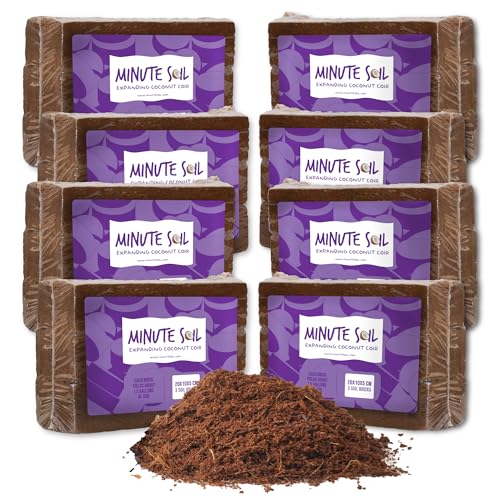
Minute Soil Eco-Friendly Coco Brick 24 Pack (36 Gal Expanded)

MODELLOR Premium Washed Coco Coir Brick 10 lb (18 to 20 gal)
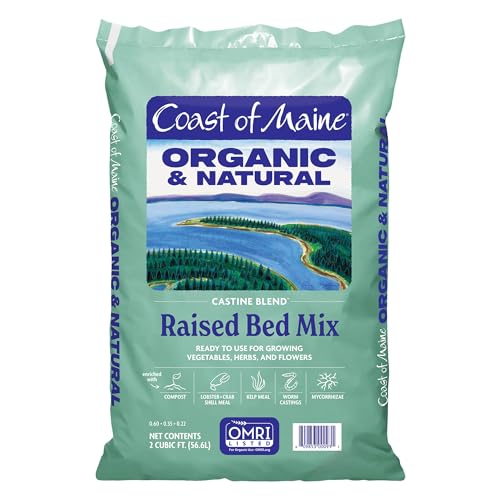
Coast of Maine Castine Blend Organic Soil (2 cu ft)

Michigan Peat Garden Magic Potting Soil Mix, 40 lb

Espoma Organic Vegetable & Flower Garden Soil (1 cu ft, 2-Pack)

Espoma Organic Raised Bed Mix (1.5 cu ft)

Back to the Roots Organic Coconut Husk Mulch, 58 Quart Block
Why These Options Stand Out
This organic potting mix is built around three familiar workhorses: coir, sphagnum peat moss, and a quick-start natural fertilizer. In a small raised bed or a deep patio planter, that combination gives roots a forgiving medium that holds air even after a heavy soak. Coir (coconut husk fiber) keeps the texture loose and resists compaction, while peat moss (a partially decomposed bog material) buffers moisture between waterings.
For raised beds sitting on a sunny patio, where containers dry out fast, the moisture-buffering ingredients earn their keep. It is a sensible pick when you want a tidy, ready-to-use bag without hauling a full cubic foot of dense mix.
Notable Gains
- Coir and peat moss together hold moisture while resisting compaction, so roots find air pockets long after planting.
- Quick-start natural fertilizer gives seedlings a small push without forcing a separate feeding step on day one.
- 16-quart bag fits a single small bed, a cluster of planters, or a top-up between seasons without leftover waste.
- Lightweight texture suits urban patios where weight on a balcony matters more than bulk.
Things To Consider
- The 16-quart volume runs out quickly on anything bigger than a 4×4 bed, so plan on multiple bags or a larger format for full builds.
- Quick-start fertilizer runs out in weeks, so a mid-season feed like the Miracle-Gro Raised Bed Plant Food pairs well.
Feature Snapshot
Who It Suits Best
Patio gardeners and apartment growers with one or two small raised beds who want a tidy, organic bag they can pour in without mixing.
Look Elsewhere When
Builders filling a full-size 4×8 bed should consider Espoma Organic Raised Bed Mix for a purpose-built raised bed blend.
This is not a soil. It is a granular plant food formulated specifically for raised bed flowers, fruits, vegetables, and herbs, with added calcium and micronutrients. The point is to feed established beds where the original bagged mix has started to fade. Calcium helps cell wall development in fruiting crops, and the micronutrient blend covers trace elements that basic NPK (nitrogen, phosphorus, potassium) feeds leave behind.
It slots in as the second step after you have already filled your bed with one of the other mixes on this list. Treat it as a mid-season and shoulder-season supplement, not a substitute for soil itself.
Everyday Perks
- Formulated for raised beds, so the nutrient ratios are tuned for the way these beds dry and feed.
- Added calcium supports fruit and tomato crops where blossom-end rot is a recurring headache.
- Micronutrient mix reduces the chance of trace element gaps that show up later as yellowing leaves.
Points To Note
- It is a feed, not a soil, so you still need a base mix underneath; using it alone will not fill a bed.
- Granular feed needs watering in to release nutrients, so dry top-dressing without rain or irrigation can stall uptake.
- Reapplication every 4 to 6 weeks is commonly recommended for the active growing season.
Whose Shelf It Belongs On
Vegetable gardeners with established raised beds who already have a base mix and want a targeted mid-season feed.
Skip It When
Anyone building a new bed from scratch should start with Coast of Maine Castine Blend for a richer base and add this later as a top-up.
Where the organic mix on this list leans on coir and peat, this one adds a wetting agent to the AquaCoir formula, which the manufacturer states absorbs up to 33% more water than basic potting soil. A wetting agent is a surfactant, basically a soap-like additive that helps water spread into dry organic matter instead of running down the sides of the pot. That matters for raised beds that dry out unevenly in summer.
The two-pack gives 32 quarts total, enough for one substantial planter or a pair of mid-size beds. It is a practical answer to a familiar headache: soil that looks dry on top but stays dry all the way through because the particles have started to repel water.
A Few Strong Suits
- AquaCoir blend with wetting agent helps water penetrate dry, hydrophobic (water-repelling) organic matter.
- Feed included for up to 6 months, reducing early reapplication chores for new plantings.
- Two-pack format suits a single shopping trip for a medium bed build.
Worth Noting
- Heavier moisture retention can be a drawback in damp climates where the bed stays wet too long, raising rot risk for shallow-rooted crops.
- Not organic-certified, so gardeners sticking strictly to organic inputs may prefer Miracle-Gro Organic Indoor Potting Mix.
Made For
Growers in hot, dry summers who lose soil moisture fast and want a mix that holds water longer between waterings.
Consider Something Else When
Garden beds in shaded, humid yards stay wet long enough on their own; Espoma Organic Raised Bed Mix offers a more balanced moisture profile.
Twenty-four compressed coco coir bricks, OMRI-listed (meaning the Organic Materials Review Institute has reviewed it for organic use), expanding to 36 gallons once hydrated. Each brick is essentially dehydrated coir, a fibrous material made from coconut husks, that puffs up when you add water. The format solves the most common raised bed problem at scale: shipping heavy bagged soil. A few of these bricks stack in a closet, then become a wheelbarrow load of fluffy medium in under an hour.
The 24-pack suits a serious new build, a community garden plot, or a multi-bed expansion where the cost of bagged mix starts to sting. Coir is also peat-free, which matters for gardeners trying to reduce bog harvest impact.
The Practical Payoff
- 36 gallons expanded from a stackable, light shipment that is far easier to carry than 36 gallons of bagged soil.
- OMRI-listed coir suits organic gardening standards.
- Peat-free choice reduces reliance on peat bog harvesting.
- Loose, fluffy texture after expansion resists compaction in deeper beds.
Trade Offs
- Pure coir has almost no nutrients, so you will need to blend in compost or a feed like Miracle-Gro Raised Bed Plant Food for vegetables.
- Hydration takes time and a large container; plan on a tarp, a tub, or a wheelbarrow session before bed day.
Feature Rundown
Right Fit For
Builders filling more than one raised bed or refreshing a large plot who want a lightweight shipment and an organic-acceptable base.
A Better Fit Elsewhere
Single small-bed builders who want a one-bag solution will find Miracle-Gro Organic Indoor Potting Mix easier to handle than a 24-brick hydration project.
One 10-pound brick, triple-washed, low-salt, and pH-balanced, expanding to 18 to 20 gallons of fluffy coir. The triple wash is the differentiator. Raw coir can carry natural salts that stress seedlings; pre-washed coir skips the rinse step that otherwise eats up a weekend. The pH balance lands in a range most vegetables tolerate without immediate correction.
It is a sensible single-brick option when you want the lightness of a coir shipment but do not need the 36-gallon volume of a 24-pack. Hydrate in a wheelbarrow or a large tub and you have a clean base for seed starting mixes or a bed top-up.
What It Does Well
- Triple-washed and low-salt, so it is gentle on germinating seeds and tender herb roots.
- Single 10-pound brick expands to a workable 18 to 20 gallons without a storage commitment.
- pH-balanced out of the bag, so common vegetables and herbs settle in without an immediate amendment pass.
Soft Spots
- Like the Minute Soil 24-pack, this is essentially inert coir with no built-in nutrition, so compost or fertilizer must come along for the ride.
- One brick covers a single modest bed; a multi-bed build calls for multiple bricks or the larger Minute Soil pack.
Who Should Grab It
Seed starters and herb growers who want a clean, low-salt medium and do not need bulk-volume coir.
Reach For A Different Pick When
A full 4×8 raised bed build is the goal; Minute Soil Eco-Friendly Coco Brick 24 Pack covers the same medium at three times the volume.
A 2-cubic-foot ready-to-use raised bed mix built around worm castings, mycorrhizae (beneficial fungi that attach to roots and extend their reach), biochar (a charcoal-like soil amendment that holds air and water), green sand, kelp meal, and lobster and crab shell meal. The shellfish meal is a coastal touch, releasing chitin (a natural compound from crustacean shells) that supports soil biology over the season. Mycorrhizae and biochar together cover the long game: fungi extending the root network and porous charcoal improving drainage and aeration for years.
It is a premium pick, with a richer ingredient list than most bagged mixes, and a sensible choice when you are filling a bed for the first time and want biology already in the bag rather than something you have to build over seasons.
Positive Points
- Worm castings and biochar deliver organic matter plus long-term soil structure in one pour.
- Mycorrhizae included, which is uncommon in bagged raised bed mixes and gives transplants a head start.
- Lobster and crab shell meal feeds soil biology slowly through the season.
- Ready to use with no mixing or recipe tweaking required.
Room For Improvement
- Premium ingredient list comes at a higher per-cubic-foot cost than general-purpose bagged mixes.
- 2 cubic feet is enough for one modest bed or a major top-up, so larger builds require multiple bags.
Feature Card
Best Suited To
Edible gardeners filling a vegetable or herb bed who want a premium, biology-rich mix on day one rather than building soil over seasons.
Swap It Out When
Budget-focused builders filling several large beds will get more volume per dollar with Michigan Peat Garden Magic as a base, supplemented by compost and a feed.
A 40-pound general-purpose potting mix marketed for indoor and outdoor use, including flower pots, raised garden beds, and other planters. The brand name “Garden Magic” sets expectations for an everyman blend, and that is essentially what you get: a balanced, versatile base that works across vegetables, herbs, flowers, and houseplants without specialty ingredients.
For raised beds, it lands as a budget-friendly base that you can enrich with compost or a feed like Miracle-Gro Raised Bed Plant Food. Where the premium blends on this list pre-mix in worm castings and biochar, this one is the canvas you build on.
Real Benefits
- 40-pound bag covers a meaningful bed area at a lower per-pound cost than specialty blends.
- Versatile enough for raised beds, planters, and indoor pots, so a single bag can serve multiple spots.
- General-purpose profile plays well with most vegetables, herbs, and flowers.
Honest Caveats
- Lacks the biochar, mycorrhizae, and worm castings that come pre-mixed in premium options like Coast of Maine Castine Blend.
- 40-pound bag is heavy to haul upstairs or across a yard without a wheelbarrow.
Who Will Love This
Budget-focused gardeners filling larger beds who plan to amend with compost and a targeted feed over the season.
Not Your Match When
Gardeners who want biology and slow-release minerals pre-blended will prefer Espoma Organic Raised Bed Mix, which includes worm castings and Myco-tone.
An organic soil mix designed to improve native soil at planting or transplanting time, with earthworm castings as the headline ingredient. Worm castings (earthworm-produced organic matter) are a slow-release nutrient source and a soil conditioner, supporting microbial life in the root zone. The 1-cubic-foot two-pack totals 2 cubic feet, suitable for amending an in-ground bed or refreshing the top few inches of a raised bed.
It is meant to be mixed thoroughly with existing soil rather than used as a standalone fill, which is the meaningful difference between this Espoma product and the raised bed mix reviewed later. Where raised beds often need bulk volume, in-ground plots usually need amendment, not replacement.
Where It Delivers
- Earthworm castings provide slow-release organic nutrition that won’t burn transplants.
- Designed to mix into native soil, so it complements rather than replaces existing ground.
- Suitable for vegetables, flowers, and herbs under organic gardening standards.
Potential Drawbacks
- Not a standalone raised bed fill; needs to be blended into native or existing bed soil to perform well.
- 2 cubic feet total may feel small if amending a large in-ground plot.
Perfect Match For
In-ground gardeners amending native soil at planting time, or raised bed owners doing a seasonal top-dress rather than a full refill.
Where Another Pick Suits Better
Builders filling a brand-new raised bed from scratch will get a purpose-built medium in Espoma Organic Raised Bed Mix.
Where the previous Espoma product is for in-ground amendment, this one is purpose-built for raised beds. The mix includes earthworm castings, alfalfa meal, kelp meal, and feather meal, covering both quick and slow nutrient release. Espoma’s Myco-tone adds a blend of endo and ecto mycorrhizae (two types of root-colonizing fungi that extend a plant’s nutrient uptake). It is the most directly named raised bed option in this roundup.
The 1.5-cubic-foot bag is sized for a single modest bed fill or a meaningful top-up. For vegetables and herbs, the Myco-tone inclusion is a real advantage on first planting, when root systems are still establishing.
What Pays Off
- Specifically labeled for raised beds and outdoor containers, so the formulation matches the use case.
- Myco-tone mycorrhizal blend supports root development on first planting.
- Multiple organic meals (alfalfa, kelp, feather) provide layered nutrient release through the season.
- Suitable for organic gardening standards.
Less-Strong Areas
- 1.5 cubic feet is enough for one small bed; a multi-bed build means stacking several bags or pairing with a coir base like Minute Soil.
- Premium organic input list comes at a higher per-cubic-foot cost than general-purpose bagged mixes.
Spec Overview
Built With In Mind
Vegetable and herb gardeners filling a raised bed for the first time who want a purpose-built organic mix with mycorrhizae included.
Another Choice May Suit
Growers filling large beds in bulk will find Minute Soil Eco-Friendly Coco Brick 24 Pack more volume-efficient when paired with compost.
A compressed coconut husk block that expands to 58 quarts (2 cubic feet) of chunky mulch when hydrated. Coconut husk chips are a coarser material than coir fiber: they look like small bark pieces and behave more like wood mulch, holding moisture at the soil surface while letting air and water through. The block format keeps shipping light and storage compact.
For raised beds, this sits on top of the soil rather than below it. A 1 to 2 inch layer helps retain moisture, moderate soil temperature, and reduce splash-back that spreads soil-borne disease onto lower leaves. The coconut husk chips break down slowly, so a single application can last a full season.
Notable Upsides
- Expands from a single dense block to 58 quarts of mulch, much easier to ship and store than bagged mulch.
- Coconut husk chips retain soil moisture and reduce surface evaporation in summer heat.
- Slow decomposition means a single application typically lasts a full growing season.
- Upcycled coconut husk material supports a circular use of agricultural byproduct.
Factors To Consider
- Chip size is larger than shredded bark, so it can shift around on sloped or heavily watered beds.
- Hydration before spreading takes a tub or wheelbarrow session.
- Mulch is a top layer, not a soil replacement, so it pairs with one of the base mixes above.
Right Fit For
Raised bed gardeners topping off an established bed to lock in moisture and reduce weeding through the season.
Where A Sibling Pick Shines
Builders filling a new bed need a base mix first, and Espoma Organic Raised Bed Mix covers that step with built-in organic nutrition.
Choosing the Right Base for Your Raised Beds
Raised bed success starts with texture, then nutrition, then water. Texture controls whether roots can push through the medium or struggle against compaction. Nutrition determines whether plants get a steady feed or run out of steam mid-season. Water is the most common failure point: too much drowns roots, too little starves them in mid-July.
Match the mix to the bed depth
Deep beds (12 inches and up) tolerate a wider range of mixes because roots have room to grow around any imperfections. Shallow beds under 8 inches need a finer, more uniform medium so roots hit usable soil quickly. The bulk coir options and bagged raised bed mixes on this list all work in deep beds. Shallow beds benefit more from finer bagged blends like Miracle-Gro Organic Indoor Potting Mix or the Espoma Raised Bed Mix, where texture is already dialed in.
Plan for ongoing feeding, not just the initial fill
Bagged mixes carry enough nutrition to establish transplants, but the feed runs out. A separate granular feed like Miracle-Gro Raised Bed Plant Food extends the season for fruiting crops. Compost top-dressing each spring adds organic matter that breaks down into humus (stable, long-lasting organic material) over time. The bed you build in year one is the start of a multi-year soil-building project.
Decide between bulk coir and bagged raised bed mix
Coco coir bricks ship light, expand on site, and cost less per gallon. They have no nutrients, so compost and a feed must come along. Bagged raised bed mixes cost more per gallon but arrive pre-blended with compost, castings, and sometimes biochar. The right answer depends on bed size, storage space, and how much amendment work you want to take on.
Key Considerations Across These Picks
Pitfalls Shoppers Hit
The most common raised bed mistake is buying cheap topsoil or contractor fill, which compacts fast and drains poorly in a shallow bed. Stick with mixes designed for containers or raised beds. The second slip is assuming the bag’s nutrients last the whole season; they do not, so plan on a mid-summer feed. Finally, skipping mulch turns a productive bed into a daily watering chore, especially in hot climates. A 1 to 2 inch top-dress with something like the Back to the Roots coconut husk block makes a noticeable difference.
What The Higher Tier Buys
Premium blends like Coast of Maine Castine Blend and Espoma Organic Raised Bed Mix include worm castings, biochar, and mycorrhizae that build soil biology over years, not weeks. The extra cost buys ingredients that survive multiple seasons rather than getting used up in one. For a single small bed, the premium tier is often worth it. For a multi-bed build on a tight budget, a general-purpose base plus compost and a feed gets you most of the way there.
Frequently Asked Questions
How much soil do I need to fill a raised bed?
Calculate length times width times depth in feet, then convert cubic feet to gallons by multiplying by 7.5. A 4×8 foot bed at 12 inches deep needs about 32 cubic feet, or 240 gallons. The 2 cubic foot bag from Coast of Maine covers roughly 6% of that bed, so plan on 16 bags for a full build.
Can I use potting mix in a raised bed?
Potting mix works in raised beds, especially for smaller or shallower ones. The moisture-buffering ingredients in options like Miracle-Gro Organic Indoor Potting Mix help in sunny spots. For larger beds, dedicated raised bed mixes or a coir base amended with compost are usually more economical per cubic foot.
Do I need to add fertilizer to bagged raised bed soil?
Most bagged mixes include enough nutrition to establish transplants for the first 4 to 8 weeks. A targeted feed like Miracle-Gro Raised Bed Plant Food or compost top-dressing extends the productive window. Heavy feeders like tomatoes and squash benefit from mid-season feeding regardless of the starting mix.
Is coco coir safe for vegetable gardens?
Coco coir is widely used in vegetable growing and is peat-free, which appeals to organic and sustainable gardeners. It has no nutrients of its own, so pair it with compost or a granular feed. OMRI-listed options like Minute Soil meet organic gardening standards.
How often should I refresh raised bed soil?
A light refresh each spring with a 1 to 2 inch layer of compost or a premium blend like Espoma Organic Raised Bed Mix keeps organic matter and biology topped up. A full replacement every 3 to 5 years is common for intensively planted beds. Mulching with the Back to the Roots coconut husk block between refreshes slows the loss of organic matter by reducing surface evaporation and temperature swings.
Closing Remarks
A raised bed performs as well as the soil you put in it, and the right base depends on bed size, climate, and how much feeding you want to take on. Bagged raised bed mixes give you a richer start; coco coir bricks give you a lighter shipment and lower cost per gallon. A targeted feed and a mulch top-dress finish the job. Pick the combination that matches your bed, your water habits, and what you plan to grow, and the season takes care of itself.
