

Most home gardens never get the deep, fluffy soil they deserve. Hand tools wear you out, gas tillers feel like overkill for a few raised beds, and a flimsy cultivator just bounces off compacted ground. The right electric tiller changes that equation: it loosens, aerates, and mixes compost in a single pass, and you can finish the work before lunch.
This roundup focuses on garden tiller cultivators suited to typical home use, from compact cordless models for tight flower beds to heavier corded units for bigger plots. Each pick below pairs a clear use case with honest trade-offs, so you can match the tool to your soil, your space, and the time you actually have to spend in the dirt.
A Closer Look At The Lineup

Muylux 20V Cordless Tiller Cultivator with 2 x 2.0Ah Batteries & Charger
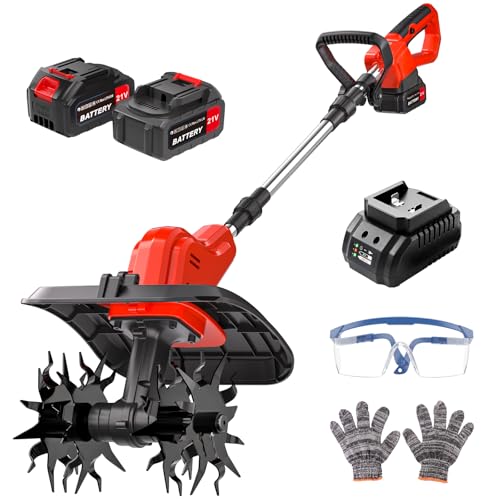
POGGT 21V Cordless Tiller for Gardening, 11.8″ Width 6.6″ Depth, 2×4.0Ah Batteries
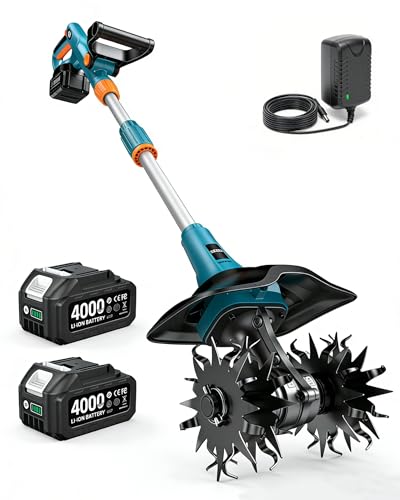
Seesii 20V Cordless Tiller Cultivator for Gardening
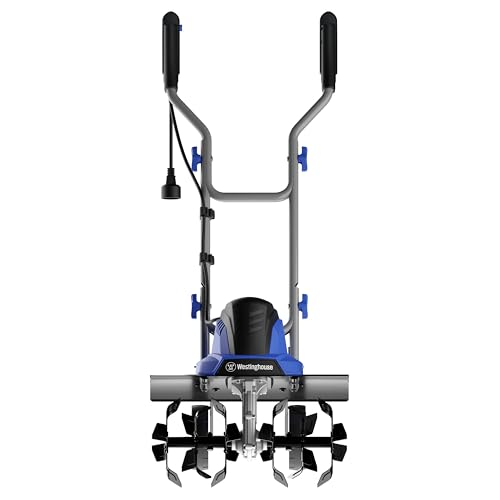
Westinghouse 18-Inch 15 Amp Corded Electric Tiller Cultivator with 6 Steel Blades
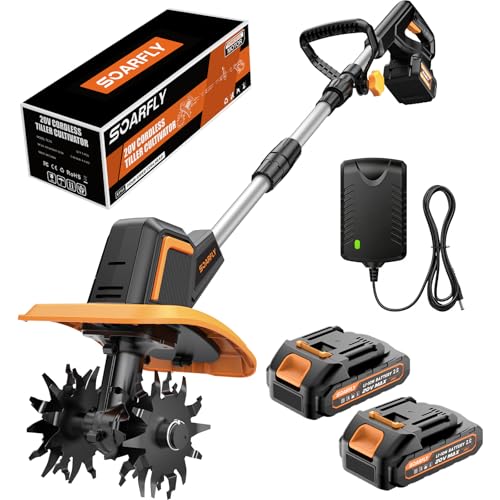
SOARFLY Cordless Tiller Cultivator, 9″ Width 6.6″ Depth

GELIDALITE Cordless Tiller Cultivator for DeWalt 20V MAX (Bare Tool)

DEGGE 21V Cordless Tiller Cultivator with 2 x 3.0Ah Batteries and Charger

Grelawner 20V Cordless Tiller Cultivator, 400RPM Electric Rototiller with 48 Steel Tines
MiaEpic Cordless Tiller Cultivator, 360 RPM with 2 x 21V 4.0Ah Batteries & Charger

Sun Joe TJ604E Corded Electric Garden Tiller & Cultivator, 16″ with 13.5-Amp Motor
The Details Behind The Selections
The Muylux makes sense the first time you carry it to the backyard. At a compact 20V platform, the unit skips the cord and gas can entirely, so you can reach a back corner bed without dragging an extension across the lawn. Two steel tines spin fast enough to break the top crust of soft, previously worked soil in a single pass, and the included pair of 2.0Ah batteries lets you swap and keep going when one runs low.
For anyone tending a small flower bed or a couple of raised boxes, this tiller hits a comfortable middle ground between hand tools and full-size rototillers. Where corded models like the Westinghouse later in this list trade mobility for raw power, the Muylux trades raw power for true grab-and-go convenience. Depending on how rocky your plot is, you may need a second slow pass to fully loosen tougher ground.
The Case For It
- Two included batteries let you work continuously while the second charges.
- Cordless design reaches beds, fences, and corners no extension cord can.
- Lightweight build suits smaller gardeners and quick weekend touch-ups.
- Steel tines dig roughly 4 inches deep, enough for most annual prep.
Points To Keep In Mind
- Best suited to previously turned soil; hard-packed clay may stall the tines.
- Battery life shrinks quickly under heavy resistance, so plan for recharges.
- Plastic housing components warrant a quick wipe-down after damp use to extend service life.
Best Suited To
Casual weekend gardeners prepping small raised beds, herb patches, or annual flower borders.
Look Elsewhere When
Homeowners with larger yard plots should consider the Westinghouse 18-Inch Corded Electric Tiller Cultivator for its wider working pass and steady corded power.
The POGGT arrives ready to put in real time on the soil. Four steel tines chew through an 11.8-inch wide path at up to 360 RPM, and the 6.6-inch working depth covers the zone where most vegetable roots actually live. Two 4.0Ah batteries ship in the box, and the on-board power display keeps you honest about remaining runtime before you start a long bed.
Compared to the Muylux reviewed earlier, the POGGT offers a noticeably wider swath, so you finish a typical 4-by-8 raised bed in fewer passes. The trade-off is extra weight from the bigger batteries, which you may notice during extended overhead lifts. For gardeners juggling multiple beds in one afternoon, the runtime is the real draw.
Points In Its Favor
- 11.8-inch tilling width covers ground faster than most cordless peers.
- Visible battery indicator prevents mid-row power loss.
- High-capacity 4.0Ah batteries suit longer sessions between charges.
Trade Offs
- Heavier than 2.0Ah models, which may tire out smaller users.
- Stones and thick roots can grab the wider tine array.
Key Product Details
Who It Suits Best
Vegetable gardeners juggling multiple raised beds in a single session, where wider passes and longer runtime matter more than ultralight handling.
Skip It When
Tillers users wanting plug-in, unlimited runtime should weigh the Sun Joe TJ604E, which trades portability for raw corded power.
The Seesii positions itself as a single tool that handles three jobs: breaking hard ground, mixing amendments, and aerating established beds. That flexibility comes from a 20V platform with multiple operating modes, so you can dial the aggressiveness back when working around shallow-rooted plants and crank it up when turning fresh soil. For gardeners who amend beds every season with compost or peat, the mixing function alone justifies the purchase.
It is a step up in versatility from the Muylux reviewed above, with a deeper working range suited to repeated seasonal use. The honest read is that on its highest setting, runtime drops fast, and the unit can feel underpowered in never-tilled clay. Treat it as a cultivator and soil mixer first, and a ground-breaker second, and it performs well.
What Helps Most
- Three-in-one design covers tilling, mixing, and aeration.
- Cordless freedom reaches side yards and back fences easily.
- Multiple speed settings protect shallow-rooted crops.
Small Caveats
- Highest settings drain batteries quickly on dense ground.
- Not built for breaking ground that has never been turned.
Made For
Compost-heavy gardeners and soil builders who mix amendments into established beds several times a year.
Reach For A Different Pick When
Shoppers needing serious ground-breaking power should look at the Grelawner 20V Cordless Tiller Cultivator, which pairs 48 steel tines with a 400 RPM motor for tougher plots.
The Westinghouse is the workhorse of this list. A 15-amp corded motor runs up to 400 RPM, sending six steel tines through an 18-inch swath with 8-inch blade reach. For gardeners with a long, open plot near a power outlet, that working width means a single pass covers more ground than four passes with most cordless picks. The corded design trades portability for unlimited runtime, which matters during spring turn-over.
It contrasts with the cordless POGGT reviewed earlier, swapping batteries for an extension cord and doubling down on raw cultivation capability. Storage is a real consideration, since the unit is heavier and bulkier than compact battery models, and you will need a heavy-duty outdoor extension cord rated for the amperage. For established in-ground gardens, the trade is well worth it.
Why It Works Well
- 18-inch working width handles sizable plots in fewer passes.
- 15-amp corded motor delivers consistent power for tough soil.
- Six steel tines reach 8 inches deep for serious cultivation.
Honest Caveats
- Cord management becomes the main chore on larger yards.
- Heavier frame complicates lifting into raised beds or transport.
Feature Snapshot
Right Fit For
Homeowners with established in-ground gardens near a power source who want corded reliability for big spring and fall projects.
Consider Something Else When
Gardeners working far from outlets or managing several small beds should consider the Sun Joe TJ604E for similar corded power in a slightly narrower package.
The SOARFLY earns its place on this list with comfort details that show up after the first hour of use. The adjustable handle height and auxiliary handle let you dial in a posture that suits your height, which reduces the back and shoulder fatigue that shorter gardeners feel with fixed-handle tillers. Two 2.0Ah batteries ship in the box, and a 9-inch working width keeps the unit easy to maneuver in tight corners and narrow beds.
Where the POGGT earlier prioritizes raw coverage, the SOARFLY leans into ergonomics and control. If your garden work tends to stretch across an entire Saturday morning, the adjustable setup pays off. The narrower 9-inch pass does mean more trips down a long bed, which heavy users should plan for.
A Strong Showing
- Adjustable handle height fits a wider range of gardener heights.
- Auxiliary handle improves two-handed control in tighter rows.
- Two included batteries extend working sessions for most home plots.
Areas To Watch
- Narrower 9-inch pass means more passes on long beds.
- Lightweight frame can lift in dense, unworked soil.
Who Will Love This
Gardeners of varying heights who want ergonomic adjustments and longer comfortable sessions over raw power.
A Better Fit Elsewhere
Shoppers prioritizing deeper cultivation and wider passes may prefer the MiaEpic Cordless Tiller Cultivator, which offers a 9-inch width with 48 tines and a 7-inch depth.
The GELIDALITE is built for one specific shopper: anyone already running a 20V MAX tool system. As a bare tool, it skips the battery and charger, locking onto standard 20V MAX packs you already own. A 300W peak motor drives the steel tines, and the platform compatibility means your existing chargers, batteries, and storage all carry over. That makes this an unusually tidy addition to an established tool collection.
It differs from the Muylux and Seesii reviewed earlier, which ship as full starter kits with their own batteries. For a first-time tiller shopper, the bare-tool format is a real drawback, since you would need to add a battery separately. But for the right person, the value is hard to beat.
What Makes Sense
- Uses existing 20V MAX batteries, avoiding duplicate purchases.
- Compact size stores easily alongside other compatible tools.
- Cordless design works anywhere on the property without an outlet.
Worth Noting
- Bare-tool format means no battery or charger included.
- Limited working depth suits maintenance tilling over heavy ground-breaking.
Perfect Match For
Existing DeWalt 20V MAX tool owners looking to expand into soil work without buying into a second battery platform.
Not Your Match When
First-time tiller shoppers should consider the DEGGE 21V Cordless Tiller Cultivator, which ships with two batteries and a charger ready to use.
The DEGGE strips out the guesswork for new gardeners. Two 3.0Ah batteries and a charger arrive in the box, the assembly takes a few minutes without extra tools, and the lightweight frame suits anyone who would rather carry the tiller to the bed than wrestle with it. For seniors, beginners, and anyone with limited storage space, that kind of simple setup removes the friction that often keeps a tiller in the garage all season.
It occupies a different niche than the Westinghouse reviewed earlier, which targets serious in-ground cultivation. The DEGGE is purpose-built for the small, frequent tasks that most home gardeners actually do: turning compost into a bed, loosening a weedy strip, aerating around shrubs. If you mainly need a tool that disappears into a closet between uses, this is a sensible pick.
Useful Touches
- Two 3.0Ah batteries included for uninterrupted light-duty work.
- Lightweight frame is easy to lift and maneuver.
- Quick assembly with no extra tools required.
Practical Considerations
- Less suitable for heavy, never-tilled ground.
- Smaller motor means longer pass times on dense soil.
Feature Rundown
Built With In Mind
First-time tiller shoppers, seniors, and anyone wanting a no-fuss starter kit for small raised beds and frequent light cultivation.
Swap It Out When
Gardeners with bigger, tougher plots should consider the Sun Joe TJ604E for corded muscle that handles ground no cordless unit of this size can break through.
The Grelawner brings real cordless muscle to tough soil. Forty-eight steel tines rotate at up to 400 RPM, the highest in this lineup, and the 4.0Ah battery keeps the power steady through long passes. The 8-inch working width and 6-inch depth are comfortable middle-of-the-road numbers, and the bright yellow housing makes the unit easy to spot in tall grass or under foliage after a set-down.
Compared to the POGGT reviewed earlier, the Grelawner doubles down on tine count and motor speed, which shows up in harder ground. The trade-off is battery drain under load, and you may find yourself working in shorter bursts with longer recharges between them. For compacted soil and neglected beds, that extra bite is often the difference between finishing the job and giving up halfway through.
A Favorable Mix
- 48 steel tines chew through compacted soil efficiently.
- 400 RPM motor is the highest top speed in this lineup.
- 4.0Ah battery handles demanding sessions without constant swaps.
Points To Note
- Higher RPM drains batteries faster under heavy resistance.
- Yellow housing shows scuffs and dirt over time.
Whose Shelf It Belongs On
Gardeners tackling compacted or neglected beds where extra tine aggression actually shortens the time spent wrestling with the soil.
Where A Sibling Pick Shines
Homeowners with larger open plots who want unlimited runtime should consider the Sun Joe TJ604E Corded Electric Garden Tiller for comparable till depth without the recharge cycle.
The MiaEpic is the kind of tiller you reach for without thinking. Two 4.0Ah batteries keep runtime generous, the 9-inch working width fits comfortably between rows, and 48 steel tines turn at 360 RPM for a balance of speed and control. The 7-inch working depth is the deepest in this cordless group, so it doubles as a genuine cultivation tool rather than a surface scratcher.
Where the Grelawner earlier pushes top-end RPM for raw aggression, the MiaEpic trades a bit of speed for deeper reach and steadier battery draw. That makes it well suited to weekly bed maintenance and seasonal amendments, where you want consistent results without babysitting battery levels. For mixed-vegetable gardens, it is a sensible everyday workhorse.
The Practical Payoff
- 7-inch working depth is the deepest among cordless picks here.
- Two 4.0Ah batteries support long, frequent sessions.
- 48 tines provide thorough mixing of compost and amendments.
Some Limits To Know
- Heavier than 2.0Ah alternatives, which affects overhead lifting.
- 9-inch width requires extra passes on long beds.
Quick Facts
Who Should Grab It
Vegetable gardeners running weekly maintenance and seasonal amendments who want deeper cultivation than typical cordless units offer.
Another Choice May Suit
Shoppers needing faster coverage on wider plots should consider the Westinghouse 18-Inch Corded Electric Tiller Cultivator for its much wider working pass.
The Sun Joe TJ604E rounds out the list as a serious corded option. A 13.5-amp motor spins six rust-resistant steel-angled tines across a 16-inch path, reaching 8 inches deep. The folding handle makes off-season storage easier in a crowded garage or shed, and corded power means you never stop mid-row to swap a battery. For gardeners with established in-ground plots, this unit brings muscle without the maintenance of a gas engine.
It is the corded counterpart to the cordless POGGT and Grelawner picks earlier, trading portability for raw, sustained power. Compared to the Westinghouse, the Sun Joe offers a slightly narrower working width but a similarly deep cultivation profile, with folding handle storage that apartment dwellers and small-shed owners tend to appreciate. For plots close to an outdoor outlet, it pulls its weight season after season.
Where It Delivers
- 13.5-amp corded motor delivers consistent, untimed power.
- Six rust-resistant steel tines suit long-term outdoor use.
- Folding handle eases storage in tight garages and sheds.
- 16-inch working width balances coverage and maneuverability.
Things To Weigh
- Corded design ties you to an outdoor outlet and heavy extension cord.
- Larger footprint than compact cordless models.
The Right Fit
Homeowners with established in-ground gardens near a power source who want reliable corded cultivation and easy seasonal storage.
Where Another Pick Suits Better
Gardeners working far from outlets or managing scattered raised beds should look at the MiaEpic Cordless Tiller Cultivator for portable, battery-driven versatility.
What To Match Up Before You Choose
Picking the right garden tiller cultivator comes down to the trade between power, reach, and portability. Start with the soil you actually have: loose, previously worked beds respond well to a 20V cordless cultivator with steel tines that reach 4 to 7 inches. Heavier, compacted, or never-tilled ground benefits from a 15-amp corded motor with a wider working width and 8-inch blade reach, like the Westinghouse or Sun Joe picks earlier.
Next, weigh power source. Cordless models give you the freedom to roam, but runtime is finite and depends on soil density. Corded models keep going as long as you can manage the extension cord, which becomes a real chore in larger yards. For a small urban plot or a couple of raised beds, cordless wins on convenience. For half an acre of in-ground garden, corded usually wins on raw capability.
Finally, look at the practical details. A tiller you have to wrestle out of the shed tends to stay there, so weight, folding handles, and storage footprint matter. If you already own a 20V MAX battery platform, the bare-tool GELIDALITE makes financial sense; if you are starting fresh, a complete kit like the Muylux, POGGT, or DEGGE saves you from buying batteries twice. Match the tool to the soil, the power access, and the storage you actually have, and the right pick usually becomes obvious.
Points Worth Weighing Before You Decide
Wrong Turns To Avoid
First-time shoppers often pick the widest tiller they can find, assuming wider always means faster. In practice, a wide cordless tiller drains batteries quickly under load and struggles in tight corners. A narrower 9 to 11-inch cordless unit usually finishes a typical home garden faster, with less frustration. The other common slip is underestimating the importance of included batteries. A bare-tool price can look attractive until you price a matching battery and charger separately, and many users end up with a kit that never quite fits their existing tools.
Where The Extra Money Goes
Stepping up to a higher-tier garden tiller cultivator usually buys you a more powerful motor, more durable steel tines, and a deeper working reach. Those upgrades matter most in tougher soil, where a cheaper unit stalls and bogs down. For gardeners with established beds and decent loam, mid-tier cordless models cover the work comfortably. For neglected plots, rocky ground, or large in-ground gardens, the extra muscle from a premium corded unit pays off in fewer passes and less operator fatigue, which is the kind of savings that only shows up over years of use.
Frequently Asked Questions
How Deep Should A Garden Tiller Cultivator Reach?
Most home garden tiller cultivators reach between 4 and 8 inches, which covers the root zone for vegetables, herbs, and annual flowers. Shallow cultivation works for weed control and top-dressing compost, while deeper settings help break up compacted layers before planting.
Cordless Or Corded, Which Makes More Sense?
Cordless models offer easier mobility around backyards, raised beds, and side yards without extension cords. Corded models deliver steady, unlimited power and are often the better choice for larger in-ground gardens near an outdoor outlet, where runtime and torque matter more than portability.
Can A Tiller Handle Rocky Or Root-Filled Ground?
Light-duty cordless cultivators tend to stall or jump on heavy rocks and thick roots. Corded models with strong motors and durable steel tines handle those conditions better, though no tiller replaces clearing large stones and woody roots by hand before a full cultivation pass.
How Much Battery Runtime Is Realistic?
Runtime depends on soil density and tine load, but most 2.0Ah batteries deliver roughly 30 to 45 minutes of light cultivation, while 4.0Ah packs often stretch past an hour. Carrying two batteries lets you hot-swap and finish a session without waiting on a recharge.
Is Assembly Difficult For These Tillers?
Most cordless garden tiller cultivators arrive with simple handle and wheel attachments that go together in a few minutes without extra tools. Corded units sometimes include a folding handle that needs basic assembly, but the process is usually straightforward and well illustrated in the included guide.
Closing Remarks
The best garden tiller cultivator for your yard is the one that matches your soil, your power access, and the time you want to spend using it. Cordless models like the Muylux, POGGT, and MiaEpic handle raised beds and frequent touch-ups with ease, while corded picks like the Westinghouse and Sun Joe bring real muscle to larger in-ground plots. Use the profiles above to narrow your shortlist, then pick the tool that lines up with the way you actually garden.
