

Gardening eats ordinary sneakers alive. Soil, moisture, sharp tools, and muddy rows punish anything built for pavement, and most of us only realise that after a ruined pair sits by the back door. The picks below are aimed at the kind of work that happens on weekends and weeknights alike: edging beds, hauling compost, watering in the rain, and stepping through wet grass without thinking about it. Each option here trades comfort, traction, or waterproofing for something specific, so the right match depends on how your yard actually treats you.
The Essentials At A Glance
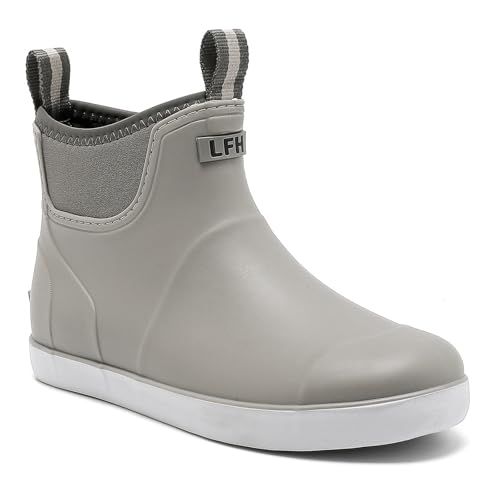
Lezzglt Waterproof Rubber Ankle Rain Booties

Lezzglt Waterproof Rubber Ankle Rain Booties
Lezzglt Waterproof Rubber Ankle Rain Booties

Gaatpot Garden Clogs with Arch Support

Gaatpot Garden Clogs with Arch Support

TRAILBLITZ Water Shoes Men Arch Support

TRAILBLITZ Water Shoes Men Arch Support

UVSAI Waterproof Garden Shoes Slip-On
Meet The Standout Selections
These ankle-height booties sit right at the seam between shoe and boot, and that middle-ground height is what makes them interesting for yard work. A puddle that would soak a low-cut sneaker is a non-event here, and the rubber shell shrugs off the kind of muddy trench work that wrecks fabric uppers. Compared with the clogs coming later in the list, the Lezzglt pair trades breathability for a genuinely sealed foot, which is the right call when the lawn is still wet from morning rain.
Owners who step in and out all day report that the low cut is easier on the calf than a full rain boot, especially while crouching to weed or edging. For gardeners in coastal or rainy regions, the protection is the headline feature and everything else follows from it.
Bright Spots
- Rubber upper fully seals out standing water and slushy ground
- Ankle height keeps the boot mobile without the stiffness of a tall boot
- Rinse-off rubber cleans up fast under a hose after a muddy session
- Grippy deck-style outsole handles slick grass and wet decking
Points To Note
- No real breathability, so feet can feel clammy during long summer jobs
- Pull-on style can be snug first thing in the morning on cold days
Built With In Mind
Gardeners in damp climates who want sealed waterproofing without the bulk of a full rain boot.
Look Elsewhere When
The Gaatpot Garden Clogs with Arch Support suit you better when you mainly do dry-bed weeding and want a more breathable, easy slip-on feel.
This second Lezzglt entry lives in the same waterproof family as the first, but the angled toe and grippy sole push it toward shoreline and deck use. Slip-on rubber booties are a quiet luxury for anyone who walks a wet dock or rinses down garden tools by a hose. The construction stays simple on purpose, with a one-piece molded upper that does not leak at the seams.
The honest read is that the deck-boot DNA is most useful when the work spans water and yard, like tending a pond edge or pulling weeds from a damp retaining wall. It is less purpose-built for hot summer afternoons than a clog would be, and the lack of cushioning underfoot shows up during long standing sessions.
Reasons It Performs
- Waterproof molded rubber stops splashes from soaking through
- Slip-on shape is fast to kick off at the back door
- Non-marking outsole keeps wooden decks looking clean
Trade Offs
- Minimal arch support, so it is not a great pick for hours of standing on hard ground
- Heat builds up in the rubber during peak summer work
Feature Snapshot
Whose Shelf It Belongs On
Mixed-use gardeners who split time between a vegetable bed and a wet dock or shoreline.
Reach For A Different Pick When
The TRAILBLITZ Water Shoes with Arch Support are a smarter fit when you hike to a remote water feature and need real drainage and a sport shoe feel.
The third entry in the Lezzglt rubber family is the one that leans hardest into pure yard utility. Same ankle bootie shape, same waterproof shell, same slip-on convenience, but it is the pick to grab when the chore list is long and rough. Sharp garden edges, gravel paths, and a wheelbarrow run on hard ground are exactly the workload the rubber is built to absorb.
Across a busy weekend, the bootie pays for itself by protecting your socks from the kind of surprise puddle that always hides in the lawn. The trade-off, common to all-rubber builds, is that breathability is limited and the footbed is fairly thin for long hours of stoop work.
Benefits That Matter
- Rubber shell handles scrapes from edging tools and stone borders
- Sealed construction keeps fertilizer splash off the foot
- Easy to rinse and dry between uses, with no fabric to trap odor
- Slip-off convenience at the back door after muddy runs
Softer Spots
- Thin footbed may need an aftermarket insole for long projects
- Limited size detail in the source listing, so try-on matters if you are between sizes
Right Fit For
DIY gardeners who put in long weekend shifts across rough, mixed terrain and want a tough, washable boot.
Swap It Out When
The UVSAI Waterproof Garden Shoes Slip-On may suit you more if you prefer a true slip-on garden boot that is purpose-marketed for lawn care over fishing use.
The Gaatpot clog steps away from the rubber-bootie crowd and toward the garden-as-living-room crowd. The shape is mule-adjacent, the footbed is built with arch support, and the back of the shoe stays open for quick on-off. Where the Lezzglt booties seal the foot in, the Gaatpot lets it breathe, which makes a real difference on a 90-degree afternoon pulling crabgrass.
For most home gardeners, the clog is the most practical silhouette in the rotation, and the arch detail is the headline upgrade over a basic foam slip-on. The honest caveat is that an open clog is not the right call when the lawn is soaked and the waterline is ankle-deep.
Standout Benefits
- Arch support eases fatigue during long weeding sessions
- Clog silhouette slips on without bending or fumbling
- Molded footbed is comfortable enough to wear around the yard without socks
- Lightweight build is easy on the foot over short walks to the compost bin
Honest Caveats
- Open heel and toes let in water, mud, and small gravel
- Less protective than a full boot when working near thorns or sharp edging
- Dirt can collect inside the arch channel and need a quick rinse after use
Best Suited To
Home gardeners who do most of their work on dry or lightly damp soil and value comfort over waterproofing.
Not Your Match When
The Lezzglt Waterproof Rubber Ankle Rain Booties are a better call when standing water is a regular part of your weekend.
The second Gaatpot clog doubles down on the same arch-supportive build, and the use case sharpens as a result. Anyone whose lower back or arches protest after a full day of stoop work will appreciate the contoured footbed more than they expect. It is the most foot-friendly pick in the lineup for repetitive crouching, and the molded design means the arch is built in rather than relying on a removable insert.
For gardeners who deal with chronic plantar discomfort, the structured midsole can be a meaningful upgrade over a flat slip-on. In dry-to-damp soil, the silhouette works well; in deep mud, the open shape is the obvious weak point.
Good Reasons To Consider
- Contoured arch support for long, repetitive yard work
- Slip-on shape works for quick exits to check the garden
- Light enough to wear as a casual camp clog around the house
- One-piece construction is easy to hose off
Things To Consider
- Not waterproof, so a separate boot is still needed in heavy rain
- Arch contour is firmer than expected and takes a few wears to break in
Feature Rundown
Who Should Grab It
Gardeners with sensitive arches or anyone who spends hours crouched in the beds and wants a clog that actually supports the foot.
Consider Something Else When
The TRAILBLITZ Water Shoes with Arch Support are a smarter pick when you need to cross wet, rocky ground in addition to working the beds.
The TRAILBLITZ water shoe breaks the rubber pattern of the rest of the list. A dual-layer mesh upper drains fast after a stream crossing, and dedicated drainage ports let water escape instead of pooling under the arch. For gardening specifically, the case is a property with creeks, slopes, or a long wet path to the back beds, the kind of place where a boot becomes a sweatbox by mid-morning.
Toe protection at the front is the detail that lifts it above a generic aqua sock, and the slip-resistant outsole is the reason it is worth considering over a lighter water shoe. The honest read is that a mesh upper cannot insulate, so cooler mornings and the shoulder seasons are where this design has the most to offer.
Everyday Advantages
- Mesh upper drains in minutes rather than staying waterlogged
- Built-in arch support keeps the foot stable over uneven ground
- Toe cap protects against rocks and root stubs on trails
- Lightweight build reduces fatigue on long walks to remote beds
Points To Keep In Mind
- Mesh is not a barrier against thorns or sharp garden debris
- Less warmth than rubber for cold-weather gardening
- Open structure picks up fine dirt that needs a rinse after heavy use
Who Will Love This
Active gardeners whose routines cross creeks, slopes, or shoreline in addition to the actual planting beds.
A Better Fit Elsewhere
The Gaatpot Garden Clogs with Arch Support are a smarter match if you mostly work flat, dry ground and want more everyday comfort.
The second TRAILBLITZ entry keeps the same hybrid DNA but tilts more toward trail use. The outsole is the headline feature here, with a tread pattern that holds on loose soil, gravel, and slick stone in ways a deck boot or clog cannot. For gardeners who also hike, hunt, or work a larger property, the multi-surface traction is the most useful trait on the list.
Where the rubber booties fully seal the foot and the clogs breathe freely, this hybrid splits the difference. You give up the waterproof seal in exchange for real grip on uneven ground, which is the right trade when the work spans a hillside or a long path.
Notable Upsides
- Aggressive outsole handles loose soil and gravel confidently
- Mesh upper keeps the foot cooler than a rubber boot
- Toe cap shields against roots and trail debris
- Drains quickly after stepping out of a wet spot
Less Ideal Details
- Not fully waterproof, so puddles wet the foot from above
- Trail-focused tread can pick up and track loose dirt indoors
Made For
Gardeners managing larger or hilly properties who also use the same footwear on light trail work.
Where Another Pick Suits Better
The UVSAI Waterproof Garden Shoes Slip-On are a better fit if your top priority is staying dry during lawn care rather than tackling trail terrain.
The UVSAI closes the list as a purpose-built garden slip-on, designed with the work itself in mind rather than borrowing from fishing or trail categories. Marketing focuses on the routine outdoor chores that make up most weekends: gardening, lawn care, light farming, and yard cleanup. The slip-on shape keeps it convenient, and the waterproof build is the headline feature for gardeners who work through morning dew.
The position in the lineup is “generalist,” and that is its strength. It does not outperform a rubber bootie in standing water or a clog in dry comfort, but it covers a wider mix of tasks than most dedicated picks. For shoppers who want one shoe to handle almost any yard chore, this is the most balanced option on the list.
Everyday Wins
- Slip-on convenience for fast exits to the yard
- Waterproof shell handles damp grass and morning dew
- Purpose-built for the kind of multi-task yard work most homeowners actually do
- Rinse-clean surface with no fabric panels to trap soil
Some Limits To Know
- Less specialized than a deck boot for shoreline work
- Less breathable than a clog for dry summer afternoons
Feature Card
Perfect Match For
Homeowners who want one generalist garden shoe that handles most chores across the year without swapping pairs.
Skip It When
The Lezzglt Waterproof Rubber Ankle Rain Booties are a better call if you regularly wade into deeper water or work along a wet shoreline.
What To Weigh Before Choosing The Right Garden Footwear
Fit and purpose drive this category more than brand. Waterproof rubber, breathable clog, and trail hybrid each solve a different problem, and most gardeners benefit from owning two pairs rather than one do-it-all shoe. A waterproof shell is essential for wet climates and shoulder seasons, while a clog with arch support earns its place for long dry-day weeding.
Sizing deserves more attention than usual. Rubber booties and clogs run differently from athletic shoes, and the listed details in this category are often sparse, so you may find that trying on at home with the socks you actually wear in the garden is the only reliable test. Lace-free slip-ons save real time when the chore list is long, but they fit less precisely than a laced shoe, and gardeners with narrow heels sometimes trade fit for convenience.
Outsole design is the most overlooked detail. A flat foam sole is fine on a patio, but loose soil, mulch, and wet grass punish anything without a defined tread. Toe protection matters more than it seems, because a dropped shovel or a kicked border stone is a regular part of yard work. Drainage, breathability, and warmth all sit on a single axis, and the right balance depends on whether you garden in cool wet weather or hot dry conditions.
Key Considerations Across These Picks
Mistakes Worth Dodging
Treating garden shoes as disposable is the most common slip, because a cheap foam clog rarely lasts a season of real work and tends to flatten in the arch fast. Picking a fully waterproof boot for hot dry beds trades comfort for protection you will not use. The other frequent error is choosing by color or style first, when the build, tread, and arch support quietly determine how the shoe actually performs after an hour in the soil.
When Paying More Pays Off
The jump from a basic slip-on to a more structured option usually buys real arch support, a tougher outsole, and a sealed waterproof build. The upgrade matters most for gardeners who log long hours, deal with chronic foot fatigue, or work wet ground most weekends. For occasional quick tasks, a budget pick is enough, but the cost difference between entry-level and mid-tier is small compared with how much more often you will reach for the better-built pair.
