

A gas cultivator turns weekend garden work from back-breaking to almost enjoyable, and choosing the right one saves you from wrestling with undersized blades or paying for power you’ll never use. The lineup below covers compact mini tillers for tight raised beds, mid-size workhorses for established vegetable plots, and heavier machines built to break new ground. Whether you’re prepping a small backyard patch or managing a few rows on a larger property, there’s a match here for your soil type, plot size, and comfort on the handles.
How The Shortlist Stacks Up

Earthquake 20015 Versa 2-in-1 Tiller Cultivator

Honda FG110 Mini Tiller Cultivator

VEVOR 43CC 2-Stroke Garden Cultivator

SENIX 4QL 4-Cycle Gas Tiller Cultivator

Earthquake MC43 2-Cycle Cultivator

BILT HARD 46cc 4-Cycle Tiller Cultivator
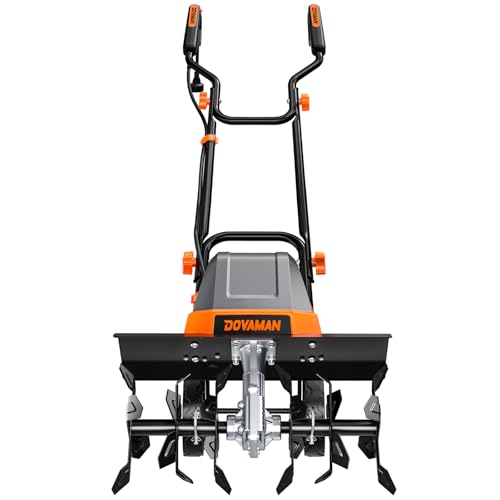
DOVAMAN 18-Inch Electric Tiller Cultivator
MiaEpic Cordless 360 RPM Tiller Cultivator
Prowoo 72CC 2-Stroke Gas Tiller Cultivator

Earthquake 31635 MC33 Mini Tiller Cultivator
A Deeper Look At The Lineup
The Earthquake 20015 Versa earns the top slot for a reason: it actually pulls double duty as both a tiller and a cultivator, switching roles by adding or removing the outer tines and side shields. That means you can break ground on a fresh bed in spring, then narrow the working width down for mid-season weeding between established rows.
Powered by a 99cc 4-cycle Viper engine, the Versa brings enough muscle for clay-heavy plots without the fuel-mixing fuss of a 2-stroke. The removable outer tines and side shields are a practical touch, letting you protect nearby plants or shift from full-width tilling to a tighter cultivating pass. For most backyard gardeners working a medium plot, the Versa covers the bases that two separate machines otherwise would.
Where It Helps
- 2-in-1 design swaps between full-width tilling and narrower cultivating without buying a second machine
- 4-cycle engine runs on straight gas, so there’s no oil-to-fuel mixing at the fill-up
- Side shields protect desirable plants when working close to rows
- 99cc Viper output handles compacted and lightly clay soils with reasonable authority
Things To Consider
- Heavier than mini cultivators, so storage and transport take some planning
- Pull-start cord requires a firm stroke and a clear approach
- Maintenance on a 4-cycle engine includes periodic oil checks and changes
Built With In Mind
Backyard gardeners managing a mid-size vegetable plot who want one machine to handle both spring bed prep and summer row maintenance.
Where Another Pick Suits Better
Honda FG110 Mini Tiller Cultivator fits tighter raised beds and lighter soil where the Versa’s width and weight feel like overkill.
The Honda FG110 sits in a category of its own when brand reputation and engine refinement matter. The GX25 4-stroke underneath the hood is the same family of engine that powers countless commercial trimmers, and it’s known for starting easily and running cleanly with minimal vibration.
Honda’s patented hybrid tine design splits the work between digging blades and cultivating blades, so a single pass does more than churn dirt. The result is a tiller that punches above its size class on small plots. Compared to the larger Earthquake 20015 Versa above, the FG110 trades width and ground-breaking force for agility in tight spaces.
A Strong Showing
- Honda GX25 4-stroke engine starts reliably and runs smooth with low vibration
- Hybrid tines balance digging and cultivating action in one pass
- Compact footprint navigates raised beds and narrow garden rows
- 4-stroke design means no fuel-oil mixing at the gas can
Worth Noting
- Narrower working width than mid-size tillers, so larger plots need more passes
- Premium pricing reflects the Honda engine and build quality
Best Suited To
Gardeners with smaller plots, raised beds, or tight rows who want a long-lasting, easy-starting machine and don’t mind paying for Honda engineering.
Consider Something Else When
BILT HARD 46cc 4-Cycle Tiller Cultivator offers wider coverage and more aggressive soil work for larger plots at a friendlier entry cost.
The VEVOR 43CC brings 2-stroke simplicity to gardeners who don’t want to fuss with separate oil fills. You mix gas and oil at the can, fill the tank, and go. The 43cc displacement and steel tine setup deliver more bite than electric cultivators in the same general category.
Where this one shines is in its 4 adjustable steel front tines, which let you match tilling width to row spacing. The nylon wheel keeps the unit manageable over soft ground. It’s a sensible step up from the corded DOVAMAN electric tiller later in this list, trading quiet operation for genuine gas-powered digging authority on a budget.
Notable Upsides
- Adjustable 4-tine steel head adapts to different row widths and bed sizes
- 2-stroke design keeps the engine simple and lightweight
- 43cc output handles small to mid-size garden plots comfortably
- Entry-level cost makes it approachable for first-time cultivator owners
Points To Keep In Mind
- 2-stroke engines require pre-mixing fuel and oil at every fill-up
- Pull-start takes a firm hand and clear stroke
Feature Snapshot
Who Should Grab It
First-time cultivator owners and budget gardeners who want real gas-powered soil work without the premium of name-brand engines.
Look Elsewhere When
SENIX 4QL 4-Cycle Gas Tiller Cultivator removes the fuel-mixing step entirely and offers a wider 15-inch tilling path for larger beds.
The SENIX 4QL solves one of the most common complaints about 2-stroke cultivators: the fuel mixing. This is a full 4-cycle unit, so you pour straight gas into the tank and check the oil separately. For gardeners who’ve been burned by clogged carburetors from bad fuel mixes, that alone is worth the upgrade.
The 46cc full crank engine is a meaningful step up from the VEVOR’s 43cc 2-stroke above, and the 15-inch tilling width covers more ground per pass. Foldable handles make storage realistic in tight sheds or garage corners. The 8-inch tilling depth handles most vegetable bed prep without breaking your back on multiple shallow passes.
What Earns Its Place
- 4-cycle engine runs on straight gas with no mixing at the can
- Full crank design typically delivers smoother operation than entry-level alternatives
- Foldable handles collapse for upright storage in smaller sheds
- 15-inch working width covers meaningful ground per pass
Honest Caveats
- 4-cycle engines need occasional oil level checks and changes
- Wider tilling path can crowd narrow raised beds
Made For
Gardeners who want 4-stroke convenience, foldable storage, and enough width to make quick work of mid-size vegetable beds.
Skip It When
Honda FG110 Mini Tiller Cultivator handles narrow raised beds with a smaller footprint and Honda’s renowned engine reliability.
The Earthquake MC43 is built around maneuverability, and the overhand handlebar layout is the main reason. Instead of standard bicycle-style grips, the overhand position lets you walk behind the unit and step side-to-side, weaving between plants without dragging the machine across the bed.
The adjustable 6 to 10-inch tilling width is a practical feature when you’re working in established beds with close-spaced plants. Set it narrow for tight rows, open it up for open areas. The lightweight frame and solid bronze gear drive help the 43cc 2-cycle Viper engine deliver smooth, durable performance. For delicate flower beds and established veggie plots, the MC43 is one of the more thoughtful designs in this category.
Everyday Perks
- Overhand handlebars let you walk and guide from above, improving control around plants
- Adjustable 6 to 10-inch tilling width adapts to row spacing and bed density
- Solid bronze gear drive supports long-term durability under regular use
- Lightweight frame reduces fatigue during longer cultivating sessions
A Few Limitations
- 2-cycle engine requires fuel-oil mixing at every fill-up
The Right Fit
Gardeners with established flower or vegetable beds who prioritize close-quarters maneuverability over wide-row tilling speed.
Reach For A Different Pick When
BILT HARD 46cc 4-Cycle Tiller Cultivator delivers a wider 16-inch path and 4-stroke convenience for larger, more open plots.
The BILT HARD 46cc is the muscle option in this list, with 16-inch heavy-duty steel tines that cover meaningful ground in a single pass. The 4-cycle engine runs on straight gas and is rated at 1.9 horsepower, which translates to real authority on compacted or previously untilled soil.
For larger plots where the Earthquake MC43’s adjustable width would feel like too many passes, the BILT HARD’s wider path moves you along faster. Cushioned handle grips take some sting out of long sessions, and the adjustable wheels help with transport and depth control. It’s a meaningful step up from the SENIX 4QL in coverage area, designed for gardeners who need to break ground, not just refresh existing beds.
Why It Works Well
- 16-inch tilling width covers a wide swath per pass
- 1.9HP 4-cycle engine handles compacted and previously untilled ground
- Cushioned handle grips reduce hand fatigue over long sessions
- Adjustable wheels support transport and depth control
Trade Offs
- Larger footprint makes it harder to maneuver in tight raised beds
- Heavier than mini cultivators, so storage and transport need planning
Feature Snapshot
Perfect Match For
Homeowners with larger garden plots or tough soil conditions who want gas-powered digging authority without stepping up to rear-tine tillers.
Where A Sibling Pick Shines
Earthquake MC43 2-Cycle Cultivator offers tighter maneuverability for established beds with close-spaced plants.
The DOVAMAN is the electric option in this list, and the trade-off shows up immediately: no gas, no oil, no pull cord. You plug it into a standard outdoor outlet, squeeze the trigger, and go. The 15-amp motor spins at 380 RPM, which is more than enough torque for already-loose or previously worked soil.
The 18-inch tilling width is the widest on this list, meaning fewer passes across open ground. Up to 9 inches of tilling depth handles most vegetable bed prep scenarios. The catch is the cord, which limits how far you can roam from an outlet, and the lack of gas engine authority for breaking truly compacted soil. For gardeners working established beds near a power source, it’s the quietest and lowest-fuss option in the lineup.
What Stands Out
- 18-inch tilling width covers wide rows in fewer passes than most gas options
- Electric motor eliminates gas, oil, and pull-cord starting
- 9-inch tilling depth handles most bed prep without multiple shallow passes
- Lower noise output is friendlier in dense residential areas
Points To Note
- Corded design limits reach and requires an outdoor outlet or extension cord
- Less digging authority than gas units in compacted or never-tilled soil
Whose Shelf It Belongs On
Gardeners with established beds near a power source who want quiet, low-maintenance cultivation and don’t need gas-level soil-breaking force.
Swap It Out When
Prowoo 72CC 2-Stroke Gas Tiller Cultivator handles remote plots and compacted ground with cordless gas power and high-RPM output.
The MiaEpic cordless cultivator solves the most common complaint about electric tillers: the cord. Two included 21V 4.0Ah batteries let you work anywhere, free from extension-cord management. The motor spins up to 360 RPM, paired with 48 steel tines that do the actual soil work.
With a 9-inch tilling width and 7-inch depth, this is a smaller-format tool aimed at raised beds, small plots, and detail work rather than breaking new ground. The trade-off is battery runtime, which means meaningful work sessions may need a charged spare on hand. For gardeners who want quiet operation and zero fuel mixing, the MiaEpic is a flexible alternative to gas power.
Benefits That Matter
- Cordless design eliminates extension-cord hassles and reach limitations
- Two 21V 4.0Ah batteries let you swap and keep working with minimal downtime
- 48 steel tines deliver meaningful cultivation action in a compact package
- Lightweight and easy to store in small sheds or garage corners
Room For Improvement
- Battery runtime limits how much ground you can cover per session
- 9-inch width means more passes than full-size gas cultivators
Who Will Love This
Gardeners with small raised beds, balcony plots, or remote corners where cords are impractical and gas power feels like overkill.
A Better Fit Elsewhere
VEVOR 43CC 2-Stroke Garden Cultivator offers unlimited runtime and stronger digging for traditional in-ground garden plots.
The Prowoo 72CC is the highest-displacement gas option in this lineup, and that translates to serious tine speed. The 2-stroke engine reaches 7500 RPM, which gives the tines enough momentum to chew through compacted, rooty, or previously untilled ground that smaller cultivators struggle with.
The 3-gear adjustable handle is a practical ergonomic touch, letting you set working height to your stature and reduce back strain. With a 10-inch working width and 5-inch depth, it’s narrower than the BILT HARD but punches harder per square inch. This is the pick for breaking ground on a new plot, not just refreshing an existing one. Fuel mixing is part of the deal, as is pull-starting a high-compression engine.
Where It Excels
- 72cc 2-stroke engine reaches 7500 RPM for aggressive soil breaking
- 3-gear adjustable handle reduces fatigue across different user heights
- Strong choice for breaking new ground rather than just cultivating
- Gas power means unlimited runtime with fuel on hand
Potential Drawbacks
- 2-stroke engine requires fuel-oil mixing at every fill-up
- Higher engine power means more vibration transmitted to the handles
Feature Snapshot
Right Fit For
Homeowners breaking new ground on a previously untilled plot who need real torque and aren’t put off by 2-stroke fuel mixing.
Another Choice May Suit
Earthquake 20015 Versa 2-in-1 Tiller Cultivator handles both new ground and row maintenance with its dual-mode design.
The Earthquake MC33 rounds out the list as the most compact option, sized for gardeners who primarily work in tight borders, narrow rows, and small established beds. The 33cc 2-cycle Viper engine delivers enough torque for routine cultivation without the weight of larger units.
Height-adjustable wheels help with transport and depth control, and the overhand handlebar layout, the same design philosophy as the larger MC43 above, keeps you walking behind the unit for precise control. Solid bronze gear drive supports long-term durability under regular home use. For a small corner of the garden where a full-size tiller feels like bringing a sledgehammer to tap a finishing nail, the MC33 is purpose-built for the job.
Key Advantages
- Compact 33cc engine suits small beds and tight borders without overkill
- Overhand handlebars improve control around delicate plants
- Height-adjustable wheels support transport and depth customization
- Solid bronze gear drive adds long-term durability
Soften Spots
- 2-cycle engine requires pre-mixed fuel and oil
- Smaller engine means more passes on larger plots
Made For
Gardeners with small borders, herb gardens, or tight established beds who want a lightweight, controllable cultivator for routine work.
Not Your Match When
BILT HARD 46cc 4-Cycle Tiller Cultivator delivers wider coverage and 4-stroke convenience for larger garden plots.
What To Weigh Before Buying a Gas Cultivator
Engine Type: 2-Stroke vs 4-Cycle
A 2-stroke engine (Earthquake MC43, Earthquake MC33, VEVOR 43CC, Prowoo 72CC) runs on a pre-mixed fuel-and-oil blend, which simplifies the engine itself but adds a step at the gas can. A 4-cycle engine (Earthquake 20015 Versa, Honda FG110, SENIX 4QL, BILT HARD 46cc) uses separate oil and gas, so you pour straight fuel and check the oil level periodically. The trade-off is convenience versus simplicity. Most home gardeners find 4-cycle easier to live with, but 2-stroke units are typically lighter and cheaper.
Tilling Width and Depth
Working width determines how much ground you cover per pass, while depth determines how aggressively you break soil. Wider units like the BILT HARD at 16 inches move faster across open ground, but narrow raised beds may want the Earthquake MC43’s adjustable 6 to 10-inch range or the Honda FG110’s compact footprint. For breaking new ground, look for 8 inches or more of tilling depth.
Weight and Storage
Gas cultivators range from compact mini tillers under 30 pounds to mid-size units pushing heavier. If storage space is limited, the SENIX 4QL’s foldable handles are a real advantage, and the Earthquake MC33’s compact frame fits where larger units won’t. Heavier machines typically till more aggressively but require more effort to transport and store.
Power Source and Runtime
Gas cultivators run as long as you have fuel, but require mixing (2-stroke) or oil checks (4-cycle). Electric alternatives like the DOVAMAN and MiaEpic eliminate fuel entirely but tether you to a cord or limit runtime to battery capacity. For remote plots far from outlets, gas is the practical answer.
Key Considerations Across These Picks
Pitfalls Shoppers Hit
A common mistake is buying more machine than the plot needs. A 72cc tiller in a 4×8 raised bed is wasted capability and back strain. Match the tiller to the job: mini cultivators for beds and borders, mid-size for vegetable plots, heavy-duty for new ground. Another trap is ignoring fuel mixing. A 2-stroke engine on the wrong mix will foul a carburetor faster than anything else in this category.
Where The Extra Money Goes
Premium models like the Honda FG110 command higher prices largely because of engine refinement and brand reputation. Honda’s GX25 is known for easy starting, low vibration, and long service life, which translates to less frustration over years of ownership. Mid-tier 4-cycle units like the SENIX 4QL and BILT HARD deliver most of the convenience at lower cost. The upgrade is worth it for frequent use, where starting ease and engine longevity compound over time.
Frequently Asked Questions
How do I choose between a 2-stroke and 4-cycle gas cultivator?
Choose 2-stroke if you want a lighter, simpler engine and don’t mind mixing fuel and oil at every fill-up. Choose 4-cycle if you’d rather pour straight gas and check the oil occasionally, and value easier starting and lower emissions for regular use.
What’s the right tilling width for a small raised bed?
For raised beds under 4 feet wide, a compact cultivator with a 6 to 11-inch working width, like the Earthquake MC43 or VEVOR 43CC, keeps you from over-tilling into the bed edges and damaging frame boards.
Can a gas cultivator break new ground or only maintain existing beds?
Mid-size and heavy-duty models like the BILT HARD 46cc and Prowoo 72CC are capable of breaking previously untilled ground, though multiple passes may be needed in compacted clay. Mini cultivators are best reserved for maintaining already-worked soil.
How important is engine displacement for home garden use?
For most home gardens, 33cc to 50cc covers routine cultivation comfortably. Higher displacement (72cc in the Prowoo) matters more for breaking new ground or working rocky, root-heavy soil where extra tine speed prevents stalling.
What maintenance does a gas cultivator typically require?
2-stroke engines need fresh fuel-oil mix at every fill-up, plus occasional air filter and spark plug checks. 4-cycle engines need periodic oil level checks and changes, plus the same air filter and spark plug attention. Tine cleaning after use prevents rust and extends service life.
Closing Remarks
The right gas cultivator comes down to your plot size, soil conditions, and tolerance for fuel mixing. Compact mini tillers handle raised beds and tight rows with agility, while mid-size 4-cycle units cover larger vegetable plots without the fuel-mixing step. Match the engine and width to the work in front of you, and the machine will earn its place in the shed for many seasons.
