

Turning soil by hand is the kind of chore that wins arguments about retirement. A gas tiller changes that math fast, breaking ground for new beds, refreshing established plots, and chewing through weeds without dragging a shovel across the yard. This list rounds up ten models spanning compact cultivators, mid-size workhorses, and cordless alternatives, with notes on engine type, tilling width, and the kind of gardening they handle best. The goal is to help you match a machine to your soil, your plot size, and your tolerance for mixing fuel.
Your Options, Compared

Earthquake 20015 Versa 2-in-1 Tiller Cultivator (99cc Viper)

EARTHQUAKE Victory Rear Tine Tiller, 209cc Viper (Model 39381)

Honda FG110 Mini Tiller Cultivator (FG110KiAT)

SENIX 4QL 4-Cycle Gas Tiller Cultivator, 46cc (TL4QL-L1)
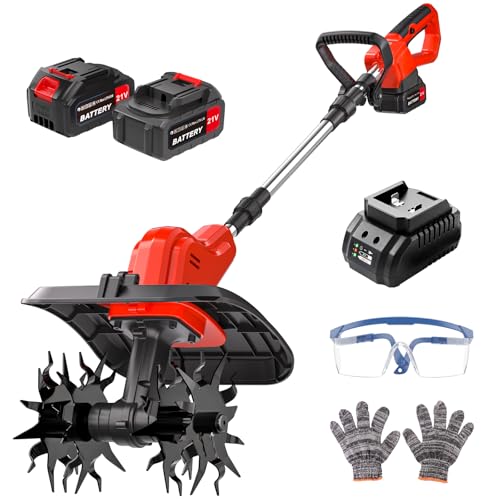
POGGT 21V Cordless Tiller with 2×4.0Ah Batteries

VEVOR 43CC 2-Stroke Gas Tiller Cultivator (Model 520S)

Earthquake MC43 Cultivator, 43cc 2-Cycle Viper

BILT HARD 46cc 4-Cycle Gas Tiller Cultivator (1.9HP)
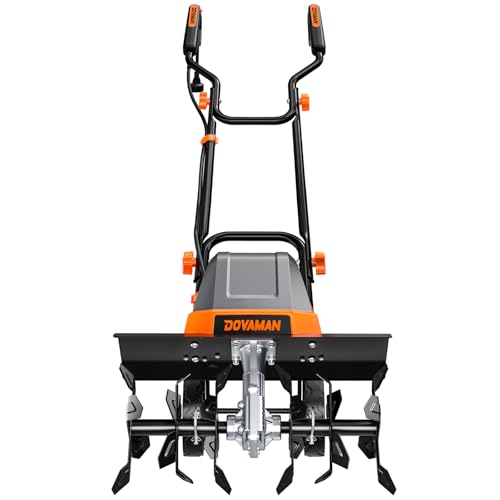
DOVAMAN 18-Inch Electric Garden Tiller, 15-Amp Corded
MiaEpic Cordless Tiller Cultivator, 360 RPM with 2×4.0Ah
Meet The Standout Selections
Front-tine tillers often force a choice between breaking new ground and maintaining existing beds, but the Earthquake 20015 Versa sidesteps that. Removable outer tines and side shields let you narrow the working width for tight rows or widen it for open ground. The 99cc Viper 4-cycle engine runs on straight gas, so you skip the oil-mix step that catches first-timers off guard.
For homeowners juggling a vegetable patch, a few flower beds, and the occasional weeding pass, this design pulls double duty without buying two machines. Compare it to the Earthquake MC43 later in the list, which trades the dual-purpose frame for a lighter cultivator body.
Positive Points
- Two-in-one design flips between tilling and cultivating without swapping equipment
- 99cc 4-cycle Viper engine delivers enough torque for established beds and softer ground
- Removable side shields and outer tines adjust the working width on the fly
- Straight gasoline, no oil mixing, simplifies storage and refueling
Things To Weigh
- Front-tine layout can pull the unit forward aggressively in dense soil
- Heavier than dedicated cultivators, which matters for shorter sessions
Feature Snapshot
Who Will Love This
Homeowners managing mixed plots from spring prep through fall cleanup who want one machine instead of two specialized ones.
Where Another Pick Suits Better
For breaking brand-new ground on a large lot, the EARTHQUAKE Victory Rear Tine Tiller (Model 39381) is a more powerful match.
This is the machine for opening up ground that has never seen a tine. The 209cc 4-cycle Viper engine drives counter-rotating rear tines (which spin opposite the wheels, digging in hard instead of walking across the surface) and a bronze gear transmission built for repeated heavy use. Pneumatic wheels and an instant reverse function keep it manageable when soil resistance spikes.
Where the Earthquake 20015 Versa handles mid-size plots with one helper role, the Victory is sized for serious ground-breaking. Owners commonly report that the weight and counter-rotation demand a confident grip, but the trade-off is soil that gets turned in fewer passes.
A Strong Showing
- 209cc engine pushes through compacted and root-heavy ground
- Counter-rotating rear tines dig in instead of skipping across hardpan
- Bronze gear transmission is built for long, demanding sessions
- Instant reverse saves time when the tines lock up on rocks or roots
Trade Offs
- Heavier and longer than front-tine models, harder to store in small sheds
- Overkill for established beds that only need light cultivation
Right Fit For
Property owners converting lawn or neglected fields into garden space who need a workhorse rather than a weekend tool.
Look Elsewhere When
For maintained beds that mainly need weeding, the Earthquake MC43 Cultivator handles the same brand’s lighter footprint.
The Honda FG110 is a small-frame cultivator with a reputation for engine quality. Its mini 4-stroke powerplant starts easily and runs cleanly without the fuel-mixing dance of 2-cycle competitors. The hybrid tine design (half angled for digging, half angled for cultivating) gives the operator flexibility on the fly.
Where the Earthquake MC43 leans on raw Viper torque, the Honda trades that grunt for refinement and longevity in raised beds and smaller plots. For gardeners who care more about a quiet, low-vibration experience than raw breaking power, this is a thoughtful fit.
Standout Benefits
- Honda 4-stroke engine starts reliably and avoids oil mixing
- Compact frame fits between rows and into raised beds
- Hybrid tine geometry handles both soft cultivation and light digging
- Lower vibration makes longer sessions more comfortable
Less-Strong Areas
- Limited power compared to mid-size tillers in tough sod
- Smaller tilling width means more passes on open ground
Quick Facts
Best Suited To
Raised-bed and kitchen-garden growers who value low noise and clean operation over maximum soil-churning force.
Skip It When
For wide-open new plots, the SENIX 4QL 4-Cycle Gas Tiller Cultivator (TL4QL-L1) covers more ground per pass.
Storage is the silent killer of tiller ownership, and the SENIX 4QL addresses it directly with foldable handles that collapse for tighter shed placement. The 46cc full crank engine (meaning the crankshaft runs the full width of the engine block, a build choice associated with longer service life) produces low vibration, and the no-mix fuel system keeps the routine simple. A 15-inch tilling width and 8-inch depth put it squarely in mid-size territory.
Where the BILT HARD 46cc model (item 8) focuses on raw tine strength, the SENIX leans into convenience and tidy storage. For most suburban garages, the folding frame alone can be the deciding factor.
A Favorable Mix
- Foldable handles cut the footprint for off-season storage
- 4-cycle engine skips fuel-mixing mistakes
- 15-inch width covers meaningful ground in one pass
- Full crank design tends to last longer than side-crank equivalents
Where It Is Less Suited
- Not built for breaking hard sod or rocky ground
- Mid-size power may feel modest on larger plots
Whose Shelf It Belongs On
Suburban gardeners with limited shed space who still want a real tiller rather than a small cultivator.
Another Choice May Suit
For sheer tine durability on tough soil, the BILT HARD 46cc 4-Cycle Tiller Cultivator brings a heavier steel build to the same engine class.
Battery-powered tillers trade raw force for convenience, and this POGGT model leans into the trade with two 4.0Ah batteries, an 11.8-inch working width, and a 6.6-inch depth. The 360 RPM motor handles soft soil, annual weeding passes, and prepping small beds without gas, oil, or pull cords.
Where the Earthquake 20015 Versa swings for the heavier end of small-yard work, this option wins on noise and neighborhood-friendly operation. Owners in HOA communities or anyone without easy fuel storage will appreciate the swap-and-go battery approach.
What Earns Its Place
- Cordless design removes fuel storage and engine maintenance
- Two included batteries extend working sessions with quick swaps
- Quiet enough for early-morning or evening use without complaints
- Lightweight build suits gardeners who avoid heavy equipment
Possible Compromises
- Limited power compared to even small gas cultivators
- Battery runtime drops sharply in compacted or clay-heavy soil
Made For
Apartment and small-yard gardeners who want a tiller that stores in a closet and starts with the press of a button.
Reach For A Different Pick When
For similar battery convenience with a denser tine array, the MiaEpic Cordless Tiller Cultivator spreads the work across more steel points.
The VEVOR 520S keeps the build honest with a 43cc 2-stroke engine, four adjustable steel front tines, and a nylon wheel that won’t rust in damp sheds. At roughly 31 pounds, it’s lighter than most gas tillers in this class, and the 11.81-inch width suits mid-size beds without dominating the operator.
Where the SENIX 4QL offers a no-mix 4-cycle alternative in a similar size bracket, this VEVOR delivers a 2-stroke power-to-weight ratio that many gardeners still prefer for occasional deep passes. Expect to mix oil into the fuel, which is the real trade-off for the lighter frame.
Bright Spots
- Lightweight design reduces fatigue during longer sessions
- Adjustable steel tines adapt to row width and soil condition
- Nylon wheels resist corrosion in humid storage
A Few Limitations
- 2-stroke engine requires fuel-oil mixing, a step some gardeners dislike
- Nylon wheels can struggle on soft, freshly tilled ground
Technical Highlights
Built With In Mind
Gardeners with mid-size plots who want a lighter gas tiller and don’t mind mixing fuel for the engine.
Where A Sibling Pick Shines
For a no-mix alternative in a similar class, the SENIX 4QL 4-Cycle Gas Tiller Cultivator avoids the oil-mixing step.
Small gardens and tight rows need a different tool than open-field tillers, and the Earthquake MC43 fits that brief. The 43cc 2-cycle Viper engine produces more torque than other cultivators in this size bracket, and the overhand handlebars let you walk the unit both forward and backward around delicate plants. A 6 to 10-inch adjustable width covers most row spacings.
Where the Earthquake 20015 Versa handles two roles, the MC43 stays focused on cultivation. For gardeners who already own a tiller for ground-breaking and need a nimble partner for in-season weeding, this fills the gap without overlap.
Key Advantages
- Compact frame reaches tight rows and around established plants
- Overhand handlebars enable forward and backward operation
- Solid bronze gear drive adds durability over plastic alternatives
- Adjustable tilling width adapts to row spacing
Honest Caveats
- 2-cycle engine requires fuel-oil mixing
- Not designed for breaking new ground in compacted soil
Perfect Match For
Gardeners maintaining established beds who need a precise, lightweight tool rather than a ground-breaking machine.
Swap It Out When
For new-plot work on a similar scale, the Earthquake 20015 Versa combines tilling and cultivating in a single unit.
The BILT HARD tiller focuses on components that take punishment: 16-inch heavy-duty steel tines, adjustable wheels for depth control, and cushioned handle grips that reduce vibration transfer. The 46cc 4-cycle engine produces 1.9HP with a no-mix fuel system, making it a sensible match for gardeners who plan to use the machine hard across multiple seasons.
Where the SENIX 4QL (item 4) prioritizes foldable storage, the BILT HARD leans into ruggedness. For most tiller shoppers, that trade-off depends on whether the machine lives in a cramped garage or a dedicated garden shed.
Why It Works Well
- Steel tine construction handles compacted soil and repeated use
- No-mix 4-cycle engine simplifies fuel handling
- Adjustable wheels give depth control for different bed types
- Cushioned grips reduce operator fatigue
Small Caveats
- Bulkier than folding-handle competitors
- Heavier steel components add overall weight
Not Your Match When
For gardeners prioritizing shed-friendly storage, the SENIX 4QL 4-Cycle Gas Tiller Cultivator folds to a smaller footprint.
The Right Fit
Regular gardeners and small-property owners who want a sturdy mid-size tiller built for repeated use across multiple seasons.
The DOVAMAN trades engine maintenance for a wide pass and steady torque. Its 15-amp motor delivers consistent power at 380 RPM, and the 18-inch tilling width covers more ground per pass than any gas model in this roundup. A 9-inch depth and a corded power supply make it well suited to open plots near an outdoor outlet.
Where the BILT HARD 46cc tiller brings gas-powered mobility, the DOVAMAN leans on electric reliability. Assuming a standard 15-amp outdoor circuit and a heavy-duty extension cord, this is a low-fuss option for homeowners who want wide passes without the gas routine.
Where It Excels
- 18-inch width covers large beds in fewer passes
- Electric motor starts instantly with the push of a button
- No fuel storage, oil changes, or pull cords
- Consistent torque at 380 RPM handles soft to medium soil
Trade-Offs To Consider
- Cord limits range to areas within reach of an outdoor outlet
- Not suited for compacted or rocky ground where gas models excel
Spec Overview
Who Should Grab It
Homeowners with open, flat plots near an outdoor outlet who prefer the simplicity of electric over the maintenance of gas.
Consider Something Else When
For off-grid plots far from power, the BILT HARD 46cc 4-Cycle Gas Tiller Cultivator brings full mobility.
With 48 steel tines packed into a 9-inch working width, the MiaEpic spreads cultivation across more contact points than most battery tillers in this class. The 360 RPM motor and two 4.0Ah batteries keep the routine simple, and the cordless design works anywhere the batteries can reach.
Where the POGGT (item 5) focuses on wider passes for small beds, the MiaEpic narrows in for precision work. You may find the 9-inch reach limiting on open ground, but it shines in tight garden rows and around existing plantings.
Real Benefits
- 48 steel tines distribute work for finer soil texture
- Two included batteries extend working sessions with hot swaps
- Cordless operation reaches spots gas and corded models cannot
- 9-inch width fits comfortably between established rows
Practical Considerations
- Limited reach on wide-open plots
- Battery power drops noticeably in clay or wet conditions
Made For
Weekend gardeners maintaining flower and vegetable rows who want a quiet, low-maintenance tool for in-season cultivation.
A Better Fit Elsewhere
For wider battery-powered passes, the POGGT 21V Cordless Tiller covers an 11.8-inch width per run.
What To Weigh Before Choosing Your Tiller
The right tiller depends less on engine size and more on what you actually plan to do with it. Small raised beds and frequent weeding reward a compact cultivator with a 4-cycle engine, while breaking new ground in compacted soil calls for the heavier rear-tine machines with counter-rotating tines. Match the tilling width to your plot, since a wider pass saves time on open ground but quickly becomes unwieldy in tight rows.
Engine type shapes the ownership experience as much as the work itself. A 4-cycle engine runs on straight gas and tends to last longer, but adds weight. A 2-stroke engine is lighter and often more powerful for its size, yet requires mixing oil into the fuel at every fill-up. Cordless battery models trade both for convenience, which works well for soft soil and small plots but struggles in hardpan. A 15-amp corded electric tiller sits in the middle: it skips gas entirely but stays tethered to an outdoor outlet.
Storage, noise, and maintenance round out the real decision. Folding handles matter in a small shed, cushioned grips matter in long sessions, and pneumatic wheels (air-filled tires that absorb shock and roll over uneven ground) matter when the soil is rough. A simple 2-cycle cultivator that you actually use beats a heavy rear-tine tiller that sits in the garage, so match the machine to your real garden, not the garden you imagine having.
Key Considerations Across These Picks
Pitfalls Shoppers Hit
A common mistake is buying for capacity you won’t use. Heavy rear-tine tillers excel at breaking new ground, but for maintained beds they overpower the soil and leave a fluffier texture than most vegetables prefer. Another slip is ignoring storage. A tiller that doesn’t fit your shed or garage gets used less, no matter how well it performs. Measure doorways, shelf height, and floor space before settling on a frame size.
Why Top Tier Costs More
Spending more in this category usually buys three things: a 4-cycle engine that avoids fuel mixing, a bronze or cast-iron gear transmission (a sealed metal gearbox that transfers engine power to the tines) that outlasts plastic alternatives, and steel tines thick enough to survive rocky soil. For gardeners who till several times a year, that upgrade pays off in fewer repairs and longer service life. For occasional seasonal use, a lighter 2-cycle cultivator may be the smarter buy.
Frequently Asked Questions
What size tiller do most home gardens need? A 40 to 50cc engine with a 10 to 16-inch tilling width handles the majority of backyard vegetable plots and flower beds without overwhelming the operator.
How deep should a tiller dig? Most edible gardens benefit from 6 to 8 inches of loosened soil, which covers typical root zones for vegetables and annuals. Deeper tilling helps when breaking new ground or amending heavy clay.
Are 4-cycle tillers better than 2-cycle? Four-cycle engines run on straight gas and tend to last longer, while 2-cycle engines are lighter and simpler. The right choice depends on whether you value low maintenance or low weight more.
Can a battery tiller replace a gas model? Battery tillers work well for soft soil, small beds, and quick weeding passes, but they typically lack the torque to break compacted ground or till large plots efficiently.
How do you maintain a gas tiller between seasons? Drain or stabilize the fuel, clean the tines, check the air filter, and store the unit in a dry space. A quick pre-season inspection catches most issues before they grow.
