

Summer heat asks a lot of grass. Long sunny days, dry stretches, and hungry insects can strip color from a lawn in just a few weeks, which is why choosing the right fertilizer during this season matters more than almost any other time of year. The picks below cover everything from starter blends for bare patches to slow-release granulars built for big yards, plus a couple of organic and liquid options for shoppers who want a gentler approach. Each one solves a slightly different problem, so matching the formula to your soil, grass type, and square footage saves you from wasted product and underwhelming results.
An Overview Of The Picks

Jonathan Green Veri-Green Fertilizer for Seeding & Sodding 1,500 Sq Ft

Jonathan Green Veri-Green Nitrogen Lawn Fertilizer 15,000 Sq Ft
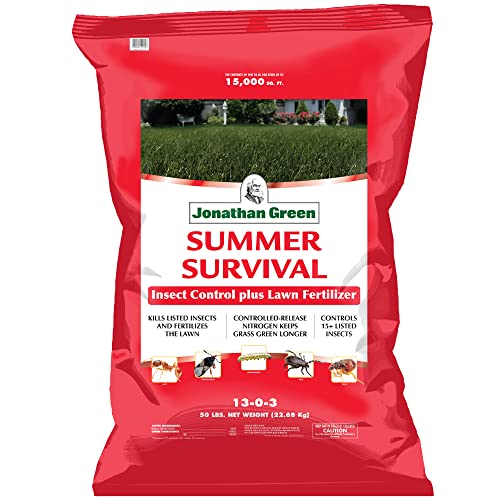
Jonathan Green Summer Survival Insect Control & Fertilizer 15,000 Sq Ft

Jonathan Green Summer Survival Insect Control & Fertilizer 5,000 Sq Ft

Jonathan Green Green-Up Lawn Food 29-0-3 (5,000 Sq Ft)

Yard Mastery 24-0-6 Flagship Granular Lawn Fertilizer 45 lb
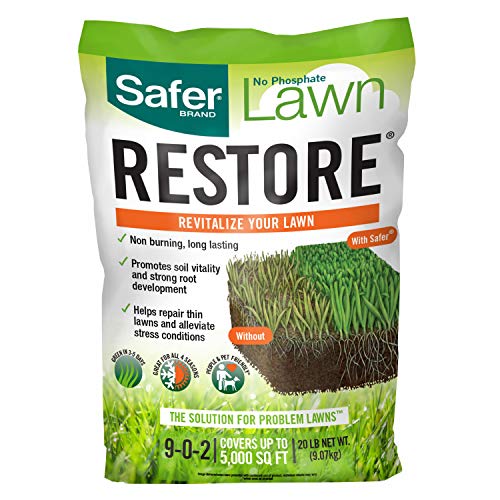
Safer Brand Lawn Restore Natural Lawn Fertilizer 9-0-2 (5,000 Sq Ft)
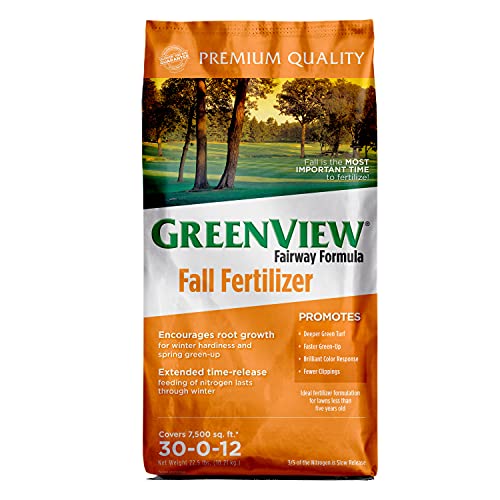
GreenView Fairway Formula Fall Lawn Fertilizer 22.5 lb

PetraMax Liquid Lawn Fertilizer Concentrate 16-4-8 (32 oz)

Purely Organic Lawn Food 10-0-2 (15 lb, 3,000 Sq Ft)
A Deeper Look At The Lineup
For homeowners patching bare spots or laying fresh sod in midsummer, this Jonathan Green starter earns a closer look. The 12-18-8 NPK ratio (the three numbers tell you the percentage of nitrogen, phosphorus, and potassium) leans into phosphorus, the middle number, which is the nutrient new grass craves for aggressive root development. That extra root push helps seedlings anchor fast and survive the heat that arrives a few weeks after germination.
At 1,500 square feet of coverage, the bag is sized for small repair jobs and modest new-lawn projects rather than full-acre properties. Most first-timers will appreciate that the formula is gentle enough to use at seeding, so there’s no need to wait for a separate starter application later.
Noteworthy Benefits
- Phosphorus-forward ratio supports vigorous root development in new seedlings
- Safe to apply at the time of seeding, saving you a second trip across the yard
- Compact bag suits small repair areas and modest new-lawn projects
- Reduces the gamble of seed failure during hot, dry stretches
Worth Noting
- 1,500 sq ft of coverage runs out quickly on any yard over a quarter acre
- Starter ratios aren’t ideal for established grass that already has full root systems
- Phosphorus restrictions in some regions limit where this can legally be applied
Who It Suits Best
First-time sod layers and homeowners repairing small bare patches will get the most from this starter formula.
Where Another Pick Suits Better
Anyone with a larger established lawn should look at the Jonathan Green Veri-Green Nitrogen Lawn Fertilizer 15,000 Sq Ft instead, since its coverage and nitrogen profile match a mature yard.
Big lawns need fewer refill trips, and this 29-0-3 nitrogen-heavy formula covers up to 15,000 square feet per bag. The high first number means this is built for color and top growth, the visible green-up you actually see, while the 3% potassium supports stress tolerance through dry July weeks. Iron in the mix helps deepen green tone without forcing excessive vertical growth that demands more mowing.
Compared to the smaller 1,500 sq ft starter earlier in this list, this one targets established grass that just needs a steady feed. Slow-release nitrogen keeps the lawn fed for roughly three months, which lines up neatly with the summer growing window.
What Earns Its Place
- 15,000 sq ft coverage cuts down on bag changes across a large property
- Slow-release nitrogen feeds grass gradually for up to three months
- Iron content deepens green color without pushing excessive top growth
- Higher potassium helps turf handle heat and drought stress
Trade Offs
- No phosphorus means it’s not the right choice for new seed or sod
- A single large bag can be heavy and awkward to load into a standard spreader
- High nitrogen may trigger growth surges that demand more frequent mowing
Feature Snapshot
Made For
Homeowners with established mid-to-large lawns who want a single summer application to last through the hottest stretch.
Look Elsewhere When
Homeowners repairing bare patches or overseeding should consider the Jonathan Green Veri-Green Fertilizer for Seeding & Sodding 1,500 Sq Ft, since its phosphorus-rich ratio is built for new grass.
Heat-stressed lawns rarely struggle from poor feeding alone; chinch bugs and sod webworms often show up at the same time the grass starts fading. This Jonathan Green blend answers both problems with a 13-0-3 fertilizer base that delivers controlled-release nitrogen, meaning the nutrients break down slowly rather than dumping all at once, plus an insect control component aimed at surface-feeding pests. You get feeding and defense in a single pass across the yard.
For homeowners tired of scheduling separate fertilizer and insecticide applications, the combined approach saves a Saturday. The slow-release nitrogen is gentle enough to use in summer without burning the turf, which is a real risk with quick-release blends during peak heat.
Good Reasons To Consider
- Combines feeding and insect control into one application, cutting weekend workload
- Targets chinch bugs, billbugs, ticks, fleas, and over a dozen other surface pests
- Controlled-release nitrogen minimizes burn risk during hot weather
- 15,000 sq ft bag suits mid-size and larger suburban lots
Honest Caveats
- Insect control adds pesticide exposure considerations for households with pets and kids at play
- Not suitable for organic-focused lawns since it combines synthetic fertilizer and pesticide
- Reapplication timing depends on local pest pressure, so plan on scouting your lawn first
Best Suited To
Suburban homeowners who battle recurring summer insect problems and want to handle feeding and pest defense in one spreader pass.
Reach For A Different Pick When
Households prioritizing organic lawn care should consider Purely Organic Lawn Food 10-0-2, which uses plant-based ingredients and no synthetic pesticide.
Same formula, smaller footprint. The 5,000 sq ft version of Jonathan Green’s Summer Survival line gives city and townhouse lawns the same dual-action feeding and insect control as the 15,000 sq ft bag, but in a size that’s easier to store and apply without overflow. You can also band the application within a 6-10 foot radius of the structure to reduce insect entry into basements and ground-floor rooms, a nice bonus for homeowners fighting cricket and centipede migrations.
The 13-0-3 base delivers controlled-release nitrogen that holds green color through the hottest stretch without burning. For shoppers who don’t need the larger format, the reduced coverage avoids wasted product sitting in a garage past its useful window.
Bright Spots
- Compact 5,000 sq ft size fits small city lots without leftovers going stale
- Perimeter band application helps reduce insect entry into homes
- Same broad-spectrum insect control as the larger 15,000 sq ft bag
- Two-month feeding window covers the core of summer stress
Points To Note
- Smaller bag costs more per square foot than the 15,000 sq ft version
- Combined pesticide plus fertilizer rules out organic-only lawn programs
Who Should Grab It
City homeowners with modest lawns under 5,000 sq ft who want to knock out summer pests and feeding in a single pass.
Swap It Out When
Homeowners with bigger properties get better value from the Jonathan Green Summer Survival Insect Control & Fertilizer 15,000 Sq Ft, which delivers the same blend at a lower cost per square foot.
The Green-Up line has been a go-to for patchy, faded lawns for years, and this 29-0-3 formula keeps that tradition going. The 15 lb granular bag covers roughly 5,000 sq ft, so it suits modest suburban yards rather than sprawling properties. You won’t find extras like iron or insecticide in the mix, but the high nitrogen load does exactly one job: push a fast, visible green-up.
For pale or stressed turf that just needs a chlorophyll hit, the simple NPK profile is refreshingly direct. It’s also a useful mid-summer pick-me-up between stronger seasonal feedings, especially on cool-season grasses that lose color in July.
Points In Its Favor
- High nitrogen ratio drives a fast, visible color response
- Granular form spreads evenly through a standard rotary spreader
- Modest 5,000 sq ft bag is easy to handle and store
- Works well as a mid-summer boost between seasonal feedings
Things To Consider
- No phosphorus or potassium means it isn’t a complete seasonal feeding on its own
- High nitrogen loads during peak heat can stress drought-prone turf if watering is inconsistent
- Color boost fades faster than slow-release blends, so expect more frequent applications
Key Specs
Built With In Mind
Homeowners with cool-season grass that fades in midsummer and needs a quick color lift without committing to a full seasonal program.
Not Your Match When
Anyone wanting a season-long, slow-release feed should look at the Yard Mastery 24-0-6 Flagship Granular Lawn Fertilizer, which includes slow-release nitrogen and iron for steadier results.
Yard Mastery built this Flagship blend for lawn-care enthusiasts who want more than just nitrogen in their spreader. The 24-0-6 NPK ratio pairs slow-release nitrogen with 3% iron for color and 6% potassium for stress tolerance, and Bio-Nite (a biochar soil amendment) is added to support soil biology over time. The 45 lb bag covers up to 15,000 sq ft, which fits a full suburban property in one pass.
What separates this from the simpler nitrogen-forward picks earlier in the list is the micronutrient package and the slow-release nitrogen component. You’re feeding the grass and the soil at the same time, which matters most in compacted or nutrient-depleted yards.
Everyday Wins
- Slow-release nitrogen provides steady feeding without surge growth
- 3% iron deepens green color without extra mowing pressure
- Bio-Nite supports soil biology and long-term turf resilience
- 45 lb bag covers 15,000 sq ft, handling most suburban lots in one go
Practical Considerations
- 45 lb bag is heavy; loading into a spreader may require two hands or a helper
- Higher upfront cost than simpler nitrogen-only blends
- Micronutrient benefits take time, so don’t expect overnight color changes
Perfect Match For
Lawn-care enthusiasts managing larger properties who want slow-release feeding, iron-enhanced color, and soil-building benefits in one pass.
Consider Something Else When
Shoppers focused on starter ratios for new seed should consider the Jonathan Green Veri-Green Fertilizer for Seeding & Sodding 1,500 Sq Ft, since phosphorus is what new grass needs first.
Burned lawn edges are the classic summer fertilizer mistake, and Safer Brand’s Lawn Restore is built specifically to avoid that. The 9-0-2 NPK ratio uses a low-nitrogen, slow-release base that won’t scorch grass even when temperatures climb past 90 degrees. The 20 lb bag covers up to 5,000 sq ft, suitable for average small-to-mid suburban lots.
Unlike the high-nitrogen blends earlier in this roundup, this one trades a dramatic green-up for steady, gentle feeding. Shoppers new to lawn care, or those who’ve scorched their turf with a stronger product in past summers, often find the trade-off worth it.
Standout Benefits
- Non-burning formula removes the risk of mid-summer turf damage
- Slow-release nitrogen feeds gradually without growth surges
- Lower nitrogen number suits sandy or fast-draining soils that lose nutrients quickly
- Forgiving on first-timers who are still learning spreader settings
Some Limits To Know
- Lower nitrogen means visible green-up takes longer than higher-N blends
- No phosphorus or potassium for stress defense, so consider supplementing during peak heat
Whose Shelf It Belongs On
New homeowners and burn-anxious lawn keepers who want steady, low-risk feeding without constantly watching the thermometer before each application.
A Better Fit Elsewhere
Homeowners wanting maximum color response in a single pass should look at the Jonathan Green Green-Up Lawn Food 29-0-3, which delivers a more aggressive green-up on the same 5,000 sq ft footprint.
Late summer is the bridge between heat stress and fall recovery, and the GreenView Fairway Formula is designed for exactly that window. The blend mixes immediate-release and slow-release nitrogen, so part of the dose feeds grass right away and part continues working as the season cools. At 22.5 lb, the bag covers a meaningful chunk of lawn without being impossible to haul.
While the name says “Fall,” the dual-release nitrogen profile makes it useful as a late-summer recovery feed for thin or stressed turf. GreenView positions it as a pre-winter prep, but the formulation handles August applications well in most climates.
Strengths Worth Knowing
- Dual nitrogen release delivers quick green-up plus extended feeding
- Granular form spreads evenly through rotary or drop spreaders
- Useful for late-summer recovery and pre-fall prep in one application
- 22.5 lb bag strikes a middle ground between small and large coverage options
Worth Bearing In Mind
- Not specifically formulated for peak midsummer heat stress
- Positioned for fall, so some shoppers may overlook it for summer use
Feature Rundown
The Right Fit
Homeowners planning ahead for fall recovery who want to start rebuilding turf density during the late-summer window.
Skip It When
Anyone needing insect control along with feeding should look at the Jonathan Green Summer Survival Insect Control & Fertilizer, which combines nutrients with surface-pest defense.
Liquid fertilizers work on a different timeline than granulars, and PetraMax’s 16-4-8 concentrate is built for fast absorption through grass blades and roots. The 32 oz bottle mixes with water and applies through a standard hose-end or pump sprayer, making it a clean choice for homeowners who don’t want to haul bags or calibrate a spreader.
The added humates and supplementary potassium support root development, while the balanced NPK ratio (16-4-8) gives you nitrogen for color, phosphorus for roots, and potassium for stress tolerance. It’s labeled for spring and summer application, fitting neatly into the warm-season feeding window.
Why It Works Well
- Liquid format absorbs quickly for fast visible results
- Hose-end or pump sprayer application avoids heavy bag handling
- Balanced 16-4-8 NPK covers color, roots, and stress in one bottle
- Humates support soil biology alongside direct feeding
Points To Keep In Mind
- Liquid feeding requires more frequent reapplication than slow-release granules
- 32 oz bottle may not cover large lawns without multiple refills
- Sprayer calibration matters, since over-application can leave streaks
Who Will Love This
Homeowners with small-to-medium lawns who already own a hose-end sprayer and prefer liquid feeding over granular spreading.
Not Your Match When
Anyone managing a large property who wants fewer refills should look at the Yard Mastery 24-0-6 Flagship Granular Lawn Fertilizer, which covers 15,000 sq ft in a single 45 lb bag.
Households that want to keep synthetic chemicals off the lawn have a real option here. Purely Organic’s 10-0-2 lawn food uses a plant-based formula built from distillers grains and soy, avoiding the manure smell and biosolids that often turn shoppers away from organic products. The 15 lb bag covers about 3,000 sq ft, so it’s best for small lawns and townhouse patches.
The trade-off for going organic is patience: you’ll see slower green-up than with synthetic nitrogen-heavy products. The honest read is that this is a soil-building fertilizer that pays you back over a season rather than a quick color fix.
The Practical Payoff
- Plant-based formula with no manure odor or biosolids
- Won’t burn the lawn, even with imperfect spreader calibration
- Safe for households prioritizing organic lawn care practices
- Feeds soil biology, supporting long-term turf resilience
What To Weigh
- 3,000 sq ft coverage runs out fast on most suburban lawns
- Slower visible green-up compared to synthetic nitrogen-heavy blends
- Lower nitrogen number means more frequent applications during peak summer
Built With In Mind
Eco-focused households with small lawns who want a clean, plant-based feeding option without the smell of traditional organic fertilizers.
Consider Something Else When
Homeowners with larger lawns need a higher-coverage pick, such as the Jonathan Green Veri-Green Nitrogen Lawn Fertilizer 15,000 Sq Ft, to avoid constantly reordering small bags.
Picking The Right Fertilizer For Summer Lawns
Choosing a summer fertilizer comes down to matching the formula to your grass type, square footage, and tolerance for chemical inputs. Cool-season grasses like Kentucky bluegrass and fescue typically want a nitrogen-led feed with slow-release properties to hold color through July heat without surge growth. Warm-season grasses like Bermuda and Zoysia actually thrive with stronger nitrogen during peak summer, since that’s their active growth window.
Coverage math matters more than most shoppers expect. A bag labeled for 5,000 sq ft only covers that area at the manufacturer’s recommended spreader setting, and double-coverage passes eat through product fast. Measuring your lawn with a simple online mapping tool prevents the “ran out halfway through” problem. Square footage also drives the format decision: under 3,000 sq ft, a liquid concentrate or small granular bag is fine; above 10,000 sq ft, a 15,000 sq ft or larger bag saves real money per application.
Application timing within the day affects results too. Granular fertilizers applied to wet grass in early morning stick to blades and get watered in slowly, while midday applications during peak heat can scorch turf. Watering the lawn the day before and applying in the cooler morning window gives the best absorption without burn risk.
Reading The NPK Label Without Confusion
The three numbers on every fertilizer bag (like 29-0-3 or 10-0-2) tell you the percentage by weight of nitrogen, phosphorus, and potassium. Nitrogen drives green color and blade growth, phosphorus fuels root development in new grass, and potassium supports overall stress tolerance. For an established summer lawn, nitrogen and potassium usually matter most, while phosphorus becomes critical when seeding or laying sod. Local regulations sometimes restrict phosphorus use on established lawns, so check your area’s rules before buying a starter formula for general feeding.
Granular Versus Liquid Summer Feeding
Granular fertilizers offer slow, steady nutrient release over weeks, which suits most homeowners who want to apply once and forget about it. Liquid concentrates work faster, showing visible results within days, but they require more frequent reapplication. Granular is also easier to apply evenly across large areas with a broadcast spreader, while liquid excels in small yards or for targeted feeding of stressed patches. If your summer schedule only allows one or two feeding passes, granular is the practical pick; if you enjoy more frequent lawn attention, liquid rewards the effort with quicker response.
Key Considerations Across These Picks
Where Shoppers Go Wrong
The most common summer fertilizer mistake is applying high-nitrogen quick-release blends during peak heat without adequate watering. The result is scorched grass blades and a brown lawn within days. Another frequent slip is skipping the square footage measurement and buying a bag that runs out halfway across the yard, leading to uneven feeding. Some shoppers also ignore local phosphorus restrictions and buy starter formulas for established lawns, wasting money on nutrients their grass can’t legally absorb.
When Paying More Pays Off
Higher-tier summer fertilizers earn their price through slow-release nitrogen, micronutrient packages, and soil-building additives. The Yard Mastery Flagship blend, for instance, includes iron and Bio-Nite, ingredients that simpler nitrogen-only bags skip, and the cost difference pays back through steadier color and improved soil biology over a full season. Premium picks also tend to use coated nitrogen that resists washout during summer storms, so you lose less product to runoff and feed the lawn instead of the storm drain.
Frequently Asked Questions
When Is The Best Time To Apply Summer Fertilizer?
The best window is early morning, when temperatures are still cool and dew helps granules stick to grass blades. Avoid midday applications when heat amplifies burn risk, and never apply during a drought without planning to water within 24 hours.
How Often Should I Fertilize My Lawn In Summer?
Most established lawns do well with one slow-release application at the start of summer, followed by a second feeding in late summer if color fades. Quick-release blends may need monthly reapplication, but they also carry higher burn risk during heat waves.
Can I Fertilize New Grass During Summer?
Yes, but use a starter formula with phosphorus, like the Jonathan Green Veri-Green Seeding & Sodding blend, and keep the soil consistently moist for the first few weeks. Summer seeding requires more watering than fall seeding, so plan your irrigation before laying sod or spreading seed.
Do I Need To Water After Applying Summer Fertilizer?
Light watering after application helps move granules off the blades and into the soil where roots can absorb the nutrients. A deep soak the day before application also preps the lawn to handle feeding without stress.
Is Organic Fertilizer Better Than Synthetic For Summer Lawns?
Organic options feed the soil biology over time and avoid burn risk, but they work slower than synthetic nitrogen-heavy blends. The honest read is that organic fits a long-game lawn-care approach, while synthetic delivers faster visible results for homeowners who want a quick green-up.
Closing Remarks
Summer feeding is really about choosing the right formula for your grass type, yard size, and tolerance for chemical inputs, then applying it on a schedule your lawn can actually absorb. The picks above cover the full range from quick-fix nitrogen boosts to slow-release soil builders, plus organic and liquid alternatives for shoppers with specific preferences. Match the bag to your square footage, water consistently, and let the lawn tell you what it needs next season.
