

Fence lines collect a specific kind of mess: tall fescue creeping under the wire, brambles rooting against the post, and broadleaf weeds that thrive where the mower can’t quite reach. The right herbicide turns that strip of green chaos into a tidy boundary that stays put for months, and the wrong one kills everything in sight, including the lawn next to it.
This roundup covers ten concentrated and ready-to-use options built for spot treatment along fence rows, driveways, and pasture edges. Each one handles the basics differently, and the differences matter once you’re standing at the fence with a sprayer in hand.
The Choices Worth Comparing

Hi-Yield Triclopyr Ester, 8 oz
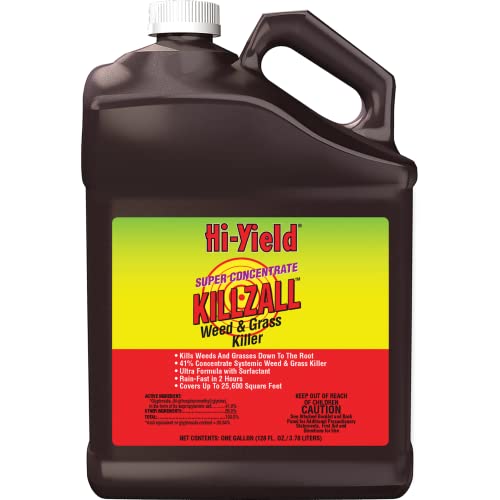
Hi-Yield Super Concentrate Killzall 1 gal

Hi-Yield Killzall 365, 32 oz

Spectracide Weed Stop Plus Crabgrass Killer 32 oz

Ortho GroundClear Super Concentrate 32 oz
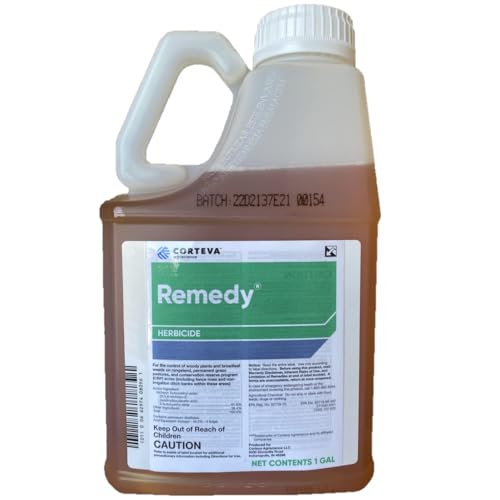
Remedy Ultra Triclopyr Brush Control 1 Gal

Roundup Weed & Grass Killer Concentrate 1 gal

Control Solutions Eraser 41% Glyphosate 1 Qt

Roundup Weed and Grass Killer III Trigger Spray 30 oz

Roundup Dual Action Plus 4-Month Preventer
Why These Options Stand Out
The Hi-Yield Triclopyr Ester is the kind of bottle you reach for when broadleaf troublemakers like oxalis and wild violet keep showing up against the fence without disturbing the cool-season turf you want to keep. As an ester formulation of triclopyr (a synthetic auxin herbicide that disrupts plant growth hormones in broadleaf species), it handles actively growing weeds across ornamental bluegrass, perennial ryegrass, and tall fescue, and it doubles as a bluegrass suppressor for homeowners refining their stand.
That said, the label excludes common warm-season grasses including bermudagrass, St. Augustine, and Zoysiagrass, so a quick turf check before spraying prevents the kind of dead patch you don’t want to explain to the neighbors. For most backyards, the 8 oz concentrate gives you plenty of mixed batches to walk a long fence line without overdoing it.
Benefits That Matter
- Targets tough broadleaf weeds like wild violet and oxalis without harming compatible turfgrasses
- Functions as a bluegrass suppressor for selective lawn renovation along fence perimeters
- Concentrate format keeps storage simple and stretches each bottle across many applications
- Works on actively growing weeds, which means predictable timing during the growing season
- Compatible with several cool-season ornamental turfs for flexible landscape use
Things To Consider
- Cannot be used on warm-season grasses, limiting flexibility in southern landscapes
- Mixing ratios must be measured carefully, since over-application can damage desirable turf
Made For
Homeowners with cool-season lawns who need to clean up a fence line without sacrificing the surrounding grass.
Consider Something Else When
You’re working around warm-season turf like bermudagrass or St. Augustine, in which case the Hi-Yield Super Concentrate Killzall 1 gal handles non-lawn zones more cleanly.
For property owners staring down a long rural fence with woody brush creeping in, the Hi-Yield Super Concentrate Killzall trades finesse for sheer reach. The double-surfactant formulation (a wetting agent blend that helps the active ingredient spread and stick to waxy leaf surfaces) dries fast on plant tissue, so coverage starts working quickly even on thicker brush species that shrug off weaker mixes.
The gallon jug covers up to 25,600 square feet when diluted per the label, which translates to walking a substantial fence line, driveway edge, or pasture boundary in a single afternoon. Labeled for non-lawn areas only, this is a true total vegetation killer for spots where nothing green should grow back for a while.
Good Reasons To Consider
- Covers up to 25,600 square feet per gallon, ideal for extensive rural fence rows
- Tackles grasses, broadleaf weeds, and woody brush in one pass
- Dries on plant surfaces quickly thanks to the double-surfactant blend
- Concentrate format lets you adjust mix strength for different weed pressures
Worth Noting
- Not for use on any lawn area, so accidental overspray will kill desirable grass
- The gallon format requires dedicated storage space in a shed or garage
- Mixing accurately takes a proper measuring container and a little practice
Right Fit For
Rural property owners maintaining long fence runs, gravel driveways, or brush-heavy lots who want a single product to cover everything.
Look Elsewhere When
You need selective control next to living turf, where the Hi-Yield Triclopyr Ester 8 oz is the safer bet for cool-season lawns.
For a suburban yard where the fence line meets the patio, the Hi-Yield Killzall 365 sits in a useful middle ground. The 32 oz bottle treats up to 4,300 square feet, which handles most residential fence perimeters without forcing you to commit to a full gallon of concentrate. It’s a broad-spectrum non-selective option designed for non-crop and no-vegetation zones, so you spray where you want nothing to grow.
The mix ratios give you flexibility for both spot work and broader coverage, with 6 oz per gallon for brush and vines and a different ratio for general weed control. For most homeowners, this is the right size to keep on the shelf for seasonal touch-ups without taking up a lot of storage room.
Practical Pluses
- Treats up to 4,300 square feet from a single 32 oz bottle
- Handles broadleaf weeds, grasses, brush, and vines in non-lawn areas
- Provides labeled mix ratios for spot spraying versus full coverage
- Compact bottle stores easily in a garden shed or garage
Room For Improvement
- Not suitable for lawn applications, so any drift onto turf will cause damage
- Requires accurate measuring to get the most from each bottle
Best Suited To
Suburban homeowners managing fence edges, patio borders, and driveway cracks who want a mid-size concentrate they can use through the season.
Skip It When
Your fence borders a lawn you want to preserve, in which case the Spectracide Weed Stop Plus Crabgrass Killer 32 oz keeps surrounding turf alive.
The Spectracide Weed Stop Plus Crabgrass Killer solves a very specific problem: crabgrass and broadleaf weeds creeping out from under the fence and into a lawn you actually want to keep. As a selective herbicide (a formula designed to kill certain plants while leaving others unharmed), it targets the invaders without harming common turfgrasses, which is a relief when the fence line is also the lawn’s edge.
The 32 oz concentrate format covers a substantial residential area once mixed, and the 6-pack configuration means you’re stocked for multiple seasons. The trade-off is selectivity. This isn’t the bottle for gravel driveways or total vegetation kill, but for the strip where fence meets turf, it does the job without collateral damage.
Notable Gains
- Selective formula protects surrounding turf from accidental damage
- Specifically targets crabgrass alongside common broadleaf weeds
- Concentrate format offers strong coverage per bottle
Trade Offs
- Not designed for non-lawn zones, so gravel and dirt areas need a different product
- Multi-pack configuration takes up more storage space than a single bottle
- Won’t control woody brush or vines that sometimes grow through fence lines
Key Specs
Who Should Grab It
Homeowners whose fence line borders actively maintained turf and who need to stop crabgrass and broadleaf weeds from spreading into the lawn.
Another Choice May Suit
You need total vegetation control along a gravel fence edge, in which case the Hi-Yield Super Concentrate Killzall 1 gal handles that task more directly.
The Ortho GroundClear Super Concentrate is built for the moment you’ve finally got time to spray and the radar shows rain in two hours. The rainfast window of 15 minutes after application is the standout here, and the formula starts working on contact against a wide list of weeds and grasses, including clover, dandelion, oxalis, chickweed, and crabgrass.
It’s the kind of product that earns its place in the shed when spring weather refuses to cooperate. The 32 oz concentrate is versatile enough to use around trees, shrubs, and fence lines where you want a clean border, and depending on your mix, it can be dialed down for spot work or up for full vegetation knockdown.
Standout Benefits
- Rainfast within 15 minutes, ideal for unpredictable spring weather
- Targets a broad list of weeds and grasses in a single application
- Suitable for use around ornamental trees and shrubs along fence lines
- Concentrate flexibility allows custom mix rates for spot or full coverage
Points To Note
- Non-selective, so drift onto lawn areas will cause browning
- Requires careful measuring to avoid waste or under-dosing
Who Will Love This
Homeowners in regions with frequent spring showers who need a concentrate that won’t wash away minutes after application.
Reach For A Different Pick When
Your priority is long-term residual control, where the Roundup Dual Action Plus 4-Month Preventer provides extended suppression beyond the initial kill.
The Remedy Ultra is the bottle that shows up on ranch supply shelves for a reason: it’s formulated specifically for the work of reclaiming fence lines and pastures from brush encroachment. The triclopyr concentrate works on the entire plant, hitting both top growth and roots to keep woody species from re-sprouting the season after you cut them back. It’s also labeled for use around fence rows, which is exactly the use case most shoppers in this category actually have.
For larger properties, the gallon size gives you enough concentrate to tank-mix and cover long boundaries, and depending on your brush pressure, it can be used alone or paired with compatible broadleaf partners. The low-odor profile is a practical win for anyone spraying near livestock, homes, or working areas.
Advantages To Know
- Purpose-built for fence line and pasture brush control
- Works through the entire plant, from top growth to root system
- Low-odor formulation is more pleasant to work around than stronger alternatives
- Flexible enough to use solo or tank-mix with compatible herbicides
- Suitable for rangeland restoration and encroaching brush management
Soft Spots
- Gallon format is overkill for small residential fence lines
- Selective on brush, so it won’t handle grassy weed pressure on its own
- Brush control often requires repeat applications for full root kill
Perfect Match For
Ranch owners and acreage managers maintaining fence rows, pasture borders, and brush-heavy perimeters where woody plants keep returning.
Swap It Out When
You’re dealing with a small suburban fence with grassy weeds rather than brush, where the Hi-Yield Killzall 365 32 oz offers a more practical size.
Most homeowners reach for a Roundup concentrate at some point, and the 1 gal format gives you the volume to handle fence lines, walkways, and around-the-property cleanup from one jug. The formula kills tough weeds and grasses down to the root, including dandelion, large crabgrass, poison ivy, clover, and spotted spurge, and visible results typically show within hours under good conditions.
The rainproof window of about 30 minutes is a useful buffer, and depending on what you plan to replant, the product offers replanting flexibility between 1 and 30 days. For most fence line projects, the gallon mix rate covers a substantial amount of square footage, and the concentrate format keeps cost per application in check for ongoing maintenance.
Real Benefits
- Reliable broad-spectrum control across common weeds and grasses
- Rainproof within roughly 30 minutes after application
- Visible results typically appear within hours under normal conditions
- Replanting window offers flexibility for future landscaping plans
Honest Caveats
- Non-selective, so any drift onto lawn or ornamentals will cause damage
- Gallon size requires storage planning and a dedicated sprayer
Built With In Mind
Homeowners managing mixed weed and grass pressure along fence perimeters who want a concentrate with broad, well-documented performance.
Where A Sibling Pick Shines
Your goal is long-term prevention after the initial kill, in which case the Roundup Dual Action Plus 4-Month Preventer adds a residual barrier to the same active ingredient profile.
The Control Solutions Eraser is the workhorse option for non-crop and industrial settings where fence lines cross larger property boundaries. With 41% glyphosate as the active ingredient, it’s a strong, no-nonsense post-emergence herbicide (a product applied to weeds that are already growing and visible) that goes after annual and perennial weeds, trees, vines, shrubs, pasture grasses, and forage legumes in rangeland settings.
For most property owners, the quart size is enough to handle substantial fence perimeters and lot edges when mixed per the label. The low-odor profile makes it more pleasant to work around than higher-odor concentrates, and the broad-spectrum control suits farmstead maintenance where fence rows meet multiple vegetation types.
A Favorable Mix
- 41% glyphosate concentration delivers strong knockdown on tough vegetation
- Effective across annuals, perennials, vines, trees, and brush
- Low-odor profile improves working conditions during application
- Quart size offers practical volume for mid-size property maintenance
Points To Keep In Mind
- Industrial-strength concentrate requires careful handling and accurate mixing
- Non-selective, so any desirable plants in the spray zone will be affected
Feature Snapshot
Whose Shelf It Belongs On
Property owners managing farmsteads, fence perimeters, or rangeland where broad-spectrum industrial control makes sense.
Not Your Match When
You’re only spot-treating a small backyard fence, where the Roundup Weed and Grass Killer III Trigger Spray 30 oz is a more convenient grab-and-go format.
The Roundup Weed and Grass Killer III Trigger Spray skips the mixing step entirely, which is the entire point. You pull it off the shelf, point, and spray, and the 30 oz bottle is light enough to walk a fence line without lugging a pump sprayer behind you. Visible results typically show within about 6 hours under good conditions, and the rainproof window of 10 minutes is forgiving if a quick shower passes through.
Foaming technology is the small detail that makes the biggest difference. The foam lets you see exactly where you’ve sprayed, which prevents double coverage and keeps overspray off desirable plants. For most homeowners with a few small fence sections, this is the grab-and-go format that earns its place in the garage.
Real-World Strengths
- Pre-mixed and ready to spray, no measuring or dilution required
- Visible results typically appear within roughly 6 hours
- Rainproof within 10 minutes for fast weather windows
- Foaming spray pattern shows exactly where product has landed
Small Caveats
- Smaller bottle fills mean more frequent refills on long fence lines
- Higher cost per ounce compared to concentrate formats
The Right Fit
Homeowners with short fence sections or isolated weed patches who want a no-prep spray for occasional touch-ups.
A Better Fit Elsewhere
You’re maintaining a long property boundary and want better value per application, where the Roundup Weed & Grass Killer Concentrate 1 gal handles volume more economically.
The Roundup Dual Action Plus 4-Month Preventer takes a different approach from the rest of the list. It kills existing weeds and grass down to the root, and then leaves behind a residual barrier in the soil that stops new growth for up to four months. For fence lines where you want a one-and-done treatment each season, that extended suppression is the real draw.
The concentrate format keeps application flexible, and depending on the season, a single spring treatment can carry a fence row through the bulk of the growing season. The trade-off is placement: this isn’t a product to use where you plan to replant, and any desirable plant within the spray zone will be affected by both the kill and the prevention.
Everyday Advantages
- Kills existing vegetation and prevents regrowth for up to 4 months
- Reduces the number of seasonal treatments needed along fence lines
- Concentrate format allows custom mix rates for different coverage needs
- Works well in cracks, gravel edges, and along hardscape boundaries
Practical Considerations
- Cannot be used where you plan to seed or replant within the prevention window
- Non-selective kill plus residual barrier means careful placement is essential
- Requires accurate mixing to maintain consistent residual performance
Perfect Match For
Property owners who want a single seasonal application that keeps fence lines clear through most of the growing season without repeat spraying.
Where Another Pick Suits Better
You prefer to replant along the fence or rotate plantings, in which case the Remedy Ultra Triclopyr Brush Control 1 Gal handles woody pressure without blocking future growth.
Picking The Right Formula For Your Fence Line
Choosing the right grass killer for a fence line comes down to three practical questions. First, what grows there now: grassy weeds, broadleaf invaders, or woody brush? Second, what’s on the other side of the fence: lawn you want to keep, gravel, or pasture? Third, how often you want to re-treat: every few weeks, once a season, or once a year.
Selective products like the Spectracide Weed Stop and Hi-Yield Triclopyr Ester make sense when the fence borders turf you don’t want to sacrifice. Non-selective concentrates such as the Hi-Yield Super Concentrate Killzall and Roundup concentrate lineup work best where nothing green should return, like gravel edges, hardscape borders, or dedicated weed zones. For woody pressure and brush encroachment on acreage, the Remedy Ultra fills a role the general-purpose concentrates don’t quite cover.
Tank-mix flexibility matters on larger properties, where combining products can extend spectrum without doubling the work. For most homeowners with a single residential fence, a mid-size concentrate covers the season without overbuying.
Key Considerations Across These Picks
Where Shoppers Go Wrong
The most common mistake in this category is grabbing a non-selective concentrate and spraying it across a fence line that borders lawn, ending up with a brown stripe that lasts months. Matching the product to the spray zone, not just the weed, prevents the most expensive cleanup.
Over-applying to “make sure it works” is the second pitfall, and it usually backfires by damaging nearby desirable plants or leaving residue that prevents replanting. Reading the label, measuring accurately, and treating only the target area goes further than pouring on extra product.
When Paying More Pays Off
Higher-tier options in this category typically earn their premium through residual prevention, larger coverage volume, or specialized brush control that cheaper concentrates don’t deliver. The Dual Action Plus, for example, trades a higher upfront cost for fewer seasonal treatments. The Remedy Ultra trades a gallon commitment for brush-specific performance that general-purpose concentrates can’t match.
The upgrade is worth it when the fence line is long, the pressure is heavy, or the time between treatments matters. For a 20-foot backyard edge with light weed pressure, a mid-size concentrate is plenty.
Frequently Asked Questions
How long does it take for grass killer to work on a fence line?
Most non-selective concentrates show visible browning within hours under warm, sunny conditions, with full kill taking one to two weeks. Selective formulas that target specific weeds may take longer to show clear results, especially in cooler weather.
Can I spray grass killer on a fence line without killing my lawn?
Only selective products are safe near lawn areas. The Spectracide Weed Stop and Hi-Yield Triclopyr Ester are designed to leave listed turfgrasses unharmed. Non-selective products like the Roundup concentrate lineup will damage any grass they contact, so drift control matters when the fence borders a lawn.
How often should I re-treat a fence line during the growing season?
Frequency depends on the product. Standard non-selective concentrates typically need re-treatment every 4 to 8 weeks during active growth. The Roundup Dual Action Plus extends that window to roughly 4 months per application. Brush-heavy fence lines often need a follow-up treatment in the same season for full root kill.
Is it safe to use grass killer near pets and children?
Most products in this category require keeping people and pets out of the treated area until the spray has dried completely, which usually takes a few hours. Reading the specific product label for re-entry timing is the safest approach, since intervals vary by formulation.
What’s the difference between selective and non-selective grass killers?
Selective herbicides target specific plant types, like broadleaf weeds, while leaving listed turfgrasses unharmed. Non-selective herbicides kill or damage nearly any plant they contact, including lawn grass. The right choice depends on whether the fence line borders a lawn you want to keep or a zone where nothing should grow.
Closing Remarks
The right grass killer for a fence line depends less on brand and more on what’s growing, what’s adjacent, and how often you want to re-treat. Selective formulas protect nearby turf, non-selective concentrates handle total vegetation zones, and brush-specific products take on woody pressure that general-purpose options miss. Match the product to the spray zone, follow the label, and the fence line stays clean without collateral damage to the rest of the yard.
