

A lush flower bed surrounded by creeping grass and stubborn weeds is one of those small frustrations that keeps adding up. The right product clears those invaders without torching your petunias, your boxwood, or the morning glory you actually planted. The ten options below cover selective grass killers that spare ornamentals, total vegetation killers for spot work, and granular preventers that stop new growth before it shows up.
How The Shortlist Stacks Up
How The Shortlist Stacks Up
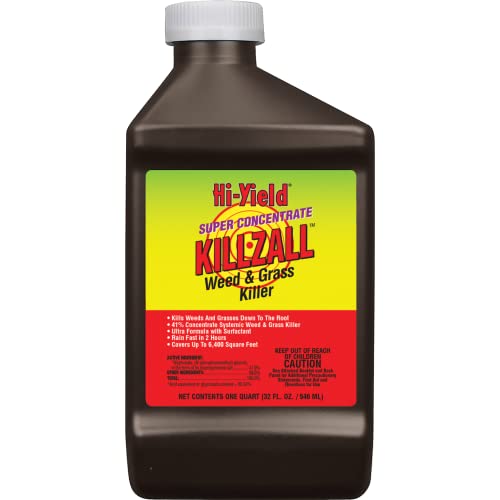
Hi-Yield Super Concentrate Killzall (32 oz)

Roundup Dual Action 365 (1.33 gal)
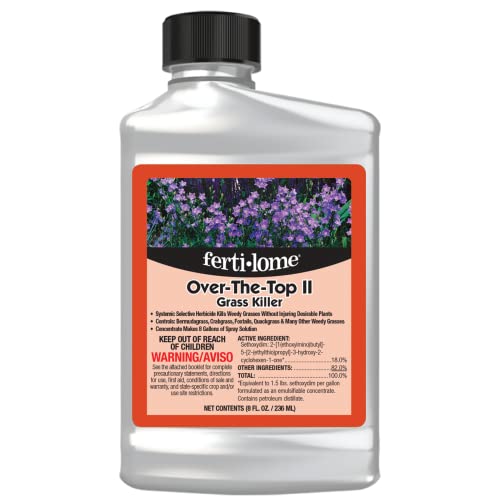
Ferti-lome Over The Top Grass Killer (8 oz)
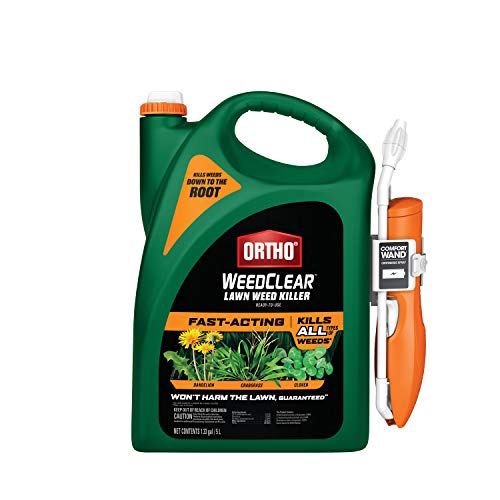
Ortho WeedClear Lawn Weed Killer (1.33 gal)

Roundup Weed & Grass Killer4 Concentrate (1 gal)
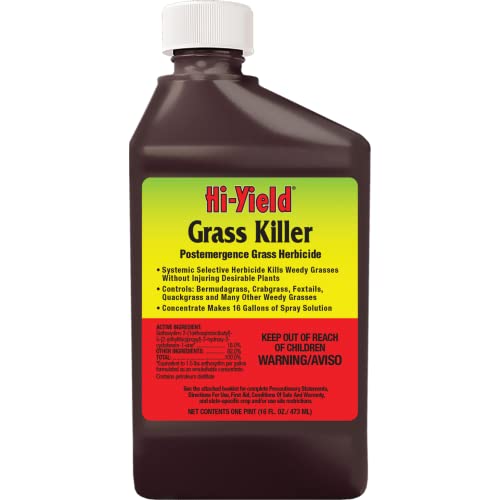
Hi-Yield 16 oz Grass Killer

Roundup Weed Barrier Granules (5.37 lbs)

Ortho GroundClear Super (0.5 gal)

Ortho Grass B Gon 24-Ounce (3 Pack)

Ortho Grass B Gon 24-Ounce (2 Pack)
Why These Options Stand Out
Hi-Yield’s Killzall is a non-selective herbicide, which means it treats any green plant it lands on, so the work flow matters. You spray it along fence lines, driveways, gravel paths, or freshly cleared soil where nothing ornamental is in the splash zone. The 32 ounce bottle covers a wide footprint, making it the kind of concentrate that suits a homeowner prepping a sizeable area for new planting rather than spot-tucking around daylilies.
A double-surfactant blend, which is a wetting agent that helps the liquid cling to leaf surfaces and absorb faster, speeds uptake so visible results show up the same day in warm weather. For flower bed work, you typically mask off prized shrubs with cardboard and treat only the bare soil between clumps. Most homeowners reach for a concentrate like this when renovating a bed from scratch, not for maintenance during peak bloom.
Reasons It Performs
- Large coverage area per bottle keeps mixing and refilling to a minimum
- Fast-drying surfactant formula helps the active ingredient absorb before rain or dew returns
- Concentrate format lets you dial dilution down for spot work or up for thick infestations
- Works on grassy invaders, broadleaf offenders, and woody brush in the same pass
Trade-Offs
- Non-selective, so any drift onto a prized perennial can scorch foliage
- Measuring and mixing adds a step that ready-to-use sprays skip
Feature Snapshot
Made For
Homeowners resetting a large bed or clearing brushy edges before replanting will get the most mileage from this concentrate.
Look Elsewhere When
You need selective control around living ornamentals, in which case the ferti-lome Over The Top Grass Killer handles that job with far less risk of collateral damage.
Roundup’s Dual Action 365 combines a kill-and-prevent formula in a single jug, which is why it earns a place on beds where regrowth is the real headache. After the initial knockdown, the residual barrier, a thin chemical layer that interrupts seed germination, keeps new weed and grass seedlings from establishing for up to a year. The trade-off shows up the moment you decide to sow new flower seed in that same spot, since the preventer will block those just as readily.
The Pump ‘N Go 2 sprayer means you pressurize the bottle once and walk the bed for several minutes without pumping. For someone maintaining a perennial border they don’t want to redo, this two-in-one approach trades replanting flexibility for twelve months of low-maintenance quiet. The 1.33 gallon size covers generous ground, so it suits established landscapes with defined edges.
Positive Points
- Combined kill-and-prevent action cuts a second seasonal application out of your calendar
- Targets crabgrass, dandelion, poison ivy, and several other tough species in one pass
- Refill-friendly pump sprayer reduces hand fatigue during longer bed treatments
Things To Consider
- Residual barrier prevents new flower seeds from germinating in treated soil
- Larger jug takes up shed storage space and adds weight at the sprayer
Feature Card
Right Fit For
Owners of mature, finished beds who want to lock in a season of clean edges with one application will appreciate the dual-action approach.
Skip It When
You plan to refresh the bed with new annuals or seed-started perennials, since the preventer layer will block them too. The Roundup Weed & Grass Killer4 Concentrate gives you kill power without that long lockout.
Where the Killzall above takes everything down, ferti-lome’s Over The Top does the opposite: it zeros in on grass weeds and leaves broadleaf ornamentals alone. The label lists vegetables, gardens, trees, shrubs, and ornamentals as safe application sites when used as directed, which is what you want when crabgrass elbows its way into a marigold patch. It works as a selective post-emergent, meaning it targets grass that is already growing rather than preventing seeds from sprouting.
The 8 ounce bottle is small in the hand but stretches to roughly 8 gallons of mixed spray, so a single bottle covers a fair amount of bed. Growth on the treated grass halts within about two days, though complete die-off takes a bit longer depending on weather. For someone with a kitchen garden or a small perennial bed that keeps picking up stray grass, the precision is worth the slower visible turnaround.
Everyday Perks
- Selective formula spares listed ornamentals, shrubs, and vegetables when applied correctly
- Compact bottle stores easily on a small shelf and mixes down to a workable spray volume
- Targets both annual and perennial grass weeds, which broadleaf-only killers miss
Honest Caveats
- Only handles grass weeds, so broadleaf invaders still need a separate product
- Smaller bottle may run short on multi-acre properties
Key Product Details
Who It Suits Best
Homeowners maintaining a small mixed bed, vegetable garden, or shrub border who need to remove grass without harming the surrounding plants will find this bottle dialed in for that job.
Consider Something Else When
Your main problem is broadleaf weeds like dandelions and chickweed, in which case the Ortho WeedClear Lawn Weed Killer covers a wider species list in a single pass.
Ortho’s WeedClear is a ready-to-use formula aimed at lawn owners who want to handle dandelions and clover without booking a service call. The Comfort Wand is a hand-held trigger sprayer that pulls liquid from the bottle, so there is no mixing, no pump, and no extra gear to drag out of the garage. For flower beds, that ergonomic trigger matters when you are bending over a border for twenty minutes.
One important caveat for this article’s audience: the label is designed to spare lawn grass while killing listed broadleaf and grass weeds. Around ornamental beds, the formula can still damage plants you want to keep, so spray discipline matters. You get a long list of controlled species, which makes it useful in transitional areas where lawn bleeds into a bed edge.
A Strong Showing
- Pre-mixed formula skips the measuring and dilution step entirely
- Comfort Wand reduces grip fatigue during longer spraying sessions
- Targets a long list of broadleaf and grassy weeds for versatile lawn-edge work
Points To Note
- Designed for lawns, so overspray onto ornamentals can still cause damage
- Bulkier ready-to-use jug weighs more at refill than a comparable concentrate
Best Suited To
Casual gardeners who want grab-and-go convenience along the lawn-to-bed transition will get the most out of the Comfort Wand design.
Another Choice May Suit
You need selective grass control deep inside an established bed, in which case the ferti-lome Over The Top formula is engineered for that closer-in work around ornamentals.
Roundup’s Killer4 concentrate sits in the middle of the line: aggressive enough for tough perennial weeds, simple enough to mix for routine spot work. The active ingredient travels through foliage down to the root, which is what makes it effective against deep-rooted grasses like quackgrass and bindweed that survive shallow removal. Visible results show up in hours on a sunny day, and rainfast timing, meaning how quickly the spray dries and resists being washed off, lands in the same half-hour window as the Dual Action formula above.
One practical perk is the replant window. The label indicates you can plant back into treated soil in as little as one to thirty days depending on what you intend to grow, which is far more flexible than the year-long lockout of the Dual Action jug. For a bed you want to renovate in stages, that flexibility is the deciding factor.
Where It Helps
- Root-kill action reaches deep-rooted grass weeds that survive hand pulling
- Replant window opens within days for many flower and vegetable varieties
- Concentrate format lets you scale the mix to match the size of each job
Soft Spots
- Non-selective, so spraying near desired plants requires careful shielding
- Mixing step adds setup time compared to ready-to-use options
Spec Overview
Who Will Love This
Homeowners staging a multi-week bed renovation who need root-kill power without a year-long planting lockout will find the timing right.
Where A Sibling Pick Shines
You want a one-and-done seasonal application with built-in prevention, in which case the Roundup Dual Action 365 handles both jobs in the same jug.
Hi-Yield’s 16 ounce selective grass killer plays the same role as the smaller ferti-lome bottle but stretches further, mixing into about 16 gallons of spray solution. It targets grass weeds in and around vegetables, gardens, trees, shrubs, and ornamentals, which is a long list of safe sites that signals how carefully the formula is engineered. For a homeowner with several beds to walk through, the larger mixed volume reduces refill trips.
Growth on the targeted grass halts within about two days, and full die-off follows over the next week depending on weather and grass type. Concentrate formats like this one are also easier to store long-term than ready-to-use jugs, since the active ingredient stays stable in a sealed bottle. For budget-minded shoppers, the price-per-gallon-of-spray math tends to favor the larger concentrate bottle.
The Practical Payoff
- Generous mixed volume reduces how often you refill the sprayer mid-bed
- Selective action lets you treat near ornamentals without burning them
- Concentrate format stores compactly on a shelf for use across multiple seasons
A Few Limitations
- Only effective on grass weeds, so broadleaf invaders need a separate product
- Mixing step adds a small setup routine before each application
Right Fit For
Budget-conscious gardeners managing multiple beds who want a selective grass killer with low cost per mixed gallon will appreciate this bottle’s math.
Reach For A Different Pick When
You’d rather skip mixing and reach for a trigger sprayer, in which case the Ortho Grass B Gon Ready-to-Use gets you out the door faster.
Where every other pick on this list kills what is already growing, the Weed Barrier Granules prevent what has not sprouted yet. The granular format is a pre-emergent, meaning it forms a chemical barrier in the top layer of soil that interrupts seed germination, applied around established trees, shrubs, perennials, ground covers, ornamental grasses, bulbs, and bedding plants. The product description calls out that it will not harm listed plants when used as directed, which is the key detail for flower bed use.
You spread the granules across the bed surface and water them in to activate the barrier, a different rhythm from spraying foliage. Timing matters more than technique: most users apply in early spring before weed seeds germinate or in fall to reduce winter annual pressure. The 5.37 pound bag covers a generous footprint, suiting larger landscape beds where hand-shaking a smaller container would take hours.
Well-Handled Touches
- Pre-emergent action stops grass and weed seeds before they sprout, reducing future weeding sessions
- Safe to apply around a long list of established ornamentals when used as directed
- Granular format spreads quickly with a broadcast or drop spreader across larger beds
Practical Considerations
- Does not kill existing growth, so pairing with a contact herbicide is often needed for a clean reset
- Barrier blocks new flower seeds too, so direct-sown annuals struggle in treated soil
Who Should Grab It
Homeowners with established perennial beds looking to stop next season’s weed pressure before it starts will get the biggest payoff from a spring granular application.
Swap It Out When
Your bed is already overgrown and needs a knockdown first, in which case the Roundup Weed & Grass Killer4 Concentrate clears the existing growth so the granules can do their prevention work afterward.
Ortho’s GroundClear Super uses a triple-action formula: one ingredient burns on contact while two more penetrate downward toward the root. That combination matters when you are facing the kind of perennial invaders that shrug off single-mode treatments, like established Bermuda patches in a flower bed or stubborn vetch climbing through a fence line. The Comfort Wand sprayer keeps the ergonomics friendly for a half-gallon of liquid work.
The 0.5 gallon size is more compact than the jugs above, which makes it easier to haul to a back corner of the yard or store in a small shed. For flower bed owners, the rule is the same as for any non-selective herbicide: shield your desirable plants, spray only the invaders, and accept that this is a tool for the worst patches rather than routine maintenance. Where it earns its keep is the bed edges that have turned into a jungle by midsummer.
What Works In Its Favor
- Triple-action formula combines contact burn with root-kill for tougher perennials
- Comfort Wand design is easier on the hand than a pump sprayer for short sessions
- Compact half-gallon size is easier to store and carry than full jugs
Less-Strong Areas
- Non-selective chemistry means any drift onto ornamentals causes damage
- Smaller jug may run out on multi-bed or multi-day projects
Perfect Match For
Gardeners dealing with stubborn perennial grass invasions along fence lines, driveways, or bed edges that other products have not fully controlled will appreciate the heavier-duty formula.
Not Your Match When
You need to preserve nearby ornamentals, in which case the Ortho Grass B Gon Garden Grass Killer targets grass weeds specifically without threatening your broadleaf plants.
The three-pack of Ortho Grass B Gon arrives as ready-to-use trigger bottles, so you grab one and start spraying. The formula targets grassy weeds including crabgrass, tall fescue, Bermuda, and other listed species while the label states it will not harm landscape plants when used as directed. For homeowners who would rather not measure, mix, or pump, the convenience is the entire pitch.
Three bottles give you enough volume to walk through several beds, and the smaller individual containers are easier to maneuver around tight corners than a single heavy jug. Most users find a comfortable rhythm of spraying in short sessions, refilling from a backup bottle, and stashing empties for recycling. The product treats the bed, then the rainfast window, meaning how long the spray needs to dry before rain won’t wash it off, of about an hour is workable for most spring and fall weather.
Practical Pluses
- Ready-to-use format skips mixing and cleanup, ideal for first-time users
- Selective on grass weeds, sparing listed landscape plants and ground covers
- Multi-pack format keeps a spare bottle on hand for follow-up treatments
Where It May Fall Short
- Per-ounce cost is higher than concentrate alternatives when treating large areas
- Trigger sprayers can fatigue the hand during extended spraying
Whose Shelf It Belongs On
Families maintaining several beds who want a grab-and-go bottle without mixing steps will appreciate the multi-pack convenience and friendly trigger action.
Look Elsewhere When
You want to stretch a single purchase across a season of large beds, in which case the Hi-Yield 16 oz concentrate offers a lower cost per gallon of mixed spray.
The two-pack version of Ortho Grass B Gon covers the same grassy weed species, including crabgrass, tall fescue, Bermuda, and Kentucky bluegrass, with the same selective action around landscape plants. Two bottles instead of three suits a smaller yard or a single bed you want to refresh without storing extras. Treat the bed, store the spare on a shelf, and use it later for spot regrowth.
The rainfast timing of about an hour means a morning application usually holds up against afternoon weather. For most homeowners with one or two defined beds, the two-pack hits a sweet spot between too little and too much. If you find the second bottle unused by midsummer, that is a sign the infestation was lighter than expected, not a wasted purchase.
Notable Upsides
- Right-sized multi-pack for homeowners with one or two defined beds
- Selective action targets grassy weeds while sparing listed landscape ornamentals
- Trigger sprayer design keeps setup and cleanup minimal
Some Limits To Know
- Only covers grass weeds, so broadleaf invaders like clover need a separate product
- Per-ounce cost runs higher than concentrate options for treating wide areas
Built With In Mind
Beginners managing a small bed who want a forgiving, ready-to-use format will get a gentle introduction to selective grass control.
Where Another Pick Suits Better
You maintain several large beds across the property, in which case the Hi-Yield 16 oz Grass Killer concentrate gives you more mixed spray for the money.
What Matters Most When Choosing Grass Killers For Flower Beds
Selective vs. Non-Selective Chemistry
The first fork in the road is whether you need a selective or non-selective herbicide. Selective products, like the ferti-lome and Ortho Grass B Gon picks above, target grassy weeds while sparing listed broadleaf ornamentals. Non-selective products, like the Hi-Yield Killzall concentrate, take down anything green they touch. Flower bed work usually calls for selective chemistry unless you are clearing a section for replanting.
Format and Application Style
Concentrates cost less per treated area and store compactly, but require measuring, mixing, and a pump or hose-end sprayer. Ready-to-use bottles cost more per ounce but skip every setup step. Granular preventers like the Roundup Weed Barrier Granules spread with a broadcast spreader and water in, which fits a different rhythm of seasonal work. Match the format to how much pre-spray fuss you actually want to deal with.
Timing and Replant Windows
Pre-emergent granules need to go down before weed seeds germinate, typically early spring. Selective grass killers go on after the invaders are actively growing, when foliage is large enough to absorb the spray. Non-selective killers work fast but may lock you out of replanting for days to months, depending on the formula. Checking the replant window on the label prevents the disappointment of sowing seeds that never come up.
Coverage and Container Math
Manufacturers list coverage in square feet, which helps when sizing a jug to your bed. A 32 ounce concentrate at several thousand square feet per bottle handles a sizeable yard, while an 8 ounce bottle better fits a single bed or a small kitchen garden. The cost per square foot of mixed spray tends to favor concentrates, though ready-to-use bottles save time.
Key Considerations Across These Picks
Pitfalls Shoppers Hit
The most common mistake is grabbing a non-selective herbicide and spraying it through a mixed bed on a windy afternoon, which puts your ornamentals at risk as much as the weeds. Another is assuming rainfast timing applies to a heavy downpour an hour after application. Always read the label for the specific species list, since “kills grass” on the front can mean very different things across products. A final trap is under-diluting concentrate to chase stronger results, which usually burns the leaves of desirable plants rather than improving kill rate.
Where The Extra Money Goes
Higher-tier products in this category earn their premium through longer residual control, more forgiving rainfast windows, or built-in pump sprayers that replace a separate equipment purchase. The Roundup Dual Action 365, for example, combines kill and preventer in a single jug, which is genuinely useful for finished beds you do not want to redo. Concentrates with broader species lists cost more up front but reduce the need for a second product. For a one-time bed reset, a basic concentrate handles the job. For ongoing maintenance, the upgrade often pays for itself in fewer applications and cleaner edges.
Frequently Asked Questions
Can grass killers harm my flowers if used carefully?
Selective formulas are designed to spare listed ornamentals, but overspray or wind drift can still damage foliage. Shielding prized plants with cardboard during application and spraying on calm days reduces the risk considerably.
How long does it take to see results after spraying?
Most contact and systemic products show visible yellowing or wilting within hours to a few days, depending on weather, weed size, and the active ingredient. Full die-off often takes a week or longer, especially in cooler weather.
Is a concentrate or ready-to-use bottle easier for beginners?
Ready-to-use bottles win on convenience because there is no measuring or mixing. Concentrates win on cost per treated area once you are comfortable with a sprayer. Beginners often start with ready-to-use and graduate to concentrate after a season or two.
Will rain wash the product away after I spray?
Most modern formulas are rainfast within about 30 minutes to an hour, but a heavy downpour right after application can still reduce effectiveness. Spraying during a dry forecast window gives the active ingredient time to absorb into foliage.
Can I plant new flowers in the same bed after treatment?
Replant windows vary by product. Non-selective concentrates may allow replanting in days, while preventer formulas can lock the soil for months. Always check the label for the specific crop you intend to grow, since ornamentals and edibles sometimes have different replant intervals.
Bottom Line
The right pick depends on whether your main headache is grassy weeds creeping into a planted bed, broadleaf invaders along the lawn edge, or seeds waiting to sprout next spring. Selective concentrates handle grassy weeds in mixed beds with the least collateral damage. Ready-to-use trigger bottles trade a little cost for a lot of convenience. Granular preventers reduce future weeding if applied before germination. Match the formula to the job, read the label for the species list, and the bed stays clean without sacrificing the plants you actually wanted.
