

Central Ohio sits in a transition zone where summers get hot and humid, winters bring real freeze-thaw cycles, and a single lawn can swing from soggy in April to bone-dry by August. Picking the wrong seed here means watching dollars wash away in spring rains or crisp up in July heat. The right cool-season mix, matched to your light and soil conditions, makes everything easier from the first rake pass onward.
Below is a curated shortlist built around the varieties that handle Columbus-area weather without constant babying. Shade under maples, sun-baked south-facing slopes, kid-and-dog traffic patches, and quick fall overseeding are all covered. Each pick includes a real-world fit so you spend less time guessing and more time growing a thicker stand of turf.
A Quick View Of The Lineup

Jonathan Green Black Beauty Dense Shade Grass Seed

Jonathan Green Black Beauty Heat & Drought Resistant Grass Seed

Jonathan Green Black Beauty Ultra Grass Seed

Pennington Annual Ryegrass Grass Seed
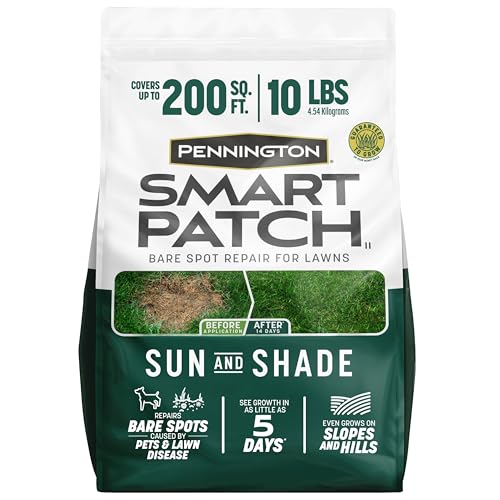
Pennington Smart Patch Repair Mix

Pennington Bermudagrass Grass Seed

Pennington Clover & Grass Mix

Scotts Kentucky 31 Grass Seed Mix

Eretz Creeping Red Fine Fescue Seed
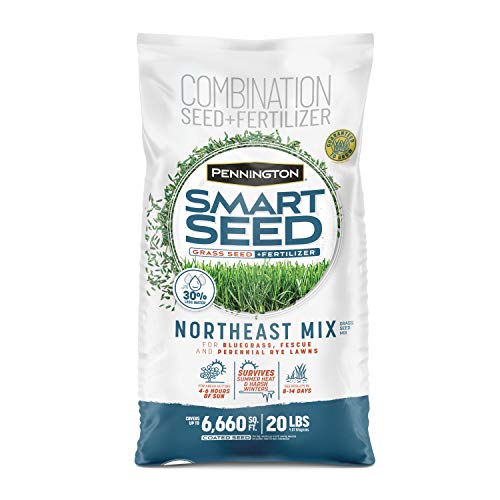
Pennington Smart Seed Northeast Mix
Taking A Closer Look At The Options
Central Ohio yards with mature maples, oaks, and two-story homes casting long afternoon shadows tend to punish standard sun-loving blends. This Jonathan Green entry targets those tough under-tree and north-side zones where most seed fails to fill in.
The mix leans on varieties bred to photosynthesize efficiently under low light, with endophyte enhancements (beneficial fungal symbionts inside the seed) that help grass resist surface insects and minor stress. In a side-by-side with the Heat & Drought blend further down this list, this one trades heat tolerance for shade performance, so picking between them depends on which stress your yard actually faces.
What It Does Well
- Engineered for areas with limited sun penetration, including dense tree canopies and structural shade
- Produces a dark green, dense turf that holds color even in lower-light conditions
- Germinates in roughly 14 to 21 days, giving you a usable stand before summer stress hits
- Endophyte content offers natural insect resistance, reducing surface feeding pressure
- Works as both a full shade overseed and a patch fill for thin tree-line areas
Honest Caveats
- Not the right pick for open, south-facing lawns where heat-loving blends would thrive
- Seedlings still need consistent moisture during establishment, so watering discipline matters
- One-pound pouches require multiple purchases for larger lawns, which can complicate coverage planning
Key Specs
Made For
Homeowners with mature tree canopies, north-facing lawns, or shaded side yards where standard sun blends stay thin and patchy.
Look Elsewhere When
You have a wide-open, sun-baked lawn and should grab the Jonathan Green Heat & Drought Resistant Grass Seed instead for better summer resilience.
July in Columbus can cook a lawn in a single week, and that’s exactly the stress this Jonathan Green blend was built to handle. Tall fescue and Texas bluegrass combine for a turf that stays greener longer when rain stops and temperatures climb.
The real trick sits in the waxy leaf coating that mimics an apple’s skin: it slows moisture loss at the surface level, so plants keep photosynthesizing through dry spells. Pair this with full sun and you’ll get a thicker, more drought-tolerant stand than the dense shade mix from Pick 1, though you trade some performance in low-light corners.
What Earns Its Place
- Tolerates heat up to 100°F, a real-world edge during Central Ohio July stretches
- Waxy leaf coating limits evaporation, keeping plants hydrated longer between rains
- Deep-rooting tall fescue component reaches subsoil moisture in dry weeks
- Texas bluegrass adds rhizomatous spread (underground stems that send up new shoots) to fill thin areas
Points To Note
- Establishment still requires steady watering for the first few weeks after sowing
- Color leans slightly lighter than the Dense Shade option in deep shade
- Three-pound bags cover a moderate area, so larger properties need multiple units
Right Fit For
Homeowners with full-sun to lightly shaded yards, especially south-facing slopes or open back lawns that struggle through July and August.
Not Your Match When
Your lawn sits under heavy tree cover, where the Jonathan Green Black Beauty Dense Shade Grass Seed is a better match for the light conditions.
When you’re starting from scratch on a new build lot, or your existing lawn has thinned to the point of no return, a single-species blend rarely cuts it. Black Beauty Ultra mixes tall fescue, Kentucky bluegrass, and perennial ryegrass so multiple species cover each other’s weaknesses.
The seven-pound pack suits a full reseeding rather than a touch-up. Kentucky bluegrass spreads via rhizomes to fill gaps, while tall fescue drives deep roots that handle dry weeks. Compared to the Heat & Drought mix above, this one trades a touch of single-stress performance for broader adaptability across sun and partial shade.
The Upside
- Three-species blend offers balanced performance across sun, partial shade, and moderate traffic
- Tall fescue component delivers the deep roots needed for summer dry stretches
- Kentucky bluegrass adds self-repairing spread through underground rhizomes
- Quick germination speeds up the establishment of newly seeded lawns and repairs bare patches
Things To Consider
- Seven-pound bags are heavy to haul and may be more than a small patch needs
- Three-species mixes can show uneven color if one species establishes faster than the others
- Best results still depend on starter fertilizer and consistent post-seeding watering
Quick Facts
Best Suited To
Homeowners reseeding an entire lawn or reclaiming a yard that’s been overtaken by weeds and bare patches.
Consider Something Else When
You only need a quick seasonal touch-up and the Pennington Annual Ryegrass will green things up faster and more cheaply.
Annual ryegrass is the speed-demon of the seed world, and that trait is exactly why it earns a spot here. Scatter it in early fall and you can see green shoots in three to seven days, which matters when erosion or a bare front yard has become a problem.
It serves a different purpose than the Jonathan Green blends above: this isn’t a permanent lawn solution, it’s a seasonal cover crop or a fast cosmetic fix. The trade-off is that annual ryegrass dies back in summer heat, so plan to overseed with a permanent cool-season blend if you want long-term turf.
Key Advantages
- Visible green in as little as three days, the fastest turnaround in this roundup
- Ten-pound bag covers substantial ground at a low per-pound cost
- Works as a winter overseed for warm-season lawns or as a temporary cover crop
- Performs well in full sun, fitting south-facing Central Ohio exposures
Honest Caveats
- Annual lifecycle means it dies back in summer heat, leaving bare spots by July
- Coarser leaf texture looks rougher than the fescue and bluegrass blends reviewed above
- Not a substitute for a permanent lawn if you’re investing in long-term curb appeal
Who It Suits Best
Homeowners needing fast, temporary cover for a new lawn, an overseeded winter lawn, or a quick erosion fix while planning a permanent seeding.
A Better Fit Elsewhere
You’re building a long-term lawn and should reach for the Pennington Smart Seed Northeast Mix instead, which is designed to persist through multiple seasons.
Dog spots, crabgrass damage, and salt-killed strips along the driveway don’t need a full reseeding, they need a targeted repair. Pennington Smart Patch is built for that scale, with grass seed and starter fertilizer bundled together so the patch gets a strong start.
The added microbials (beneficial soil microorganisms) claim to suppress disease and improve soil health around the repair zone. Coverage reaches up to 600 square feet across the ten-pound pack, which is generous for spot work. Compared to the annual ryegrass above, this is a permanent repair solution, not a temporary cover.
Good Reasons To Consider
- Combined seed and fertilizer formula simplifies small repairs
- Microbial content supports disease resistance and root development
- Covers up to 600 square feet per ten-pound bag, enough for most lawn patch jobs
- Performs across both sunny and moderately shaded lawn areas
Where It May Fall Short
- Too much product for someone needing to repair only a square foot or two of damage
- Fertilizer component means storage in a dry spot to prevent clumping before use
Perfect Match For
Pet owners repairing urine spots, homeowners filling in dead patches from last summer, and anyone doing small repair work rather than a full reseed.
Reach For A Different Pick When
You’re renovating the whole lawn and the Jonathan Green Black Beauty Ultra Grass Seed will deliver better whole-yard coverage and species diversity.
Bermuda isn’t the obvious Central Ohio choice, but improved cold-tolerant varieties in this Pennington blend handle Columbus winters better than the Bermuda your grandparents knew. That makes it viable for full-sun back lawns where traffic would shred a fescue stand.
It fills aggressively through stolons and rhizomes, which is why athletic fields lean on it. The trade-off is dormancy: it browns out in winter, so neighbors with cool-season lawns will see a clear color shift from November through March.
Everyday Wins
- Improved cold-tolerant varieties extend Bermuda’s northern range into central Ohio
- Aggressive self-spreading habit repairs wear damage from kids, dogs, and foot traffic
- Deep root system improves drought resilience during peak summer weeks
- Low-growing profile produces fewer grass clippings per mowing
Points To Keep In Mind
- Goes dormant and turns brown in winter, looking patchy beside green cool-season lawns
- Full sun is essentially required, shaded yards will thin out and decline
Feature Snapshot
Whose Shelf It Belongs On
Active households with full-sun lawns, kids playing backyard sports, or dogs that have thinned out a fescue stand over the years.
Swap It Out When
You want year-round green color and should choose the Pennington Smart Seed Northeast Mix for a more traditional cool-season look.
Clover-grass blends have moved from old-fashioned to on-trend for good reason. The Durana white clover in this Pennington mix pulls nitrogen from the air and feeds it to surrounding grass, which means less synthetic fertilizer and fewer seasonal applications.
For homeowners tired of feeding the lawn every six weeks, this is a meaningful shift in workload. It also handles slopes better than pure grass, since the deeper clover root mass holds soil in place during heavy spring rains. Versus the Bermudagrass above, the look is softer and the maintenance is lower.
Where It Delivers
- Clover component fixes atmospheric nitrogen, reducing fertilizer needs over time
- Lower water demand once established, a real edge during August dry spells
- Performs well on slopes and uneven terrain where pure grass struggles to root
- Flowering clover supports bees and other pollinators through the growing season
Less-Strong Areas
- Clover flowers attract bees, a concern for households with allergy-sensitive kids running barefoot
- Visual texture differs from a uniform grass lawn and may not match neighborhood expectations
Built With In Mind
Eco-minded homeowners, anyone wanting to cut fertilizer use, and owners of sloped yards where erosion control matters as much as curb appeal.
Where A Sibling Pick Shines
You want a traditional all-grass look and the Scotts Kentucky 31 Grass Seed Mix delivers a more uniform cool-season turf without the clover component.
Kentucky 31 tall fescue has been a workhorse turf for decades, and Scotts builds on that heritage with a curated blend designed to outperform straight K-31. The heat-tolerant additions matter for Central Ohio summers, where plain K-31 can struggle once July sets in.
Seven pounds covers a meaningful chunk of lawn, and the durability story lines up with how the Jonathan Green Ultra blend above handles foot traffic, though the species mix is narrower. For larger properties where cost per square foot matters, this is a sensible middle path.
What Helps Most
- Curated blend improves on plain Kentucky 31 for thicker, greener results
- Tall fescue base delivers durability and lower maintenance than finer-bladed mixes
- Heat-tolerant additions help the lawn push through July and August
- Suits both new lawn installs and overseeding existing thin areas
Softer Spots
- Wider leaf blade than bluegrass or fine fescue, giving a coarser overall texture
- Color is good but not the deepest green in this roundup
Who Should Grab It
Budget-focused homeowners reseeding larger lawns who want durable cool-season turf without paying for premium three-species blends.
Not Your Match When
Shade covers most of your yard, where the Eretz Creeping Red Fine Fescue Seed is purpose-built for low-light conditions.
Where most big-box fescue blends include inert filler and a percentage of other crop seed, Eretz ships a 99.6 percent pure product. That matters when you’re paying for shade performance and don’t want a percentage of your bag to be stuff that won’t germinate as advertised.
Creeping red fescue handles shade better than almost any cool-season option, and its fine-bladed texture gives a denser, more uniform look than the Jonathan Green Dense Shade blend above. The Oregon Willamette Valley source is a well-regarded seed-growing region, which adds confidence in germination rates.
Positive Points
- High-purity seed with no fillers and no weed or other-crop contamination
- Excellent performance in shaded areas where most cool-season grasses thin out
- Fine-bladed texture produces a uniform, manicured look in the right conditions
- Aggressive tillering (sending up side shoots) fills in thinning spots without reseeding
Possible Compromises
- Single-species seed means less adaptability if your yard mixes sun and shade zones
- Ten-pound bag is overkill for small repair jobs
Key Product Details
The Right Fit
Shade-heavy lawns where purity, fine texture, and reliable germination matter more than species diversity.
Skip It When
You want a multi-species blend for a sun-and-shade mix and should pick the Pennington Smart Seed Northeast Mix for broader adaptability.
Pennington’s Smart Seed Northeast Mix is a perennial ryegrass, Kentucky bluegrass, and tall fescue blend tuned for the climate zone that includes Central Ohio. The fertilizer is pre-mixed into the bag at a starter rate, which saves a separate purchase and trip to the store.
For a typical Columbus yard that gets four to six hours of sun across its varied exposures, this blend handles the swings well. It survives both summer heat and harsh winters when seeded at the right time, and the 20-pound bag covers a substantial lawn. Compared to the Scotts Kentucky 31 above, it offers more species diversity and a richer color profile.
Features That Help
- Three-species blend (perennial ryegrass, Kentucky bluegrass, tall fescue) covers varied conditions
- Built-in fertilizer removes one step from the seeding process
- Tolerates summer heat and harsh winters common in the Central Ohio climate
- Suitable for lawns receiving 4 to 6 hours of daily sun
Honest Caveats
- 20-pound bag is heavy to maneuver and may be more than smaller yards need
- Built-in fertilizer means a shorter shelf life once the bag is opened
Spec Overview
Who Will Love This
Homeowners with mixed sun-and-shade lawns who want one bag that handles the full property without buying multiple products.
Look Elsewhere When
Your yard sits in deep shade and the Eretz Creeping Red Fine Fescue Seed is a more targeted answer for those low-light conditions.
What To Weigh Before Choosing Grass Seeds For Central Ohio
Match The Seed To Your Light, Not The Label
Central Ohio lawns rarely fall neatly into “full sun” or “shade” categories. Map your yard at midmorning and again at two in the afternoon; the species that thrive in those zones are the ones you should target. Sun-loving tall fescue and Kentucky bluegrass belong on the south and west exposures, while fine fescues handle the under-tree strips and north-side borders.
Time Your Seeding For Fall, Not Spring
Late August through mid-October is the prime window for cool-season seeding in Columbus. Soil stays warm enough for fast germination while air temperatures cool, reducing seedling stress. Spring seeding fights summer heat before roots can establish, so most gardeners see weaker stands.
Calculate Coverage Before You Buy
Most bags list square footage at a specific overseeding or new-lawn rate. Measure your lawn, multiply by the rate for your project, and round up. Running out of seed mid-project is a more expensive problem than buying a slightly larger bag upfront.
Choose A Seed Type You Can Maintain
Bermuda looks great in summer but browns out in winter. Kentucky bluegrass spreads to fill gaps but takes longer to establish. Tall fescue stays green longer in drought but spreads less. Pick the species whose trade-offs you can actually live with through every season.
Key Considerations Across These Picks
Where Shoppers Go Wrong
The most common mistake is buying sun-blend seed for a shaded yard and wondering why the lawn thins each year. Sun-loving species need at least four to six hours of direct light to maintain density. The flip side happens too: planting shade mixes in full sun wastes the heat tolerance you’d get from tall fescue or Bermuda. Match the bag to the actual conditions, not the marketing on the front.
Where The Extra Money Goes
Premium blends cost more because they include multiple species and higher-purity seed counts. That extra spend buys adaptability across the patchwork of conditions most Central Ohio lawns actually have. A multi-species mix smooths out the rough patches where one species struggles and another thrives, so the lawn looks consistent through more of the year. For yards with mixed sun and shade, that diversity pays for itself in fewer reseeding cycles.
