

East Tennessee throws a curveball at most grass seed: hot, humid summers around Knoxville and Chattanooga, mild winters that don’t quite knock out warm-season patches, and clay-heavy soil that holds water in valleys while ridges dry out fast. You need a seed that handles the climate shift without turning into a patchwork of brown by August. The ten picks below lean heavily on tall fescue (the regional workhorse), with smart options for shade, drought, overseeding, and full sun. Use the buying guide to match your specific yard, sun exposure, and soil pH before you commit.
A Closer Look At The Lineup

Jonathan Green Black Beauty Dense Shade Grass Seed

Jonathan Green Black Beauty Heat & Drought Resistant Grass Seed

Jonathan Green Black Beauty Ultra Grass Seed

Jonathan Green Black Beauty Tall Fescue Grass Seed Blend

Pennington Annual Ryegrass Grass Seed

Scotts Turf Builder Grass Seed Sunny Mix

Gulf Kist Centipede Grass Seed Coated

Pennington Bermudagrass Grass Seed

Scotts Kentucky 31 Grass Seed Mix
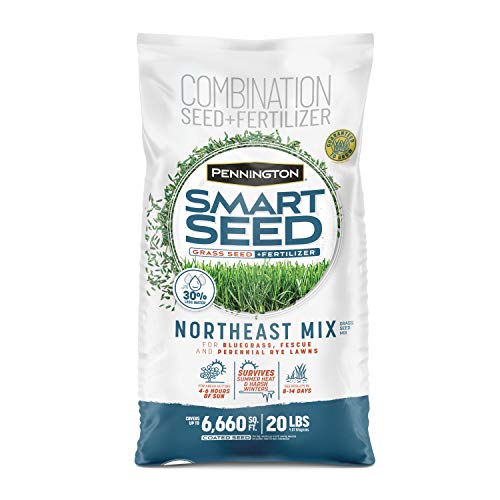
Pennington Smart Seed Northeast Mix
What Each Pick Brings To The Table
Most East Tennessee lots have at least one stubborn shaded pocket under a maple, a roofline, or a fence row, and that’s where the Jonathan Green Black Beauty Dense Shade mix earns its place. The blend is built specifically for low-light conditions where standard tall fescue starts to thin out, so the canopy and tree-shaded edges of your yard finally have a fighting chance.
For most backyards with mature trees, this seed fills in where sun-loving mixes simply give up. You may find the germination period a little longer than the heat-tolerant option below, so patience pays off here.
A Strong Showing
- Specifically formulated for shaded lawns with limited sunlight penetration
- Produces dense, dark-green turf that holds color through the season
- Contains beneficial endophytes, which are natural fungi that help the grass resist surface insects and certain diseases
- Establishes relatively quickly for a shade blend, so bare patches under trees don’t sit empty for long
Points To Note
- One pound covers a fairly small area, so larger shaded yards may need multiple bags
- Shade mixes still need filtered light, not total darkness under dense evergreens
At A Glance
Whose Yard It Belongs On
Homeowners with mature trees, north-facing slopes, or shaded side yards where regular tall fescue thins out every summer.
Where Another Pick Suits Better
The Jonathan Green Black Beauty Heat & Drought Resistant Grass Seed is a smarter match for full-sun, south-facing slopes that bake in July and August.
When your lawn sits in full sun with no tree cover, the standard tall fescue starts to crisp by late July. The Heat & Drought Resistant blend tackles that head-on with a tall fescue and Texas bluegrass mix that holds up when temperatures push toward 100°F. It’s a practical upgrade for ridge-top lots and south-facing front yards across the region.
You’ll notice the waxy leaf coating (similar to the skin of an apple) that limits moisture loss between waterings. Depending on your irrigation habits, that trait alone can stretch the time between summer soakings.
Notable Gains
- Tolerates heat up to 100°F, which covers the worst of Tennessee summers
- Waxy leaf coating preserves moisture, reducing how often you need to water
- Cold tolerance means it stays green longer into fall than pure warm-season blends
- Grows well in full sun to lightly shaded conditions, giving you flexibility
Trade Offs
- Three pounds still requires careful coverage calculation on larger lots
- Heat tolerance is not the same as heat immunity, so deep watering during drought still matters
Feature Snapshot
Made For
Homeowners on ridge-top lots, south-facing lawns, and anywhere the summer sun bakes through July without tree relief.
Skip It When
The Jonathan Green Black Beauty Dense Shade Grass Seed is the better choice for heavily shaded lots where heat tolerance isn’t the main problem.
The Ultra version is essentially the workhorse blend cranked up for new-lawn projects, with tall fescues, Kentucky bluegrass, and perennial ryegrass working together. The 25-pound bag is sized for the homeowner with a real renovation in front of them: bare builder’s lot, scraped side yard, or a full kill-and-restart after a bad grub season. It germinates quickly for a multi-species blend, so you’re not staring at dirt for weeks.
For most large projects, this bag covers several thousand square feet of new seeding, which keeps you from making multiple trips back to the retailer mid-project.
What Works In Its Favor
- Quick germination helps establish new lawns before weeds move in
- Fills bare spots in damaged or thinning lawns without starting over
- Multi-species blend adds resilience against the usual fescue disease pressure
- Large 25-pound bag suits big projects without the hassle of multiple smaller bags
Honest Caveats
- Heavier bag requires a spreader and a plan for even distribution across large areas
- New lawns demand more starter fertilizer and watering attention than patch repairs
Quick Facts
Right Fit For
Homeowners establishing a brand-new lawn from scratch or restoring a yard that’s beyond patch repair.
Not Your Match When
The Pennington Smart Seed Northeast Mix is the more practical pick for smaller overseeding jobs where a 25-pound bag is overkill.
This 100% tall fescue blend is the one most East Tennessee homeowners end up using, and for good reason. The seed produces roots that stretch up to four feet deep, which is exactly what you want when late-summer drought hits the clay soil common from Knox to Sevierville. The waxy leaf coating helps the grass hold moisture through the worst stretches, and the dark-green color matches most established lawns in the area.
For most mixed-sun yards, the 15-pound bag covers a generous overseeding pass without committing to the larger Ultra renovation size. You may find that fall seeding (mid-August through mid-October) gives the best results since the soil stays warm while the air cools down.
Strengths Worth Knowing
- Deep root system reaches moisture well below the surface during dry spells
- 100% turf-type tall fescue blend with uniform leaf texture for a clean mow
- Performs in both sunny and partially shaded areas, so you can use one bag across the whole yard
- Grass resists shredding when cut, leaving a tidier lawn after mowing
A Few Limitations
- Best planting window is narrow, so timing matters more than with forgiving blends
- Pure tall fescue can show brown patch disease in hot, wet summers without proper airflow
Spec Overview
Who Will Love This
Homeowners with typical East Tennessee mixed-sun yards who want a single dependable fescue blend that handles both full-sun and partly shaded areas.
Consider Something Else When
The Pennington Bermudagrass Grass Seed is worth a look for yards with heavy foot traffic where wear resistance matters more than shade tolerance.
Annual ryegrass is the temporary green you call in when your warm-season lawn goes dormant in late fall or your fescue needs winter backup. The Pennington bag germinates in three to seven days, which makes it a favorite for overseeding Bermuda or centipede lawns across the southern tier of the region. Think of it as a seasonal cover crop for the lawn, not a permanent stand.
You’ll get fast winter color in spots that get six to eight hours of sun, then the ryegrass dies back in late spring as your permanent grass wakes up. For most homeowners, that natural cycle is exactly the point.
Useful Strengths
- Germinates in as little as three days, so bare patches fill in fast
- Provides winter color over dormant warm-season lawns
- Works as a temporary support for thinning northern fescue lawns during overseeding
- Ten-pound bag covers a generous overseeding pass on most residential lots
Points To Keep In Mind
- Annual ryegrass dies out in late spring, so it is not a permanent solution
- Requires six to eight hours of full sun, so shaded yards get patchy results
Best Suited To
Homeowners overseeding dormant Bermuda or centipede lawns for winter color, or anyone needing quick green cover during a fall renovation.
Look Elsewhere When
The Jonathan Green Black Beauty Tall Fescue Grass Seed Blend is the better year-round choice for establishing a permanent cool-season lawn.
Scotts redesigned the Sunny Mix to focus on direct-sun performance, which fits the south-facing and open-lawn situations common in newer East Tennessee subdivisions. The blend includes Root-Building Nutrition, a combination of ingredients designed to push roots deeper from the moment the seed germinates. For most homeowners with full-sun lots and minimal tree cover, that early root push makes a real difference by midsummer.
It also tolerates light shade, so yards with a few hours of morning or late-day shade still see reasonable results. Depending on your soil, the smaller 2.4-pound bag works well for patch repairs and small overseeding projects.
Well-Handled Touches
- Formulated specifically for direct-sun performance, where most regional fescues struggle
- Root-Building Nutrition blend supports early root development
- Medium to high drought resistance once established
- Works in full sun and light shade, covering most open-lawn situations
Softer Spots
- 2.4-pound bag suits smaller projects, so larger yards need multiple bags
- Drought resistance kicks in only after the lawn is established, not during germination
Perfect Match For
Homeowners with mostly sunny, open yards, especially newer subdivision lots without mature tree canopy.
Reach For A Different Pick When
The Scotts Turf Builder Kentucky 31 Mix handles heavy-traffic lawns better where kids and pets are running across the grass daily.
Centipede grass has earned a strong following in the southern tier of East Tennessee, especially in the sandy, acidic soils around Cleveland and into Georgia. Gulf Kist’s coated seed, produced by Woerner Turf (a multi-generation turf grass company), is one of the more reliable ways to start a centipede lawn from seed. Centipede earns its “lazy man’s grass” reputation by demanding less fertilizer and mowing than fescue or Bermuda.
You’ll need to manage expectations, though. Centipede grows slowly, so patience is part of the deal. For most homeowners tired of feeding and mowing constantly, that slow growth is actually the point.
Why It Works Well
- Low fertilizer requirements compared to fescue and Bermuda
- Handles sun and moderate shade, fitting many southern yards
- Coated seed improves handling and germination consistency
- Adapted to acidic, sandy southeastern soils
Things To Weigh
- Slow growth means weeds can outpace it during establishment
- Not suited to heavy clay or high-pH soils common in the Knoxville area
- One-pound bag is sized for patch work or very small new lawns
Key Product Details
Who Should Grab It
Homeowners in the southern part of the region with acidic, sandy soil who want a low-maintenance lawn and don’t mind slower establishment.
Where A Sibling Pick Shines
The Jonathan Green Black Beauty Tall Fescue Grass Seed Blend is the better match for clay-heavy Knoxville-area soils where centipede struggles.
Bermuda is the grass you reach for when the lawn doubles as a sports field, dog run, or play area. The Pennington Bermuda blend produces a thick, aggressively self-spreading turf with improved cold tolerance, which matters at the northern edge of Bermuda’s range across East Tennessee. The deep root system handles wear and tear that would shred a fescue lawn in a single summer.
You’ll need to accept the trade-off that comes with any warm-season grass: it goes dormant and turns brown through the winter months. For most homeowners in the warmer southern counties, that’s a reasonable price for the summer resilience.
Advantages To Know
- Thick, self-spreading growth fills in damaged spots without re-seeding
- Cold-tolerant Bermuda varieties extend the growing season further north
- Deep root system supports wear resistance and drought recovery
- Low-growing blend produces fewer grass clippings during peak season
Possible Compromises
- Goes brown and dormant in winter, which can bother homeowners expecting year-round green
- Aggressive spreading can invade flower beds and curbside edges without edging
Built With In Mind
Families with kids, dogs, or frequent backyard gatherings who need tough summer grass and don’t mind a dormant winter lawn.
Swap It Out When
The Pennington Annual Ryegrass Grass Seed is the smart companion (or alternative) for anyone who wants winter green color over a dormant Bermuda lawn.
Kentucky 31 tall fescue is the traditional, workhorse variety that built many of the older East Tennessee lawns still standing today. Scotts wraps it in a curated blend that adds benefits beyond what K31 alone provides, targeting thicker, greener results for new lawns and overseeding. The 20-pound bag is sized for serious overseeding or new-lawn work.
For most homeowners wanting a low-fuss, durable lawn, K31’s reputation for toughness still holds up. You may find the leaf texture a bit coarser than newer turf-type fescues, but that roughness is part of why it handles abuse.
Useful Touches
- Curated blend improves on straight Kentucky 31 for thicker, greener results
- Tall fescue base provides durability under heavy foot traffic
- Lower maintenance demands than many premium blends
- 20-pound bag suits large overseeding and new-lawn projects
Areas To Watch
- Leaf texture runs coarser than modern turf-type fescues, which some homeowners find less refined
- Color may not match darker, denser blends like the Black Beauty Ultra
The Right Fit
Homeowners wanting a tough, traditional fescue lawn with lower maintenance needs and plenty of bag size for larger yards.
A Better Fit Elsewhere
The Scotts Turf Builder Grass Seed Sunny Mix is worth a look for open, full-sun yards where Root-Building Nutrition makes a bigger difference than K31 tradition.
The Northeast Mix is Pennington’s all-in-one answer for transitional zones like East Tennessee, where lawns have to handle summer heat, harsh winters, and everything in between. The blend combines perennial ryegrass, Kentucky bluegrass, and tall fescue, with the right amount of starter fertilizer already mixed in. For most new-lawn projects, that built-in fertilizer saves a step and gives seedlings the push they need.
It targets areas getting four to six hours of sunlight, which covers a lot of mixed-sun yards in the region. Depending on your soil, the all-in-one convenience can simplify a fall renovation considerably.
Where It Excels
- Premium three-species blend balances heat survival with winter hardiness
- Includes starter fertilizer at the right rate for new seedlings
- All-in-one pack simplifies fall and spring seeding projects
- Handles four to six hours of sun, fitting many mixed-light yards
Details To Watch
- Built-in fertilizer means you skip a separate starter application, which can limit control for experienced soil managers
- Four-hour sun minimum rules out the deepest shade under dense canopies
Feature Rundown
Who It Suits Best
Homeowners starting a new lawn or overseeding a transitional-zone yard who want seed and starter fertilizer in a single product.
Another Choice May Suit
The Jonathan Green Black Beauty Tall Fescue Grass Seed Blend is the stronger pick for sunny or partly shaded yards that don’t need the built-in fertilizer step.
How To Match Your Yard To The Right Seed
Picking grass seed for East Tennessee starts with honest answers about sun, soil, and how you actually use the lawn. Tall fescue is the regional default for most homeowners, but the specific blend matters based on your microclimate.
Know Your Sun Exposure First Walk the yard at three times of day: morning, midday, and late afternoon. Count the hours of direct sun on each section. Anything under four hours is shade territory and needs a shade-tolerant blend like the Black Beauty Dense Shade mix. Yards with mixed sun and shade can stick with versatile tall fescue blends, while full-sun lots benefit from heat-tolerant options.
Match Seed Type To Your Soil And Region East Tennessee’s soil ranges from heavy red clay in Knox County to sandy loam in the southern tier. Clay holds water and stresses fescue roots in wet summers, while sandy soil drains fast and demands drought-tolerant options. Centipede is built for acidic, sandy southeastern soils, while tall fescue handles clay better. The Gulf Kist centipede is a strong fit for southern homeowners with matching soil, but a poor fit for clay-heavy lots.
Time Your Seeding To The Calendar The regional sweet spot for cool-season seeding runs mid-August through mid-October, when soil is warm and nights start cooling. Spring seeding (mid-March through mid-May) works as a backup, but fall gives seedlings a longer establishment window before summer stress. Warm-season grasses like Bermuda and centipede go down in late spring once soil temperatures hold steady.
Pick A Bag Size That Matches The Job A 1-pound bag handles patch repairs and very small yards. A 3 to 5-pound bag covers typical overseeding on a quarter-acre lot. New-lawn projects and full renovations need 15 to 25-pound bags to avoid running short mid-project. Buying slightly more than you calculate is wiser than running out, since spotty coverage shows for years.
Key Considerations Across These Picks
Where Shoppers Go Wrong The most common mistake is buying a sun-loving blend for a shaded yard (or vice versa) and expecting it to adapt. Grass doesn’t become more shade-tolerant after it’s already struggling. The second mistake is seeding at the wrong time of year: spring projects face summer stress before roots are deep enough, while late-winter seeding sits in cold soil and rots. A soil pH test before you buy is the cheap step that prevents the third big mistake, which is fighting acidic soil with seed blends that prefer neutral pH.
What The Higher Tier Buys Bigger bags and premium blends cost more up front, but they typically include features that save money later: endophyte-enhanced seed resists surface insects naturally, waxy leaf coatings cut water bills during drought, and built-in starter fertilizer removes a separate purchase step. The upgrade pays off most on new-lawn projects where mistakes are expensive to fix, and least on small patch repairs where a basic blend does the job fine.
Frequently Asked Questions
When is the best time to seed a lawn in East Tennessee? The best window is mid-August through mid-October, when soil stays warm and nights cool down. Spring seeding from mid-March to mid-May works as a backup, but seedlings face summer stress sooner.
Do I need a different seed for shaded versus sunny areas? Yes. Standard tall fescue thins out in heavy shade, so shaded patches benefit from a dedicated shade blend like the Black Beauty Dense Shade. Full-sun lots do better with heat- and drought-tolerant options.
Will Bermuda grass survive winter in East Tennessee? Improved cold-tolerant Bermuda varieties hold up in the warmer southern counties, but the grass goes brown and dormant through winter. Overseeding with annual ryegrass provides winter color if that matters to you.
How much seed do I need for a typical yard? A 3 to 5-pound bag handles overseeding on a quarter-acre lot, while new-lawn projects need 15 to 25 pounds. Always check the bag’s coverage rate and buy slightly more than you calculate.
Should I test my soil before buying grass seed? A basic soil pH test costs little and prevents wasted seed on incompatible soil. Centipede needs acidic conditions, while fescue handles a wider pH range, and knowing your soil saves years of frustration.
The Takeaway
The right grass seed for your East Tennessee lawn depends on sun, soil, and how you use the space. Tall fescue blends cover most mixed-sun yards, while shade-specific, heat-tolerant, and warm-season options handle the rest. Match the seed to your conditions, time the seeding for fall, and your lawn has a real shot at thriving through Tennessee’s toughest summer weather.
