

Bare patches, washed-out slopes, and stubborn runoff rarely fix themselves, and tossing down ordinary lawn seed often just feeds the problem. Choosing the right grass seeds for erosion control means matching the root system to the soil, the slope angle, and the climate you actually live in. The picks below pair ten different approaches, from warm-season Bermuda to biodegradable jute blankets, so you can stabilize loose ground without overcomplicating the job.
The Essentials At A Glance

Pennington Bermudagrass Grass Seed, 5 lb

Scotts Kentucky 31 Grass Seed Mix, 20 lbs

EZ-Straw Seeding Mulch with Tackifier, 2.5 CU FT

O.M. Scott & Sons Tall Fescue Blend Grass Seed, 8 lbs
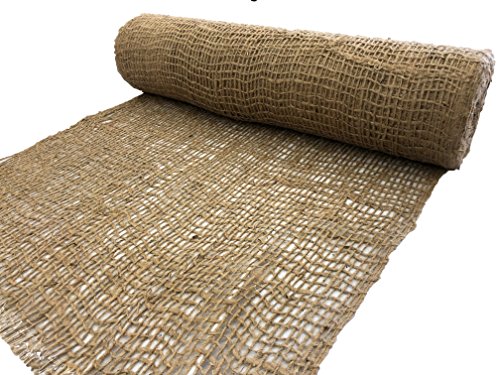
Jute Erosion Control Soil Saver Mesh Blanket, 48″ x 20 Yards

Farm Plastic Supply Erosion Control Blanket, Straw, 2′ x 112.5′

American Excelsior QuickGrass Pro Erosion Blanket, 4’x50′

Scotts PatchMaster Lawn Repair Mix Sun + Shade, 4.75 lbs

Outsidepride Switchgrass Seed, 1 lb

American Excelsior QuickGRASS Pro Jute Net Blanket, 4’x50′
More On The Choices That Made The List
Southern yards with sunbaked slopes get a workout, and Pennington’s Bermudagrass blend is built for that exact punishment. The seed produces a thick, aggressively self-spreading turf with a deep root system that grips loose topsoil instead of letting it slide.
Improved cold-tolerant varieties stretch its range a bit further north than older Bermuda strains, though the grass still goes dormant and browns out through winter in most zones. For erosion control on hot, full-sun hillsides, the self-repairing habit fills in gaps without reseeding every spring.
Strengths Worth Knowing
- Deep, aggressive root mass that anchors topsoil on slopes
- Self-spreading growth fills in thin patches naturally over time
- Cold-tolerant variety selection extends the useful range slightly north
- Low-growing blend reduces mowing frequency in plain lawn areas
- Wear resistance holds up to foot traffic and active play
Points To Note
- Goes brown and dormant during winter, so year-round green coverage is unrealistic
- Warm-season nature means it struggles to establish in cool, shaded, or short-season sites
Right Fit For
Homeowners in the Sun Belt with full-sun slopes who want a tough, self-repairing turf that handles heat and foot traffic.
Skip It When
The Outsidepride Switchgrass Seed suits you better, since switchgrass handles cooler climates, poor soils, and larger rural sites where a manicured Bermuda lawn isn’t the goal.
Large yards need bulk seed, and this 20-pound bag of Scotts Kentucky 31 mix is sized for substantial reseeding projects. Kentucky 31 tall fescue has decades of reputation for durability, and the curated blend layers in complementary varieties for a thicker result than the original cultivar alone.
For erosion control on bigger plots, the deep fescue root mass reaches well into the subsoil and tolerates a range of conditions. It doubles as a full lawn seed, so the same bag handles worn paths, thin patches, and a sloped backyard in one pass.
Real Benefits
- Bulk 20 lb size covers large lawns or multiple slope zones from one bag
- Kentucky 31 tall fescue delivers proven durability and lower maintenance needs
- Curated blend aims for thicker, greener results than single-cultivar seed
- Works for new lawns and overseeding existing turf
Practical Considerations
- Coarse fescue texture isn’t the softest under bare feet
- Bag is heavy, so storage and handling take planning before opening
- Full benefits depend on the seed-to-soil contact and watering schedule you provide
Feature Snapshot
Whose Yard It Belongs On
Homeowners tackling a full reseeding on a big lot who want a time-tested tall fescue base that doubles as erosion armor.
A Better Fit Elsewhere
Pick the Pennington Bermudagrass instead, since Bermuda spreads faster and grips hot southern slopes more aggressively than fescue.
Seed on a slope is only as good as the cover that holds it in place, and EZ-Straw tackles that with a tackifier-bonded straw bale. The tackifier is a biodegradable bonding agent that makes the straw stick to itself, the soil, and the seed, instead of blowing away at the first gust.
Covering up to 500 square feet, a single bale suits a sizeable reseeding project. Owners commonly report that the twice-cut processed straw spreads evenly and stays put through heavy rain, which is exactly the protection new grass seed needs to germinate.
Where It Delivers
- Tackifier bonding holds straw together against wind and rain
- Biodegradable organic straw breaks down naturally as grass establishes
- Shields seed from birds and washout on windy or sloped sites
- Safe for pets and children during application and breakdown
Honest Caveats
- One bale covers roughly 500 sq ft, so larger projects need multiple bales
- Straw coverage looks messy until the grass grows through and the straw breaks down
Best Suited To
DIYers reseeding a windy or sloped patch who need a tackified mulch blanket to lock seed in place during germination.
Look Elsewhere When
The Farm Plastic Supply straw blanket suits you better, since that rolled product covers long, continuous slopes with less hand-spreading effort than loose straw.
For homeowners who want a fescue blend with a heritage name behind it, O.M. Scott & Sons draws on 150 years of lawn know-how. The 8-pound bag hits a middle size, enough for meaningful reseeding without the bulk of a 20-pounder.
Tall fescue naturally develops a deep, fibrous root system that helps bind soil in place, which is exactly the trait erosion-prone spots need. Compared with the larger Scotts Kentucky 31 mix above, this one trades raw volume for a more curated approach targeted at DIY home use.
What Works In Its Favor
- Backed by a long-established lawn care brand with deep category experience
- Tall fescue base produces the deep roots erosion-prone sites need
- 8 lb bag fits typical home reseeding without excess leftover seed
- Targets DIY homeowners looking for approachable lawn upgrades
Small Caveats
- Smaller bag means larger properties need multiple purchases
- Performance depends heavily on proper prep, watering, and seasonal timing
Who Should Grab It
DIY homeowners with a medium-size yard who want a trusted brand name and a deep-rooting fescue without buying contractor-scale bags.
Not Your Match When
The Scotts Kentucky 31 Grass Seed Mix fits better, since the larger bag is more economical when you have a big reseeding project and don’t mind the heavier handling.
Small garden slopes and newly seeded beds often need more than loose straw, and a jute mesh blanket does the work of holding everything in place. At 48 inches wide by 20 yards long, this roll covers 240 square feet, a tidy fit for residential garden work.
Jute is a natural, biodegradable fiber, so the blanket breaks down into the soil as the grass establishes, leaving no plastic cleanup later. The mesh openings let light and water through to the seed bed while still shielding against raindrop impact.
Key Advantages
- Biodegradable jute breaks down naturally, no synthetic removal later
- Open mesh design lets water and sunlight reach the seedbed
- 240 sq ft roll fits garden-scale erosion projects without excess waste
- Natural fiber construction suits eco-focused landscaping plans
Less Ideal Details
- Coverage is limited, so larger slopes need multiple rolls or a wider blanket
- Jute degrades faster than synthetic blankets, so very long-term ground cover isn’t the goal
Built With In Mind
Home gardeners fixing a small slope or stabilizing a freshly seeded bed who want a natural, biodegradable cover that disappears on its own.
Another Choice May Suit
Reach for the American Excelsior QuickGrass Pro blanket instead, since that 4’x50′ roll covers more ground and suits a longer slope run.
Long slopes and drainage channels eat up material, and Farm Plastic Supply’s straw blanket stretches 112.5 feet in a single roll. The 2-foot width keeps it manageable to carry, while the total length covers extended hillsides that smaller blankets can’t reach.
The straw layer locks in soil moisture, which speeds germination and reduces watering trips during establishment. It also buffers against rainfall impact and sheet flow, two of the most common causes of seed washout on bare slopes.
The Upside
- 112.5 ft length handles long hillsides without splicing multiple rolls
- Straw fibers retain moisture around the seedbed for stronger germination
- Buffers against raindrop impact and stormwater sheet flow on slopes
- Slope-stabilizing design doubles as mulch during seed establishment
Factors To Consider
- Narrow 2 ft width means more seams to manage across wide areas
- Straw blankets degrade over time, so this is a temporary stabilization step
Feature Snapshot
Who Will Love This
Property owners with a long, narrow slope or drainage swale who need to roll out a single continuous blanket for seed protection.
Swap It Out When
The American Excelsior QuickGrass Pro blanket fits better, since its 4-foot width covers a broader area with fewer seams on wider slopes.
Some erosion blankets shout “construction site” with their tan straw color, but QuickGrass Pro comes in a vibrant green that blends into landscaping while seed establishes. At 4 feet by 50 feet, the roll covers 200 square feet of slope in a single lay.
The blanket enhances seed germination by retaining moisture and shielding against erosion on hills, slopes, and areas of concentrated flow. American Excelsior has been making erosion products in the USA since 1888, so the engineering here has a long track record.
The Practical Payoff
- Green color looks intentional on visible front-yard slopes
- 4 ft width reduces the number of seams across typical slope widths
- Designed for hills, slopes, and concentrated flow zones
- Made in the USA by a long-established erosion control manufacturer
Some Limits To Know
- Does not contain grass or weed seed, so you’ll need to seed separately
- Weed seed free, but that also means you supply all the seed yourself
Perfect Match For
Homeowners who want slope protection that looks tidy from the street while grass seed germinates underneath.
Where A Sibling Pick Shines
The EZ-Straw Seeding Mulch works better, since that product combines straw, tackifier, and seed coverage in one pass for simpler small-patch jobs.
Small bare spots caused by runoff are the everyday reality of erosion, and Scotts PatchMaster tackles them as an all-in-one repair. The mix combines seed, mulch, and fertilizer in a single bag, so there’s no guessing about ratios or buying three separate products.
The Sun + Shade blend adapts to mixed-light conditions, which is handy for patchy areas where full sun shifts to shade across the day. Compared with the bulkier Scotts Kentucky 31 mix, this one is sized and formulated specifically for spot repair, not full-lawn renovation.
Notable Gains
- Pre-mixed seed, mulch, and fertilizer saves shopping and measuring time
- Sun and shade adaptability handles patchy, mixed-light spots
- 4.75 lb bag fits small repair projects without major leftover waste
- Mulch component keeps seed moist and in place during germination
A Few Limitations
- Not designed for full-lawn reseeding or large slope projects
- Higher per-pound cost compared with buying seed and mulch separately
Feature Snapshot
Made For
Homeowners patching a few bare spots from runoff who want a single product instead of buying seed, mulch, and fertilizer separately.
Reach For A Different Pick When
The O.M. Scott & Sons Tall Fescue Blend fits better, since that bag covers meaningful reseeding on larger areas where PatchMaster would run out fast.
Big rural properties, food plots, and naturalized areas need something tougher than lawn grass, and switchgrass is the native species for that job. Outsidepride’s 1-pound pack delivers a perennial (lives for multiple years) warm-season grass with roots that reach deep into poor soils.
The variety handles both drought and flooding, which is rare in a single species, and it thrives in soil that other grasses reject. For erosion control on large lots, the tall growth and fibrous root mat build long-term soil structure rather than a quick cosmetic cover.
What Helps Most
- Tolerates both drought and flooding, rare for a single grass species
- Thrives in poor soils where lawn grasses struggle to establish
- Native warm-season grass supports local wildlife and forage use
- Perennial growth means less annual reseeding for long-term sites
Trade Offs To Consider
- Not a manicured lawn grass, so it suits rural or naturalized sites more than front yards
- 1 lb bag is small for acreage projects, requiring multiple purchases for big areas
- Tall growth habit means it isn’t a tidy suburban look
Right Fit For
Landowners with large rural sites, food plots, or poor-soil slopes who want a native, deep-rooting grass that doubles as wildlife cover.
Not Your Match When
Pick the Pennington Bermudagrass instead, since Bermuda delivers a more traditional lawn look on residential southern slopes where a manicured turf is the goal.
Steep slopes and concentrated water flow put real stress on a seedbed, and the QuickGRASS Pro jute net blanket is built for that punishment. The single durable jute net holds seed and soil in place while biodegradable fibers cling to each other and the ground, anchoring the blanket naturally.
At 4 feet by 50 feet, the roll covers 200 square feet of slope, and the all-natural jute construction breaks down as the grass matures. Compared with the standard QuickGrass Pro above, this version adds the explicit jute net layer for tougher, steeper applications where plain straw won’t hold.
Noteworthy Benefits
- Single durable jute net adds extra anchoring on steep slopes
- All-natural biodegradable construction leaves no synthetic residue behind
- Designed for hills, slopes, and concentrated water flow zones
- Green color blends into landscaping while vegetation establishes
Details To Watch
- Does not include seed, so you’ll buy and apply grass seed separately
- Heavier jute net takes more effort to unroll and stake than lighter blankets
Who It Suits Best
Property owners with a steep slope or heavy water flow zone who need the strongest biodegradable anchoring available before grass establishes.
Consider Something Else When
The Jute Erosion Control Soil Saver Mesh Blanket fits better, since that 48″ x 20-yard roll is easier to handle for smaller garden patches.
Picking The Right Seed And Blanket For Your Site
The first thing to match is climate, since warm-season grasses like Bermuda and switchgrass dominate southern zones while tall fescue blends handle transition and northern areas with cooler seasons. Slope angle matters just as much: gentle grades can rely on a seeded blanket alone, but anything over roughly 3:1 (three feet of run for every foot of rise) usually needs a true erosion blanket or jute net to hold seed in place.
Soil type changes the equation too. Sandy or rocky soils demand a grass with aggressive, deep roots like Bermuda or switchgrass, while clay-heavy ground favors fescue blends that tolerate compaction. For mixed conditions, layering a tackified straw mulch or biodegradable blanket on top of any seed gives germination a much better shot at success.
What To Weigh Before You Commit
Pitfalls Shoppers Hit
Choosing a warm-season grass for a shady northern yard sets you up for thin, patchy results, so always check the climate zone before falling for a tempting price. Buying cheap seed without reading the label is another common trap, since some bargain bags contain high percentages of inert filler or crop seed rather than viable erosion-control cultivars.
When Paying More Pays Off
Premium blankets and tackified mulches cost more upfront but reduce reseeding trips and watering frequency, so the total labor often evens out. Investing in a stronger jute net version, like the QuickGRASS Pro with the jute layer, makes sense on steeper slopes where cheaper blankets tend to fail and force you to start over.
Frequently Asked Questions
When is the best time to plant grass seed for erosion control?
Late summer to early fall usually gives the best results, because warm soil speeds germination while cooler air reduces stress on new seedlings. Spring seeding works too, but summer heat and storms often wash out tender new growth.
Do erosion control blankets really make a difference?
Yes, on slopes and bare soil they significantly reduce seed washout and runoff, especially during the first critical weeks of germination. On flat ground with minimal slope, they are usually unnecessary.
Can I use regular lawn grass seed for erosion control?
You can, but turf-type fescues and aggressive spreaders like Bermuda and switchgrass hold soil much better than typical Kentucky bluegrass mixes. For anything beyond gentle grades, dedicated erosion-control seed is worth the small premium.
How long do erosion control blankets last before they break down?
Most biodegradable straw and jute blankets last roughly one to two growing seasons, which lines up with how long seedlings need to establish full root systems. Synthetic blankets last longer but require removal later.
How much seed do I need per square foot for erosion control?
Most erosion-control seed recommendations call for higher seeding rates than standard lawn overseeding, often double the typical lawn rate, to ensure a dense root mat. Always check the bag’s coverage chart and the slope’s severity before buying.
Closing Remarks
The right grass seed, paired with the right blanket or mulch when slopes are involved, makes the difference between a patch that washes out and one that locks in for years. Match the cultivar to your climate, the blanket to your slope, and don’t skimp on coverage rate. With those pieces in place, your yard or hillside stands a much better chance of holding its ground through the next heavy rain.
