

North Alabama sits in a transitional zone where summers push past 90°F and winters occasionally dip into the teens, so picking the right seed matters more than most folks realize. The wrong blend burns out by July or thins out after a hard frost, leaving you reseeding the same patch every spring. The right seed handles those swings without constant babysitting, which is exactly what this list is built around.
The Leading Options At A Glance
The Leading Options At A Glance

Jonathan Green Black Beauty Heavy Traffic Grass Seed – 3 lb

Jonathan Green Black Beauty Dense Shade Grass Seed – 1 lb

Jonathan Green Black Beauty Heat & Drought Resistant Grass Seed – 3 lb

Jonathan Green Black Beauty Ultra Grass Seed – 25 lb

Jonathan Green Black Beauty Tall Fescue Grass Seed Blend – 15 lb

Pennington Annual Ryegrass, Grass Seeds for Lawn, 10 Lb
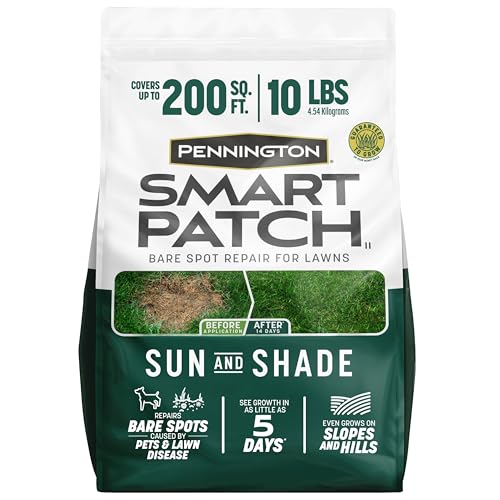
Pennington Smart Patch Grass Seeds for Lawn, Sun and Shade Lawn Grass Repair Mix, 10 LB

Pennington Bermudagrass Grass Seed, Bermuda Grass Seed, 5 lb

Outsidepride Legacy Fine Fescue Grass Seed Mix – 10 lbs.

Scotts Kentucky 31 Grass Seed Mix, 20 lbs.
More Details On Our Top Picks
If your backyard doubles as a soccer pitch every weekend, this blend earns its keep. Jonathan Green combines tall fescues with perennial rye (a fast-germinating grass often used to patch bare spots quickly) so the turf recovers faster after cleats and paws tear it up. Compared with the shade-focused pick later in this list, this one leans into full-sun performance and wear tolerance, which is why it tends to be a smarter call for open lawns in the Huntsville-Decatur corridor.
For most households, the bag covers roughly 1,500 square feet of new seeding or about triple that for overseeding, so a 3 lb pouch goes further than you might expect on a small lot. You’ll want a sharp mower blade, since the rye component can shred at the tips if you let the deck get dull.
Positive Takeaways
- Tall fescue and perennial rye mix rebounds quickly from heavy foot traffic, so weekend games and dog runs don’t leave permanent scars.
- Uniform leaf texture (the visible width and shape of the grass blade) gives the lawn a consistent look rather than a patchy blend.
- Works for backyards, sports fields, and curb strips without a separate product for each use case.
- Coated seed tends to hold moisture against the soil longer, helping during North Alabama’s dry midsummer stretches.
Things To Consider
- A 3 lb bag covers a modest area, so larger lots may need multiple bags or a bulk option like the Black Beauty Ultra covered in pick 4.
- Perennial rye can clump if you skip regular dethatching (raking out the matted layer of dead grass between soil and blades) every couple of seasons.
Key Specs
Best Suited To
Households with kids, dogs, or frequent outdoor entertaining who need a turf that bounces back after heavy use.
Skip It When
Most of your lawn sits under tree canopy, where the Jonathan Green Black Beauty Dense Shade Grass Seed – 1 lb in pick 2 will outperform it.
Mature oaks and tall pines dominate a lot of North Alabama lots, and most generic seed mixes thin out fast under that canopy. This formula is built around shade-tolerant varieties that keep producing chlorophyll (the pigment that lets grass convert sunlight into energy) with limited light, which matters when the sun only glances across your yard for a couple of hours a day. The small 1 lb pouch is more useful than it sounds since you’ll typically only target the bare patches under trees rather than the whole lawn.
The blend contains beneficial endophytes, a type of fungus that lives inside grass plants and helps deter insects naturally, which is a quiet bonus if you’d rather not lean on surface insecticides. Germination runs 14 to 21 days depending on soil temperature and moisture, so patience is part of the process.
Notable Gains
- Endophytes (naturally occurring fungi that live within grass blades) add a layer of insect resistance without chemical treatments.
- Produces a dark green color that holds up even in low-light conditions where other grasses yellow out.
- Targets the most common North Alabama lawn headache: bare dirt under hardwoods and pines.
- Small bag size keeps cost down for spot repairs instead of forcing a full-yard purchase.
Worth Noting
- One pound covers a limited area, so heavily shaded lots will need several bags or a bigger jug.
- Endophyte protection fades over time as the grass reproduces, so reseeding every few years keeps the benefit active.
Made For
Property owners whose biggest lawn problem is bare soil under established trees or beside tall structures.
Look Elsewhere When
Your yard is mostly open and sunny, where the Jonathan Green Black Beauty Heavy Traffic Grass Seed – 3 lb in pick 1 will fill in faster and handle wear better.
July and August in the Tennessee Valley can stress a cool-season lawn into dormancy (a state where grass stops growing but stays alive, often browning out) within a couple of weeks without rain. This blend pairs tall fescue with Texas bluegrass and adds a waxy leaf coating, a natural surface layer that slows water loss, similar to the skin of an apple, which slows evaporation from the blade itself. That coating is the headline feature and the reason this seed stays greener longer between waterings.
The mix performs in full sun down to light shade, so it covers the typical North Alabama yard where the front faces south and the back leans toward tree cover. The supplier rates heat tolerance up to 100°F, which lines up with the worst stretches of a typical Gadsden-area summer.
What Stands Out
- Waxy leaf coating (a natural waxy surface on each grass blade) holds moisture in the plant during heat spikes, reducing how often you need to run the sprinklers.
- Texas bluegrass parentage adds a tougher rhizome structure, or underground stems that spread and help the lawn self-repair.
- Maintains color during dry stretches when standard fescue goes straw-brown.
- Bag weight matches the heavy-traffic pick, so you can compare coverage apples to apples.
Trade Offs
- Heat tolerance helps, but you’ll still need to water during multi-week droughts to avoid dormancy.
- Texas bluegrass can grow a touch faster than pure fescue, so plan on an extra mow or two each month in peak season.
Quick Facts
Right Fit For
Homeowners tired of watching their lawn turn brown by mid-July and who want a cool-season grass that holds color longer without daily irrigation.
Reach For A Different Pick When
You’d rather go all-in on a warm-season turf like Pennington Bermudagrass Grass Seed, Bermuda Grass Seed, 5 lb in pick 8, which handles heat differently but goes fully dormant in winter.
This is the bulk version of the Black Beauty lineup, aimed at full-lawn installs or large overseeding projects. A 25 lb bag covers substantially more ground than the smaller 3 lb pouches, and the Ultra blend includes tall fescues, Kentucky bluegrass, and perennial rye for a balanced look that holds up across the transitional climate. For new construction or a yard that’s been mostly dirt for a season, the larger bag keeps you from running out halfway through the spreader.
The dark green color carries through the same way the smaller options advertise, and germination tends to be on the faster side of the cool-season range when soil temps cooperate. Store the unused portion somewhere dry and cool, because big bags can clump if they sit in a humid garage through the off-season.
Good Reasons To Consider
- Three-species blend balances quick cover (rye), long-term durability (fescue), and self-repair (bluegrass rhizomes, which are underground stems that send up new shoots).
- One 25 lb bag covers a meaningful slice of a typical half-acre lot, reducing trips back to the retailer.
- Fills in bare spots on existing lawns while doubling as a starter for new ground.
- Same dark green color signature as the rest of the Black Beauty line.
Honest Caveats
- Bulk size means more storage space and a heavier lift into the spreader.
- Three-species mixes can show uneven color briefly during transition periods before the blend settles in.
- Overbuying is a real risk if your actual coverage needs are smaller than expected.
Feature Snapshot
Who Will Love This
Anyone establishing a brand-new lawn or repairing a yard that took serious damage over a single season and needs a wide-area refresh.
A Better Fit Elsewhere
For smaller patch jobs, the Jonathan Green Black Beauty Heavy Traffic Grass Seed – 3 lb in pick 1 is easier to store and won’t leave you with leftover seed.
The headline spec on this 15 lb bag is the root depth claim: tall fescue roots that can grow up to four feet deep, pulling moisture from well below the surface during dry stretches. That kind of root mass also helps the lawn survive North Alabama’s clay-heavy soils (dense, compacted earth that holds water but resists root penetration) better than shallow-rooted varieties, since the plants can punch through compacted layers over time. Waxy leaf coating returns here, doing the same moisture-preserving job as the heat-resistant pick.
It’s a pure tall fescue blend, so you won’t get the species-mix color variation you might see in the Ultra bag. That single-species approach can read as more uniform once the lawn fills in, which some homeowners prefer over the patchy transitional look of a multi-species blend.
The Practical Payoff
- Deep roots tap subsoil moisture (water held well below the surface) during dry spells, lowering irrigation needs over a full season.
- Single-species fescue delivers a consistent color and texture across the whole lawn.
- Handles both sun and shade, so the same bag covers the front and back of a typical lot.
- Waxy leaf coating repeats the moisture-saving benefit of the heat-resistant formula.
Points To Note
- Establishes a touch slower than rye-containing blends since there’s no fast-sprouting component to hold the soil.
- 15 lb size sits in an awkward middle ground between the small pouches and the 25 lb bulk bag.
Perfect Match For
Homeowners who want a uniform-looking tall fescue lawn with strong drought resilience, especially on lots with mixed sun and shade exposure.
Swap It Out When
You need the fastest possible cover, in which case Pennington Annual Ryegrass, Grass Seeds for Lawn, 10 Lb in pick 6 germinates in a fraction of the time.
Annual ryegrass earns its place in the North Alabama shed because it germinates in three to seven days under the right conditions, and that speed solves a real problem: warm-season Bermuda lawns go dormant and brown from roughly November through March. Overseeding, or spreading new seed directly over an existing lawn, with annual rye in the fall gives you a green carpet all winter that dies back on its own when soil temps climb again in May.
The seed needs six to eight hours of full sun, so heavily shaded lots won’t get the same payoff. For sunny Bermuda yards, though, the routine is well established across the region and this 10 lb bag covers a meaningful slice of a typical quarter-acre.
The Helpful Details
- Visible green-up in under a week, which is the fastest option in this entire roundup.
- Overseeds cleanly into existing Bermuda or zoysia without needing a full reseed.
- Dies back naturally in spring as warm-season grass wakes up, so there’s no chemical transition needed.
- 10 lb bag size fits the common quarter-acre overseeding job without major surplus.
Soft Spots
- Annual means you’ll be buying seed every fall rather than establishing a permanent stand.
- Requires six to eight hours of direct sun, so shaded yards get patchy results.
- Mowing frequency picks up during the cool growing window since rye grows fast.
Whose Shelf It Belongs On
Anyone with a warm-season Bermuda or zoysia lawn who wants green grass through North Alabama winters without reseeding the whole yard in spring.
Not Your Match When
You want a permanent cool-season lawn year-round, where the Jonathan Green Black Beauty Tall Fescue Grass Seed Blend – 15 lb in pick 5 is the better long-term play.
Dog urine burns are the most common lawn scar in suburban North Alabama, and Smart Patch is engineered specifically for that job. The mix combines seed with a starter fertilizer and adds soil microbials (beneficial microorganisms that support root development), which is the part that separates it from a plain bag of seed. The microbe component helps the new grass establish faster and may reduce the disease pressure that often hits tender seedlings in warm, humid weather.
One 10 lb bag covers up to about 600 square feet of patch repair, which lines up with the typical handful of trouble spots a dog creates over a single season. The Sun and Shade North formulation is blended for the climate band, so it’s not a generic Southern or Northern mix.
Useful Touches
- Built-in starter fertilizer means you don’t have to buy and apply a separate product at seeding time.
- Microbials (tiny beneficial soil organisms added to the mix) help young grass establish faster in tough summer conditions.
- Specifically positioned for dog spot repair, so the grass variety matches the most common North Alabama lawn scar.
- Handles both sunny and moderately shaded spots with a single bag.
A Few Limitations
- Fertilizer component means a shorter shelf life once the bag is opened, so buy only what you’ll use this season.
- Repair-only positioning makes it a poor choice for full-lawn installs where the bulk Ultra bag is more cost-effective.
Key Attributes
Built With In Mind
Dog owners dealing with recurring yellow patches and homeowners filling in scattered bare spots without buying a full lawn’s worth of seed.
Where A Sibling Pick Shines
For an entirely dead lawn that needs full renovation, the Jonathan Green Black Beauty Ultra Grass Seed – 25 lb in pick 4 covers the same ground at a better cost per square foot.
Bermuda is the classic warm-season grass across central and southern Alabama, and this improved cold-tolerant variety pushes the planting zone a bit further north than older Bermuda cultivars (intentionally bred grass varieties). It self-spreads aggressively through both rhizomes and stolons (above-ground runners that root where they touch soil), which is why a 5 lb bag covers more ground than the weight suggests once the lawn fills in. The deep root system also makes it one of the more wear-resistant choices for yards that see regular barefoot traffic all summer.
The trade-off everyone should know about: Bermuda goes fully dormant and turns brown from roughly November through March in this region. Pairing it with Pennington Annual Ryegrass in pick 6 for winter overseeding solves the brown season, which is the standard Southern lawn playbook.
What Pays Off
- Aggressive self-spreading fills in bare patches without reseeding every year.
- Improved cold tolerance expands the planting range into cooler parts of the Tennessee Valley.
- Wear resistance handles active summer use better than most cool-season grasses.
- Low-growing habit means fewer grass clippings and less frequent mowing than taller fescues.
Room For Improvement
- Full winter dormancy means a brown lawn for four months unless you overseed with rye.
- Aggressive growth can creep into flower beds without edging barriers.
- Only suited to full sun; shaded areas thin out and invite weeds.
Feature Rundown
Who Should Grab It
Homeowners who want a true Southern warm-season lawn and are comfortable managing the annual brown-and-green cycle with winter overseeding.
Consider Something Else When
You’d rather keep a single cool-season lawn year-round without overseeding, in which case the Jonathan Green Black Beauty Heat & Drought Resistant Grass Seed – 3 lb in pick 3 stays green longer through summer without going dormant.
Fine fescues (a group of grasses with thin, needle-like blades) fly under the radar in the South, but this Legacy mix is a smart pick if you want a low-input lawn that doesn’t need constant feeding. The blend combines 20% Hard Fescue, 40% Chewings Fescue, and 40% Creeping Red Fescue, which together create a fine-textured turf that handles full sun, partial shade, and even the dense shade under a magnolia. The OptiGrowth coating on the seed adds a nutrient and kelp package designed to push faster germination and stronger early roots.
For homeowners who would rather mow less and water less, the slower vertical growth of fine fescue is the real selling point. You won’t get the deep, lush look of a Kentucky bluegrass lawn, but you also won’t spend every Saturday pushing the mower in July.
Where It Helps
- Three-fescue blend covers a wide light range, from full sun to dense shade, with a single product.
- OptiGrowth coating (a nutrient and kelp-based seed treatment) improves seed-to-soil contact and adds zinc, phosphorus, and nitrogen at the root zone.
- Low vertical growth reduces mowing frequency during the growing season.
- Drought and traffic tolerance built into the fescue genetics.
Practical Considerations
- Fine fescue doesn’t deliver the thick, carpet-like appearance of Kentucky bluegrass or Bermuda.
- OptiGrowth coated seed costs more per pound than uncoated blends.
The Right Fit
Low-maintenance homeowners who want a finer blade texture and are willing to trade the bold look of bluegrass for fewer mowing sessions.
Where Another Pick Suits Better
For a high-traffic backyard where kids and dogs run hard, the Jonathan Green Black Beauty Heavy Traffic Grass Seed – 3 lb in pick 1 is built for that wear pattern.
Kentucky 31 is the tall fescue cultivar (a specific cultivated plant variety) many Southerners grew up with, and this Scotts blend layers in additional seed varieties for a thicker, greener result than K31 alone. The 20 lb bag covers meaningful square footage, which makes it the kind of product that fits a budget-conscious reseed of a large rural lot or a newly cleared patch of ground. Durability and lower maintenance are the selling points; this isn’t a golf-course grass, it’s a tough, dependable workhorse.
The look is coarser than the Black Beauty Ultra mix, and the color tends a touch lighter once the lawn matures. For sheer coverage per dollar on a big project, though, the math works in this bag’s favor.
The Case For It
- Time-tested Kentucky 31 tall fescue base handles North Alabama climate swings without coddling.
- 20 lb bag covers a meaningful slice of a large lot at a manageable cost.
- Suitable for both new lawn establishment and overseeding thin existing turf.
- Lower-maintenance profile than finer-bladed mixes, with no special mowing height required.
Some Limits To Know
- Coarser blade texture reads as less manicured than Black Beauty or Outsidepride fine fescue options.
- Color tends lighter green than the darker Jonathan Green blends once fully established.
Feature Overview
Made For
Homeowners with larger lots who want reliable coverage and a time-tested fescue base without paying for premium-blend pricing.
Not Your Match When
You want a darker, more manicured look, in which case the Jonathan Green Black Beauty Ultra Grass Seed – 25 lb in pick 4 delivers a richer color at a similar bag weight.
What Matters Most Before Choosing Grass Seeds For North Alabama
Match the species to your sun and shade mix
Walk your yard at three different times of day before buying. Areas that get fewer than four hours of direct sun need a shade-tolerant blend (pick 2) or a fine fescue mix (pick 9) rather than a heat-loving Bermuda or sun-only rye. Putting a sun-loving grass in shade is the most common reason new lawns fail in this region, and no amount of watering fixes the underlying light problem.
Decide between cool-season permanence and warm-season cycles
Cool-season fescues (picks 1, 3, 4, 5, 10) stay green through winter but struggle in July heat. Warm-season Bermuda (pick 8) thrives all summer but goes brown for four months unless you overseed with annual rye (pick 6). Pick the seasonal cycle you can actually live with, because the lawn will follow that calendar every year.
Buy based on actual square footage, not bag weight
Measure the area you need to seed and check the bag’s coverage rate before you buy. A 3 lb bag is plenty for a few patches but won’t touch a half-acre, and a 25 lb bag is overkill for a small side yard. Buying the right size once beats over- or under-buying and storing the extras in a humid garage.
Where Shoppers Go Wrong and Where The Extra Money Goes
Common Shopping Slip Ups
Buying a sun-loving Bermuda or rye blend for a shaded lot is the most frequent mistake, and it shows up as thin, weedy patches by midsummer. Another slip is skipping soil prep, which is just as important as the seed itself; new seed sitting on compacted clay rarely establishes well no matter how premium the bag. Finally, seeding at the wrong time of year (peak summer or the dead of winter) wastes the bag entirely, since germination depends on soil temperature, not just air temperature.
When Paying More Pays Off
Higher-tier blends earn their premium through coatings like OptiGrowth and added components like starter fertilizer and microbials (picks 7 and 9). Those extras buy faster germination, stronger early roots, and fewer trips back to the retailer for a second round of seed. The upgrade pays off most on small patch jobs where you need the new grass to compete with existing weeds and weather stress from day one. On a large bare-lot install, the savings of a basic fescue blend (pick 10) usually outweigh the speed advantage of a premium option.
Frequently Asked Questions
When is the best time to seed a lawn in North Alabama?
The prime window for cool-season fescues is mid-August through mid-October, with a secondary window from mid-March through mid-May. Warm-season Bermuda goes down best from late spring through early summer once soil temps climb above 65°F consistently.
Can I mix cool-season and warm-season seed in the same yard?
You can, but the timing gets tricky. The standard Southern approach is to seed Bermuda in late spring and overseed with annual rye in the fall, then let the rye die back as Bermuda wakes up the following year. Mixing them in the same season usually means one species outcompetes the other.
How long does it take for new grass to be usable?
Most cool-season blends need 4 to 6 weeks before heavy traffic, and annual rye can handle light use in about 3 weeks. Keep foot traffic off new seeding entirely for the first 2 to 3 weeks while the root systems establish, and plan on the first real mow once the blades reach about 3 inches tall.
Do I need to water new seed every day?
Yes, lightly and consistently until germination. Once the grass is established, you can back off to deeper, less frequent waterings that train the roots to grow downward. Inconsistent watering during the germination window is the most common cause of patchy results.
Will grass seed go bad if I store it?
Most seed stays viable for 1 to 2 years in a cool, dry location, but humidity and heat shorten that window. Coated and fertilized blends like the Smart Patch mix have a shorter shelf life, so buy only what you’ll use in the current seeding season.
Closing Thoughts
The right seed for your yard depends less on the bag and more on what your yard actually gets: sun, shade, traffic, and your tolerance for summer brown-out. Match the species to the conditions, seed at the right time of year, and the rest tends to take care of itself. A lawn that fits your site and your habits will save you weekends for years to come.
