

A Pacific Northwest lawn asks more from a bag of seed than most regions do. Wet winters, dry summers, mossy corners, and tree shade all pull a cool-season lawn in different directions, so the seed you scatter in late summer has to handle a lot before the first frost. This list rounds up ten grass seed options worth your attention, from full-sun blends built for heat to tough tall fescues that chase moisture deep into the soil.
A Side-By-Side Look

Jonathan Green Black Beauty Sun & Shade Grass Seed (7 lb)
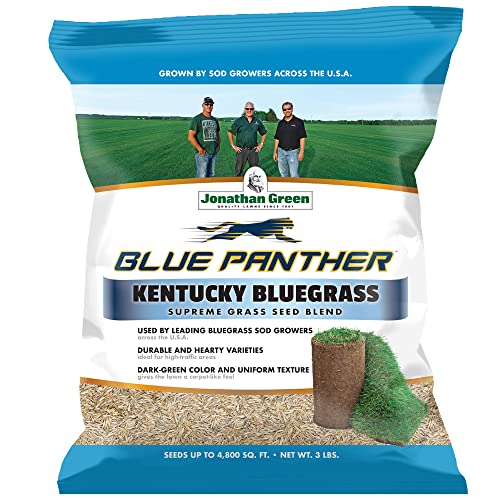
Jonathan Green Blue Panther Kentucky Bluegrass Seed (3 lb)

Jonathan Green Black Beauty Heavy Traffic Grass Seed (3 lb)

Jonathan Green Black Beauty Sunny Grass Seed (1 lb)

Jonathan Green Black Beauty Rocky Mountain Colorado Mix (7 lb)

Jonathan Green Black Beauty Keystone PA Grass Seed (7 lb)

Jonathan Green Black Beauty Tall Fescue Blend (15 lb)

Jonathan Green Black Beauty Tall Fescue Blend (25 lb)

Scotts Turf Builder All-Purpose Mix (20 lb)

Scotts Turf Builder Heat-Tolerant Blue Mix (5.6 lb)
Mixed-light yards are the rule across the Pacific Northwest, where a single lawn can swing from full afternoon sun to deep shade along a fence line. The Jonathan Green Black Beauty Sun & Shade blend is built for exactly that kind of patchwork yard, pairing cool-season grasses that flex with whatever light the season throws at them. The 7 lb bag covers a meaningful slice of lawn, so it’s a sensible starting point for a full reseed rather than a tiny patch.
For most PNW homeowners with a typical suburban lot, this is the closest thing to a safe all-rounder on the list. The trade-off shows up when conditions get extreme: deep shade under big maples or relentless south-facing heat will push you toward a more specialized blend later.
The Value In It
- Sun-and-shade flexibility suits the patchy light common to PNW lots
- Doubles as an overseeding mix to thicken sparse, tired turf
- Dark-green cultivars work well against moss-prone Pacific Northwest soils
- 7 lb bag covers a respectable area without buying in bulk
Things To Consider
- Not as heat-defensive as a dedicated sunny blend for south-facing slopes
- Establishment takes patience in heavy clay or compacted soil
- Seedling watering needs are high during the first few weeks
Made For
Suburban PNW homeowners with mixed sun and shade who want one bag that handles most of the yard without buying two specialty products.
A Better Fit Elsewhere
Households with kids, dogs, and nonstop backyard traffic will get more mileage out of the Jonathan Green Black Beauty Heavy Traffic blend later in this list.
Kentucky bluegrass has a reputation for that classic, manicured look, and Blue Panther leans into that identity with a 100% KBG blend (a single-species mix of Kentucky bluegrass cultivars). Where the Sun & Shade option compromises, this one commits: uniform color, uniform leaf texture, the kind of sod-quality turf that sod growers prize. It’s a strong match for the wetter western half of the Pacific Northwest, where bluegrass naturally thrives.
Bluegrass does demand more from you than a fescue blend. It needs consistent moisture, regular feeding, and patience through the slow germination period. For homeowners willing to babysit a showpiece lawn, the payoff is real.
What Earns Its Place
- Single-species purity gives the lawn a uniform, sod-grown appearance
- Strong self-repair through rhizomes (underground stems that spread and fill bare spots)
- Cultivars are trusted by professional sod growers across the U.S.
- Excellent cold tolerance for the cool PNW shoulder seasons
Worth Noting
- Slower germination than ryegrass-based blends, so weeds can win the early race
- Higher water demand during dry PNW summers
- Smaller 3 lb bag means extra bags for a full reseed
Quick Facts
Right Fit For
Detail-oriented homeowners with the time and water budget to maintain a classic bluegrass lawn, especially in the wetter western PNW.
Look Elsewhere When
Busy households with dogs, kids, and dry-summer irrigation limits will find the Jonathan Green Black Beauty Tall Fescue Blend far easier to keep alive.
Backyard football games, dogs doing zoomies, a path worn between the gate and the deck. The Heavy Traffic blend is engineered for that kind of punishment, leaning on tall fescues and perennial rye (a fast-starting, hard-wearing cool-season grass) chosen for wear tolerance and quick recovery. Compared to the slower bluegrass in pick 2, this one germinates faster and bounces back from divots sooner.
For PNW families whose lawn doubles as a playground, this is a real workhorse. The honest read is that “uniform lawn texture” comes with a slightly coarser blade than a pure bluegrass lawn, so curb-appeal purists may notice the difference.
What Helps Most
- Tall fescue and perennial rye handle aggressive foot traffic and pet wear
- Quicker germination than pure bluegrass blends
- Works on backyard play areas, curb strips, and rec-field-style spaces
- Recovers from wear faster than slower-establishing species
Points To Keep In Mind
- Coarser blade texture than a pure bluegrass lawn
- Smaller 3 lb bag requires multiple bags for a full backyard
- Perennial rye can clump without consistent overseeding
Who It Suits Best
Active PNW households with kids, dogs, or regular backyard sports who want a lawn that recovers instead of sulking.
Skip It When
Homeowners chasing a pristine, golf-course-style look will be happier with the Jonathan Green Blue Panther Kentucky Bluegrass option above.
South-facing slopes and sun-baked front lawns need a different kind of cool-season grass. This Sunny blend layers perennial rye, Kentucky bluegrass, and tall fescue, with cultivars chosen for heat tolerance. The 1 lb bag is small, but that’s the point: it’s a repair-size pouch for the hottest, driest patches where a full-reseed blend tends to thin out.
The trade-off shows up in shade. Toss this on a north-side strip under a cedar and it will struggle where the Sun & Shade pick from item 1 would have held. Treat it as a specialist, not a generalist.
Well-Handled Touches
- Heat-tolerant cultivar mix suited to hot, exposed lawn areas
- Waxy leaf coating helps preserve moisture through dry spells
- Compact 1 lb size ideal for patching sunny trouble spots
- Mixes three species for a more durable stand than a single cultivar
Honest Caveats
- 1 lb bag covers very little ground for a full reseed
- Heat tolerance focus means weaker performance in deep shade
- Small bag size often means higher per-pound cost
Best Suited To
PNW gardeners with a few hot, exposed trouble spots who need a targeted patch product rather than a full-yard solution.
Another Choice May Suit
Anyone seeding an entire sun-baked lawn should grab the larger 7 lb Scotts Turf Builder All-Purpose Mix from item 9 instead.
The eastern flank of the Pacific Northwest shares more climate with the Rockies than with the wet coast, and this blend was tuned for exactly that. The Rocky Mountain mix combines turf-type tall fescues, Blue Panther Kentucky bluegrass, and elite perennial rye, chosen to handle cool, semi-arid conditions at higher elevations. It’s a thoughtful fit for inland PNW lawns in places like eastern Washington or the Cascades’ dry side.
If you live in the rainy Willamette Valley, this is more grass than you need. But for anyone above a few thousand feet or in a rain-shadow pocket, the regional tuning is the whole point.
Where It Helps
- Specifically blended for high-altitude, semi-arid growing conditions
- Three-species diversity balances durability and color
- 7 lb bag handles a meaningful reseed area
- Cool-season tolerance for late springs and early frosts
Less Ideal Details
- Geared toward Rocky Mountain states, not the wet coastal PNW
- Less shade tolerance than a true Sun & Shade blend
- Bluegrass component still demands more water than pure fescue
Feature Snapshot
Whose Shelf It Belongs On
PNW homeowners on the dry, high-elevation side of the Cascades or in the interior plateau who need a regional blend instead of a coastal all-rounder.
Where Another Pick Suits Better
Wet-side PNW lawns with mixed sun and shade will do better with the Jonathan Green Black Beauty Sun & Shade from item 1.
Keystone is a regionally tuned blend built around Pennsylvania’s climate, layering tall fescues, perennial rye, and Kentucky bluegrass for a dark-green, dense turf. The Pacific Northwest shares enough cool-season overlap that this blend often transplants well, especially in the transitional zones where coastal rain meets inland cold. The 7 lb bag gives you room to work without rationing every square foot.
Where it falls short is in branding fit. It’s tuned for the mid-Atlantic, so the recommendations on the bag will reference Pennsylvania timing windows rather than PNW microclimates. The seed itself still performs, but the guidance is generic.
Useful Touches
- Three-species mix balances color, durability, and recovery
- Dark-green cultivar selection gives a uniform look across the lawn
- 7 lb bag handles medium-size reseeding jobs
- Cool-season profile fits most PNW shoulder seasons
A Few Limitations
- Regionally tuned for Pennsylvania, not the PNW
- Application timing guidance on the bag may not match local conditions
- No specific shade-optimized cultivars like a Sun & Shade blend
Who Should Grab It
PNW gardeners who like a Pennsylvania-style three-species blend and don’t mind applying PNW-specific timing on their own.
Consider Something Else When
Anyone wanting a regional blend explicitly tuned for the Pacific Northwest will find the Jonathan Green Black Beauty Sun & Shade from item 1 a more direct fit.
Tall fescue is the workhorse of cool-season turf, and the Black Beauty Original blend leans into that reputation hard. The claimed root depth (up to four feet) and a waxy leaf coating help this grass chase moisture through dry PNW summers, where shallow-rooted bluegrass often browns out by August. A 15 lb bag covers a serious slice of lawn, which makes it the practical choice for medium-to-large lots.
It’s also a smart pick for sun-and-shade patchwork yards because tall fescue handles both conditions without the special tuning of a Sun & Shade product. The honest trade-off is blade texture: tall fescue reads a bit coarser than a bluegrass lawn, which is part of the reason it’s a durability champion.
Reasons It Performs
- Deep roots chase subsoil moisture through dry summers
- Waxy leaf coating slows water loss on hot days
- Handles both sun and shade in the same yard
- 15 lb bag suits medium-to-large reseed projects
- Tolerates a range of soil conditions across the PNW
Trade Offs
- Coarser blade texture than bluegrass-forward blends
- Slower green-up in early spring than ryegrass
- Clumping growth habit without regular overseeding
Feature Rundown
Perfect Match For
PNW homeowners with medium-to-large lots who want a low-water, deep-rooted lawn that doesn’t need constant babysitting through July and August.
Not Your Match When
Curb-appeal purists chasing the manicured bluegrass look should reach for the Jonathan Green Blue Panther Kentucky Bluegrass from item 2 instead.
Same Black Beauty Original tall fescue formula as the 15 lb bag, just scaled up. The 25 lb version is the right size for whole-yard overseeds, large suburban lots, or a multi-zone reseed across front and back. For PNW homeowners with a half-acre or more, the bigger bag means fewer trips, less packaging waste, and a consistent seed lot across the whole property.
Storage matters at this size. Keep the bag sealed, cool, and dry, because seed that sits in a hot garage loses viability faster than most shoppers realize. For most people, that’s a small but real planning step.
A Strong Showing
- All the deep-root, waxy-leaf benefits of the 15 lb version
- 25 lb bag minimizes packaging waste on large projects
- Consistent seed lot across front and back yard
- Same drought and shade flexibility as the smaller fescue option
Things To Consider
- Heavy bag is awkward to handle for solo renovators
- Storage needs are greater once the bag is opened
- Overkill for small patch-and-repair jobs
Who Will Love This
PNW homeowners with large properties or full-lawn renovation projects who want one consistent seed lot from start to finish.
Swap It Out When
Smaller lots under 3,000 sq ft will be more economically served by the 15 lb Black Beauty Tall Fescue blend from item 7.
Scotts Turf Builder is the household name for a reason, and the All-Purpose Mix leans into the brand’s reputation for beginner-friendly results. The seed comes coated to absorb more water than uncoated seed, which speeds germination and helps new lawns hold moisture through their most vulnerable weeks. Marketed for the Northern region, it overlaps comfortably with most PNW climates.
The honest trade-off is blade texture. The mix produces a coarse-bladed turf that doesn’t have the manicured look of a dedicated bluegrass or fine fescue lawn. For first-time overseeders who just want a thicker, greener yard without the steep learning curve, that’s a fair deal.
Notable Upsides
- Coated seed absorbs more water for faster, more even germination
- Sun-and-shade versatility suits most PNW yards
- Repairs bare areas quickly during the growing season
- 20 lb bag covers a meaningful portion of a typical suburban lot
A Few Limitations
- Coarse-bladed texture reads less refined than a pure bluegrass lawn
- Medium drought resistance means it browns in extreme PNW heat
- Marketed for the Northern region, not PNW-specific
Made For
First-time overseeders and DIY homeowners who want a forgiving, well-known brand that won’t punish small mistakes in watering or timing.
Reach For A Different Pick When
PNW homeowners dealing with deep shade or heavy drought stress should look at the Jonathan Green Black Beauty Tall Fescue Blend from item 7 instead.
For PNW lawns that get hammered by afternoon sun, the Heat-Tolerant Blue Mix is built to take it. The blend pairs Kentucky bluegrass and tall fescue, and the included Root-Building Nutrition is designed to push seedlings toward deeper roots before the first heat wave arrives. A 5.6 lb bag is a focused size, big enough to repair a sunny zone, small enough to keep on hand for next year.
This one’s a specialist, not a full-lawn solution. Think of it as the repair pouch you reach for when the regular Scotts All-Purpose Mix from item 9 starts thinning out on a hot slope.
Everyday Wins
- Heat-tolerant bluegrass and fescue blend handles sun-baked lawns
- Root-Building Nutrition supports deep early root development
- Good repair-size bag for sunny trouble spots
- Strong fit for south-facing PNW slopes and curb strips
Worth Bearing In Mind
- Smaller 5.6 lb bag requires multiple bags for whole-lawn projects
- Specialty focus means higher per-pound cost
- Less shade performance than a Sun & Shade product
The Right Fit
PNW homeowners with one persistently hot, sunny zone who want a targeted mix that doesn’t surrender to August heat.
Where A Sibling Pick Shines
Anyone reseeding an entire sun-baked lot will get better value from the larger 20 lb Scotts All-Purpose Mix from item 9.
## What Matters Most In A Pacific Northwest Grass Seed ### Match The Mix To Your Microclimate The Pacific Northwest is anything but one climate. Coastal Oregon and Washington stay wet, mild, and moss-friendly, while the Cascades’ eastern slopes and inland basins run dry, hot, and sometimes high-elevation cold. Tall fescue blends thrive in the dry zones because their roots chase deep moisture, while Kentucky bluegrass flourishes on the wet side where consistent rainfall carries it through the growing season. Picking a regional blend for the wrong zone is the fastest way to watch a bag of seed fail. ### Look Beyond The Bag’s Pretty Pictures Manufacturers love to show a perfect lawn on every label, but cultivar mix and seed coating matter more than marketing copy. A waxy leaf coating (a natural waxy film on grass blades that slows water loss) helps in dry summers, while a water-absorbing seed coating speeds germination in cool shoulder seasons. Where the manufacturer specifies these features, they tell you more about real-world performance than a brand name does. ### Plan Around The Seeding Window Cool-season grasses want soil that’s warm but not hot, which puts the PNW sweet spot in mid-August through mid-October for fall seeding, with mid-March through mid-May as a second option. Fall is usually stronger because winter rains carry seedlings into spring with deep root systems already in place. Spring seedings often struggle against summer heat before the roots are ready for it. ### Right-Size The Bag To The Project Small repair jobs don’t need a 25 lb bag, and half-acre lawns shouldn’t be done in 1 lb increments. Match the bag size to your square footage and your storage situation: opened seed loses viability faster in a hot garage than in a cool, dry shed, and buying too much often means wasting seed rather than saving money. ## Key Considerations Across These Picks ### Common Buying Slip Ups The most common error in this category is chasing a “perfect” regional blend that doesn’t match your microclimate. A Rocky Mountain mix is wasted on a coastal lot, and a coastal all-rounder often fails in the dry interior. Another trap is ignoring the seeding window. Bag quality matters far less than timing: seed scattered in July heat will fail in any climate. ### Where The Extra Money Goes Premium seed costs more for specific reasons: newer cultivars with deeper roots, better disease resistance, and water-absorbing coatings that speed establishment. That premium matters most on hard-luck sites with poor soil, deep shade, or persistent drought. For easy, well-irrigated lots, a mid-tier all-purpose blend will perform nearly as well without the extra cost. ## Frequently Asked Questions ### When is the best time to seed a lawn in the Pacific Northwest? Mid-August through mid-October is the strongest window, with mid-March through mid-May as a backup. Fall seeding gives seedlings the benefit of winter rains before summer heat arrives. ### What grass type handles shade best in the PNW? Tall fescue and fine fescue blends tolerate partial shade better than Kentucky bluegrass. A dedicated Sun & Shade mix pairs shade-tolerant cultivars with species that still handle brighter spots. ### How long does it take for new grass seed to germinate? Perennial ryegrass can germinate in 5 to 10 days, while Kentucky bluegrass often takes 14 to 21 days. Tall fescue falls in the middle at roughly 7 to 14 days, depending on soil temperature and consistent moisture. ### Do I need to water new seed every day? Yes, light daily watering is essential during germination. Once seedlings are established, you can shift to deeper, less frequent watering to encourage strong root development. ### Can I overseed over an existing lawn? Overseeding works well on thinning lawns, but the existing turf should be mowed short and raked to expose soil first. Seed-to-soil contact is the key factor for successful overseeding. ## Final Verdict A Pacific Northwest lawn rewards a seed bag that matches the local climate, the light conditions, and the level of traffic you actually expect. The Black Beauty Sun & Shade blend is a dependable all-rounder for mixed-light yards, the Tall Fescue options carry the load on dry, deep-rooted lots, and the Heat-Tolerant Blue Mix earns its keep on sun-baked slopes. Pick the bag that lines up with your microclimate, seed at the right time of year, and keep the new grass consistently moist through the first few weeks.