

Sandy Minnesota yards are a specific kind of stubborn. Water drains before roots can grab it, the topsoil dries out fast in July, and whatever seed you scatter tends to sulk through a thin, fast-draining profile that doesn’t hold nutrients well. You need cool-season varieties that root deep, tolerate dry swings, and don’t demand a perfect loam. The ten options below lean heavily on tall fescue and fine fescue families, with a few repair-mix and soil-amendment picks for shadier or patchier corners. Each one fits a different lawn reality, so the rest of the guide walks through the trade-offs.
The Picks In Brief

Jonathan Green Black Beauty Dense Shade Grass Seed (1 lb)

Jonathan Green Black Beauty Heat & Drought Resistant Grass Seed (3 lb)

Jonathan Green Black Beauty Tall Fescue Grass Seed Blend (15 lb)

Scotts Turf Builder Grass Seed Sunny Mix (2.4 lbs)
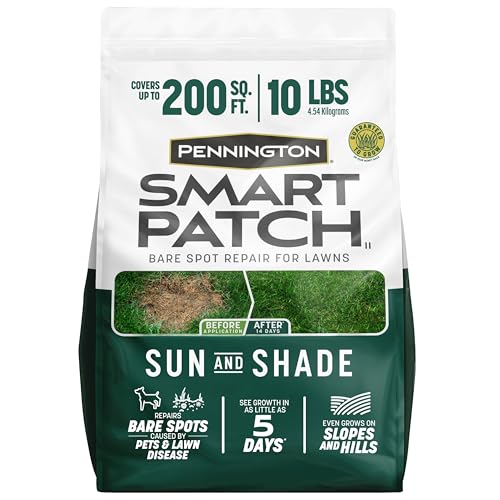
Pennington Smart Patch Sun & Shade Lawn Repair Mix (10 lb)

Pennington Bermudagrass Grass Seed (5 lb)

Outsidepride Legacy Fine Fescue Grass Seed Mix (10 lb)

Scotts Kentucky 31 Grass Seed Mix (20 lb)

Scotts Grass Seed Drought Tolerant Mix (4 lb)

Wonder Soil Coco Coir Lawn Top Dressing Mix (10 lb)
More Details On Our Top Picks
For backyards hemmed in by maples, oaks, or a north-facing wall, a cool-season blend bred for limited light tends to outperform a generic sun mix. The Jonathan Green Black Beauty Dense Shade Grass Seed line targets exactly that profile, with a small 1 lb bag that suits a modest patch repair or a thin shade strip rather than a full reseed.
You may find the 1 lb size a touch small for anything beyond a few hundred square feet, so plan on multiple bags for a typical Minnesota side yard. Compared to the heat-and-drought version later on this list, this one prioritizes filtered light over summer resilience, which is the right call under heavy canopy.
What It Does Well
- Built for areas where sunlight barely reaches the soil
- Produces a dark green, dense turf in the right setting
- Carries beneficial endophytes (natural fungal partners that help resist some surface pests and stress)
- Reaches a germination window of roughly 14 to 21 days in cool soil
Honest Caveats
- Small bag size drives up cost per square foot on bigger projects
- Not the right pick for wide-open, sunbaked sandy zones
- Shade performance drops if trees are shallow-rooted and competing hard for moisture
Whose Yard It Belongs On
Homeowners with mature trees or a north-side strip who need a shade-first cool-season blend in a small repair quantity.
Where Another Pick Suits Better
For a large, sun-blasted sandy lot, the Jonathan Green Black Beauty Heat & Drought Resistant Grass Seed (3 lb) is a stronger starting point.
Sandy Minnesota lots that take the full brunt of afternoon sun need a blend that handles both the heat and the fast-draining soil underneath. This Jonathan Green mix leans on tall fescue and Texas bluegrass, which together push deeper roots and a leaf surface (the waxy outer layer of each blade) that holds onto moisture longer than a standard Kentucky bluegrass lawn.
The bag is sized for a mid-sized reseed rather than a full renovation, so it suits a front strip or a side yard that bakes out by midsummer. Compared to the Dense Shade pick above, this one expects real sun and at least some heat exposure, which is exactly the trade-off most sandy-soil homeowners are trying to solve.
Benefits That Matter
- Tolerates temperatures up to about 100°F without going fully dormant
- Waxy leaf coating slows moisture loss between waterings
- Performs in full sun to lightly shaded exposures
- Cool-season grass that holds up in Minnesota’s variable climate
Trade-Offs To Consider
- Not the right choice for deep, dense shade
- Texas bluegrass component may not suit lawns aiming for a classic Kentucky bluegrass look
- Still needs consistent watering during the first few weeks to establish
Key Attributes
Who It Suits Best
Homeowners on sandy, sun-exposed lots who want a cool-season lawn that doesn’t brown out at the first heat wave.
Skip It When
Under heavy tree cover, the Jonathan Green Black Beauty Dense Shade Grass Seed (1 lb) is a better species match for the light conditions.
A 15 lb bag is a serious commitment, and this Jonathan Green Black Beauty Original blend is built for the homeowner who is redoing a sizable sandy yard from scratch. The pitch is straightforward: a 100% turf-type tall fescue blend (varieties bred for finer blades and uniform color instead of coarse pasture grass) with roots that chase water well below the typical topsoil layer.
Tall fescue earns its spot on sandy Minnesota ground because of how deep it digs. The waxy leaf coating helps in dry weeks, and the cool-season nature matches the state’s spring and fall growing windows. The catch, depending on your expectations, is the bag’s sheer size, which only makes sense if you actually have the square footage to seed.
Standout Benefits
- Roots can grow up to about 4 feet deep for serious drought reach
- Waxy leaf coating holds moisture in during heat
- Uniform leaf texture and dark green color across the blend
- Works in both sunny and partially shaded zones
- Tolerates mowing without shredding the blade tips
Points To Keep In Mind
- 15 lb bag is overkill for small repair jobs
- Best planting window is mid-August to mid-October, with spring as a secondary slot
- Tall fescue clumps more than spreading grasses, so bare spots fill in slower
Made For
Homeowners re-seeding or renovating a full-size sandy lawn who can seed during the late summer or early fall window.
Consider Something Else When
For a smaller patch repair or pet spot, the Pennington Smart Patch Sun & Shade Lawn Repair Mix (10 lb) is a more efficient use of seed.
Scotts is a familiar name for a reason, and the Turf Builder Sunny Mix is the bag most homeowners reach for when their yard gets strong, direct sun. The current formulation pairs grass seed with Root-Building Nutrition, a blend of starter fertilizer ingredients meant to push young roots down quickly, which matters in sandy soil where nutrients leach through fast.
The 2.4 lb size lands in a useful middle ground, big enough to handle a thin front lawn but small enough to store. Compared to the Jonathan Green tall fescue above, this is a more general-purpose mix with a brand-name fertilizer hook, which can be a real convenience if you don’t want to buy starter food separately.
Useful Touches
- Includes Root-Building Nutrition so you can skip a separate starter fertilizer in many cases
- Formulated for full sun and light shade conditions
- Compact bag fits easily on a garage shelf between uses
Some Limits To Know
- Not the deepest-rooting option for very sandy, fast-draining lots
- Drought tolerance lands in the medium range rather than the high end of this list
Feature Snapshot
Best Suited To
Homeowners who want a single-bag solution for a sunny yard and appreciate the included starter fertilizer.
A Better Fit Elsewhere
For a tougher drought-prone sandy lot, the Scotts Grass Seed Drought Tolerant Mix (4 lb) digs deeper and self-repairs bare patches.
Most sandy-soil lawns don’t need a full reseed every year. They need a reliable way to fill in the dog spots, the corner near the downspout, and the patch where the kids wore a path. Pennington Smart Patch is built specifically for that, with a fertilizer-and-microbe blend designed to drop into a rough area and crowd out weeds before they can take hold.
The 10 lb bag covers up to about 600 square feet, which is a lot of patch repair but still manageable for occasional use. The catch is that Smart Patch is a repair tool, not a whole-yard solution, so you wouldn’t reach for it when renovating a thin lawn from scratch.
What Earns Its Place
- Carries beneficial microbials that help suppress common lawn diseases
- Works in mixed sun-and-shade lawns, which most yards actually are
- Useful as a dog spot repair where urine has burned the turf
- Single-bag coverage up to about 600 square feet of patch work
Worth Noting
- Not designed for full-lawn renovation on a sandy base
- Works best when lightly raked into prepared soil, not just thrown on top
Right Fit For
Pet owners and busy households who need to keep a few trouble spots filled in without reseeding the whole yard.
Look Elsewhere When
For a full thin-lawn recovery, the Jonathan Green Black Beauty Tall Fescue Grass Seed Blend (15 lb) is the more species-appropriate starting point.
Bermudagrass is technically a warm-season grass, and Minnesota sits at the edge of where it stays green reliably. Pennington’s cold-tolerant Bermuda blend pushes that boundary a bit further north, and the deep root system is genuinely useful in fast-draining sandy soil where moisture drops below the surface quickly.
The honest read is that this is a specialty pick. Bermudagrass spreads aggressively, handles foot traffic better than most cool-season options, and grows fast in summer heat. The trade-off shows up in winter, when the lawn goes dormant and turns brown, which looks off compared to a neighbor’s tall fescue that holds some color through late fall.
Everyday Wins
- Aggressively self-spreads, which helps fill in thin sandy spots
- Improved cold-tolerant varieties extend the practical northern range
- Excellent wear resistance for high-traffic yards
- Deep root system reaches moisture that shallow grasses miss
- Low-growing blend that means fewer mow cycles and less clipping waste
Practical Considerations
- Goes brown and dormant in Minnesota winters, with no green color to hold
- Aggressive spread can creep into garden beds if not edged
- Establishment is slower in cool spring soil than in southern climates
Who Should Grab It
Homeowners with a sunny, heavily-used yard who are comfortable with a brown winter lawn in exchange for summer toughness.
Reach For A Different Pick When
For a yard that needs to look green from spring through late fall, the Jonathan Green Black Beauty Heat & Drought Resistant Grass Seed (3 lb) is a more natural cool-season fit.
Fine fescues have a long, well-deserved reputation on lean, sandy, or shaded ground. Outsidepride’s Legacy blend stacks Hard, Chewings, and Creeping Red fescues in roughly 20/40/40 proportions, which gives the lawn both a fine texture and the ability to knit together over time through the creeping component. The OptiGrowth coating adds zinc, phosphorus, nitrogen, and kelp right to the seed, which helps in poor-soil patches where amendments are slow to reach.
For most backyards with mixed light conditions, the appeal is the species mix itself. Fine fescues handle dry, infertile, and shaded sites better than most cool-season alternatives, and the coated seed speeds up germination in cool spring or fall soil. One thing worth considering is that fine fescues don’t love heavy summer fertilizer, so a light hand on nitrogen keeps them looking their best.
Good Reasons To Consider
- Three-way fine fescue blend handles sun, shade, and sandy soil
- OptiGrowth coating boosts seed-to-soil contact and adds starter nutrients
- Creeping Red component helps the lawn self-repair over time
- Drought-tolerant once established thanks to efficient water use
Small Caveats
- Doesn’t tolerate heavy summer fertilization well
- Not the best pick for high-traffic play areas where durability matters more than texture
Technical Sheet
Perfect Match For
Homeowners with mixed light conditions and lean sandy soil who want a fine-bladed, lower-input lawn.
Swap It Out When
For a tough, kid-and-pet play lawn on the same sandy base, the Pennington Bermudagrass Grass Seed (5 lb) absorbs traffic better in summer.
Kentucky 31 is a tall fescue that’s been around for generations, valued for toughness more than for a magazine-cover look. The Scotts Kentucky 31 Mix layers that heritage fescue with complementary seed types, so the lawn comes in thicker than a single-variety Kentucky 31 sowing and stays durable through the kind of weather sandy Minnesota lots throw at it.
A 20 lb bag is a serious volume, which is the right size for a full-lawn overseed on a quarter-acre or similar. Compared to the Jonathan Green 15 lb tall fescue earlier, this one leans on a more traditional Kentucky 31 backbone with less focus on dark green color, so the look is a bit more “farm lawn” than “show lawn.”
A Favorable Mix
- Kentucky 31 base provides well-known durability and lower maintenance needs
- Blended seed mix thickens faster than a single-variety sowing
- Big 20 lb bag suits large overseeding projects
- Established lawns tolerate variable Minnesota conditions
What To Weigh
- Color and texture are coarser than modern turf-type tall fescues
- 20 lb size is more than most suburban yards need in a single pass
Who Will Love This
Homeowners with large, sandy lots who want a low-fuss, durable lawn and don’t mind a more traditional tall-fescue look.
Not Your Match When
For a smaller yard that needs a finer-bladed dark green look, the Jonathan Green Black Beauty Tall Fescue Grass Seed Blend (15 lb) is the more refined species choice.
For yards where the soil dries out faster than the watering schedule can keep up, a drought-tolerant mix earns its keep by sending roots down rather than giving up. The Scotts Drought Tolerant Mix combines tall fescue and Kentucky bluegrass, and the bluegrass component adds a self-repairing habit that helps thin patches fill back in over time.
The 4 lb size handles a mid-sized reseed, and the species pairing is one of the better combinations for sandy Minnesota conditions. The honest trade-off is that Kentucky bluegrass in the mix needs more consistent watering during establishment than a pure tall fescue, so the first few weeks matter.
Where It Helps
- Tall fescue and Kentucky bluegrass pairing for deep roots plus self-repair
- Listed as 99.99% weed-free seed, so the bag won’t introduce weeds
- Works for both new lawns and overseeding existing turf
A Few Limitations
- Application window is tighter, with ideal air temps between about 65°F and 85°F
- Establishment needs steady moisture, especially during the first two weeks
Feature Card
Built With In Mind
Homeowners who water on a schedule and want a deeper-rooted, drought-tolerant lawn that can patch itself over time.
Where A Sibling Pick Shines
For a yard with a mix of dense shade and dry sandy patches, the Outsidepride Legacy Fine Fescue Grass Seed Mix (10 lb) handles the shade side more gracefully.
The smartest fix for sandy soil sometimes isn’t a different seed, it’s a different soil underneath. Wonder Soil’s compressed coco coir (a fibrous material made from coconut husks that holds moisture far longer than plain sand) comes pre-mixed with worm castings, mycorrhizae (beneficial fungi that form partnerships with grass roots), kelp, pumice, and water-saving polymers, so a single 10 lb bag expands into enough material to top-dress about 400 square feet of lawn.
Used as a thin layer over fresh seed, the coir mix holds moisture against the seed long enough to improve germination in fast-draining soil. The trade-off shows up in storage, because once opened, the bag needs to stay sealed to keep the compressed material dry. It’s also an amendment, not a seed, so pair it with one of the grass seed picks above for a full lawn program.
Bright Spots
- Comes pre-loaded with worm castings, mycorrhizae, and kelp amendments
- Coco coir holds water in the root zone while still draining well
- Resealable bag keeps unused material dry for later projects
- One 10 lb bag covers up to about 400 square feet as a top dressing
Things To Consider
- It’s an amendment, not a seed, so it pairs with a grass seed pick
- Once the bag is opened, moisture exposure reduces the shelf life
The Right Fit
Sandy-lot homeowners who want to improve water retention and seed-to-soil contact during a reseed, not just throw seed on bare ground.
Another Choice May Suit
For a single-bag seed-only solution with built-in starter fertilizer, the Scotts Turf Builder Grass Seed Sunny Mix (2.4 lbs) keeps the project simpler.
Choosing Seed That Actually Survives Sandy Minnesota Ground
Sandy soil changes the rules. The same seed that thrives in clay-heavy topsoil often fails in a fast-draining profile because water and nutrients slip past the root zone before the plant can use them. The picks above lean toward species and blends built for that reality, but the right choice for your yard depends on three things: what kind of grass currently grows there, how much sun the lot gets during peak summer, and how much water you’re willing to commit during the first few weeks.
Match the species to your light
Fine fescues and tall fescues are the most forgiving species on sandy ground. Fine fescues lean toward shade and lean soil, while tall fescues push deeper roots and handle sun and heat better. Bermuda is the outlier, with great summer toughness but a brown dormant winter, which matters if you want year-round green.
Time the seeding to Minnesota’s windows
Late summer through mid-fall, roughly mid-August to mid-October, is the prime window for cool-season grasses in Minnesota. The soil is warm enough to germinate seed quickly, but the cooler air reduces heat stress on young grass. Spring, roughly mid-March to mid-May, works as a secondary slot, with more weed competition to manage.
Budget for the first six weeks
A common ownership consideration is watering. Most of these blends need consistent moisture during establishment, which on sandy soil can mean shorter, more frequent sessions rather than long, deep ones. Skipping this step usually means patchy germination and wasted seed.
Improve the soil, not just the seed
Top-dressing with a coco coir amendment like the Wonder Soil pick can meaningfully change how a sandy yard holds water. The trade-off is the extra step and cost, but on the worst-draining sandy lots, it makes a visible difference in germination rates.
Key Considerations Across These Picks
Where Shoppers Go Wrong
The most common mistake is buying a sun mix for a shaded yard, or a Kentucky bluegrass blend for fast-draining sandy soil. The seed germinates, then thins out within a season because the species and the site don’t match. Another trap is skipping soil prep, especially on sandy ground, where a light raking and a thin top-dressing of compost or coir dramatically improve seed-to-soil contact. Finally, overseeding in midsummer almost always disappoints, since heat and dry soil punish young grass before it can root.
What The Higher Tier Buys
Larger bags and premium blends cost more up front, but the higher tier usually buys a deeper-rooted species mix, a coated seed for faster establishment, or a built-in starter fertilizer. The honest read is that the upgrade is most valuable on tough lots where a cheap seed will simply fail. For an easy, partially shaded yard, a mid-tier mix performs just as well as a premium one in most seasons.
Frequently Asked Questions
What is the best time to plant grass seed in sandy Minnesota soil?
The best window is mid-August to mid-October, when soil stays warm but air cools. Spring from mid-March to mid-May is a secondary option, with more weed competition to manage.
How often should I water new grass seed in sandy soil?
Water lightly once or twice a day for the first two to three weeks, then taper as the seedlings root down. Sandy soil drains fast, so short, frequent sessions beat long, deep ones at this stage.
Do I need to amend sandy soil before seeding?
A thin top-dressing of compost or a coco coir mix helps a lot on very sandy lots, since it holds moisture against the seed long enough to improve germination. It isn’t strictly required, but it usually makes a visible difference.
Will Bermuda grass survive a Minnesota winter?
Improved cold-tolerant Bermuda blends can survive, but the lawn goes brown and dormant in winter, with green returning in late spring. Expect a shorter green season than cool-season fescue or bluegrass.
Can I mix two different grass seed blends together?
Yes, blending a tall fescue mix with a fine fescue mix is a common approach for yards with mixed sun and shade, and it often works better than trying to find a single bag that handles both.
Bottom Line
Sandy Minnesota lawns reward species that root deep and tolerate dry swings, which is why tall fescue and fine fescue blends show up again and again on this list. Match the species to your light, seed during the late summer or early fall window, and commit to the first few weeks of watering. The right bag for your yard is the one whose strengths line up with the conditions you actually have, not the one with the most marketing language on the label.
