

A lawn that hides under tree canopies or sits on rocky, compacted ground is one of the most stubborn patches you can grow. Shade, dry earth, and patchy clay each demand grass types that root deep and stay green without perfect soil. The picks below lean heavily into cool-season blends, with a couple of warm-season and quick-cover options where they make sense. Each one is built for real-world backyards where conditions change from one corner to the next.
A Fast Comparison Of The Options

Jonathan Green Black Beauty Sun & Shade Grass Seed (3 lb)

Jonathan Green Black Beauty Sunny Grass Seed (1 lb)

Jonathan Green Black Beauty Delmarva Grass Seed (7 lb)

Jonathan Green Black Beauty Tall Fescue Blend (15 lb)

Scotts Turf Builder All-Purpose Mix (20 lb)
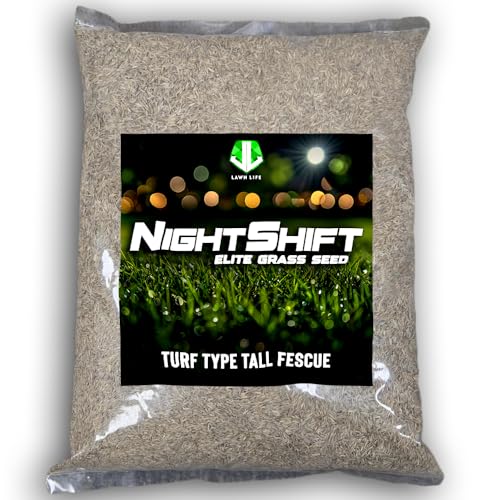
BLACKOUT Elite Turf Type Tall Fescue (10 lb)

Pennington Annual Ryegrass (10 lb)

Scotts Turf Builder Rapid Grass Bermudagrass (1 lb)

GreenView Sun & Shade Tall Fescue (3 lb)
The Picks, Examined More Closely
Yards that swing from full afternoon sun on one side to heavy shade under an oak on the other are exactly where the Black Beauty Sun & Shade mix earns its reputation. The blend handles both light profiles, so you can sow one bag across the whole yard rather than juggling two products in a wheelbarrow. For homeowners tired of seeing bare streaks where the tree canopy takes over, this is the steady workhorse option.
Compared to the bare-spot repair focus of the GreenView bag later on, this one is sized more for whole-lawn seeding or fall overseeding projects. You may find the 3 lb pouch runs out fast on larger lots, so plan on multiple bags for anything over a quarter acre.
A Strong Showing
- Built to transition between full sun and partial shade without switching seed types
- Deep, dark green color that fills in thin patches and gives a thicker-looking lawn
- Useful for overseeding existing lawns to crowd out weeds over a season
- Coated seed formula helps lock in moisture during the critical first weeks
Trade Offs Worth Knowing
- 3 lb covers a small area, so larger yards require several bags for full coverage
- Owners commonly report slower germination in heavy clay unless the soil is prepped first
Right Fit For
Homeowners with mixed-light lawns who want one bag to handle both sunny and shaded zones without buying two products.
Reach For A Different Pick When
You live in the Delmarva region, where the Jonathan Green Delmarva blend is tuned to local heat and humidity.
Where the previous pick is a flexible all-rounder, this Jonathan Green bag leans into heat. The mix pulls in perennial rye, Kentucky bluegrass, and tall fescue, three cool-season grasses that handle sun and heat better than most blends. The waxy leaf coating slows evaporation, which is a quiet advantage during July dry spells when a typical lawn goes straw-colored.
That waxy cuticle acts a bit like a plant’s sunscreen, holding moisture inside the leaf. For sunny southern exposures or lawns that get cooked every afternoon, this bag gives cool-season grass a fighting chance.
Points In Its Favor
- Heat-tolerant cool-season blend designed for full sun with light shade
- Waxy leaf coating preserves moisture during hot, dry stretches
- Tri-species mix adds visual variety and resilience across soil types
- Works well for overseeding thin warm-season lawns heading into fall
Worth Noting
- At 1 lb, it is sized for small patches or thin-yard overseeding rather than full reseeding
- Heavier shade than “lightly shaded” can thin the stand over a season
Built With In Mind
Homeowners with sunny, heat-exposed lawns who want cool-season grass that won’t fry during a long summer.
A Better Fit Elsewhere
You have mostly shaded ground, where the Black Beauty Sun & Shade mix handles low light better than this sun-leaning blend.
The Delmarva bag is a region-specific blend built around three tall fescue varieties chosen for the Mid-Atlantic climate. The peninsula’s hot, humid summers and sandy coastal soils punish generic mixes, so this one focuses on deep roots, drought tolerance, and disease resistance. For homeowners from Delaware through Virginia’s Eastern Shore, that local tuning is genuinely useful.
Where the original Tall Fescue 15 lb bag is a general-purpose workhorse, this 7 lb Delmarva version is more of a regional specialist. You may find the regional focus limits its appeal outside the target zone, but inside it, the cultivar selection is on point.
Practical Advantages
- Three tall fescue varieties chosen for Delmarva heat and humidity
- Targets sandy coastal soils and the disease pressure that comes with them
- Produces a uniform dark green appearance across the lawn
- Drought-tolerant root system for stretches without irrigation
Practical Considerations
- Regionally tuned, so performance drops off outside the Delmarva area
- Still a cool-season fescue, so it slows down during peak summer
The Right Fit
Delmarva-region homeowners dealing with sandy soil, humid summers, and the disease issues that come with both.
Swap It Out When
You are outside the Mid-Atlantic and need a more climate-flexible fescue, where the Jonathan Green Tall Fescue 15 lb blend covers more ground.
Tall fescue is the workhorse of tough-soil cool-season lawns, and this 15 lb bag is the heavyweight on the list. The blend of turf-type tall fescues is bred to push roots up to four feet deep, which sounds dramatic until you watch a lawn stay green while the neighbor’s turns brown. The same waxy leaf coating from the Sunny mix shows up here, slowing evaporation on hot days.
For larger yards with poor, compacted, or rocky soil, this bag covers real ground at a meaningful scale. The recommended planting window is mid-August through mid-October, when soil is warm but nights cool, with spring as a secondary option.
What Pays Off
- Deep root system that taps subsoil moisture during dry spells
- Sun-and-shade versatility for lawns with mixed exposure
- Dark green, uniform color that holds up through regular mowing
- 15 lb bag covers significantly more area than smaller pouches
Honest Caveats
- Big bag means more seed to spread and store between seasons
- Establishment depends on hitting the late-summer or early-fall planting window for best results
Feature Snapshot
Who Will Love This
Homeowners with large, tough-soil lawns who want one big bag of cool-season fescue rather than multiple small pouches.
Not Your Match When
You only need to patch a small bare spot, where the 3 lb GreenView Sun & Shade blend is a better match for the scale.
Scotts is the brand most homeowners already have on the shelf, and the All-Purpose Mix is the bag they reach for when starting over. The 20 lb size is meant for northern-region reseeding, where the mix is designed to grow in both sunny and shady pockets of the yard. Each seed is coated to absorb roughly twice as much water as uncoated seed, which shortens the daily sprinkle routine during establishment.
The texture is on the coarser side, and the drought resistance is medium rather than high, so this is more of a generalist than a specialist. You may find it more attractive in spring and fall than during a brutal July.
Real-World Strengths
- Water-absorbing seed coating reduces the need for constant watering during germination
- 20 lb bag handles large northern overseeding jobs in one purchase
- Formulated for both sun and shade in the same lawn
- Weed-free blend keeps the new stand cleaner from the start
Soft Spots
- Coarse blade texture may not suit homeowners wanting a finer turf look
- Built for northern climates, so southern lawns get a weaker stand
Best Suited To
Northern-region homeowners overseeding a large lawn who want a familiar, water-friendly mix that handles sun and shade together.
Another Choice May Suit
You live in a hot southern climate, where the Bermudagrass Rapid Grass option is a better regional match than a northern all-purpose mix.
Where the Jonathan Green 15 lb bag is a single-species feel, the BLACKOUT Elite bag blends four top-performing tall fescue cultivars. That mix is what gives it the deep, almost blue-green color, and it also spreads the genetic resilience across the lawn. Dogs, kids, and weekend soccer games stress turf, and a multi-cultivar blend recovers more evenly than a single strain.
It is one of the few blends on the list aimed squarely at active households. You may find the dark color fades a touch in extreme heat, but the root system stays anchored and the stand survives.
A Few Strong Suits
- Four-cultivar blend delivers a deep, uniform green across the lawn
- Wear-resistant stand holds up to kids, pets, and foot traffic
- Drought-tolerant once established, thanks to deep root systems
- Adapts to both full sun and partial shade in the same yard
Where It May Fall Short
- Color can mute slightly during extended heat waves above 90°F
- 10 lb bag still requires multiple purchases for very large properties
Quick Facts
Who Should Grab It
Active families with high-traffic lawns who want a dark, durable tall fescue stand that recovers from wear.
Look Elsewhere When
You are seeding a small patch or two, where the smaller 3 lb GreenView bag is a more practical size.
Annual ryegrass is a different tool than the fescues above. It germinates in roughly 3 to 7 days, so it acts like a fast cover crop for winter overseeding of southern lawns or as a nurse grass for slow-starting fescue projects. The catch is the word “annual” in the name: this is temporary green, not a permanent stand.
Homeowners in the South use it to keep lawns green through winter when warm-season grass goes dormant. Northerners sometimes use it to hold a slope or new seedbed while slower fescue establishes underneath.
The Value In It
- Extremely fast germination, with visible green in as little as 3 days
- Useful winter overseed for southern lawns that go dormant in cold months
- Quick color that doubles as a nurse grass for slower fescue blends
- 10 lb bag covers meaningful area for seasonal use
Possible Compromises
- Annual lifecycle means it dies back in summer heat, so it is not a permanent lawn
- Needs 6 to 8 hours of sun to perform, so shaded yards underperform
Made For
Southern homeowners overseeding dormant warm-season lawns for winter color, or anyone needing a fast temporary cover while a permanent blend establishes.
Where Another Pick Suits Better
You want a permanent cool-season lawn in shade, where the Black Beauty Sun & Shade mix is built for the long haul rather than a single season.
This Scotts bag is a seed-and-fertilizer combo aimed at Bermudagrass, the warm-season turf that thrives across the South. The blend is designed to grow in tough southern conditions, and the inclusion of starter fertilizer cuts a step out of the planting process. The “Rapid” name refers to the 2X-faster establishment claim, which matters most on bare-soil patches where erosion is a worry.
Bermudagrass is a sun lover, so this is a poor choice for shaded corners. Where it does work, it can fill in fast and choke out weeds with the right care.
Well-Handled Touches
- Combined seed and starter fertilizer simplifies the planting step
- Bermudagrass handles heat, sun, and southern humidity well
- Faster establishment than seed alone, useful on bare-soil patches
- Aggressive growth that crowds out weeds once established
Details To Watch
- At 1 lb, this is sized for patching, not for full-lawn renovation
- Bermudagrass goes dormant and brown in winter, which is normal but visually jarring
At A Glance
Whose Shelf It Belongs On
Southern homeowners patching bare spots in sunny Bermudagrass lawns who want seed and starter fertilizer in one pass.
Skip It When
You have a shaded yard in a cool-season climate, where the Black Beauty Sun & Shade mix is a much better match for your conditions.
GreenView’s 3 lb bag closes the list as the small-lawn and patch-repair option. The blend is turf-type tall fescue, so it shares the deep-root, sun-and-shade versatility of the bigger fescue picks above. The 99.9% weed-free formula is the quiet selling point, since it means the bag is pure seed rather than a mix of seed and filler weed seeds you’ll fight later.
Germination typically starts in 10 to 14 days, which is slower than the ryegrass but standard for tall fescue. The size makes it a smart pick for first-time spreaders who want a manageable bag rather than a 20 lb commitment.
Key Advantages
- 99.9% weed-free blend means no surprise weeds in the new stand
- Turf-type tall fescue handles both sun and shade in small yards
- 3 lb size is approachable for first-time seeding projects
- Deep green color fills bare spots cleanly without clashing with existing turf
Points To Keep In Mind
- Small bag means multiple purchases for anything beyond patch repair
- 10 to 14 day germination window requires steady watering during establishment
Perfect Match For
Homeowners repairing small bare patches or seeding a modest yard who want a clean, weed-free fescue blend in a manageable size.
Where A Sibling Pick Shines
You need to seed a much larger area, where the 15 lb Jonathan Green Tall Fescue blend covers the same grass type at a more useful scale.
What Matters When Choosing Grass Seeds For Shade And Poor Soil
Match the Seed to Your Light, Not the Label
Sun-and-shade blends are not a single product. They are a mix of species that tolerate different light levels, and the proportion of each species decides how the lawn looks in deep shade versus open sun. Tall fescues are the most forgiving for both light and rough soil, which is why they show up in most of the picks above. Ryegrass is fast but temporary, and Bermudagrass is sun-only. The honest read is that matching the dominant condition in your yard matters more than chasing a single bag that claims to do everything.
Soil Condition Drives Cultivar Choice
“Poor soil” covers a lot of ground: sandy coastal plots, compacted clay, rocky fill, or just thin topsoil over hardpan. Deep-rooting fescues handle most of these because they reach past the bad layer for moisture. Coated seeds, like the Scotts All-Purpose, help in sandy soil by holding water against the seed. Compacted clay is harder, and benefits from aeration before seeding so the seedlings can root downward rather than sideways across a hard surface.
Timing the Planting Window
Cool-season fescues germinate best when soil is warm but air is cooling, so late summer into early fall is the strongest window. Spring is a workable backup but brings more weed competition. Warm-season Bermudagrass wants late spring into early summer soil, the opposite rhythm. Planting out of season tends to produce spotty stands that look thin all year.
Bag Size and Coverage Reality
Coverage numbers on the bag assume ideal prep, perfect播种, and decent irrigation. Real-world coverage is usually lower, especially on bare or rough soil. For patch repair, a 3 lb bag handles several mid-size spots. For whole-lawn renovation, plan on a 10 to 20 lb bag per roughly 1,000 to 2,000 square feet, and don’t be surprised if you need a second bag once you start spreading.
Key Considerations Across These Picks
Where Shoppers Go Wrong
The most common mistake is buying a sun-loving bag for a shaded yard and watching it thin out within a season. The second is skipping soil prep: even the best seed struggles in compacted, thatchy soil that sheds water. Aerate, rake, and water consistently for the first few weeks, and the seed actually gets a chance. Last, ignore the temptation to overseed with annual ryegrass expecting a permanent lawn. It is a one-season cover, not a long-term solution.
When Paying More Pays Off
Bigger bags from established brands cost more per pound but buy you cultivar blends that have been selected and tested for specific climates. The 15 lb Jonathan Green Tall Fescue, for example, packs years of breeding into root depth and leaf coating that a generic fescue bag at a lower price point often skips. For a yard you plan to live with for years, the upgrade tends to show up in drought years when cheaper seed goes brown first.
Frequently Asked Questions
Can grass seed actually grow in heavy shade?
Tall fescue handles partial shade better than most cool-season grasses, and some blends tolerate moderate tree canopy. Deep, full shade under evergreens will stress even the best blends, so consider a shade-tolerant groundcover in those pockets instead of fighting with seed.
How long does it take to see results?
Ryegrass shows green in as little as 3 to 7 days, while tall fescue typically takes 10 to 14 days to germinate. Full establishment, meaning thick coverage ready for regular foot traffic, usually runs 6 to 8 weeks.
Do I need to water new seed every day?
For the first 2 to 3 weeks, light watering once or twice daily keeps the top quarter inch of soil moist without drowning the seed. After germination, taper to deeper, less frequent watering to push roots downward.
Is coated seed worth the extra cost?
Coated seed holds moisture against the seed coat, which improves germination in sandy or fast-draining soil and reduces the daily watering chore. In heavy clay with decent moisture, the benefit is smaller.
Can I mix different grass seed bags together?
Blending two compatible cool-season bags is generally fine, though the result is unpredictable if the species differ. For tall fescue plus tall fescue, mixing cultivars can even improve disease resistance. Avoid mixing cool-season and warm-season in the same lawn.
Closing Remarks
Shade and poor soil are solvable problems, but the fix is a blend chosen for your specific conditions rather than the cheapest bag on the shelf. Match the species to your light, prep the soil, plant in the right window, and water steadily for the first few weeks. The rest is patience, and the lawn usually rewards it.
