

Bare patches show up fast, whether from pet traffic, foot traffic, or a rough winter. A blend that pairs grass seed with mulch and fertilizer handles three jobs in one pass, so you spend less time babysitting seedlings and more time enjoying the lawn. This list rounds up ten combo options suited to different climates, patch sizes, and slopes, so you can match the right bag to your yard and your routine.
The Main Contenders

Jonathan Green Black Beauty Patcher Lawn Bare Spot Repair 3.5 lb

Jonathan Green Black Beauty Lawn Repair Sun & Shade 4.5 lb

Jonathan Green Black Beauty SeedRoll Grass Seed Mat 50 Sq Ft

Jonathan Green Blue Panther Patcher Bermudagrass 3 lb
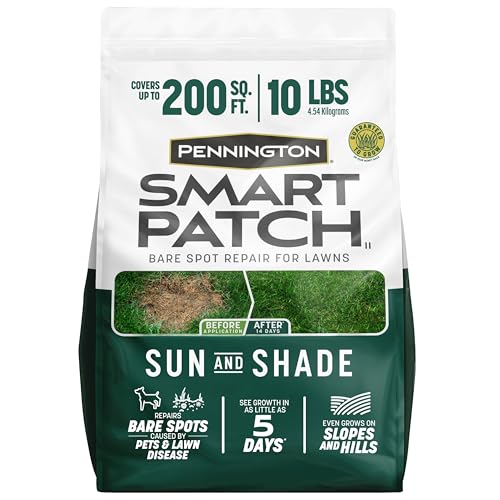
Pennington Smart Patch Sun and Shade Mix 10 lb

Scotts Kentucky 31 Grass Seed Mix 20 lbs
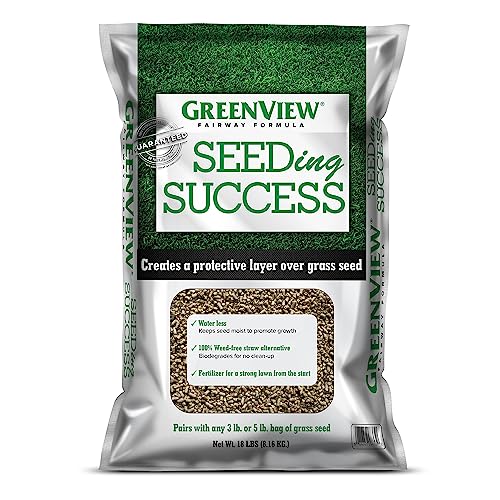
GreenView Fairway Formula Seeding Success 18 lb

Pennington Smart Patch Tall Fescue 30 lb

EZ Straw Lawn Repair Mix Sun/Shade 28 lb

EZ-Straw Seeding Mulch with Tackifier 2.5 cu ft
More On The Choices That Made The List
Small dead patches from dog runs or foot traffic are exactly what this bag was built to handle. The mix blends Black Beauty grass seed, starter fertilizer, and a moisture-holding mulch in one shake-out application, which keeps the workflow short for casual weekend work.
Cool-season lawns in the northern half of the country are the natural target, and the dark green tone of the seed blend is meant to merge with established fescue or rye without leaving obvious color seams. For anyone repairing a handful of bare spots before family gatherings, this tends to be a straightforward starting point.
Good Reasons To Consider
- All-in-one formula removes the guesswork of buying seed, mulch, and feed separately
- Mulch layer helps hold moisture around the seed, which is the main driver of even germination
- Dark green blend is designed to blend visually with existing cool-season lawns
- Compact 3.5 lb bag suits small repair jobs and reduces waste
- Works well for pet-damaged areas where quick patching matters most
Things To Consider
- Smaller bag size means it runs out fast on larger renovations
- Not formulated for warm-season southern Bermuda lawns
Key Specs
Whose Yard It Belongs On
Homeowners with cool-season lawns and a few small bare patches to fix before company comes over.
Skip It When
You have a southern Bermuda yard, in which case the Jonathan Green Blue Panther Patcher matches your turf type far better.
Yards that swing between a sunny front strip and a shaded side yard are tricky to patch with one product. This bag leans into that exact problem with a tall fescue, perennial rye, and Kentucky bluegrass blend, all wrapped in mulch and starter fertilizer. The seedbed mulch keeps the area damp while doubling as a visual shield from birds.
Germination lands in the 10 to 14 day window under typical spring or fall conditions, and the mulch breaks down into the soil so there is no raking step later. In most backyards, that means less follow-up work once the green starts showing.
Points In Its Favor
- Three-species seed blend handles both sun and partial shade without color banding
- Mulch layer conceals seed from birds while holding moisture for germination
- No mulch removal required since the material absorbs into the soil
- Larger 4.5 lb bag covers more area than the 3.5 lb spot-repair option above
Worth Noting
- Bermuda and other warm-season lawns are outside its design range
- Coated seed can clump if the bag sits in a humid garage for months
Best Suited To
Homeowners with mixed-light cool-season lawns who want one bag that handles both the sunny strip by the driveway and the shaded patch under the maple.
Where Another Pick Suits Better
The Pennington Smart Patch Sun and Shade Mix is a better match for dog-spot-heavy yards where microbial support matters more than dark-green color matching.
Slopes and erosion-prone patches shed loose seed and mulch before anything can sprout, which is exactly the problem this mat solves. A biodegradable seed mat lays flat, holds Black Beauty Ultra grass seed, starter fertilizer, and mulch in one tidy layer, then breaks down once the grass fills in.
You unroll it, stake it, and water, which makes the install less messy than a broadcast spread. The trade-off is a fixed 50 square foot coverage, so measuring your repair area first keeps you from buying a second roll for a leftover strip.
Practical Pluses
- Biodegradable mat stays in place on slopes where loose seed would wash away
- Combines seed, starter fertilizer, and mulch in one roll-out step
- Three-species grass blend covers cool-season repair needs
- Best timing windows are mid-August to mid-October or mid-March through mid-May for cooler soil
Honest Caveats
- Coverage is fixed at 50 square feet, which may not match your repair area
- Mat edges can lift if not pinned well on steeper inclines
Made For
Homeowners with hilly lawns or washout-prone patches who want a low-mess alternative to broadcasting loose seed.
Look Elsewhere When
You need a wider coverage area on flat ground, in which case the Jonathan Green Black Beauty Lawn Repair Sun & Shade bag is a better fit.
Southern lawns run on Bermuda, and most cool-season patchers refuse to blend in. This bag flips the script with a Blue Panther Bermudagrass seed, plus coconut coir that expands against the soil for tighter seed contact. Starter fertilizer rounds out the all-in-one approach.
Expect roughly a 14 day germination window when soil temperatures climb into the right range. For most warm-season homeowners, the color match to existing Bermuda is the real draw, since the last thing you want after patching is a stripe of a different grass down the middle of the yard.
The Case For It
- Bermudagrass seed is specifically matched to southern warm-season lawns
- Coconut coir mulch expands for solid seed-to-soil contact
- Dark green color is meant to merge with established Bermuda turf
- Three-pound bag handles multiple smaller patches in one purchase
Small Caveats
- Goes dormant and browns in winter like other warm-season grasses
- Not designed for shaded areas common in densely planted southern yards
Perfect Match For
Southern homeowners with Bermuda lawns who have been patching with the wrong seed type and watching the repair stand out as a different color.
Not Your Match When
You live in a transition zone with mixed cool- and warm-season grass, in which case the Jonathan Green Black Beauty Lawn Repair Sun & Shade is a more flexible pick.
Pet owners know the drill: a single backyard trip can leave a yellow ring that refuses to come back on its own. Pennington’s Smart Patch pairs seed, mulch, and fertilizer with added microbials, which are tiny beneficial microorganisms that support soil health and help young grass push through disease pressure. The 10-pound bag covers up to 600 square feet, which is generous for a mid-size yard.
Sun-and-shade flexibility matters in yards with a tall fence line or a tree canopy, and the mix is designed to handle both without leaving patchy color transitions. For households with both dogs and kids, the bigger bag also means fewer emergency runs to the store.
Bright Spots
- Microbial additive supports soil health and disease resistance in young grass
- Coverage up to 600 square feet suits mid-size lawn repair projects
- Sun-and-shade versatility handles varied conditions across a single yard
- Works as a dog spot repair mix for repeated pet traffic zones
Points To Keep In Mind
- Bulk 10 lb bag is more than some small spot-repair jobs need
- Microbial benefit takes time and consistent watering to fully activate
Quick Facts
Right Fit For
Dog owners and busy households with mid-size yards who need broader coverage and a microbial boost to handle repeat pet damage.
Reach For A Different Pick When
You have a small, isolated spot to fix and do not want a 10-pound bag sitting in the garage, in which case the Jonathan Green Black Beauty Patcher 3.5 lb is a tighter match.
Big overseeding jobs call for a bigger bag, and the Kentucky 31 mix leans into scale. The seed blend centers on Kentucky 31 tall fescue, a variety long associated with durability and lower maintenance. For new lawns or full-yard overseeding, the 20-pound bag keeps you from juggling multiple smaller containers.
The mix targets cool-season climates where tall fescue thrives, so southern homeowners should look elsewhere. The trade-off is that this bag is seed-focused rather than a pre-blended patcher, so you will want to pair it with a separate mulch and starter feed for the most reliable germination on bare spots.
Why It Works Well
- 20 lb bag suits new lawns and large overseeding projects
- Kentucky 31 tall fescue offers durability and lower long-term maintenance
- Curated blend provides benefits beyond straight Kentucky 31 alone
Trade Offs
- Does not include the built-in mulch layer that the patcher bags above provide
- Cool-season fescue is the wrong match for southern Bermuda or St. Augustine lawns
Who Should Grab It
Homeowners planning a full cool-season overseeding or new-lawn seeding who want a tall fescue base in one heavy bag.
Swap It Out When
You only need to patch a few spots and want a built-in mulch layer, in which case the EZ Straw Lawn Repair Mix Sun/Shade handles both seed and mulch in one pass.
Wind is the enemy of fresh seed, and a dedicated mulch-plus-fertilizer product gives you a fighting chance on exposed ground. GreenView’s Seeding Success pairs a biodegradable mulch with a starter fertilizer and a tackifier, which is a bonding agent that helps the mulch cling to the soil even on gusty days or gentle slopes. You spread it over your own seed of choice.
The 18-pound bag covers roughly 380 square feet, and the biodegradable formula means no raking once the grass fills in. In most yards with a stretch of bare or thinned turf, this is a sensible top-dress over a quality seed.
A Favorable Mix
- Tackifier holds mulch in place on slopes and in windy conditions
- Biodegradable formula eliminates the raking step once grass establishes
- Starter fertilizer feeds new seedlings during the critical early window
- Works as a top-dress over any grass seed you choose to spread
Possible Compromises
- Does not include grass seed, so it requires a separate seed purchase
- Coverage rating assumes a light top-dress layer, not a thick blanket
Key Specs
Made For
Homeowners who already have a preferred grass seed and want a mulch-plus-fertilizer top-dress to protect it during establishment.
Another Choice May Suit When
You want seed and mulch in the same bag, in which case the Jonathan Green Black Beauty Lawn Repair Sun & Shade combines both in one product.
Expansive repair projects drain smaller bags fast, which is why a 30-pound pail of Smart Patch earns its spot. The formula combines Smart Seed, fertilizer, and mulch in one container, and the tall fescue base is built for cool-season durability. For homeowners dealing with multiple bare zones or a renovation after construction, the larger size means fewer refill trips.
You trade convenience for storage space, since 30 pounds takes up real room in a garage or shed. For most large-property owners, that trade still comes out ahead once you count the time saved by having everything in one container.
Positive Points
- 30 lb bulk size handles large repair projects without multiple bags
- Tall fescue base offers durability in cool-season climates
- Combines seed, fertilizer, and mulch in a single purchase
Where It May Fall Short
- Bulk size requires significant garage or shed storage
- Heavy to carry and pour for one-person patch jobs in the back corners of a yard
Built With In Mind
Property owners with large cool-season lawns or several repair zones who want a single container to handle the whole job.
Consider Something Else When
You only have a small patch to fix, in which case the Jonathan Green Black Beauty Patcher 3.5 lb keeps the leftover material from going stale in storage.
Spread, water, walk away. The EZ Straw Lawn Repair Mix keeps the workflow that simple with a sun-and-shade grass seed, processed straw, organic fertilizer, and a tackifier bonding agent in a single 28-pound bag. Coverage runs up to 600 square feet, and the organic fertilizer feeds the soil as the straw breaks down.
You may find the natural tacking substance does most of the work on gentle slopes, though steeper inclines still benefit from a heavier seed mat. For most homeowners with a renovation to knock out over a weekend, this bag cuts the project down to one supply run.
Strong Points
- Organic fertilizer supports long-term soil health as straw decomposes
- Tackifier helps the mix cling to the soil on gentle slopes
- Includes 10 percent more grass seed than the label minimum for thicker fill-in
- Covers up to 600 square feet, suited to whole-lawn patching
Less-Strong Areas
- Straw-based mulch is thicker than the finely milled mulch in other patchers
- Organic fertilizer has a milder nutrient profile than synthetic starter feeds
Feature Snapshot
Who It Suits Best
Homeowners with larger patch projects who want an organic-leaning all-in-one mix and do not mind a slightly thicker straw texture.
Not Your Match When
You prefer a fine, low-profile mulch, in which case the GreenView Fairway Formula Seeding Success gives you a smoother top-dress over your own seed.
Sometimes you already have the seed and fertilizer dialed in, and what you really need is a quality straw blanket to keep everything in place. This 2.5 cubic foot bale is processed straw with a tackifier, which is a natural bonding agent that helps the straw hold together through wind and rain. It covers up to 500 square feet at a light application.
The twice-cut processing makes the straw easier to spread than a raw bale, and the UV-protected bag can sit outside without breaking down prematurely. For most homeowners, it pairs naturally with a separate seed and starter feed of your choice.
Real Benefits
- Tackifier bonding agent holds straw in place through wind and rain
- Organic processed straw is safe for pets and children
- Covers up to 500 square feet per bale at a light application
- UV-protected bag allows outdoor storage without premature breakdown
Practical Considerations
- Does not include grass seed or fertilizer, so it requires a separate purchase
- Loose straw application can drift if spread on a windy day before watering
Right Fit For
Homeowners who already have a preferred seed and starter fertilizer and want a quality straw blanket to top the project.
A Better Fit Elsewhere When
You want a single bag that combines seed, mulch, and fertilizer, in which case the Jonathan Green Black Beauty Lawn Repair Sun & Shade handles all three together.
What Matters Most Before Choosing Grass Seeds With Mulch And Fertilizer
Match The Mix To Your Climate And Grass Type
Cool-season grasses like tall fescue, perennial rye, and Kentucky bluegrass dominate the northern half of the country, while warm-season grasses like Bermuda and Zoysia own the South. A bag that does not match your existing turf type will leave visible color seams that take a full season to blend. Match the seed species first, then worry about the mulch and fertilizer layers.
Consider The Coverage And Patch Size
Small dog spots and foot-traffic wear patches need only a 3 to 5 pound bag, while full-yard overseeding after summer stress calls for 20 to 30 pounds. Buying more than you need leads to stale seed in the garage, and buying too little means a return trip mid-project. Measure the repair area in square feet before you commit to a bag size.
Look For A Built-In Mulch Layer Or Plan To Add One
Mulch holds moisture around the seed and shields it from birds and washout. All-in-one patcher bags include this layer, while seed-only products like the Scotts Kentucky 31 mix expect you to add a separate straw or paper mulch. The tackifier additive in products like GreenView and EZ-Straw gives the mulch extra grip on slopes and in windy conditions.
Check The Bagged-Seed Germination Window
Most cool-season grass seeds germinate in 7 to 21 days under good moisture, while Bermuda and other warm-season varieties may take 14 days or longer once soil temperatures climb. Plan your project for spring or fall when soil is workable and rain is more reliable, so you do not fight summer heat during the most vulnerable establishment window.
Key Considerations Across These Picks
Pitfalls Shoppers Hit
A common trap is buying a cool-season patcher for a southern Bermuda lawn, which leaves a visible green stripe that never quite blends in. Another is underestimating coverage, since bag ratings assume a light, even spread and most homeowners apply too thick. Buying seed without a mulch layer and skipping the top-dress is the third mistake, because bare seed on exposed soil rarely makes it through the first hard rain.
When Paying More Pays Off
Higher-tier patchers tend to include multiple grass species for sun-and-shade flexibility, which avoids the patchy color transitions you get from a single-species mix. You also get a tackifier or a heavier mulch load that holds up on slopes, and a starter fertilizer with a more complete nutrient profile. The upgrade is worth it for larger projects and trickier terrain, while smaller spot repairs rarely need the extra capability.
Frequently Asked Questions
How long does it take for grass seed with mulch to germinate?
Most cool-season blends germinate in 7 to 14 days under consistent moisture, while warm-season Bermuda may take 14 days or longer once soil temperatures rise. Watering lightly once or twice a day during the establishment window keeps the mulch damp and speeds things along.
Do I need to remove the mulch once the grass grows in?
Most all-in-one patchers use biodegradable mulch that breaks down into the soil on its own, so there is no raking step. Paper or straw mulches from separate purchases may need light raking once the grass reaches two inches if any clumps remain visible.
Can I apply grass seed with mulch and fertilizer in summer?
Fall and early spring are the safer windows, since summer heat stresses young seedlings and dries out the mulch layer fast. In the transition zone, late summer seeding around mid-August through mid-October gives cool-season grasses time to establish before winter.
Will pet urine damage the new seedlings in a patcher mix?
Pet urine can still yellow new grass, so it helps to water the area thoroughly after a dog visit during the establishment window. Microbial blends like the Pennington Smart Patch support soil recovery, but the simplest defense is keeping pets off the repair area until the grass has filled in.
How do I keep the seed from washing away on a slope?
A tackifier-bonded mulch or a biodegradable seed mat is the most reliable approach for slopes, since the bonding agent holds the straw in place through rain. For steeper inclines, staking a seed mat like the Jonathan Green Black Beauty SeedRoll gives the strongest protection.
Closing Thoughts
The right bag comes down to your climate, your patch size, and how much slope you are dealing with. Match the seed species to your existing turf, pick a size that covers the repair without a lot of leftover, and lean on mulch and tackifier when wind or grade is part of the equation. A thoughtful match now saves reseeding later, and the lawn thanks you with even color from corner to corner.
