

You want a garden that comes back stronger every spring without replanting, watering fuss, or winter worry. The right perennials handle cold snaps, shrug off dry spells, and keep blooming while you focus on living your life. This list rounds up eight options that earn their keep across zones, soil types, and skill levels, from cottage-style cottage favorites to drought-defying ground covers.
The Shortlist At A Glance
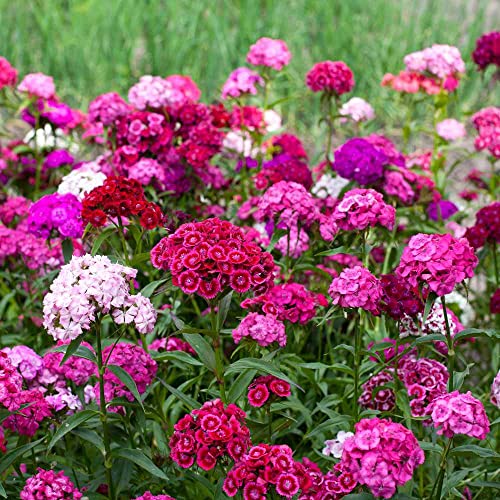
Outsidepride Sweet William Dianthus Seeds (5000 Pcs.)

Forget Me Not Seeds (6000) Perennial Ground Cover

Outsidepride Billy Button Craspedia Seeds (1000 Pcs.)

BuggyBeds Creeping Thyme Seeds (20,000 pcs)

ZEshops 100 Lupine Flower Seeds

Midnight Marvel Hardy Hibiscus Starter Plant

Mixrug Mixed Perennial Geranium Seeds (20+)

BuggyBeds Moss Rose Seeds (20,000+) Mixed Colors
The Strengths Of Each Pick
Sweet William has been a cottage garden workhorse for generations, and Outsidepride’s 5,000-seed pack gives you enough volume to fill a generous bed or seed a fresh meadow strip without breaking the budget. The clusters of small, clove-scented blooms show up in mixed shades of pink, red, and white, drawing bumblebees and butterflies the moment they open in late spring.
For most home gardeners, the appeal is how forgiving the plant is. Dianthus barbatus tolerates a range of soils as long as drainage is decent, and it self-sows politely, returning in unexpected corners year after year. It plays nicely with taller spikes like lupines (covered later) and provides a softer mid-layer behind ground-hugging creepers.
Where It Excels
- Strong clove-like fragrance that perfumes an entire patio corner on warm afternoons
- High seed count gives generous coverage for a fraction of the cost of potted plants
- Pollinator magnet that brings bumblebees and hoverflies into the garden from late spring onward
- Biennial-to-short-lived-perennial habit (it self-seeds reliably, so a single sowing often becomes a permanent patch)
- Cut stems hold up well in vases, adding old-fashioned charm to indoor arrangements
Points To Keep In Mind
- Plants typically reach their stride in year two, so first-year gardens look sparse while roots establish
- Commonly reported dieback in heavy, soggy clay, so amending with grit or choosing raised beds helps
Made For
Cottage-garden enthusiasts and pollinator-friendly landscapers who want a low-cost, fragrant filler that handles cold winters and reseeds itself with minimal fuss.
Not Your Match When
Skip this one and reach for BuggyBeds Creeping Thyme Seeds instead, since thyme suits you better if your priority is a flat, walkable mat rather than upright flowering stems.
Forget me nots are the kind of plant that teaches you gardening can be easy. Marde Ross & Company’s 6,000-seed pack produces the classic sky-blue flowers with yellow eyes that everyone recognizes, and the seed count is large enough to carpet a sizeable border without rationing.
In our view, this is the gentlest entry point on the list. The plants adapt to sun or partial shade, weave politely around tulip and daffodil bulbs, and bloom alongside early spring perennials when most gardens are still waking up. The bulk quantity also means you can experiment with sowing patterns, including scattering a portion under trees where lawn struggles.
What Pays Off
- Adaptable to sun or shade, which removes the most common beginner guesswork
- 6,000-seed quantity covers large beds, woodland edges, or bulb borders affordably
- Spring-through-summer bloom window that bridges the gap between bulbs and summer perennials
- Plays well with taller plants like lupines (item 5) as a soft blue underlayer
Things To Consider
- Plants run 6 to 12 inches tall, so a single packet may not be enough to cover a full lawn replacement
- Self-seeds enthusiastically once established, which can surprise gardeners expecting tidy clumps
- Short bloom window compared to longer-flowering picks on this list
Best Suited To
First-time perennial planters and shade gardeners who want a soft, romantic carpet beneath bulbs and taller back-of-border flowers.
Skip It When
Look at Mixrug Mixed Perennial Geranium Seeds (item 7) instead, since the geraniums suit you better if you need continuous color from late spring through fall rather than a short spring-only show.
Billy buttons look like tiny tennis balls on sticks, and that visual quirk is exactly why they belong in modern and pollinator gardens. Outsidepride’s 1,000-seed pack gives you enough plants to make a real statement without dominating the bed.
The rosette of gray-green foliage stays low while the wiry stems lift those bright yellow globes skyward, creating a rhythm that pairs well with airy grasses or upright lupines. Drought tolerance is the quiet superpower, so gardeners in drier regions or sandy soils find this plant far more forgiving than thirstier cottage classics.
A Strong Showing
- Unusual spherical blooms that dry beautifully and last for years in arrangements
- Drought-tolerant once established, reducing summer watering chores
- Pollinator-friendly structure that bees and beneficial insects visit repeatedly
- Compact rosette footprint works in tight borders, rock gardens, and container groupings
Honest Caveats
- Smaller seed count than other picks, so a single pack covers less ground area
- Stems can flop in rich, over-fertilized soil, so leaner ground produces sturdier plants
Who Should Grab It
Design-minded gardeners and cut-flower hobbyists who want a sculptural plant that doubles as a long-lasting dried flower.
A Better Fit Elsewhere
Consider ZEshops 100 Lupine Flower Seeds (item 5) instead, since lupines suit you better if you need tall vertical flower spikes for the back of a border rather than mid-height globe-shaped stems.
Creeping thyme solves the most common garden frustration: ugly bare gaps. BuggyBeds packs 20,000 heirloom Thymus serpyllum seeds, which is enough to fill sizeable areas between flagstones, along driveways, or as a low-water lawn alternative.
Once established, the dense mat handles foot traffic, releases a pleasant herbal scent when brushed, and bursts into purple-pink bloom in summer. Compared to the earlier picks that grow upright, this one stays close to the ground and works in a completely different design role, filling spaces rather than rising above them.
Everyday Wins
- Massive seed count makes large-scale ground coverage realistic on a small budget
- Drought-tolerant and heat-resilient once the mat fills in
- Fragrant foliage that releases scent when walked on, doubling as natural aromatherapy along paths
- Pollinator-friendly when in bloom, attracting honeybees and small native bees
Worth Noting
- Slow to establish from seed, so most gardeners see full coverage in the second growing season
- Seedlings struggle in soggy, compacted soil, so good site prep is essential before sowing
- Mixed color outcomes, since “creeping thyme” seed packets can vary in bloom shade
Right Fit For
Homeowners replacing lawn strips or filling path gaps who want a fragrant, walkable mat that survives dry summers with minimal upkeep.
Where Another Pick Suits Better
Reach for the BuggyBeds Moss Rose Seeds (item 8) if you need a faster-spreading ground cover for hot, dry beds where thyme’s slow start feels frustrating.
Lupines bring the kind of vertical drama that flat ground covers simply cannot. ZEshops’ 100-seed packet of non-GMO, open-pollinated lupines offers mixed color spikes in pinks, purples, yellows, reds, and whites, perfect for adding height to the back of a cottage border or pollinator planting.
Depending on your soil, lupines reward you generously: cooler climates with mild summers tend to see the most reliable perennial returns, while hotter zones often treat them as short-lived showstoppers. Either way, the tall flower spikes pull in bumblebees like a magnet, and the palmate foliage adds architectural interest even when plants are out of bloom.
Everyday Advantages
- Vertical height (often 2 to 3 feet) that anchors the back of borders without staking
- Mixed color packet creates a natural, varied display from a single sowing
- Nitrogen-fixing roots (a partnership with soil bacteria that enriches surrounding earth) improve garden soil over time
- Strong pollinator appeal, especially for long-tongued bumblebees
Trade Offs
- Smaller seed count than ground-cover options, so large plantings require multiple packets
- Seedlings dislike being transplanted, so direct sowing works better than starting indoors for most gardeners
Who It Suits Best
Cool-climate gardeners and pollinator habitat creators who want dramatic vertical color and don’t mind replacing shorter-lived plants every few years.
Look Elsewhere When
Pick the Midnight Marvel Hardy Hibiscus Starter Plant (item 6) instead if you live in a hot-summer region and want a taller, longer-lived statement perennial that thrives where lupines fade.
Most of this list is seed-based, so the Midnight Marvel starter plant breaks the pattern on purpose. You get an actual living rooted plant, not a packet, and that head start matters when you want a showpiece in year one rather than year three.
Hardy hibiscus is the perennial that fools people into thinking it must be tropical: the dinner-plate-sized scarlet-red blooms look exotic, but the plant handles cold winters in most temperate zones. The deep wine-purple foliage stays attractive even when the plant is between flushes, giving you foliage color from spring onward.
What Works In Its Favor
- Starter plant skips the germination waiting period entirely, producing blooms the first year
- Large, tropical-looking flowers on a cold-hardy perennial shrub
- Deep burgundy foliage provides season-long color, not just bloom-window interest
Practical Considerations
- Starter plants require more careful shipping handling and quicker transplanting than seeds
- Late to leaf out in spring, so new gardeners sometimes assume the plant has died before it wakes up
- Needs consistent moisture to support those oversized blooms during peak summer
Perfect Match For
Designers and statement-garden builders who want a focal-point perennial and prefer to start with a rooted plant instead of waiting for seed-grown specimens to mature.
Swap It Out When
Skip the starter plant and try Outsidepride Billy Button Craspedia Seeds (item 3) if you would rather grow a sculptural cut-flower garden from seed and don’t need a single anchor shrub.
Hardy geraniums, not to be confused with the annual zonal geraniums sold at garden centers, are the workhorses of the perennial border. Mixrug’s packet includes 20+ heirloom, non-GMO seeds producing mixed double-bloom geraniums in shades of pink, purple, and white, with a flowering window that runs from late spring deep into fall.
Compared to the earlier Forget Me Nots (item 2) that finish their show by midsummer, these geraniums keep performing. The mounding habit also makes them excellent for filling the front edge of a border, where their relaxed form softens the harder lines of stone edging or pathways.
The Value In It
- Continuous flowering from late spring through fall, far outlasting many cottage perennials
- Double-bloom form adds a fuller, more ornamental look than standard single-flowered types
- Mounding growth habit works equally well in borders, containers, and as pathway edging
- Non-GMO heirloom seeds can be saved and replanted, reducing future seed costs
Some Limits To Know
- Smaller seed count than the bulk ground-cover options, so a single packet suits a modest bed
- Smaller seed size makes them easier to over-sow or lose during initial sowing if you aren’t careful with technique
Whose Shelf It Belongs On
Traditional cottage-garden enthusiasts and seed savers who want season-long color and the satisfaction of replanting their own saved seed year after year.
Where A Sibling Pick Shines
Switch to Forget Me Not Seeds (item 2) instead if you want a much larger seed quantity and a softer, lower-growing blue carpet for shaded areas rather than front-of-border mounding.
Moss rose (Portulaca grandiflora) laughs at the conditions that wilt fussier plants. BuggyBeds delivers 20,000+ heirloom seeds in mixed colors, including pink, red, yellow, and white, with a low, sprawling habit that fills hot, dry beds where many perennials struggle.
For most backyards in regions with punishing summer sun, this is a top-tier problem solver. The succulent foliage stores water efficiently, the flowers open in response to sunlight, and the plant reseeds enough to maintain a presence without becoming invasive. It pairs naturally with creeping thyme (item 4) in dry, low-water garden designs.
Strengths Worth Knowing
- High heat and drought tolerance make it ideal for hot, exposed beds and containers
- Massive seed count (20,000+) supports wide coverage at a very low per-seed cost
- Mixed color palette delivers visual variety from a single sowing
- Pollinator-friendly blooms in full sun, where many other perennials fade
Points To Note
- Flowers close in cloudy weather and at night, so overcast days show fewer open blooms
- Struggles in heavy, waterlogged soil, so well-drained sites are essential
- Lower stature means it won’t substitute for upright border plants like lupines or hibiscus
Who It Suits Best
Gardeners in hot, dry climates and anyone trying to fill a tough sunny bed where lawn grass dies and conventional perennials bake out by midsummer.
Where Another Pick Suits Better
Look at BuggyBeds Creeping Thyme Seeds (item 4) if you want a fragrant, walkable mat for pathways and stepping-stone gaps rather than a heat-loving flower carpet.
Picking The Right Hardy Perennials For Your Garden
Matching perennials to your site saves years of frustration. Start with your USDA hardiness zone, then narrow down by sunlight and soil type, because a “hardy” plant that loves full sun and lean soil will rot out in shaded clay, and vice versa. The picks above range from cool-shade lovers (forget me nots) to sun-baked heat seekers (moss rose), so honest site assessment matters more than any single product recommendation.
Think about mature size and spread at planting time, not just first-year appearance. A creeping thyme mat will quietly double in coverage, and lupine spikes that look modest in year one can dominate a bed by year three. Sketches and rough spacing plans prevent overcrowding and reduce the need to transplant later.
Bloom timing matters as much as color, because a garden full of June-blooming plants looks empty by August. Combine early-spring picks (forget me nots, sweet William) with midseason anchors (lupines, geraniums) and late-summer performers (moss rose, hardy hibiscus) to keep something in flower across the whole growing season.
Finally, weigh seed packets against starter plants based on your patience and goals. Seeds are far cheaper per plant and offer more variety, but they demand a year or two of establishment. Starter plants like the Midnight Marvel hibiscus cost more per specimen but deliver immediate structure to new beds and a faster path to first blooms.
Key Considerations Across These Picks
Where Shoppers Go Wrong
Buying a beautiful plant that does not match your conditions is the most common regret. A sun-loving moss rose struggles in shade, and a forget me not bolts in parched, exposed soil, so matching the plant to your light and moisture conditions matters far more than chasing color palettes.
Another slip-up is underestimating mature spread, leading to overcrowding within two seasons. Giving ground covers like creeping thyme room to expand saves you the labor of thinning later.
What The Higher Tier Buys
Premium perennial options like the Midnight Marvel starter plant command a higher price because they deliver instant maturity. A rooted, established plant skips the vulnerable seedling stage entirely, meaning you see garden-impact blooms the first year instead of waiting two seasons for seed-grown plants to mature.
Higher-tier options also tend to come from growers who specialize in propagation, so plant health, root development, and varietal accuracy are typically stronger than bargain-bin alternatives.
Frequently Asked Questions
What does “hardy perennial” actually mean?
A hardy perennial is a non-woody plant that survives winter in your climate and regrows from its roots each spring. Hardiness refers specifically to the plant’s tolerance for cold temperatures, usually defined by USDA zones listed in product details.
Can I grow these perennials in containers?
Yes, though smaller-stature options like moss rose, creeping thyme, and sweet William adapt to pots more easily than taller picks like lupines and hardy hibiscus. Always choose containers with reliable drainage holes, since perennials hate waterlogged roots.
How long until I see blooms from seed?
Most perennials grown from seed bloom in their second year, with forget me nots and sweet William sometimes flowering the first year. Starter plants like the Midnight Marvel hibiscus bloom the same year they are planted, which is part of their premium value.
Do I need to fertilize perennials every year?
Generally no, since over-fertilizing produces floppy growth and fewer blooms. A yearly top-dressing of compost around the base is usually enough for most home gardens, with lean-soil lovers like lupines preferring almost no feeding at all.
Will these perennials survive in hot southern climates?
It depends on the species. Moss rose and hardy hibiscus thrive in hot summers, while lupines and forget me nots prefer cooler regions. Always check the USDA zone range before ordering, since zone compatibility is the single biggest factor in perennial survival.
The Takeaway
Pick the perennial that matches your site, not just your wishlist, and you will spend less time replacing dead plants and more time enjoying blooms. Whether you start with a single seed packet or a statement starter plant, the eight options above give you reliable, cold-tested choices for nearly any garden style. Plant once this season, and you will likely be rewarded with flowers for many springs to come.
